Tanzania’s linguistic scene mirrors its geography and history, from coastal Kiswahili markets to English-used institutions in urban centers. Language shapes schooling, law and everyday conversation across islands and the mainland.
There are 2 Official Languages in Tanzania, ranging from English to Swahili. For each, you’ll find below entries organized by Legal status (max 15 words), Domains of use (max 15 words), Speakers (approx), so you can quickly compare roles and reach—you’ll find below.
How are English and Swahili used differently in Tanzania?
Swahili is the national lingua franca used in primary education, media, and most daily interactions, while English is common in higher education, some government laws and formal business; many people switch between them depending on setting.
Which language should visitors prioritize learning?
Learn basic Swahili phrases to navigate markets, greetings and transport—this opens the most doors—while relying on English in major towns, tourist services and formal contexts where it’s widely understood.
Official Languages in Tanzania
| Language | Legal status (max 15 words) | Domains of use (max 15 words) | Speakers (approx) |
|---|---|---|---|
| Swahili | Constitutional national language (1977) | Government, primary education, media, public life | 55,000,000 |
| English | De facto official; used in courts and higher education (colonial legacy) | Higher education, courts, legislation, formal administration, some media | 4,000,000 |
Images and Descriptions

Swahili
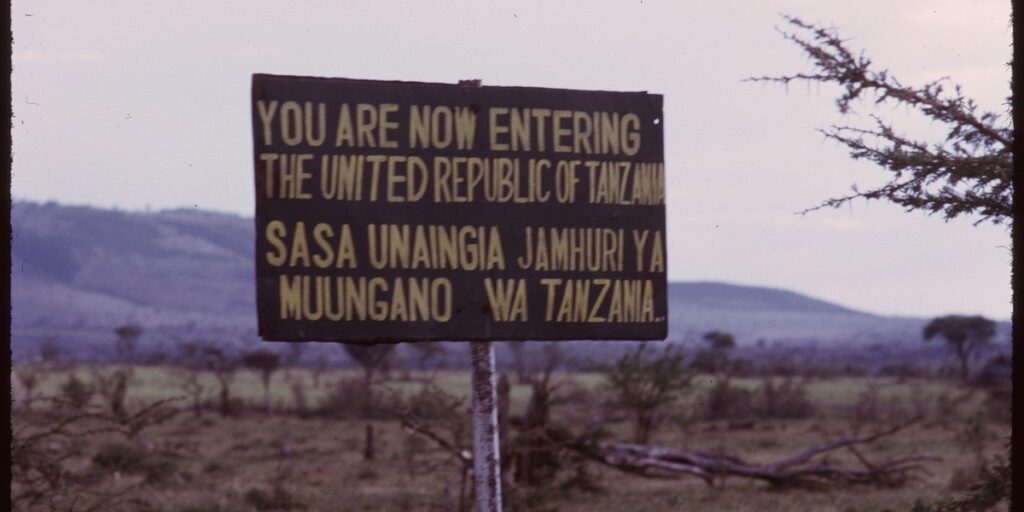
Swahili is Tanzania’s constitutionally designated national language, used widely in government, primary schools, mass media and everyday life. Adopted after independence to unify diverse ethnic groups, it serves as the primary lingua franca across mainland Tanzania and Zanzibar.

English
English remains the main language of higher courts, universities and many formal government functions, a carryover from British colonial rule. While not named as national language in the constitution, English is widely used in law, tertiary education and professional sectors.