On May 20, 2002, Timor-Leste became one of the world’s youngest sovereign states — an island nation rebuilding itself while preserving vibrant traditions and untamed landscapes. That date matters for travelers because independence sparked a cultural resurgence, created memorial sites across Dili and beyond, and left recent history visible in everyday life.
Visiting Timor-Leste rewards travelers with an uncommon mix of near-empty beaches, exceptional marine life, living history, and community-centered travel experiences. Here are 10 compelling reasons to plan a trip, grouped into Natural & Marine Wonders, Culture & History, and Adventure & Community Travel. Population is small — about 1.3 million (2021 estimate) — which helps explain why many places still feel raw and personal. These are practical, experience-focused reasons to visit timor-leste that you won’t find in more-visited regional hotspots.
Natural & Marine Wonders

Timor-Leste’s coastlines, offshore islands, and rugged interior remain relatively untouched, offering excellent snorkeling, diving, wide beaches, and highland vistas. Atauro Island sits roughly 30 km north of Dili and is reachable by a short ferry, while visitor numbers across the country stay low — ideal for uncrowded experiences from reef flats to mountain ridges.
1. Pristine, Uncrowded Beaches and Surfing
Long stretches of white sand and reef-protected coves welcome very few tourists, so beach days feel private. Jaco Island is famous for its brilliant white sand and shallow reef flats, while Atauro and parts of the Lautém coastline offer sheltered bays and reef breaks.
A typical day might begin with a morning surf or paddle on an east-coast reef break, followed by lunch in a local village, then an afternoon snorkel atop coral gardens. Compared with Indonesian surf hubs, breaks here are less crowded and often accessed directly from simple village homestays or local guesthouses.
2. World-Class Diving and Marine Biodiversity (Atauro & Jaco)
Atauro and surrounding reefs are gaining attention for clear water and exceptional biodiversity; the island lies about 30 km north of Dili and supports community-run dive programs. Marine surveys and visiting dive operators report lush coral gardens and abundant reef fish, making the area a rising hotspot for divers and snorkelers.
Local dive centers run day trips and guided night dives, and community programs sometimes invite visitors to take part in citizen-science reef monitoring. Expect to see colorful reef fish, hard and soft corals, turtles, and occasional mantas on the deeper reefs.
3. Rugged Mountains and Trekking (Mount Ramelau)
Mount Ramelau (Tatamailau) is the country’s highest peak at approximately 2,963 m, and the sunrise trek to the summit is one of Timor-Leste’s signature experiences. The climb is steep in places but doable as a long day-hike from nearby bases.
Many visitors hike at dawn to watch the sun strike the highland ridgelines, then descend through coffee-growing foothills where family homestays can host overnight guests. Guides from Same or Ermera often link the trek with village visits and opportunities to learn about local coffee production and mountain life.
10. Conservation Projects and Marine Research Opportunities
Travelers can engage with community-driven conservation that protects reefs and shorelines, particularly around Atauro. NGOs and university research teams have collaborated with local groups on reef monitoring, and some programs welcome short-term volunteers or paying participants who want to support research.
Practical options include joining a reef-survey day, helping with coral restoration activities, or booking a spot on a research-aware dive trip. Such involvement helps sustain livelihoods tied to healthy reefs and gives visitors a tangible way to leave a positive footprint.
Culture, Coffee, and Living History
Timor-Leste’s cultural resilience reflects centuries of Austronesian and Melanesian traditions layered over Portuguese colonial influence and a recent independence struggle. Key historical moments like the Santa Cruz events (1991) and formal independence on May 20, 2002, shape museums, memorials, and annual commemorations across the country.
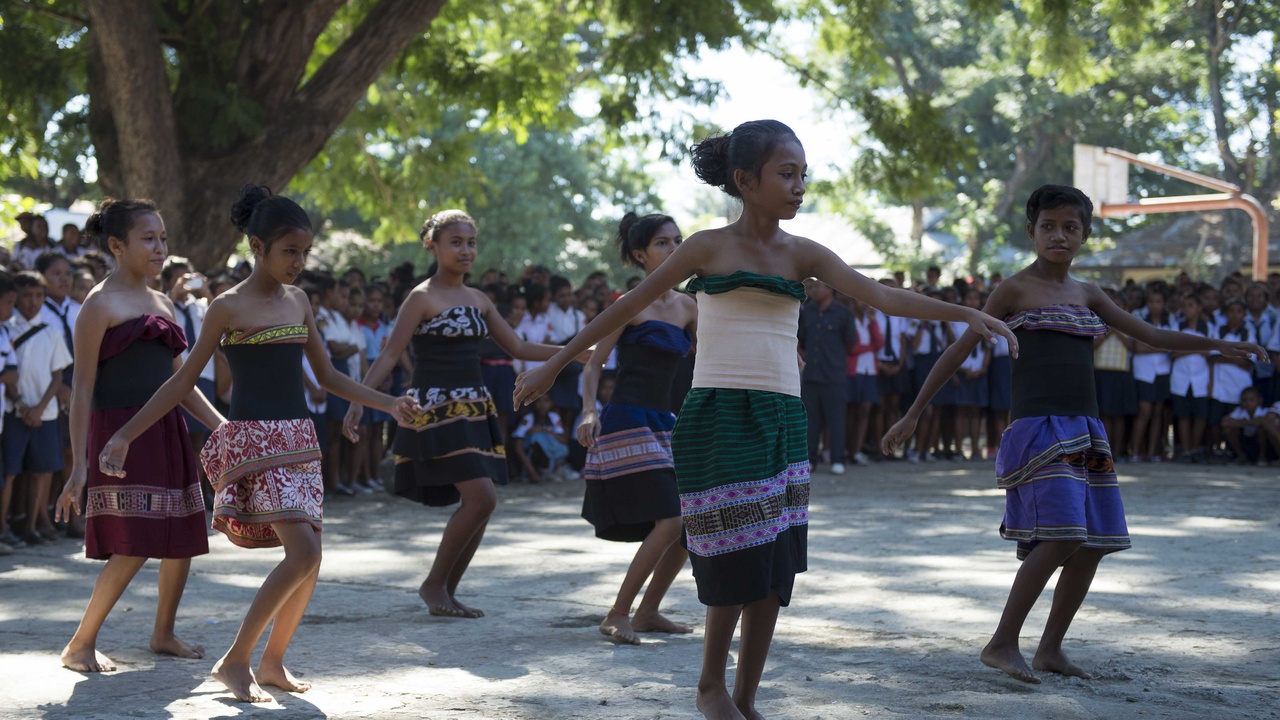
Coffee farming, ritual life, and woven tais textiles are woven into daily life; visitors can attend ceremonies, visit coffee cooperatives, and learn directly from weavers and elders in village settings.
4. Rich Timorese Culture and Traditional Ceremonies
Timorese culture blends Austronesian, Melanesian, and Portuguese elements visible in language, ritual, and textiles. Traditional dances and music accompany ceremonies, with woven tais fabric featuring prominently as both clothing and ceremonial gift.
A typical village ceremony may include formal offerings, coordinated group dances, and drum or bamboo-instrument music. Visitors who ask permission and follow local customs are often welcomed to observe, purchase directly from weavers, or join a weaving workshop to learn about motifs and techniques.
5. Unique Coffee Culture and Farm Tours
Coffee is a staple of rural life and a recognizable Timorese product, especially in highland areas like Maubisse and Ermera. Smallholder farms and cooperatives process arabica beans by hand, offering authentic farm-to-cup experiences.
Visitors can tour family-run drying stations, attend a tasting at a Dili café, or arrange cooperative visits that explain wet and dry processing. Purchasing beans directly from producers helps village incomes and gives insight into a major livelihood beyond tourism.
6. Living History: Independence and Resistance Sites
Recent history remains immediate and visible: the Santa Cruz massacre in 1991 galvanized international attention, and independence was declared on May 20, 2002. Dili’s museums and memorials record these events and the stories of resistance.
Real-world visits include the Dili Resistance Museum, memorial plazas, and guided walks led by local historians or survivors. These tours frame artifacts, plaques, and oral testimony with context that makes the national story tangible for visitors.
Adventure, Community Travel, and Authentic Stays
Small-scale, community-based tourism and homestays create meaningful, low-impact travel options. Travelers who want to support local economies will find homestays, village guides, and volunteer projects that prioritize direct benefits for households and communities.
7. Community-Based Eco-Tourism and Volunteer Opportunities
Community projects offer ways to contribute time or money directly to local livelihoods, from reef-monitoring with local NGOs to short-term school-support visits. Programs are often locally led, emphasizing ethical engagement and local decision-making.
Practical activities include joining a reef-survey day, helping at a village school for a morning, or participating in mangrove planting. Paying for community-guided tours or buying crafts directly from weavers ensures economic benefits remain in the village.
8. Off-the-Beaten-Path Adventure and Low Tourist Numbers
Timor-Leste remains under-visited compared with neighboring islands, so solitude and authentic encounters are easier to find. With a population of about 1.3 million and limited mass-tourism infrastructure, many coastal roads and mountain tracks feel private.
That relative quiet means travelers can hire a local driver-guide for multi-day coastal explorations, arrange private boat trips to small islands, or simply stroll village markets with more genuine interactions than in crowded destinations. For adventurous planners, this low visitor density is one of the clearest reasons to visit timor-leste.
9. Affordable Travel and Authentic Homestays
Many travel costs are modest, and homestays provide affordable, culturally rich lodging where meals are often included and hosts share daily life. Typical arrangements include family-hosted meals, guided walks, and simple rooms that directly support household incomes.
Guests can book two-night homestays near trekking routes, learn to prepare local staples, and tip or buy small gifts as a meaningful thank-you. Respectful behavior — asking permission before photographing and following host customs — keeps exchanges positive for both visitors and families.
Summary
- Timor-Leste combines untamed marine life, highland peaks like Mount Ramelau (2,963 m), and living history tied to events such as Santa Cruz (1991) and independence (May 20, 2002).
- Low visitor numbers (population roughly 1.3 million) mean more authentic encounters — from Jaco Island beaches to community homestays in the highlands.
- There are tangible ways to make a positive impact: support coffee cooperatives in Maubisse and Ermera, join reef-monitoring on Atauro (about 30 km north of Dili), or book community-run tours.
- Plan a respectful, slower-paced trip focused on learning, supporting local livelihoods, and enjoying natural and cultural sights that few outsiders have seen — solid reasons to visit timor-leste.