Romania’s landscape is threaded with layers of history — from Roman forts and early medieval walls to hilltop citadels and ruined manor houses. Many sites are easy day trips, others are remote reminders of past borders and lost villages, offering context for both casual visitors and researchers.
There are 32 Ruins in Romania, ranging from Argamum (Jurilovca) to Șoimoș Citadel. For each entry you’ll find below the data organized as Location,Era (century/era),Coordinates (lat,lon),Access/Condition, so you can quickly judge where to go and what to expect — you’ll find below.
Are these ruins generally open to the public and safe to visit?
Access varies: some ruins are on public land with clear paths, others sit on private or protected sites with limited access. Check the Access/Condition note for each entry, respect closures and signage, and use good footwear and local guidance for safety.
How reliable are the Location,Era (century/era),Coordinates (lat,lon),Access/Condition details?
Entries combine official records, recent reports, and mapped coordinates; era is given at a century/era level when precise dating isn’t available. Conditions change, so treat the table as a practical starting point and verify specifics before traveling.
Ruins in Romania
| Name | Location | Era (century/era) | Coordinates (lat,lon) | Access/Condition |
|---|---|---|---|---|
| Sarmizegetusa Regia | Hunedoara | Dacian (1st c. BC–1st c. AD) | 45.44,23.01 | Public park-like site, visible ruins |
| Costești-Cetățuie | Hunedoara | Dacian (1st c. BC–1st c. AD) | 45.49,23.07 | Open, rugged ruins with trails |
| Costești-Blidaru | Hunedoara | Dacian (1st c. BC–1st c. AD) | 45.48,23.02 | Accessible, scattered stone remains |
| Piatra Roșie | Hunedoara | Dacian (1st c. BC–1st c. AD) | 45.46,23.06 | Public, exposed ruins on ridge |
| Bănița Dacian Fortress | Hunedoara | Dacian (1st c. BC–1st c. AD) | 45.43,23.12 | Open, partly overgrown ruins |
| Căpâlna Dacian Fort | Alba | Dacian (1st c. BC–1st c. AD) | 46.12,23.27 | Public, low visitor facilities |
| Ulpia Traiana Sarmizegetusa (Roman) | Hunedoara | Roman (2nd–3rd c. AD) | 45.74,23.25 | Archaeological park, visible ruins |
| Porolissum | Sălaj | Roman (1st–3rd c. AD) | 47.31,23.02 | Archaeological site, open ruins |
| Histria | Constanța | Greek–Roman (7th c. BC–4th c. AD) | 44.27,28.60 | Open archaeological park, visible ruins |
| Callatis (Mangalia) | Constanța | Greek–Roman (6th c. BC–3rd c. AD) | 43.82,28.60 | Open, scattered ruins near town |
| Argamum (Jurilovca) | Tulcea | Greek–Roman (6th c. BC–2nd c. AD) | 45.12,28.25 | Open ruins, coastal setting |
| Tropaeum Traiani (Adamclisi) | Constanța | Roman (2nd c. AD) | 44.33,27.99 | Museum/ruins on site, partial reconstructions |
| Enisala Fortress | Tulcea | Medieval (13th–15th c.) | 44.66,28.39 | Open, hilltop ruins with steep climb |
| Sucidava (Corabia) | Olt | Roman–Byzantine (1st–6th c. AD) | 44.05,24.62 | Open ruins by Danube, visible remains |
| Drobeta Roman Castrum | Mehedinți | Roman (1st–3rd c. AD) | 44.63,22.66 | Open, visible foundations and fragments |
| Tomis ancient remains (Constanța) | Constanța | Greek–Roman (6th c. BC–5th c. AD) | 44.18,28.64 | Scattered ruins in city, limited access |
| Poenari Castle | Argeș | Medieval (13th–15th c.) | 45.22,25.27 | Steep climb, rugged ruined keep |
| Șiria Citadel | Arad | Medieval (13th–16th c.) | 46.16,21.36 | Open ruins, overgrown sections |
| Șoimoș Citadel | Arad | Medieval (13th–17th c.) | 46.03,21.40 | Accessible, partial ruins on cliff |
| Ciceu-Cetate | Bistrița-Năsăud | Medieval (13th–15th c.) | 47.23,24.22 | Ruinous hilltop, publicly accessible |
| Feldioara Fortress (ruins) | Brașov | Medieval (13th–16th c.) | 45.77,25.25 | Partly ruined, limited facilities |
| Târgșoru Vechi ruins | Prahova | Medieval (14th–17th c.) | 44.94,25.99 | Open archaeological traces, low signage |
| Cucuteni archaeological site | Iași | Neolithic (5th–3rd millennia BC) | 47.20,27.55 | Open research area, exposed remnants |
| Noviodunum (Isaccea) ruins | Tulcea | Roman–Byzantine (1st–6th c. AD) | 45.43,28.64 | Riverside ruins, partial visibility |
| Slimnic Citadel (ruin) | Sibiu | Medieval (13th–15th c.) | 45.80,24.04 | Open, partly collapsed walls |
| Baia (medieval town ruins) | Suceava | Medieval (13th–15th c.) | 47.62,25.95 | Open field ruins, visible foundations |
| Roman Baths at Băile Herculane | Caraș-Severin | Roman (2nd c. AD) | 44.85,22.37 | Visible ruins, mixed condition |
| Capidava castrum (ruins) | Constanța/Tulcea | Roman (1st–4th c. AD) | 44.88,28.95 | Open, archaeological site with excavations |
| Arges Poiana Ruins (Poiana) | Argeș | Medieval (14th–17th c.) | 45.07,24.66 | Remote, scattered masonry ruins |
| Cetatea Rucăr (ruin remains) | Argeș | Medieval (14th–16th c.) | 45.31,25.12 | Public, fragmentary ruins on hill |
| Ruins of Poiana Mărului fortress | Brașov | Medieval (13th–16th c.) | 45.53,25.53 | Ruinous hilltop, hiking access |
| Ruins of the Hamangia sites | Tulcea | Neolithic–Bronze Age (5th–3rd millennia BC) | 44.91,28.49 | Open, low-profile archaeological remains |
Images and Descriptions
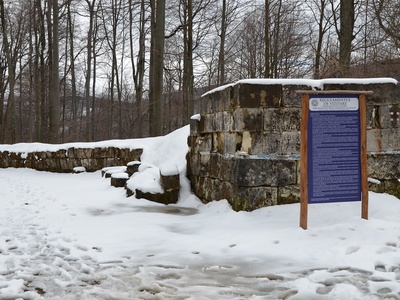
Sarmizegetusa Regia
Hilltop Dacian capital with sanctuaries, defensive terraces and stone ruins. Visitors see ritual enclosures and defensive walls while hiking through a UNESCO landscape rich in early Iron Age religious and political remains.

Costești-Cetățuie
Fortified Dacian plateau with stone walls and towers overlooking valleys. Offers dramatic views and clear examples of Dacian masonry and defensive planning, popular for history-minded hikers exploring the Orăștie fortress network.
Costești-Blidaru
Small Dacian stronghold set on a rocky spur with defensive walls and terraces. Ruins are atmospheric and less developed for tourism, giving a raw sense of ancient defensive architecture and archaeological traces.
Piatra Roșie
Strategic Dacian hillfort featuring ruined ramparts and platforms along a ridge. The site reveals defensive layout and watchpoints, rewarding visitors with panoramic mountain scenery and tangible prehistoric stonework.
Bănița Dacian Fortress
Small Dacian citadel with surviving walls and burial features; offers insight into local defensive systems and proximity to Roman battle sites, set in a quiet rural landscape attractive to explorers.
Căpâlna Dacian Fort
Hilltop Dacian fortification with ruined terraces and earthworks. Not heavily developed, the site yields a clear impression of Dacian defensive strategies and offers sweeping countryside views near Apuseni foothills.
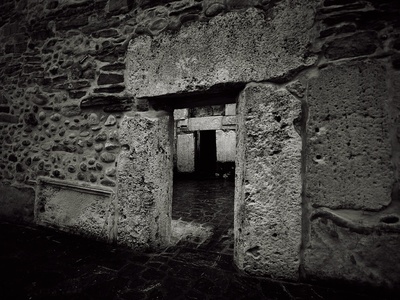
Ulpia Traiana Sarmizegetusa (Roman)
Roman colonial capital ruins with town grid traces, forum remains and fragments of public buildings. Informative panels and open trenches let visitors visualize Roman urban life atop earlier Dacian territory.
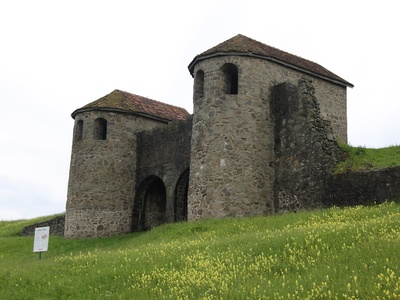
Porolissum
Large Roman castrum and vicus with exposed walls, tombs and partial excavations. Once a frontier military center, it now offers evocative ruins and a reconstructed gate area beside visible archaeological trenches.
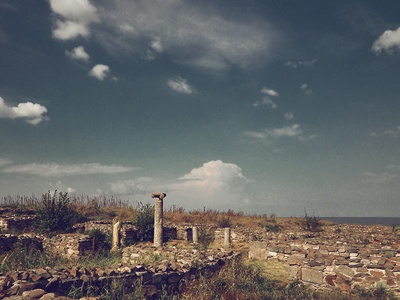
Histria
One of Romania’s oldest Greek colonies on the Black Sea with urban remains, temples, houses and harbor traces. A windswept site showcasing long occupation layers and accessible walking routes beside the lake.
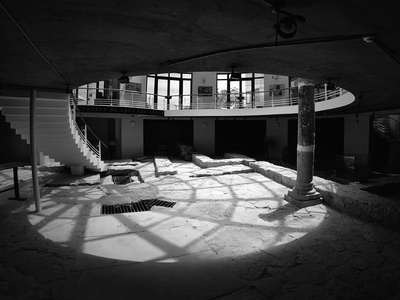
Callatis (Mangalia)
Ancient port town ruins near modern Mangalia with city walls and house foundations. Comfortable to visit from the coast, it blends seaside tourism with visible classical and Roman archaeological layers.
Argamum (Jurilovca)
Ruins of a Greek and later Roman settlement on a spit near Razim Lake. Low walls, foundations and pottery finds reveal a long maritime trade history and attract birding visitors to the wetland landscape.
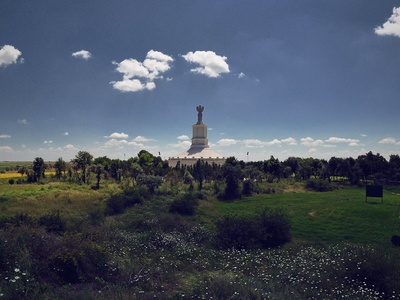
Tropaeum Traiani (Adamclisi)
Monumental Roman victory complex with partially restored trophy and surrounding ruined remains. The site interprets a major Roman triumph and adjacent archaeological remains in a quiet rural setting.
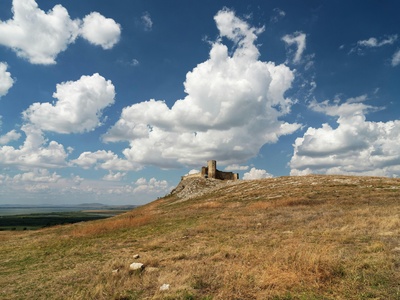
Enisala Fortress
Ruined medieval hilltop fortress overlooking Razim–Sinoe lagoons. Crumbling walls and towers create a romantic silhouette; panoramic views attract photographers and history walkers to this coastal stronghold.
Sucidava (Corabia)
Riverside Roman and later settlement with fort traces and tombs along the Danube. Archaeological remains speak of border defense and river trade; easy access from Corabia, calm riverfront ambiance.
Drobeta Roman Castrum
Ruins at Drobeta-Turnu Severin reveal a Roman military and urban presence near Trajan’s engineering works. Exposed foundations and fragments provide a tangible sense of life at a Danubian frontier hub.
Tomis ancient remains (Constanța)
Fragments of ancient Tomis are visible amid modern Constanța: mosaic floors, foundations and tombstones. Urban archaeology offers glimpses of an ancient Black Sea port layered beneath city streets.
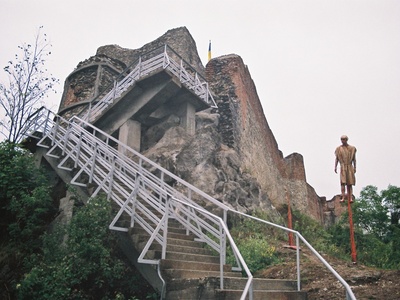
Poenari Castle
Dramatic cliff-top fortress in near-ruin perched above the Argeș valley. Famous for Vlad Țepeș associations, its ruined towers and sheer walls reward climbers with spectacular views and strong medieval atmosphere.
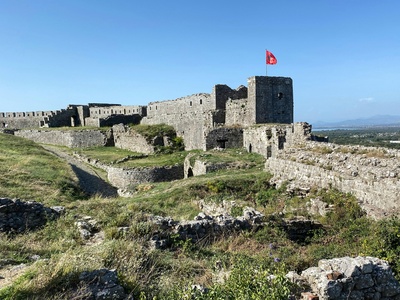
Șiria Citadel
Hilltop medieval citadel with ruined curtain walls and towers. Less-visited, it provides a raw experience of medieval fortification and sweeping Pannonian plain vistas from crumbling battlements.
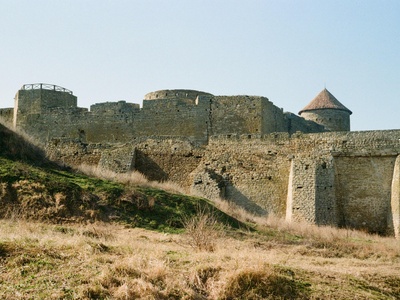
Șoimoș Citadel
Clifftop medieval fortress with ruined towers and walls overlooking Mureș Valley. Offers dramatic views and evocative stonework, popular for short hikes and photography of Transylvanian frontier ruins.
Ciceu-Cetate
Ruined medieval stronghold above the Someș plain with fragmented walls and foundations. Its secluded position and raw stone remains hint at local noble power and feudal conflicts in the region.
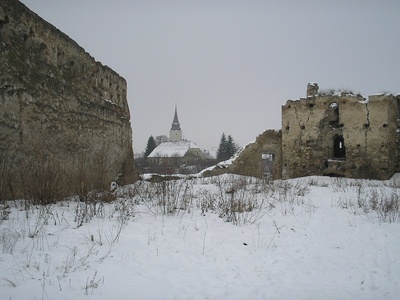
Feldioara Fortress (ruins)
Stone fortress above Feldioara village with ruined keep and ramparts. The site evokes Teutonic and medieval Saxon history, offering atmospheric walking routes and a quiet rural backdrop for exploration.
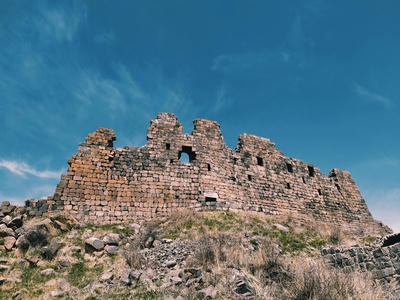
Târgșoru Vechi ruins
Ruins of a former fortified royal court and settlement near Ploiești, with earthworks and masonry fragments. The site reveals medieval administrative and defensive structures mostly visible as foundations and ruins.
Cucuteni archaeological site
Type-site of the Cucuteni culture with settlement traces and pottery scatters. Not a single dramatic ruin but an essential archaeological landscape showing Neolithic domestic structures and rich prehistoric finds.
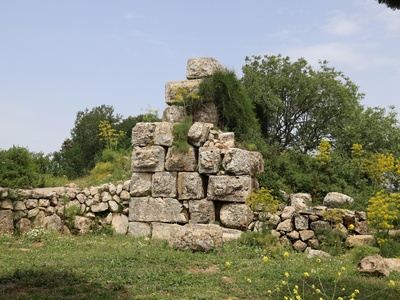
Noviodunum (Isaccea) ruins
Ancient fortified city on the Lower Danube with scattered foundations and defensive remains. Noviodunum’s ruins speak to Roman military logistics and later Byzantine occupation at a strategic river crossing.
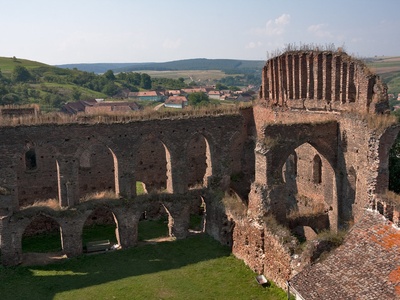
Slimnic Citadel (ruin)
Hilltop medieval citadel with surviving towers and ruined bailey. Less restored than other Transylvanian sites, it offers layered stonework, quiet countryside views and a sense of frontier fortification life.
Baia (medieval town ruins)
Remains of a former medieval Moldavian town with ruined street plans, foundations and fortification traces. Archaeological features reveal urban decline and are accessible for curious history walkers.
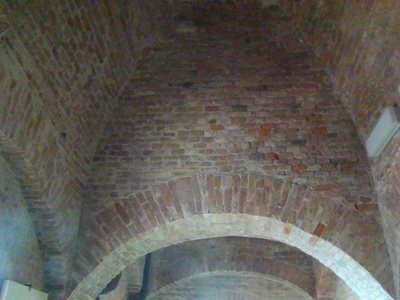
Roman Baths at Băile Herculane
Ruined Roman thermal complex embedded in a later spa town. Stone foundations, mosaic fragments and pool remnants evoke ancient bathing culture amid dramatic Carpathian valley scenery.
Capidava castrum (ruins)
Danubian Roman fort with visible defensive ditches and wall bases. Capidava’s ruins document frontier garrison life and offer an evocative riverside archaeological setting with interpretive remains.
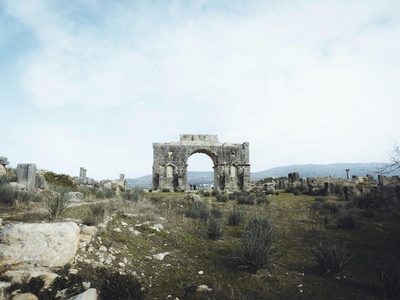
Arges Poiana Ruins (Poiana)
Cluster of ruined manor houses and small defensive works in rural Argeș county. The modest ruins speak of local nobility and changing settlement patterns, favored by visitors seeking off‑beat historical sites.
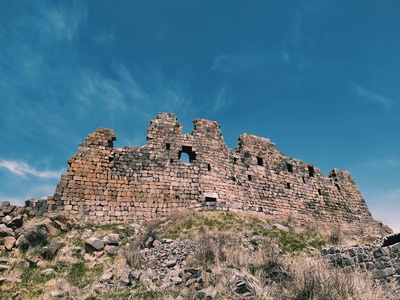
Cetatea Rucăr (ruin remains)
Small medieval stronghold with collapsed walls and foundations above the Rucăr Pass. Offers insight into local mountain defenses and scenic views along an ancient trans-Carpathian route.
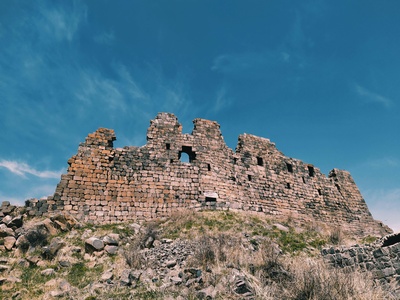
Ruins of Poiana Mărului fortress
CRumbling medieval fort remains set on a forested hill. The site yields foundations, collapsed towers and a peaceful woodland setting, attractive for hikers and those interested in obscure regional fortresses.
Ruins of the Hamangia sites
Scattered prehistoric settlement traces of the Hamangia culture near the Black Sea. Not monumental ruins but important open-air archaeological traces and pottery finds that illuminate early coastal communities.