Turkey sits at the crossroads of Europe and Asia, blending Ottoman, Anatolian and regional influences into a complex linguistic landscape shaped by history, migration and local communities.
There are 1 Official Languages in Turkey, ranging from Turkish to Turkish. For each entry, you’ll find below Status,Legal basis,Official scope so you can quickly see where the language is recognized and under what legal terms; you’ll find below the detailed list and notes.
Is Turkish the only official language used in government and public life?
Yes — Turkish is the sole official language at the national level and is used in government, courts and public education. That said, various minority languages are spoken regionally and appear in cultural and local contexts; consult the Status,Legal basis,Official scope columns below for specifics on recognition and protections.
Where can I verify the legal basis for the official language status?
Official sources include the Turkish Constitution and laws published in the Official Gazette, along with court rulings and international agreements Turkey has ratified. The Legal basis column below points to the exact statutes and documents for each entry so you can follow up directly.
Official Languages in Turkey
| Name | Status | Legal basis | Official scope |
|---|---|---|---|
| Turkish | Current national official language | Constitution, Art. 3 (1982) | National (since 1923) |
Images and Descriptions
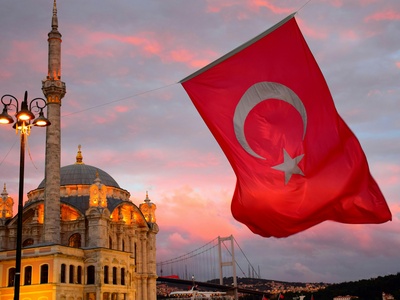
Turkish
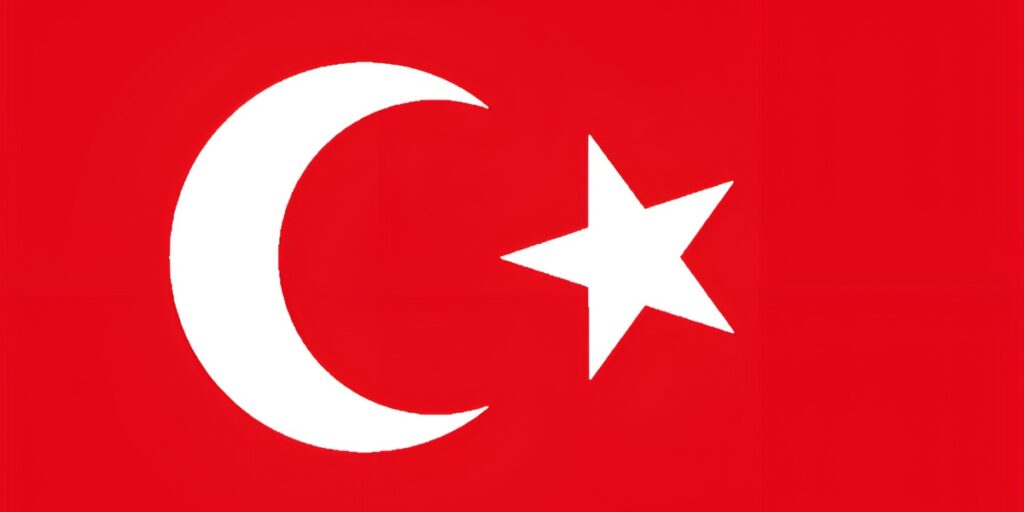
Turkish is the sole official language of the Republic of Turkey, enshrined in the constitution and used across government, courts, education, and media nationwide. Language reforms in the 1920s replaced Ottoman script with the Latin alphabet, shaping modern standard Turkish.