In 1961 Yuri Gagarin blasted off from Baikonur, a reminder that parts of Kazakhstan have been central to modern history and to big adventures for decades.
The country is often overlooked on typical Eurasian itineraries, and that’s a plus: fewer crowds and vast, varied landscapes. If you’re weighing reasons to visit kazakhstan, the mix of sweeping steppes, dramatic canyons, alpine lakes, Silk Road sites and forward-looking cities makes a compelling case.
Kazakhstan is a country of wide horizons and surprising contrasts: sweeping steppes, dramatic canyons, futuristic cities, and centuries of nomadic culture—all good reasons to visit.
Below are ten distinct reasons to plan a trip, each with concrete highlights and practical notes so you can picture an itinerary that suits your interests.
Natural Wonders & Landscapes
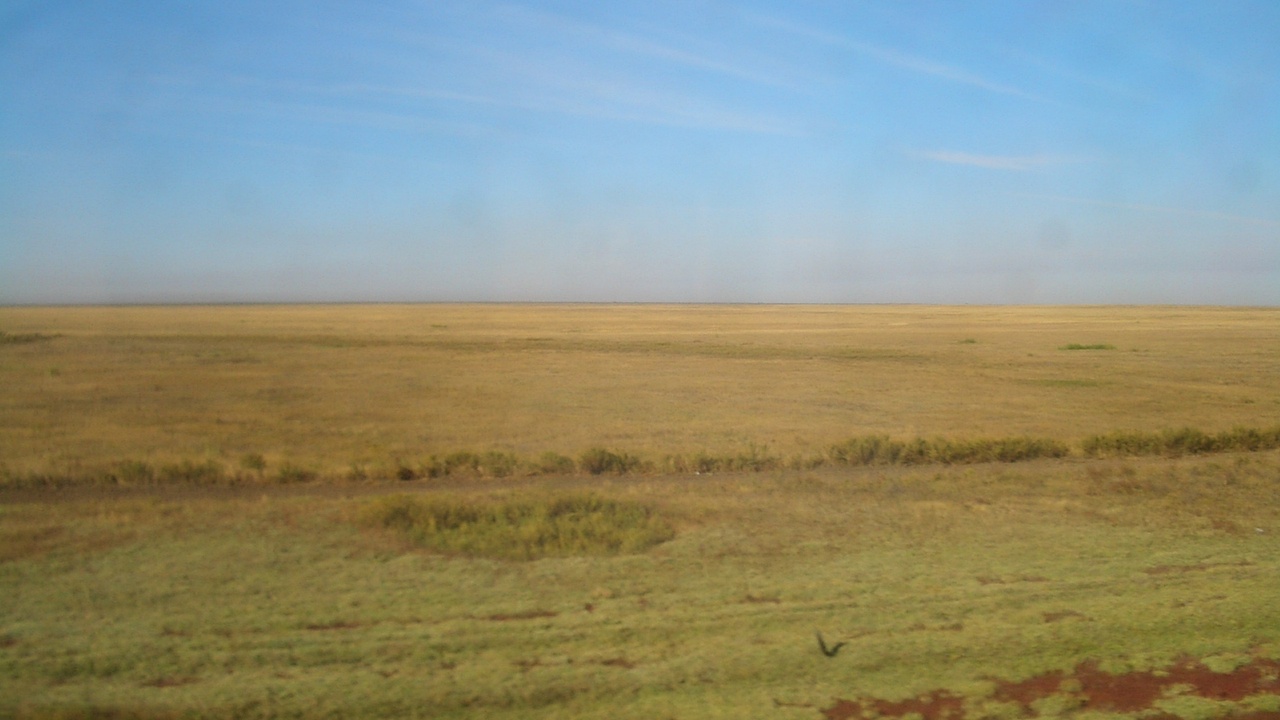
Kazakhstan’s scenery ranges from one of the world’s largest temperate grasslands to towering mountain ranges and jewel-toned alpine lakes. The scale is part of the appeal: the Kazakh Steppe covers roughly 800,000 square kilometers and stretches like an ocean of grass toward the horizon.
Photographers and nature lovers will find geological variety too—sand dunes that sing, dramatic canyons, and glacial-fed lakes—often within a few hours of a major city. Many sites sit inside protected areas, so plan visits during recommended seasons and respect local conservation rules.
1. Vast Steppes — Wide-open landscapes you won’t forget
The Kazakh Steppe is one of the world’s largest continuous temperate grasslands, covering on the order of 800,000 square kilometers of the country’s north and central regions.
Nomadic pastoralism shaped the steppe for centuries: seasonal grazing routes, horse culture and mobile dwellings remain part of daily life in many rural areas. Visitors can experience this directly by staying in a yurt camp, joining horseback treks across rolling grassland, or going birdwatching during migration seasons.
Practical example: several yurt camps a few hours from central Kazakhstan (near Karaganda or other steppe towns) offer overnight stays and guided horseback rides, giving a close-up sense of nomadic rhythms without roughing it.
2. Charyn Canyon — Dramatic, photogenic geology
Charyn Canyon’s sculpted red rock formations are often likened to a smaller, more accessible Grand Canyon. The canyon stretches for roughly 154 kilometers and reaches depths of around 200 meters in places, with the famous “Valley of Castles” offering striking spires and ridges.
It’s an easy day trip from Almaty (about a three-hour drive), with marked viewpoints and simple trails suitable for photographers and families. Early morning or late afternoon light gives the most dramatic colors, so plan for golden-hour shots and bring sun protection for exposed trails.
Guided tours from Almaty include transport, a local guide and short hikes; independent travelers can rent a car and combine Charyn with nearby natural stops for a long but rewarding day.
3. Alpine lakes and mountain ranges — Kaindy, Kolsai, Tian Shan vistas
The Tian Shan and Altai ranges deliver alpine contrast to the lowland steppe. Kaindy Lake, formed after a natural landslide in the early 20th century, is famous for dead spruce trunks rising from clear water (the lake sits at roughly 1,800–2,000 meters altitude).
The Kolsai lakes form a linked chain of turquoise reservoirs framed by forested slopes; typical hikes to the Kolsai system take a few hours one-way and suit moderately fit day-hikers, while multi-day treks are possible for longer routes.
These sites are best visited between June and September, when trails are snow-free and alpine wildflowers are in bloom. From Almaty you can arrange guided multi-day treks or day excursions that combine both nature and easy logistics.
Cultural Heritage & History
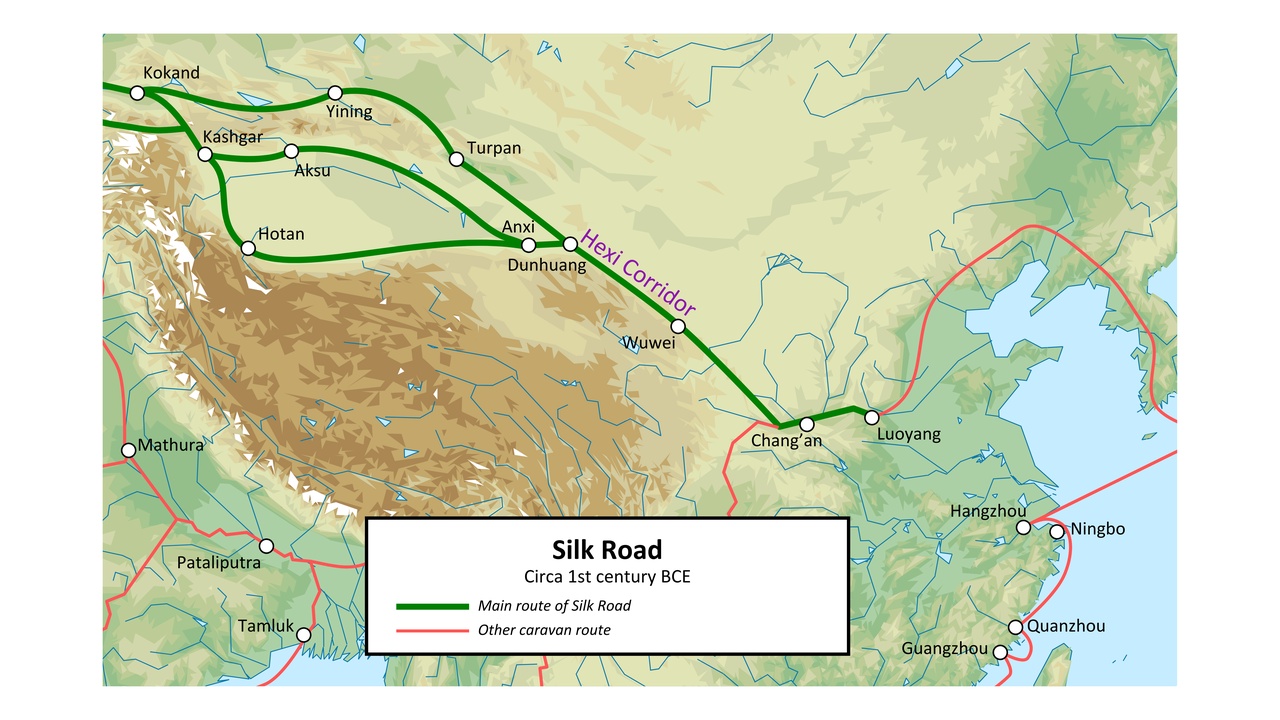
Kazakhstan sits at historical crossroads: Silk Road routes threaded this land for centuries, and nomadic traditions remain vibrant. Cultural travelers will appreciate living heritage sites, accessible museums and annual festivals that bring communities together.
From UNESCO monuments to hands-on encounters with traditional life, the country rewards visitors who want context and authenticity rather than staged performances.
4. Nomadic traditions — Yurts, cuisine, and living culture
Nomadic identity is central to Kazakh culture and visible in food, housing and horsemanship. Beshbarmak, a national dish made of boiled meat and wide noodles, is served at family gatherings and special events.
Yurt construction and horse-based activities remain practical skills in many regions. Travelers can stay in authentic yurt camps near Almaty or in the central steppe, sample traditional cuisine, and meet families who still practice seasonal herding.
Expect warm hospitality: hosts often invite guests to communal meals and demonstrations of crafts or riding, which makes these experiences memorable and educational.
5. Silk Road history and UNESCO sites — Turkestan and ancient trade routes
Kazakhstan’s Turkestan region preserves key Silk Road heritage. The Mausoleum of Khoja Ahmed Yasawi in Turkestan, a Timurid-era monument, was inscribed on the UNESCO World Heritage List in 2003 and draws pilgrims and history lovers alike.
The mausoleum dates to the late 14th century (Timurid patronage) and stands among caravanserai ruins and historic settlements that map the movement of goods and ideas across Central Asia.
Travelers can reach Turkestan by train or car from major cities and combine a visit with other regional sites for a compact cultural itinerary focused on architecture, archaeology and local markets.
6. Festivals and modern cultural life — Nauryz and contemporary arts
Nauryz, celebrated on March 21, is the Persian New Year and a major cultural moment across Kazakhstan, marked by public feasts, music, traditional games and regional rituals.
City centers and rural communities both observe Nauryz with large-scale gatherings and smaller family events. If your schedule allows, timing a visit for Nauryz offers immersive cultural access and lively street-level celebration.
Beyond festivals, cities like Almaty host galleries, theaters and museums that showcase contemporary Kazakh art and music—pair a rural cultural day with evenings in urban venues for a full picture of past and present.
Urban Experiences & Modern Cities
Kazakhstan’s urban scene presents two complementary sides: Almaty, the cultural and culinary hub framed by mountains, and Astana/Nur-Sultan, a deliberately planned capital with bold architecture and public spaces.
Both cities offer comfortable lodging, lively dining scenes and museums, and function as gateways to nearby natural attractions—making them ideal bases for mixed itineraries of culture and adventure.
7. Nur-Sultan (Astana) — Futuristic architecture and urban design
Nur-Sultan presents striking modern architecture and large public projects. Signature landmarks include Bayterek Tower and the Khan Shatyr entertainment tent, and the city features a legacy of Expo 2017 developments that shaped recent urban projects.
Visitors can follow walking circuits that highlight observation decks, contemporary museums and riverside promenades. Bayterek’s observation level offers panoramic city views and a compact introduction to the capital’s design ambition.
Plan for wide boulevards and weather extremes—winter is very cold, while summer brings long daylight perfect for exploring public art and parks.
8. Almaty — Mountains at the city’s edge, culture, and cuisine
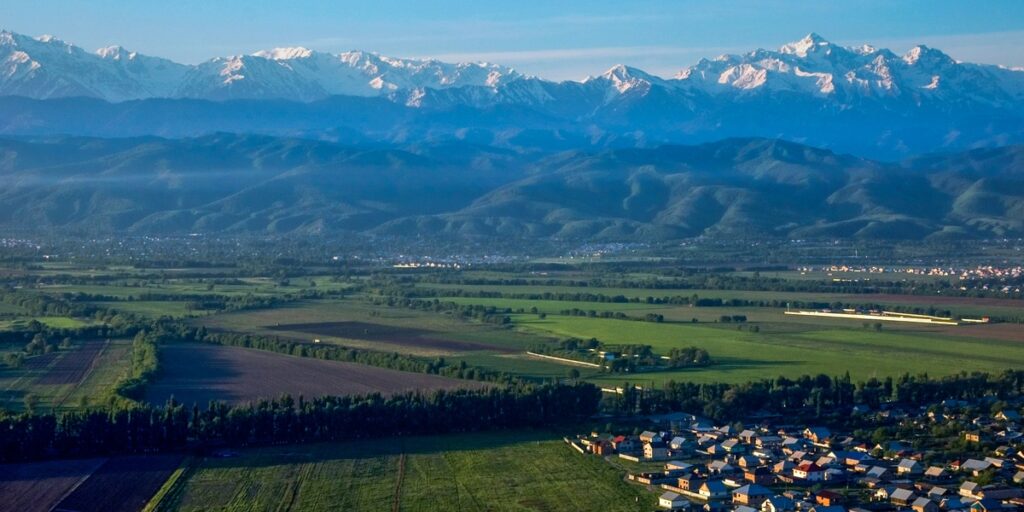
Almaty remains Kazakhstan’s cultural heart and a lively mountain gateway. The city’s population approaches two million and it combines leafy boulevards, markets and museums with quick access to Medeu and Shymbulak (the nearby rink and ski area).
A typical day might start at the Green Bazaar sampling breads and cheeses, visit Zenkov Cathedral and a museum, then spend the afternoon at Medeu or take the cable car up toward Shymbulak for alpine views and hiking.
The blend of cafes, nightlife and nearby trails makes Almaty an easy base for travelers who want urban comforts and outdoor time in the same trip.
Adventure, Eco-Tourism & Unique Experiences
Kazakhstan rewards active travelers with winter sports, trekking, wildlife viewing and rare technical visits like Baikonur Cosmodrome tours. Seasons vary: ski months contrast with prime trekking months, and some special visits require advance permits.
Sustainability-conscious travelers will find responsible options for wildlife watching and community-based tourism; always book licensed guides for remote or protected-area trips.
9. Outdoor sports — Skiing, trekking, and organized expeditions
Shymbulak, a developed ski area within easy reach of Almaty, offers groomed runs and a season that commonly runs from December through March (conditions vary by year).
In summer, the Tian Shan has day-hike options like the Kolsai and Kaindy circuits as well as longer multi-day treks for experienced mountaineers. Trails range from family-friendly walks to steep ascents requiring guide support.
Most resorts and trailheads provide equipment rental and local guiding services, so you can pair a city night with an alpine day without hauling specialized gear across continents.
10. Baikonur Cosmodrome and space history — Visit a launch site
Baikonur is a functioning spaceport and a singular tourist draw for anyone fascinated by space history. Sputnik 1 launched in 1957 from this region, and Yuri Gagarin’s 1961 flight also departed from Baikonur—milestones that shaped the modern era.
Visits to Baikonur require organized tours and advance permits; licensed operators arrange transport, hotel logistics and site access. Tours typically include a museum, views of launch pads and, when timed with a scheduled mission, a chance to witness preparations or launches.
Because security and scheduling are strict, book months ahead and be prepared for protocol and documentation requirements when joining a Baikonur tour.
Summary
Quick takeaways to remember before you go:
- Kazakhstan combines vast natural landscapes (Kaindy, Kolsai, Charyn) with living cultural traditions like yurt stays and eagle-hunting demonstrations.
- Urban contrasts—Almaty’s mountain access and Nur-Sultan’s modern architecture (Expo 2017 legacy)—make cities practical bases for mixed itineraries.
- Unique historical draws include Silk Road sites (Turkestan’s Mausoleum of Khoja Ahmed Yasawi) and space history at Baikonur (Sputnik 1957; Gagarin 1961).
- Plan seasonally: visit alpine lakes and trails from June–September, ski in winter (December–March), and book specialized tours (Baikonur, protected areas) well in advance.