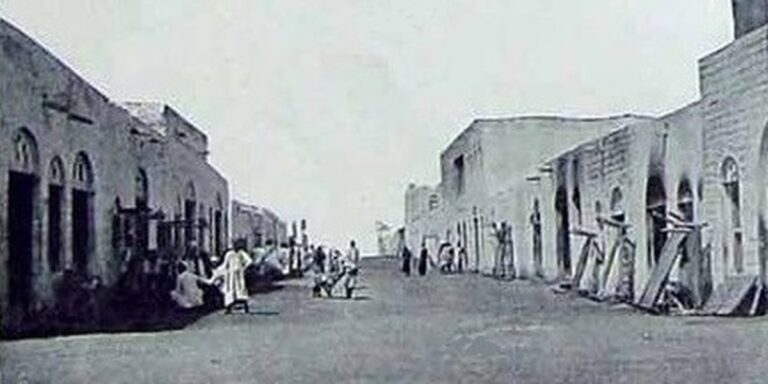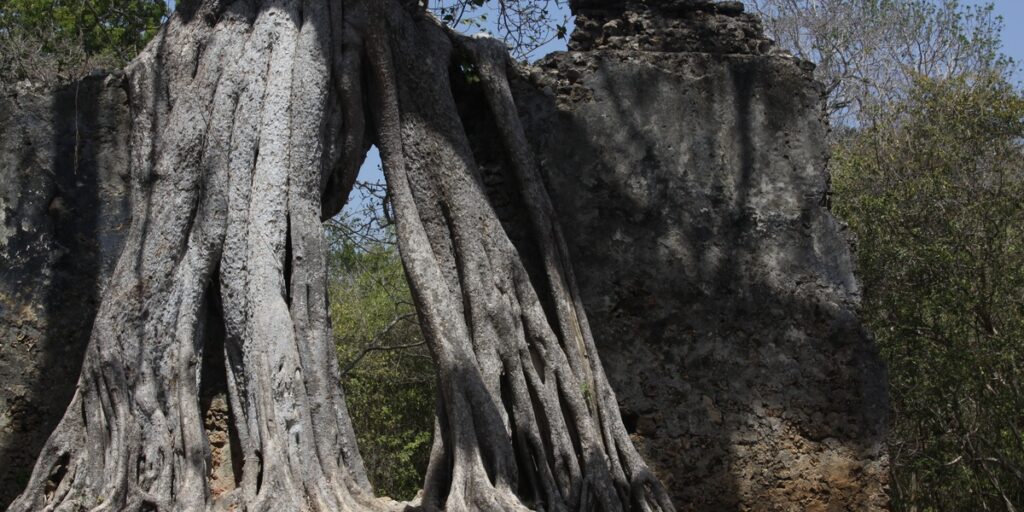
Kenya’s landscape holds layers of history — coastal trading towns, inland fortified settlements, and ritual sites that together trace centuries of human movement and exchange. Walking these ruins often reveals architectural styles, material links to distant markets, and the local stories that tie past communities to present places.
There are 10 Ruins in Kenya, ranging from Gedi Ruins on the Indian Ocean coast to Thimlich Ohinga in the Rift. For each site, you’ll find below County/Town,Period (approx),Coordinates (lat,long) to help with planning visits or quick reference — you’ll find below.
Which of these sites can I visit easily in a day trip?
Many sites are accessible for day visits, especially those near major towns or tourist routes; Gedi Ruins, for example, is a short drive from Malindi. Check opening times, entry fees, and whether a guide is required, and plan travel around seasonal road conditions. Local conservation authorities or park offices are the best sources for current visitor information.
How accurate are the periods and coordinates listed?
Periods are usually approximate, based on archaeological study and historical records, so expect date ranges rather than single years. Coordinates are given to help locate sites but can vary slightly by mapping source; use them as a guide and confirm with local signage or official maps when you arrive.
Ruins in Kenya
| Name | County/Town | Period (approx) | Coordinates (lat,long) |
|---|---|---|---|
| Gedi Ruins | Kilifi | c. 13th–17th century | -3.35,39.66 |
| Mnarani Tombs | Kilifi | c. 14th–17th century | -3.63,39.84 |
| Takwa Ruins | Lamu (Manda Island) | c. 16th–18th century | -2.30,41.01 |
| Kua Ruins | Lamu (Pate Island) | c. 14th–17th century | -2.05,40.80 |
| Shanga Ruins | Lamu (Pate Island) | c. 8th–15th century | -2.12,40.80 |
| Thimlich Ohinga | Migori | c. 14th–18th century | -0.68,34.45 |
| Hyrax Hill | Nakuru (Gilgil) | c. 3,000 BCE–1,000 CE | -0.27,36.26 |
| Olorgesailie | Kajiado | c. 1,000,000–50,000 BP | -1.86,36.35 |
| Koobi Fora | Turkana | c. 1,9–0.2 million years ago | 3.58,36.18 |
| Kaya Kinondo | Kwale | c. 16th–19th century (Mijikenda) | -4.30,39.42 |
Images and Descriptions
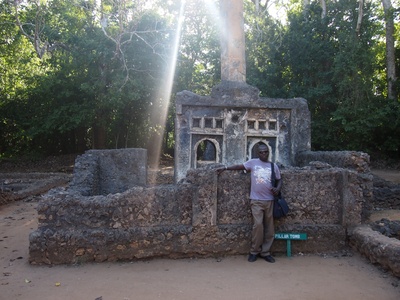
Gedi Ruins
Ruined Swahili town with coral stone walls, mosques and a palace complex. Notable for its size and mysterious abandonment; set in a forested park near Watamu. Easily visited via day trip from Malindi/Kilifi with a small museum and marked trails.

Mnarani Tombs
Two impressive maritime-era Islamic tombs and mosque ruins overlooking Kilifi Creek. Notable for carved coral-stone tombs and coastal history; popular short visit from Kilifi town. Accessible by road with panoramic creek views and local guides.
Takwa Ruins
Small Swahili stone town on Manda Island with mosque remains, houses and a fortified wall. Notable for its isolation and evocative ruins; reached by boat from Lamu, quiet site with visible foundations and visitor signage.
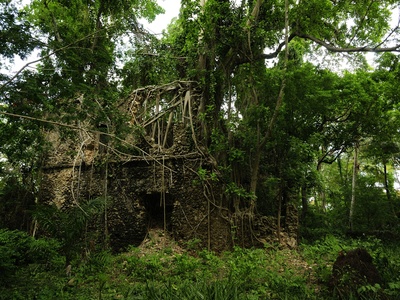
Kua Ruins
Extensive Swahili settlement on Pate Island with mosques, tombs and building platforms. Important for regional trade history and archaeology; reachable by boat from Lamu/Pate with guided walks among coral-stone ruins.
Shanga Ruins
Long-occupied Swahili settlement excavated for early Islamic-era urban life; features houses, a Great Mosque and workshops. Notable for continuous occupation evidence; open to visitors on Pate Island with interpretive findings on-site.
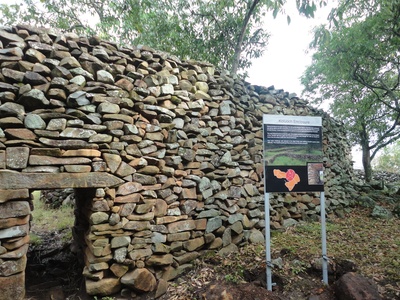
Thimlich Ohinga
A cluster of megalithic dry-stone enclosures of the Ohinga tradition, interpreted as fortified communal settlements. Notable cultural heritage in western Kenya; managed site with pathways, local caretakers and interpretive panels for visitors.
Hyrax Hill
Archaeological site with prehistoric settlement mounds, Iron Age and Neolithic remains and a small onsite museum. Notable for early farming and burial evidence; easily visited from Nakuru with trails and displays explaining finds.
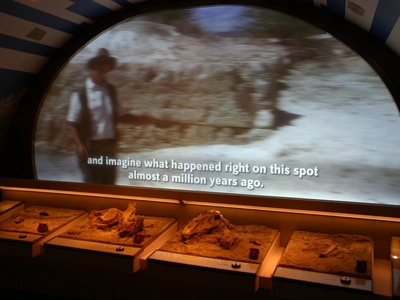
Olorgesailie
World-famous prehistoric site with Acheulean and Middle Stone Age tool beds and hominin activity. Notable for large handaxe concentrations and research history; reachable by road, with interpretive signage and nearby Olorgesailie exhibition center.
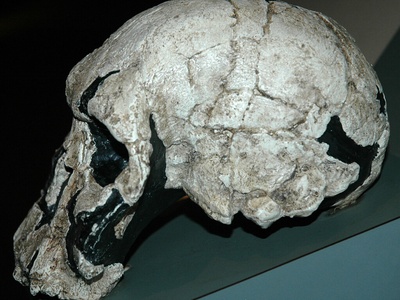
Koobi Fora
Pleistocene fossil and archaeological locality on Lake Turkana’s shores with hominin fossils and stone-tool assemblages. Notable for human evolution research; access coordinated via Turkana institutions and specialist tours, remote terrain requires planning.
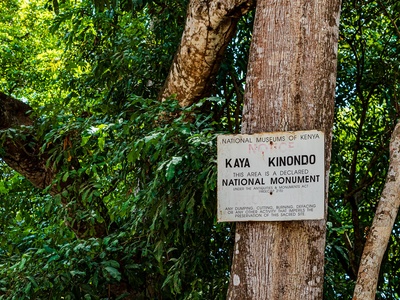
Kaya Kinondo
Sacred Mijikenda coastal forest with remains of traditional fortified settlements (kaya), shrines and ritual sites. Notable for living cultural heritage and UNESCO recognition; visit with local guides respecting rituals and forest conservation rules.