
Costa Rica’s homicide rate rose and fell in recent years, with certain cities repeatedly appearing in national police reports as crime hotspots — a surprising contrast to the country’s peaceful reputation. According to 2022 OIJ data, several cantons and ports recorded concentrated incidents that drive higher local victimization (OIJ, 2022–2023).
Understanding where crime concentrates matters for travelers planning routes, residents deciding where to live, and policymakers setting policing priorities. Local patterns vary: dense urban neighborhoods see different threats than coastal ports or transit hubs, and responses range from municipal patrols to national operations.
This article identifies eight cities where violent and property crime cluster, explains the main drivers behind those patterns, and groups the profiles into three categories — urban/metropolitan cantons, coastal/port cities, and transit/tourist gateways — to give practical safety context for residents and visitors. Where available, I reference OIJ, MSP and INEC reporting (please consult those sources for the latest counts).
Urban centers and metropolitan cantons
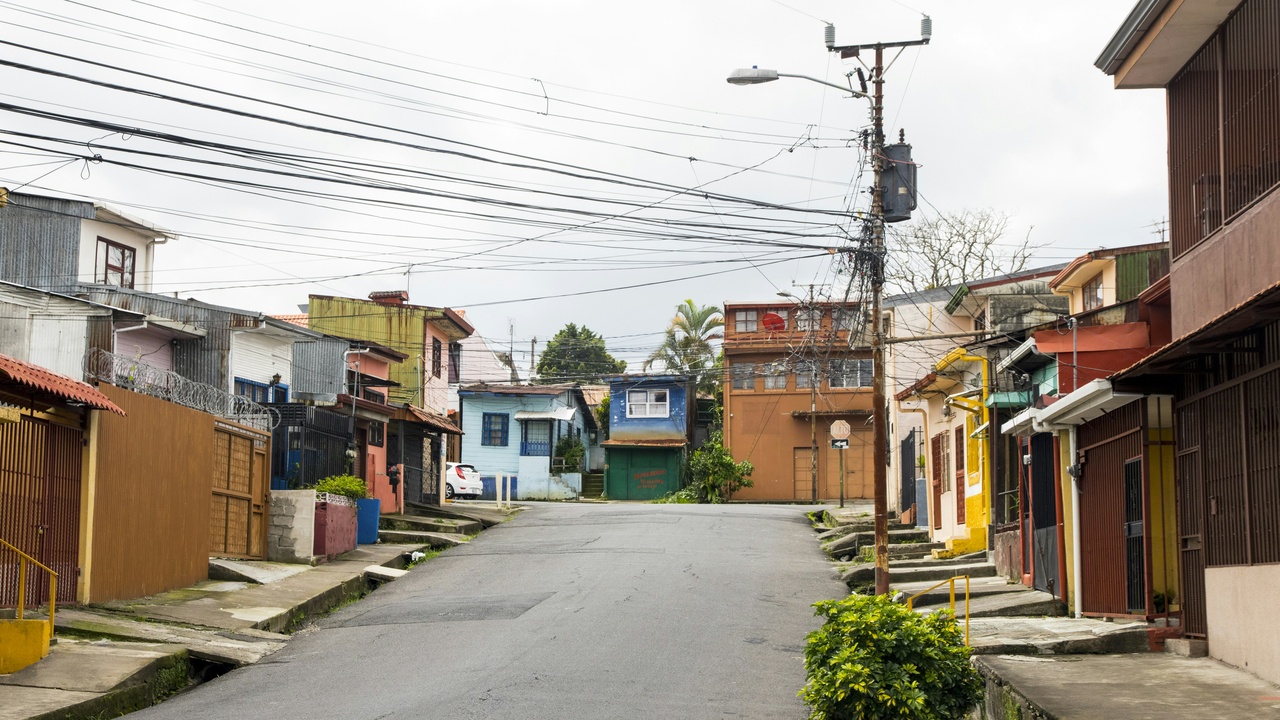
Dense urban cantons concentrate street-level violence, gang activity and theft because population density and anonymity create more opportunities for offenders. Informal settlements, limited municipal resources and major transit corridors further shape where incidents cluster (see 2022–2023 OIJ reports). Three cities in this group are profiled below.
1. San José (San José canton)
San José — the capital and largest urban center — appears on many national lists because of concentrated violent incidents and repeated pickpocketing reports at transit hubs and nightlife districts. National judicial reports for 2022–2023 show one of the highest absolute counts of reported incidents in San José canton (OIJ, 2022).
As the population and daytime commuter flows grow (INEC population figures show San José as one of the country’s most populated cantons), bus terminals, the central market and entertainment corridors become persistent hotspots for theft and occasional assaults.
Municipal responses include expanded community policing units and CCTV pilots around key plazas and transit nodes, while national police periodically run focused operations in high-incident neighborhoods (Ministerio de Seguridad Pública announcements, municipal bulletins).
2. Alajuelita (San José province)
Alajuelita, immediately southwest of central San José, is a densely populated canton with persistent issues of violent crime and documented gang presence in certain neighborhoods. OIJ and MSP reports note elevated rates of assaults and homicides relative to some neighboring cantons (OIJ, 2022–2023).
Local drivers include informal settlements, limited employment opportunities for young people, and proximity to urban transit routes that can facilitate illicit activity. These factors raise risks for commuting residents and put pressure on schools and municipal services.
Community-level programs — youth outreach, municipal safety patrols and occasional coordinated police operations — aim to reduce incidents, though results vary by neighborhood and require sustained investment (local municipal reports and MSP operation notices).
3. Desamparados (San José province)
Desamparados is a populous canton with a mix of urban and semi-rural neighborhoods; both property crime and clusters of violent incidents occur there. Judicial summaries for 2022–2023 identify several sectors within the canton with repeated reports of robberies and assaults (OIJ/MSP).
Residents commonly adapt by avoiding certain streets at night and organizing neighborhood watch groups. Local NGOs and municipal initiatives run violence-prevention programs and reintegration projects aimed at youth at risk.
Municipal authorities have supported community policing pilots and small-scale infrastructure (lighting, community centers) to reduce opportunistic crime and improve public safety in higher-risk neighborhoods (municipal statements, local press).
Coastal and port cities
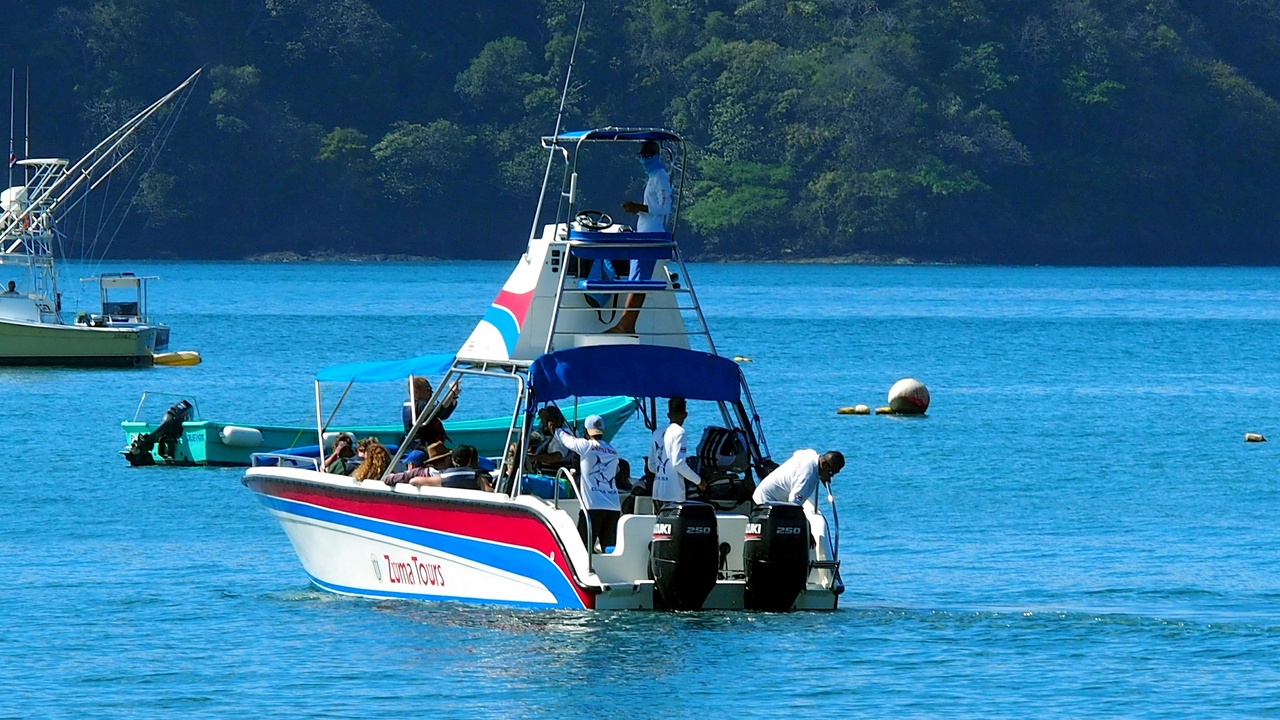
Ports and coastal cities often show higher rates of organized crime and violence because maritime cargo routes and smuggling corridors attract criminal networks. Poverty pockets near docks, informal labor markets and transit infrastructure create conditions where trafficking and related clashes are more likely (UNODC, OIJ reports).
Three port cities below illustrate how maritime transit, tourism and economic vulnerability combine to shape local crime dynamics.
4. Limón (Puerto Limón)
Limón, on the Caribbean coast, is frequently cited for elevated violent crime tied to trafficking routes and clashes between criminal groups. OIJ trend data for 2022–2023 and UNODC reporting point to the port and nearby informal settlements as focal areas for high-impact incidents (OIJ; UNODC; local outlets).
Port workers and residents near docklands face greater exposure to short-term spikes in violence; some tourist areas are insulated but others become risky after dark. National and port authorities have implemented stronger controls and targeted police operations in recent years to disrupt smuggling (MSP announcements, local press reports).
Community organizations and municipal projects also focus on alternatives for at-risk youth and improved lighting around neighborhoods closest to port infrastructure.
5. Puntarenas (Puntarenas province)
Puntarenas functions as a Pacific port and tourist gateway where opportunistic theft is common and periodic violent incidents occur. Tourism inflows (ICT and INEC visitor figures) increase exposures in market areas and beaches, especially during peak season.
Visitors should take standard precautions — secure belongings, avoid leaving valuables unattended on beaches, and be cautious at bus terminals and ferry docks where pickpocketing and bag-snatching are reported (local police advisories and municipal safety guidance).
Police operations during high-season and targeted arrests related to theft and smuggling have been reported in recent years; consult MSP or local bulletins for current advisories before travel.
6. Golfito (Puntarenas province)
Golfito is a smaller southern Pacific port town that experiences episodic spikes in violent incidents linked to smuggling and economic vulnerability. Small-sample fluctuations mean a single event can markedly change yearly statistics (OIJ mentions and local news coverage).
Economic shifts in port activity and employment influence local crime patterns; when jobs shrink, informal economies expand, increasing pressure on local law enforcement and social services.
Municipal and national policing responses, often coordinated with community programs, seek to stabilize high-risk periods, though sustained socioeconomic interventions are needed to reduce recurrence.
Transit hubs and provincial centers

Transit hubs, provincial capitals and towns near major highways concentrate both opportunistic and organized crime because bus routes, transient populations and informal commerce increase targets and anonymity. Two cities in this category are profiled below; highway robbery and bus terminal theft patterns are common themes (MSP and OIJ reporting).
7. Alajuela (Alajuela province)
Alajuela is a major provincial hub that records notable levels of property crime and occasional violent incidents along transit routes. The city’s markets, bus terminals and areas near Juan Santamaría International Airport see frequent reports of theft and robberies (OIJ/MSP summaries; INEC commuter data).
Travelers and commuters should keep valuables close, use secure transport options at night and remain vigilant in crowded terminals. Municipal safety initiatives and police coordination with airport security aim to reduce these risks, and periodic operations target known offenders.
Local authorities also invest in lighting and patrols in market districts to lower opportunistic crime and improve public confidence in commuter corridors.
8. Cartago (Cartago province)
Cartago, a historic provincial capital, occasionally appears on regional ‘most dangerous’ lists because downtown and transit corridors show concentrated incidents of theft and street-level violence. OIJ trend data and municipal reports highlight specific neighborhoods with elevated incident counts in some years.
Incidents affect commuting patterns and local commerce and tend to cluster around busy transport nodes and older downtown streets. Municipal safety campaigns — from increased beat policing to community awareness programs — target those pockets to reduce street robberies and improve public spaces.
Consult local MSP bulletins and municipal advisories for up-to-date information on neighborhood-level risks before traveling through Cartago’s central districts.
Summary
- Crime clusters in urban cantons, coastal ports and transit hubs for distinct reasons: density and anonymity, maritime trafficking routes, and transient economies around highways and terminals.
- Coastal port cities often show ties to organized trafficking, while metropolitan cantons tend to register higher absolute counts of street-level violence and theft (see OIJ/MSP reports for local figures).
- Practical steps reduce risk: avoid poorly lit or isolated areas at night, secure valuables in crowded places, and follow municipal advisories and police bulletins.
- When consulting lists of the most dangerous cities in Costa Rica, check the underlying data (OIJ, MSP, INEC) for year-to-year variation and respect local context rather than relying on single-year rankings.