The 1953 Korean Armistice left the peninsula divided and set the stage for the Democratic People’s Republic of Korea’s tightly controlled interaction with the outside world; tourism today is allowed but carefully managed. Curiosity about one of the planet’s most closed states drives many travelers to ask how far adventure can go when every step is escorted.
Despite strict rules and political sensitivities, visitors can still find genuinely unusual experiences in the DPRK — from cavernous subway stations and overnight trains to high-altitude hikes and rare festivals — provided they travel with accredited operators and follow local rules. A trusted guide (for example, Koryo Tours or Young Pioneer Tours) handles permits, schedules and etiquette, making these structured adventures possible. This guide groups ten highlights into three categories: urban highlights, nature & active adventures, and cultural & off-the-beaten-track experiences. A quick safety and ethics reminder: all visits are guided, photography and behavior rules apply, and obeying your guide is essential for your safety and respect toward hosts. If you’re curious about adventurous things to do in north korea, plan responsibly and book through established operators.
Urban Highlights: Pyongyang and City Adventures
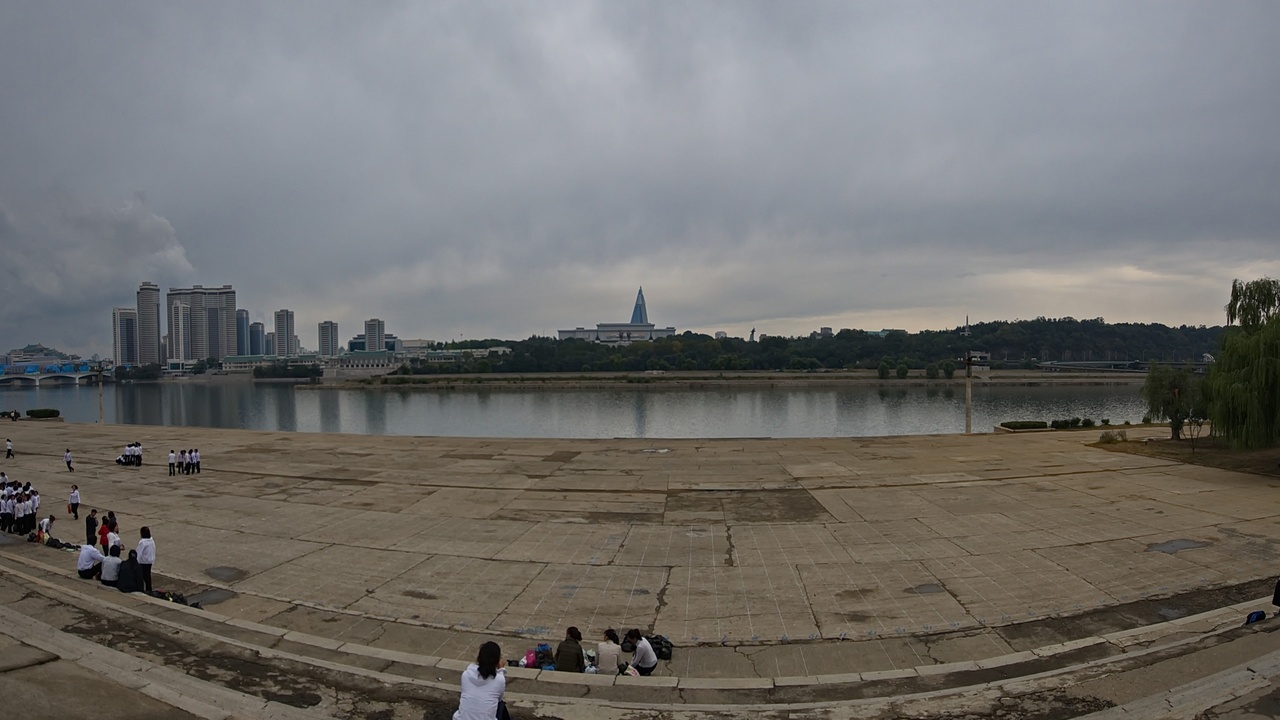
Pyongyang is the DPRK’s ceremonial face, where grand architecture, mass monuments and choreographed public spaces show a highly curated national image. City experiences blend spectacle and everyday life but are always escorted, and photography rules vary by site. Expect scripted itineraries and time windows; your operator will handle bookings and timing.
1. Ride the Pyongyang Metro (one of the deepest subway systems)
Riding the Pyongyang Metro feels like stepping into a Cold War time capsule. The system has two primary lines with roughly 17 stations, many adorned with large murals, mosaics and chandeliers, and some stations are reported to sit about 100 m below ground.
Most visitors are escorted to stations such as Puhung or Yonggwang during a city tour; these stops showcase the ornate public-art approach and near-absence of commercial advertising. Photography may be restricted at times, so ask your guide before taking pictures.
Travelers often remark on the scale of the murals and the hush between stops, a quiet contrast to more familiar subway systems and a rare window into urban routines under a planned public-design aesthetic.
2. See the Mansudae Grand Monument and Kumsusan Palace (ceremonial sites)
Mansudae Grand Monument features oversized bronze statues and a steady stream of floral offerings; Kumsusan Palace of the Sun is the official mausoleum for Kim Il‑sung and Kim Jong‑il. Both are central ceremonial stops on most Pyongyang itineraries.
Visits to Kumsusan require strict dress and behavior: quiet conduct, no hats indoors and adherence to the guide’s instructions. Some days or hours may be restricted, and photography inside mausoleums is prohibited.
For locals these sites function as active memorials; for foreigners they offer a formally managed glimpse into how national memory is displayed and maintained in public life. Tour operators typically schedule these visits in the morning to fit the day’s flow.
3. Attend a state performance or local cultural show
State-run performances and specially arranged concerts are memorable urban outings. Programs can include orchestras, choirs, the Pyongyang Circus or evening concerts at the Pyongyang Grand Theatre.
Large-scale spectacles have historic resonance: the Arirang Mass Games were last widely held in 2013 and large productions are now staged sporadically. Tour operators arrange tickets and logistics, so check schedules in advance.
Expect choreographed presentations that highlight collective discipline and national themes; these shows are useful both for their theatricality and as cultural context for everyday urban life.
Nature & Active Adventures: Mountains, Coastlines and Trains
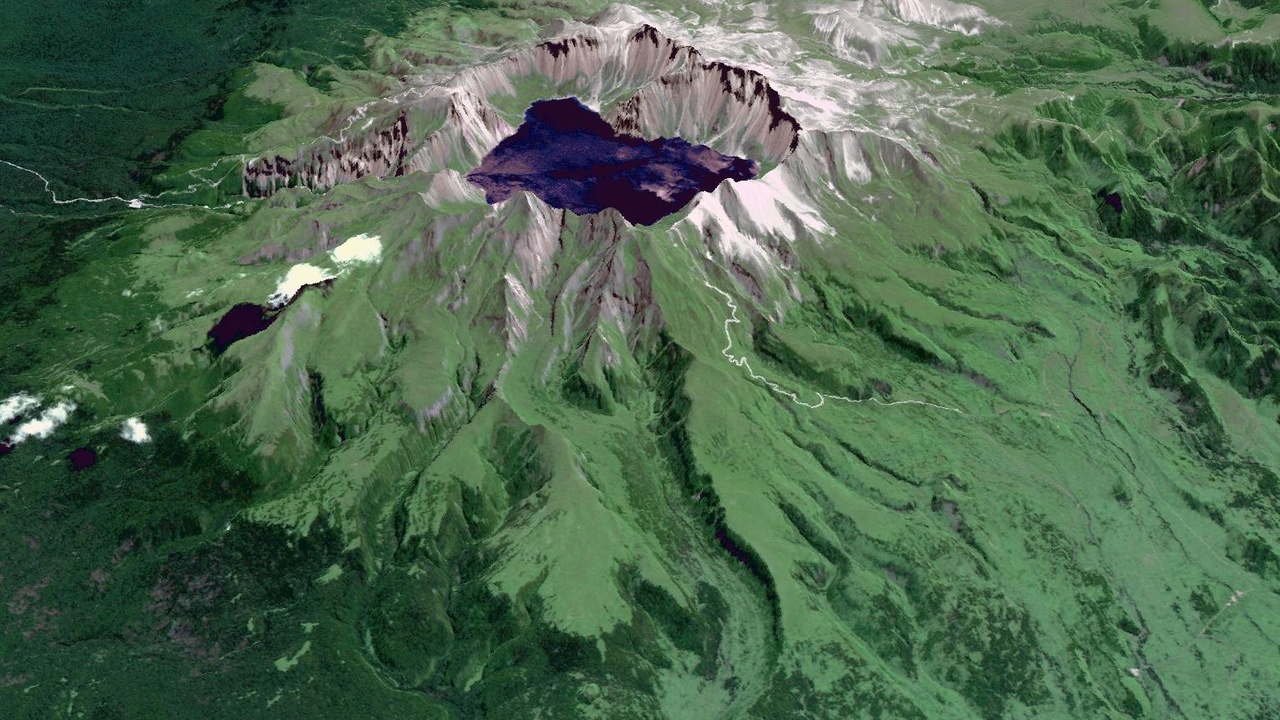
Beyond Pyongyang, the DPRK contains striking natural scenery — volcanic peaks, coastal cliffs and quiet rural plains — though access is seasonal and permission-dependent. Operators coordinate permits and transport, so plan the timing of mountain treks or coastal visits carefully.
4. Hike Mount Paektu and see Heaven Lake (high-altitude trek)
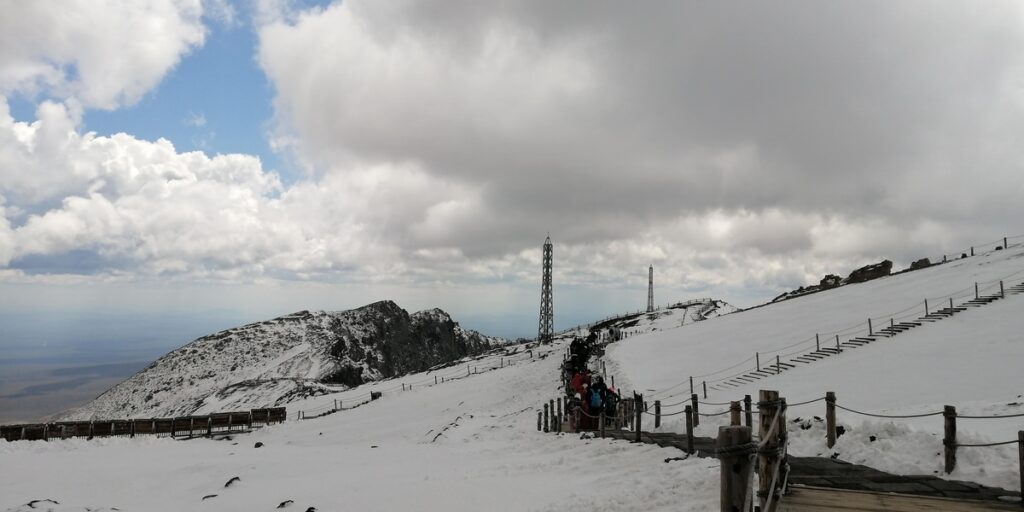
Mount Paektu (Paektusan) is the peninsula’s sacred volcanic peak, crowned by the crater lake known as Heaven Lake (Cheonji). The summit elevation is approximately 2,744 m, and the setting has deep historical and cultural significance.
Tours to Paektu are usually 2–3 days, arranged from Pyongyang or via the Chinese border, and they require permits and park fees handled by your operator. Summer months offer the easiest conditions, though mountain weather can still turn cold quickly.
Bring layered clothing for summit conditions and be aware of altitude effects; the guided trek and the crater views reward the effort with one of the DPRK’s most dramatic landscapes.
5. Trek the Mount Kumgang coastal region (when routes are open)
Mount Kumgang (Kumgangsan) is famed for its coastal cliffs, waterfalls and seaside panoramas. Access has been intermittent for diplomatic reasons, so availability changes with the political climate.
Typical visits feature day hikes of around 3–6 hours with scenic viewpoints, waterfall stops and short coastal walks. Some itineraries include ferry or sea-facing drives depending on local arrangements.
Because openings are uneven, verify current routes and timings with your tour operator well before travel; a combined drive-and-hike plan is a common, flexible option.
6. Take an overnight domestic train to see rural North Korea
An overnight domestic train is a slow, observational way to experience provincial life. Expect older rolling stock, sleeper compartments on longer routes, and stops at modest stations where farmers and small-town life appear at the platform.
Long-distance services (for example, segments linking Pyongyang with provincial cities or routes toward Rason) are booked as part of multi-day itineraries and can take many hours by timetable standards. Delays happen, so pack snacks and basic comforts.
Ask your guide before photographing locals and bring low-light camera gear for cabin windows; the rural scenery and station stops provide unhurried glimpses of daily rhythms outside the capital.
Cultural & Off-the-Beaten-Track Experiences
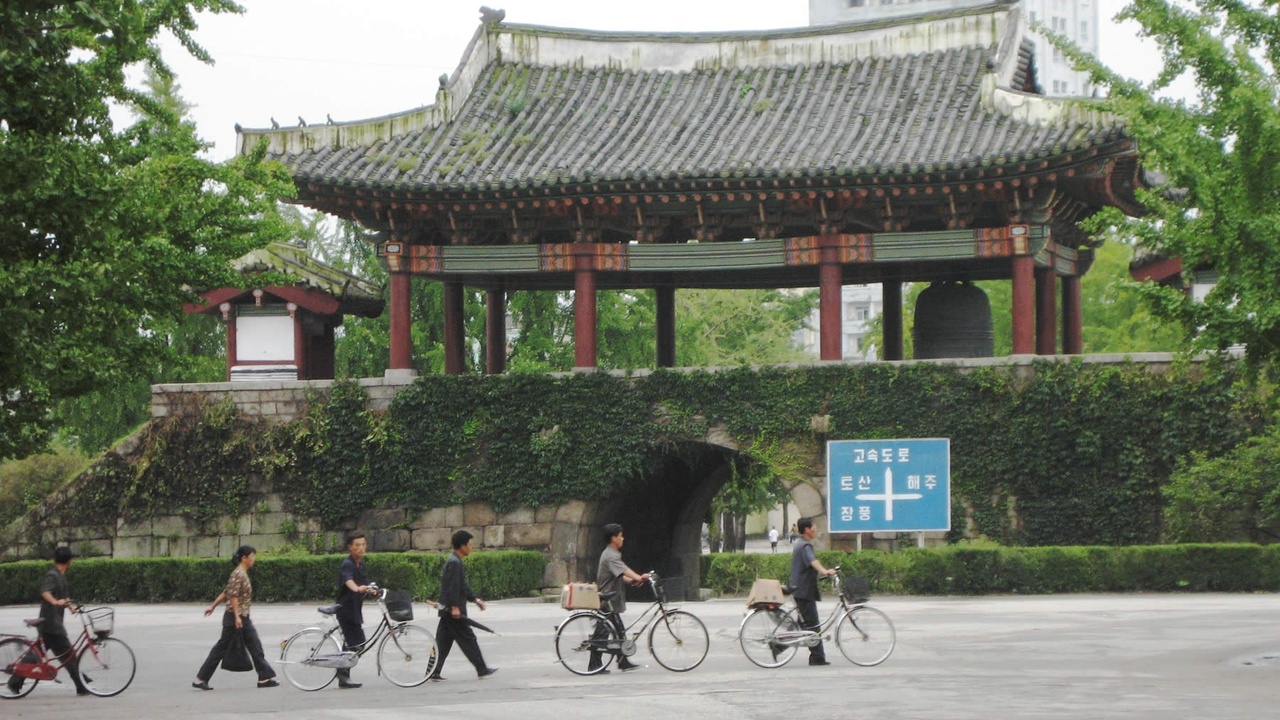
Smaller cities and border zones offer some of the DPRK’s most unusual encounters, from Kaesong’s medieval remnants to limited views near the DMZ and the distinctive Rason special economic zone. These visits require respect for local protocols and careful planning.
7. Explore Kaesong’s historic sites and traditional crafts
Kaesong, a quieter city near the DMZ, preserves Koryo-era sites and traditional craft workshops. The Koryo Museum and tombs of Koryo kings provide historical depth that contrasts with Pyongyang’s modern monumentalism.
Day trips from Pyongyang typically last 6–10 hours and include visits to hanji (traditional Korean paper) workshops and the royal tomb complexes. Lower visitor numbers make Kaesong a closer, more hands-on cultural stop.
Watching craftsmen make hanji or walking the tomb precincts offers a paced cultural experience and a sense of pre-modern Korean heritage within guided constraints.
8. Visit border sights: Panmunjom/DMZ viewpoints and propaganda villages
Border-zone visits are among the most politically charged experiences and are tightly regulated. The 1953 Korean Armistice established the DMZ, which remains a heavily monitored, symbolic frontier.
Typical stops include observation points, views of Kijong‑dong (the so-called “propaganda village”) and, on rare permitted itineraries, limited glimpses toward the Joint Security Area. Tours are scripted and safety rules are strict.
These visits can be emotionally powerful; follow guide directions exactly and never approach restricted zones. Combined or comparative DMZ visits from the southern side are sometimes offered on different programs.
9. Experience Rason: a glimpse of a special economic zone and coastal markets
Rason, on the northeast coast near China and Russia, operates with a somewhat different economic emphasis and offers coastal markets, port views and a distinct local trade atmosphere. Access typically involves extra routing and planning.
Itineraries often include train or flight connections and several days on-site; travelers see a different architectural and commercial vibe compared with Pyongyang. Street markets and waterfront scenes are common highlights.
If you’re organizing a longer program, ask your operator about the logistics for Rason and the likely transit times — the planning pays off with a varied perspective on the DPRK’s regional differences.
10. Run or watch the Pyongyang (Mangyongdae) International Marathon
The Pyongyang Marathon, often run in April and organized as the Mangyongdae Prize race, has periodically opened to foreign participants since 2014 under strict arrangements. For active travelers it presents a rare way to move through the city in an organized setting.
Entry requires pre-arranged registration through recognized organizers or your tour operator and advance visa planning. Race-day procedures are strict, so follow instructions and arrive with the required documentation.
For many visitors the marathon is more than exercise; it’s a structured chance to share an activity with locals and foreigners within tightly managed parameters.
Summary
- Travel in the DPRK offers rare, structured adventures in cities and nature — from the deep, mural‑lined Pyongyang Metro to Mount Paektu’s summit at about 2,744 m.
- All visits are regulated: work with accredited operators (for example, Koryo Tours or Young Pioneer Tours) who handle permits, schedules and local etiquette.
- Seasonal windows and diplomatic conditions affect access — plan ahead for mountain treks, Mount Kumgang visits and Rason itineraries.
- Border-zone and ceremonial stops require strict behavior: follow guides, obey photography rules and respect local customs at mausoleums and memorials.
- Research current entry rules, book through reputable operators months in advance for special events (like the Pyongyang Marathon), and prioritize safety and respect throughout your trip.