Barbados is rich in layers of history visible in its forts, plantation houses, churches and civic buildings — each site telling part of the island’s story from Indigenous presence through colonial commerce and independence. Whether you’re planning a day trip or a deeper research visit, these places offer clear connections to people, architecture and events that shaped the island.
There are 19 Historical Places in Barbados, ranging from Barbados Museum & Historical Society (St. Ann’s Fort) to Sunbury Plantation House & Museum. For each entry the data are organized with Type & era,Location (parish; coords),Visiting info,Significance, and you’ll find below.
How should I plan a route to visit several historical sites in one day?
Group sites by parish and map the provided coordinates to build a logical loop, then check opening times and any tour schedules before you go; allow extra time for longer guided tours or travel between rural locations and factor in transport options (rental car, taxi, or organized tours).
Do these historical places require advance booking or have seasonal hours?
Many sites are open year-round but hours vary—museums and plantation houses often have set visiting hours or require bookings for guided tours, and special events can change access, so confirm current times and ticketing with each site before visiting.
Historical Places in Barbados
| Name | Type & era | Location (parish; coords) | Visiting info | Significance |
|---|---|---|---|---|
| Historic Bridgetown and its Garrison | Historic port & British garrison, 17th–19th c | Saint Michael; 13.10,-59.62 | Open area; guided tours available; UNESCO World Heritage Site | UNESCO site showing colonial commerce and military history |
| Barbados Museum & Historical Society (St. Ann’s Fort) | Museum/fort, 18th c | Saint Michael; 13.10,-59.62 | Usually Tue–Sat 9am–5pm; small fee; check website | Houses national collections on Barbadian history and culture |
| George Washington House | Plantation house museum, 17th–18th c | Saint Michael; 13.10,-59.62 | Daily tours; small fee; guided storytelling available | Washington stayed here; illustrates 18th-century plantation life |
| Parliament Buildings (The Public Buildings) | Government buildings, 19th c | Saint Michael; 13.10,-59.61 | Open weekdays; guided tours on request; free | Home of one of the world’s oldest parliaments; colonial architecture |
| Nidhe Israel Synagogue Museum | Synagogue & museum, 17th–19th c | Saint Michael; 13.10,-59.61 | Museum hours vary; entry fee; guided visits possible | Restored historic synagogue and Jewish burial ground in Bridgetown |
| St. Michael’s Cathedral | Anglican cathedral, 17th–19th c | Saint Michael; 13.10,-59.62 | Open for services; limited tourist access; no fee | Major colonial-era Anglican cathedral, central to Barbadian religious life |
| Garrison Savannah | Military parade ground & racetrack, 18th–19th c | Saint Michael; 13.09,-59.62 | Open daily; events scheduled; no fee | Historic parade ground within UNESCO Garrison precinct |
| St. Nicholas Abbey | Plantation great house, 17th c (Jacobean) | Saint Peter; 13.19,-59.59 | Daily tours 10am–5pm; entry fee; rum tastings available | One of few Jacobean great houses in the Western Hemisphere |
| Speightstown Historic Area & Museum | Historic port town & museum, 17th–18th c | Saint Peter; 13.22,-59.62 | Town open; museum hours vary; small fee | Early colonial port with preserved mercantile buildings |
| Morgan Lewis Windmill | Sugar windmill, 18th c | Saint Andrew; 13.18,-59.47 | Daily 9am–5pm; small fee; guided demonstrations | Most complete restored sugar windmill on island; industrial heritage |
| Sunbury Plantation House & Museum | Plantation great house, 17th–19th c | Saint Philip; 13.08,-59.53 | Daily tours; small fee; afternoon tea available | Well-preserved colonial house with plantation-era exhibits |
| Drax Hall Great House | Plantation great house, 17th c | Saint George; 13.10,-59.51 | Occasionally open by arrangement; contact ahead | One of Barbados’s oldest estates with colonial-era architecture |
| Farley Hill National Park (House ruins) | Ruined mansion & park, 20th c ruins | Saint Peter; 13.17,-59.59 | Open sunrise–sunset; park entry fee; picnic site | Dramatic mansion ruins and panoramic coastal parkland |
| Gun Hill Signal Station | Signal station & battery, 19th c | Saint George; 13.12,-59.53 | Open daylight hours; small fee; guided history info | Highland military signal station with historic cannons and views |
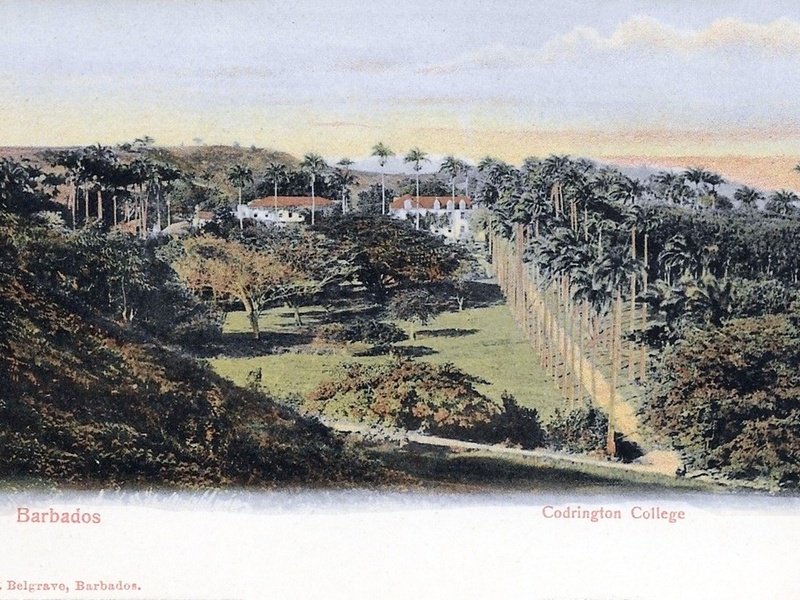
| Codrington College | Anglican theological college, 18th c | Saint John; 13.17,-59.52 | Limited access; visit by appointment | Historic theological college and colonial-era educational institution |
| Holetown Historic Area | Site of first English settlement, 1627 | Saint James; 13.18,-59.62 | Town open; plaques and walking routes; no fee | Site of island’s first English landing and early colonial settlement |
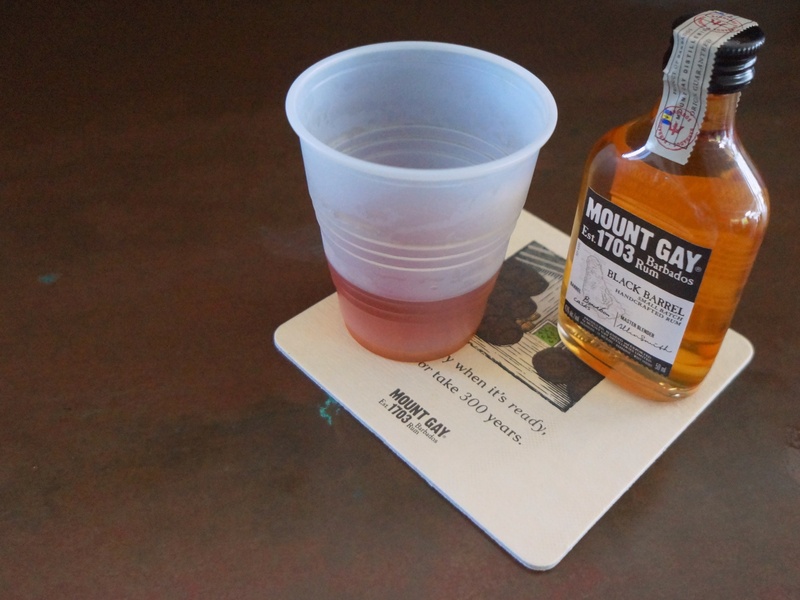
| Mount Gay Rum Distillery | Historic distillery, est. early 18th c | Saint Michael; 13.10,-59.62 | Tours daily; tasting fees apply; book ahead | Historic rum producer with continuous operations since colonial era |
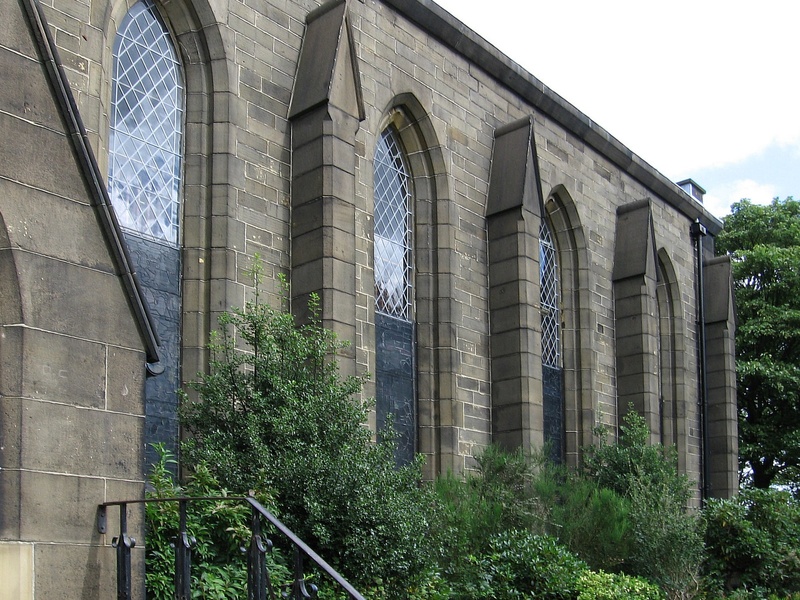
| St. John’s Parish Church (St. John’s) | Parish church, 17th–19th c | Saint John; 13.20,-59.53 | Open for services; limited tourist visits; no fee | Historic rural parish church with colonial-era features |
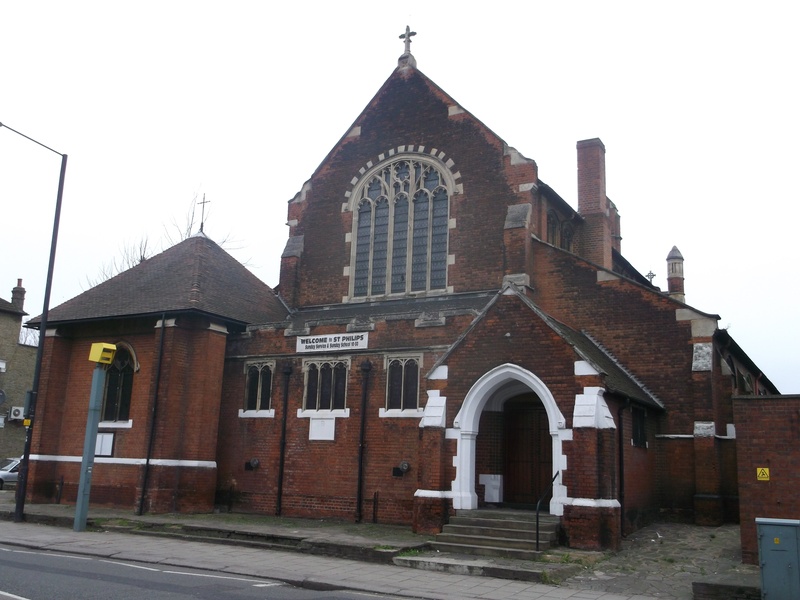
| St. Philip Parish Church (St. Philip) | Parish church, 17th–19th c | Saint Philip; 13.08,-59.48 | Open for services; visiting hours vary; no fee | Important historic parish church in eastern Barbados |
Images and Descriptions
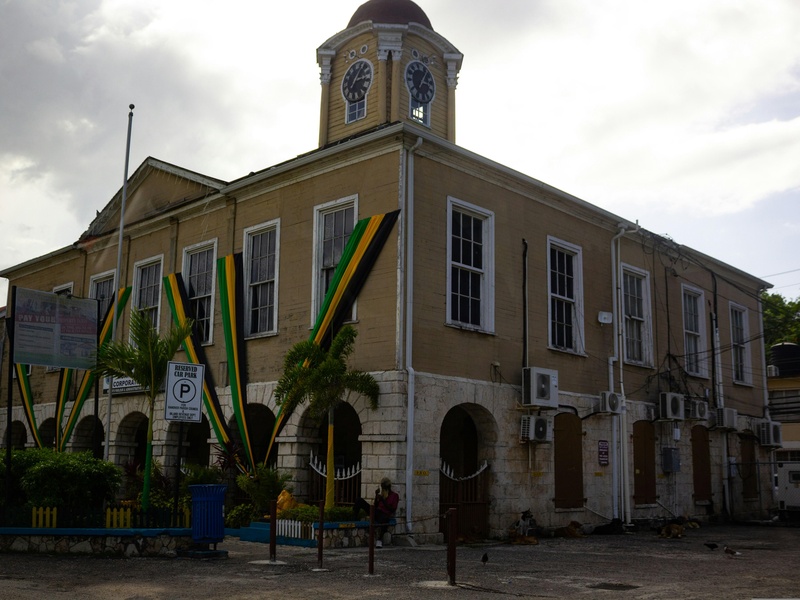
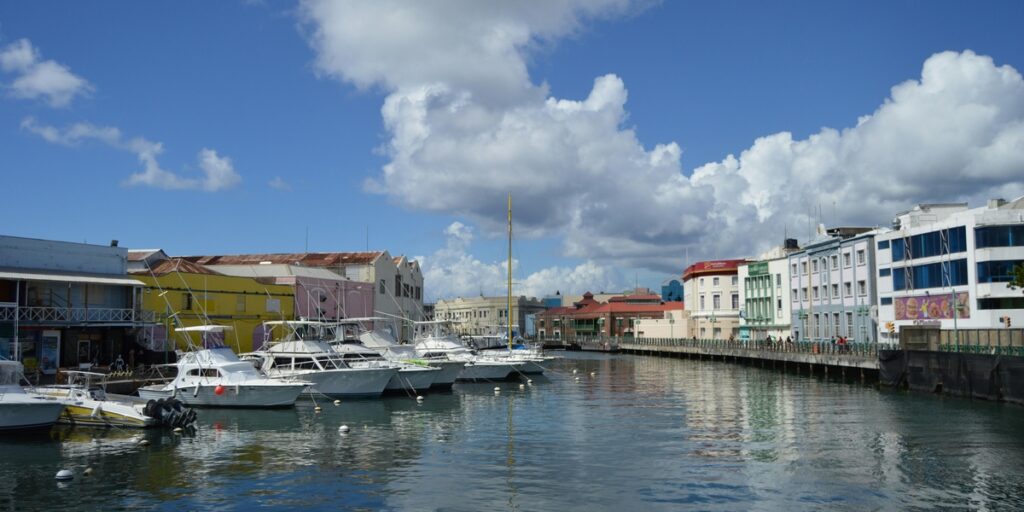
Historic Bridgetown and its Garrison
Designated a UNESCO World Heritage site, this area preserves Barbados’s colonial port and British military base from the 17th–19th centuries. It contains forts, parade grounds, old warehouses and Georgian architecture. It explains Barbados’s role in Atlantic trade and military history. It supports walking tours and museums. Verify tour times and access rules before visiting.

Barbados Museum & Historical Society (St. Ann’s Fort)
Housed in a former British fort, this museum presents Barbados history from Amerindian times through colonial sugar and independence. Exhibits include maps, plantation artifacts, costumes and military items. It serves as a research center and public museum. Check opening hours and temporary exhibit information before arrival.
George Washington House
This 18th-century house marks the place where a young George Washington stayed during a 1751 visit. The building has period rooms and objects that show colonial life. It connects Barbadian history to broader Atlantic stories. Confirm guided tour times and any entry fees prior to visiting.
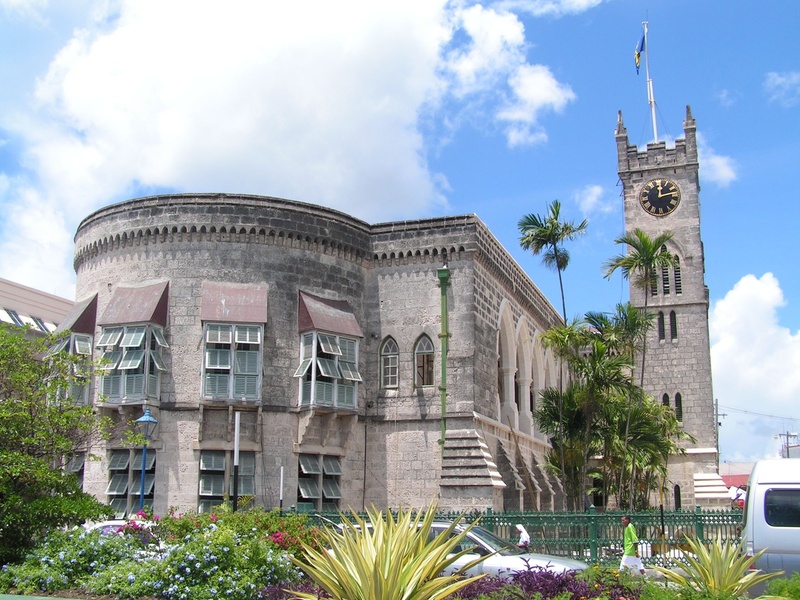
Parliament Buildings (The Public Buildings)
These ornate Gothic-Revival buildings in central Bridgetown date to the 1870s and house Barbados’s Parliament. They symbolize the island’s political history and colonial governance. Visitors may view the exterior and attend public sittings when Parliament meets. Observe official schedules and security rules.
Nidhe Israel Synagogue Museum
One of the oldest synagogues in the Western Hemisphere, this site reflects the island’s Jewish community history from the 17th century. The museum preserves religious objects, tombstones and a restored mikveh. It highlights the diversity of Barbadian society. Note limited opening hours and guided tour opportunities.
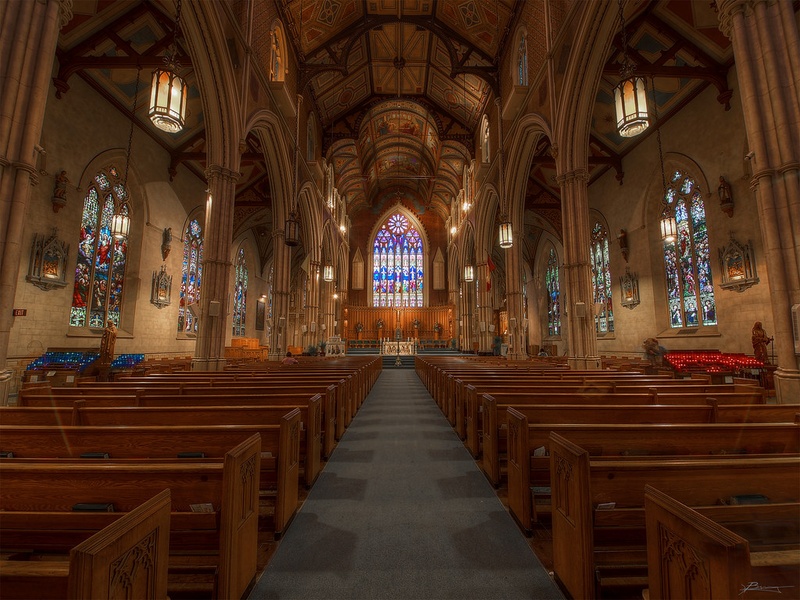
St. Michael’s Cathedral
This Anglican cathedral stands on a historic site used for worship since the 17th century. The current building shows Gothic influences and contains memorials, stained glass and old grave markers. It functions as a religious and community landmark. Respect service times and church rules when visiting.
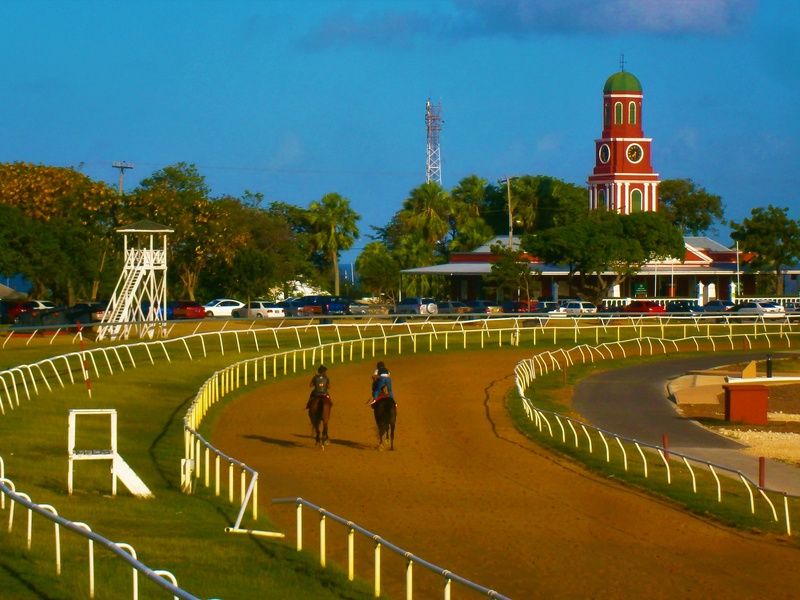
Garrison Savannah
This large parade ground and racetrack sits within the old military garrison area. It holds historic buildings, officers’ quarters and ceremonial spaces from the British garrison era. The site hosts horse races, public events and heritage tours. Check event calendars and visitor access in advance.
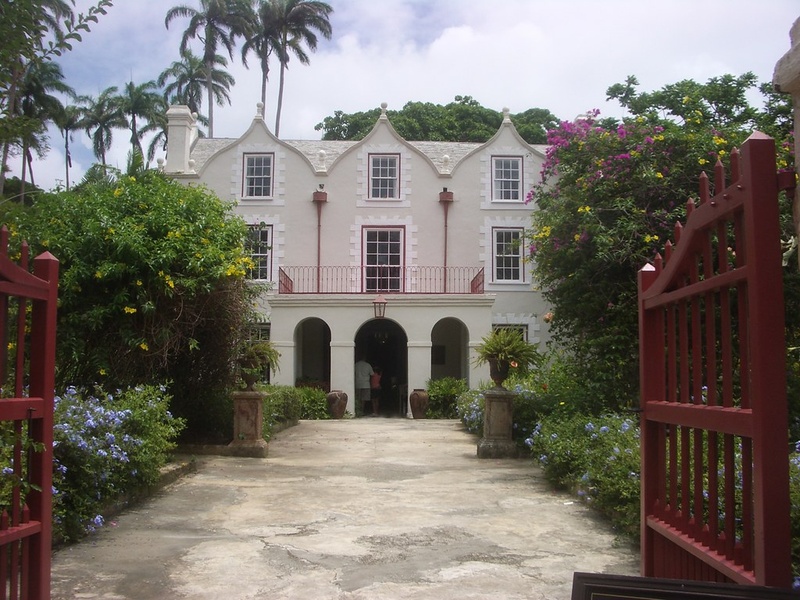
St. Nicholas Abbey
This elegant plantation house shows Jacobean-style architecture and sugar-plantation history. It dates to the 17th–18th centuries and includes restored rooms, gardens and a small rum distillery. The property explains plantation life and sugar production. Tours and rum tastings are available; confirm times and booking needs.
Speightstown Historic Area & Museum
Speightstown preserves a compact colonial townscape with merchants’ houses and a local museum. The area served as an early port and merchant center for northern Barbados. The museum documents local trade, culture and notable residents. Enjoy walks, galleries and seasonal events; check opening hours.
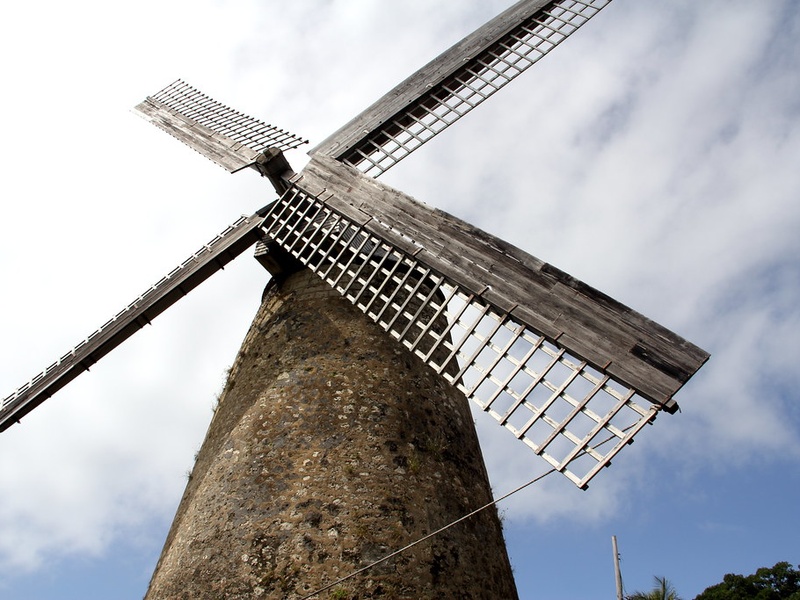
Morgan Lewis Windmill
This working 18th-century windmill stands as one of the best-preserved sugar-milling engines on the island. It demonstrates traditional cane processing with stone and wooden mechanisms. The site offers a clear link to plantation-era industry. Guided visits explain the mill’s mechanics and history; verify access times.
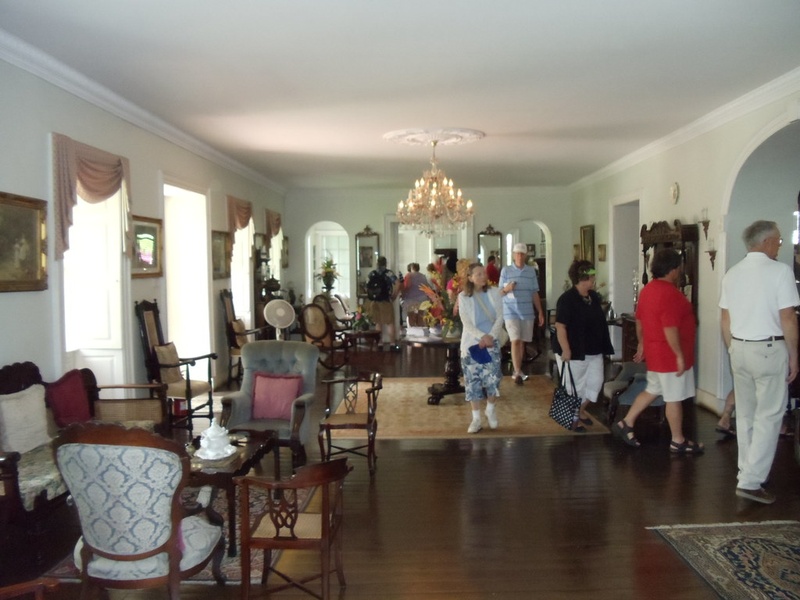
Sunbury Plantation House & Museum
Sunbury is a restored Georgian plantation house with period furniture and manicured grounds. It illustrates planter life and plantation architecture from the 18th and 19th centuries. The property hosts exhibits, afternoon teas and cultural events. Confirm tour schedules and event bookings before attending.
Drax Hall Great House
Drax Hall is one of the oldest identified plantation estates on the island, with origins in the 17th century. The great house and grounds reflect long-term plantation development and local family histories. The site contributes to understanding sugar economy and landholding patterns. Visiting details vary; check ahead for tours.
Farley Hill National Park (House ruins)
This park preserves the dramatic ruins of a grand 19th-century mansion set on cliff-top grounds. The site combines natural views with cultural memory about plantation elites and later estate life. It now functions as a public park and event space. Bring water, sun protection and check for special event closures.
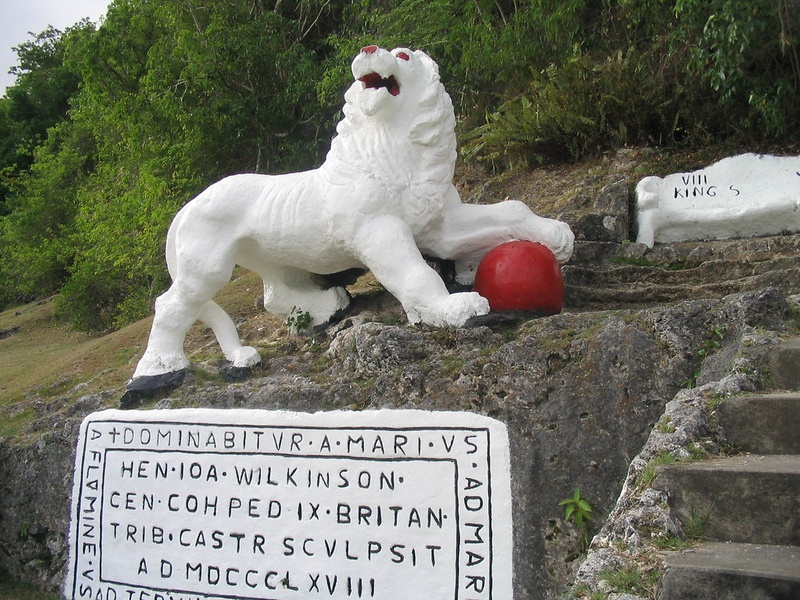
Gun Hill Signal Station
This restored 19th-century signal station sits on high ground and once relayed messages across the island and to ships. The site offers panoramic views and displays about colonial military communications. It illustrates strategic defense and island-wide signaling systems. Confirm opening hours and any guided interpretation services.
Codrington College
Founded in the early 18th century, Codrington College is one of the oldest Anglican theological colleges in the Americas. Its buildings show Georgian architecture and house historic chapels and archives. The college links religious training to the island’s social history. Respect academic schedules and access policies when visiting.
Holetown Historic Area
Holetown marks the island’s first English landing and early settlement in the 17th century. The area contains historic churches, monuments and preserved merchant houses. It plays a key role in stories about colonization and early trade. Look for plaques, museums and heritage trails; check local opening times.
Mount Gay Rum Distillery
Claiming long rum-making traditions, this distillery interprets Barbados’s central role in rum production and sugar history. The site offers tours that explain fermentation, distillation and aging processes. Tastings and shop sales often form part of visits. Book tours ahead and confirm age or ID requirements.
St. John’s Parish Church (St. John’s)
This parish church stands on a long-used worship site with colonial-era architecture and memorials. The building and churchyard record local family histories and community life. It serves as both a religious center and a heritage landmark. Observe service times and access rules for visitors.
St. Philip Parish Church (St. Philip)
This church occupies a historic parish site with notable architecture and grave markers. It reflects rural parish life and local social history across centuries. The church offers insight into community traditions and family memorials. Check service schedules and visitor accessibility.