From colonial towns with cobbled alleys to riverfront markets that still hum with trade, Brazil’s past is visible in its buildings, rituals and street life. Each place tells a regional story shaped by Indigenous, African and European influences, so visiting them gives a layered sense of the country beyond postcards.
There are 35 Historical Places in Brazil, ranging from Alcântara Historic Centre to Ver-o-Peso Market. For each entry the list shows Location (city/state),Era (century),Why notable (max 15 words) — you’ll find below the full list and concise details.
How should I plan visits to multiple historical sites across Brazil?
Group sites by region and allow travel time between states; Brazil is vast. Check opening hours and guided-tour options, book longer stays where transport is limited, and prioritize sites that need reservations or have seasonal access.
Are there common accessibility or preservation rules I should know before visiting?
Many sites have uneven surfaces, narrow streets or limited ramps, so check accessibility info in advance. Follow onsite rules (no touching artifacts, photography limits), respect local customs, and consider local guides to reduce impact and get proper context.
Historical Places in Brazil
| Name | Location (city/state) | Era (century) | Why notable (max 15 words) |
|---|---|---|---|
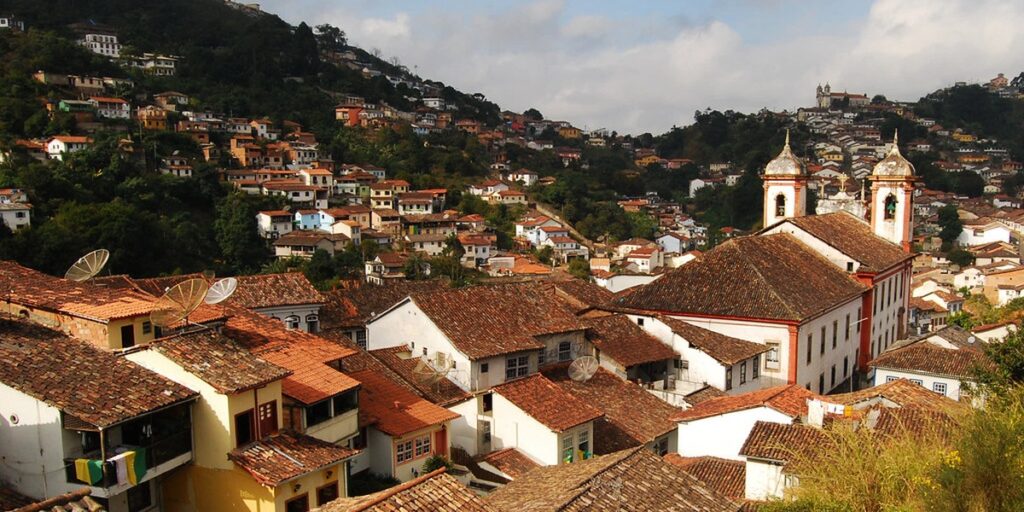
| Ouro Preto | Ouro Preto, Minas Gerais | 18th century | Colonial mining town, Baroque churches, UNESCO World Heritage |
| Salvador Historic Centre | Salvador, Bahia | 17th-18th century | Colonial capital, Afro-Brazilian culture, UNESCO World Heritage |
| Olinda | Olinda, Pernambuco | 17th century | Well-preserved colonial town and churches, UNESCO World Heritage |
| Brasília | Brasília, Federal District | 20th century | Modernist planned capital by Niemeyer and Costa, UNESCO World Heritage |
| São Luís Historic Centre | São Luís, Maranhão | 17th-19th century | Portuguese colonial architecture, UNESCO World Heritage |
| Bom Jesus do Congonhas | Congonhas, Minas Gerais | 18th century | Aleijadinho sculptures and Baroque sanctuary, UNESCO World Heritage |
| Serra da Capivara National Park | São Raimundo Nonato, Piauí | Prehistoric | Rock art and archaeological sites, UNESCO World Heritage |
| São Francisco Square (São Cristóvão) | São Cristóvão, Sergipe | 18th-19th century | Portuguese colonial urban ensemble, UNESCO World Heritage |
| Diamantina | Diamantina, Minas Gerais | 18th century | Diamond‑mining colonial town, UNESCO World Heritage |
| Valongo Wharf | Rio de Janeiro, Rio de Janeiro | 19th century | Archaeological slave‑trade port remains, UNESCO World Heritage |
| Rio de Janeiro Carioca Landscapes | Rio de Janeiro, Rio de Janeiro | 19th-20th century | Cultural landscape including Corcovado and Sugarloaf, UNESCO World Heritage |
| São Miguel das Missões | São Miguel das Missões, Rio Grande do Sul | 17th-18th century | Ruins of Jesuit‑Guarani mission settlement, UNESCO World Heritage |
| Paraty Historic Centre | Paraty, Rio de Janeiro | 17th-18th century | Colonial port town with preserved streets and churches, IPHAN-listed |
| Tiradentes | Tiradentes, Minas Gerais | 18th century | Colonial town with Baroque churches and mining history, IPHAN-listed |
| São João del Rei | São João del Rei, Minas Gerais | 18th century | Historic mining town with colonial churches and heritage tram |
| Mariana | Mariana, Minas Gerais | 18th century | First capital of Minas Gerais, colonial architecture and mining heritage |
| Pampulha Modern Ensemble | Belo Horizonte, Minas Gerais | 20th century | Niemeyer‑designed modernist complex, architectural landmark, IPHAN-listed |
| Forte dos Reis Magos | Natal, Rio Grande do Norte | 16th century | Star‑shaped colonial fort guarding Natal harbor, national heritage |
| Fortress of São José de Macapá | Macapá, Amapá | 18th century | Riverine fortress protecting Amapá, national heritage |
| Petrópolis Historic Centre | Petrópolis, Rio de Janeiro | 19th century | Imperial‑era town with palace and museums, national heritage |
| Alcântara Historic Centre | Alcântara, Maranhão | 18th century | Colonial ruins and restored center with slave‑era history, IPHAN-listed |
| Forte de Copacabana | Rio de Janeiro, Rio de Janeiro | 20th century | Coastal fortress and military museum, historic seaside landmark |
| Historic Centre of Goiás Velho | Goiás Velho, Goiás | 18th century | Preserved gold‑route town with Baroque churches, UNESCO World Heritage |
| Recife Antigo | Recife, Pernambuco | 17th-18th century | Old port district with Dutch and Portuguese colonial heritage |
| Ver-o-Peso Market | Belém, Pará | 17th-19th century | Historic riverside market and colonial port area, city landmark |
| Anhatomirim Fortress | Florianópolis, Santa Catarina | 18th century | Island fortress guarding the coast, military architectural heritage |
| São Francisco do Sul Historic Centre | São Francisco do Sul, Santa Catarina | 18th century | One of Brazil’s oldest towns, colonial port and preserved buildings |
| São Bento Monastery | São Paulo, São Paulo | 17th century | Historic Benedictine monastery, significant religious and cultural site |
| Church of São Francisco (Salvador) | Salvador, Bahia | 18th century | Lavishly gilded Baroque church, major colonial art landmark |
| Church of Saint Francis of Assisi (Ouro Preto) | Ouro Preto, Minas Gerais | 18th century | Signature Baroque church by Aleijadinho, artistic masterpiece |
| Cathedral of Brasília | Brasília, Federal District | 20th century | Modernist cathedral by Niemeyer, architectural icon of Brasília |
| São Vicente Historic Site | São Vicente, São Paulo | 16th century | Site of Brazil’s earliest Portuguese settlement and colonial fortifications |
| Ingá Stone | Ingá, Paraíba | Prehistoric | Large prehistoric rock inscriptions, important archaeological site |
| Theatro Amazonas | Manaus, Amazonas | 19th century | Lavish opera house from rubber‑boom era, Amazonian architectural landmark |
| Pátio do Colégio | São Paulo, São Paulo | 16th century | Founding site of São Paulo and Jesuit college, colonial landmark |
Images and Descriptions
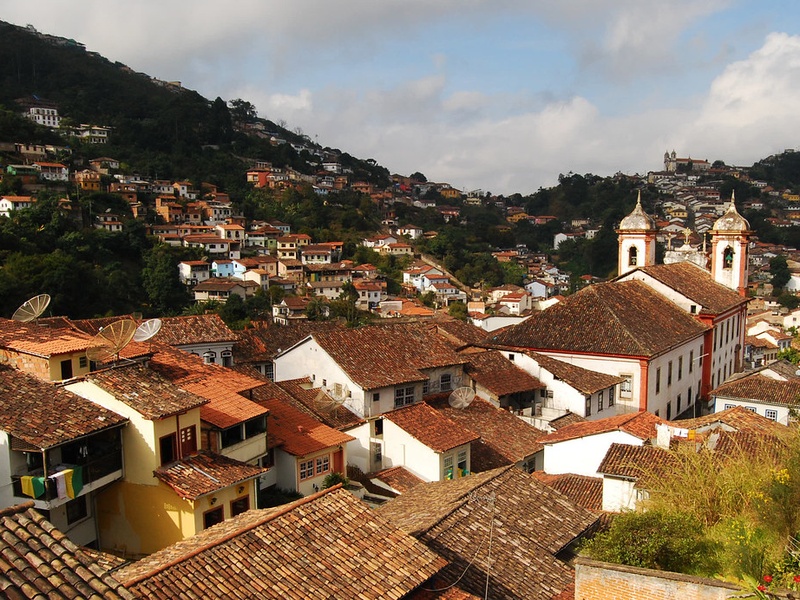
Ouro Preto
Located in Minas Gerais, Ouro Preto is an 18th-century mining town. It preserves baroque churches, colonial mansions, and cobbled streets. UNESCO lists the town for its baroque architecture and mining-era heritage. It illustrates Brazil’s gold rush era and colonial urban life. Include for its rich art and preserved streetscape.
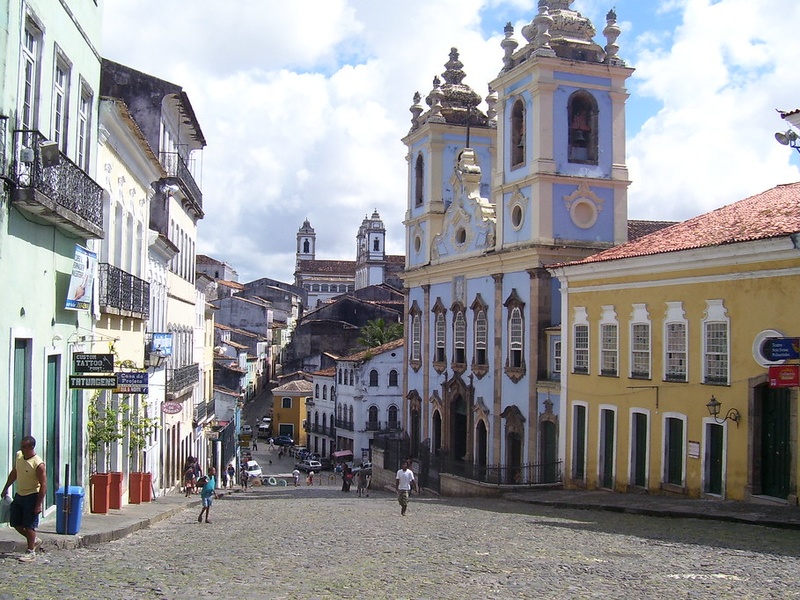
Salvador Historic Centre
Located in Bahia, the Historic Centre (Pelourinho) dates to the 16th–18th centuries. It preserves Portuguese colonial architecture, churches, and Afro-Brazilian cultural sites. UNESCO recognizes it for cultural value and urban fabric. It shows early colonial urban planning and cultural fusion. Note steep streets and colorful facades.
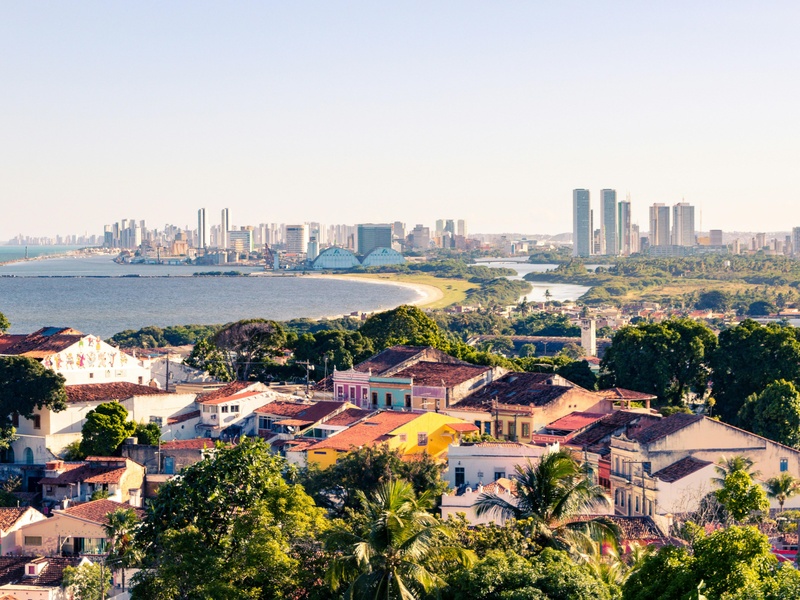
Olinda
Located in Pernambuco, Olinda is a 16th–17th-century hilltop town. UNESCO lists it for its colonial churches, convents, and preserved town plan. It retains historic public squares and vibrant religious festivals. It represents Portuguese colonial urbanism and baroque art. Include for its views and compact historic center.
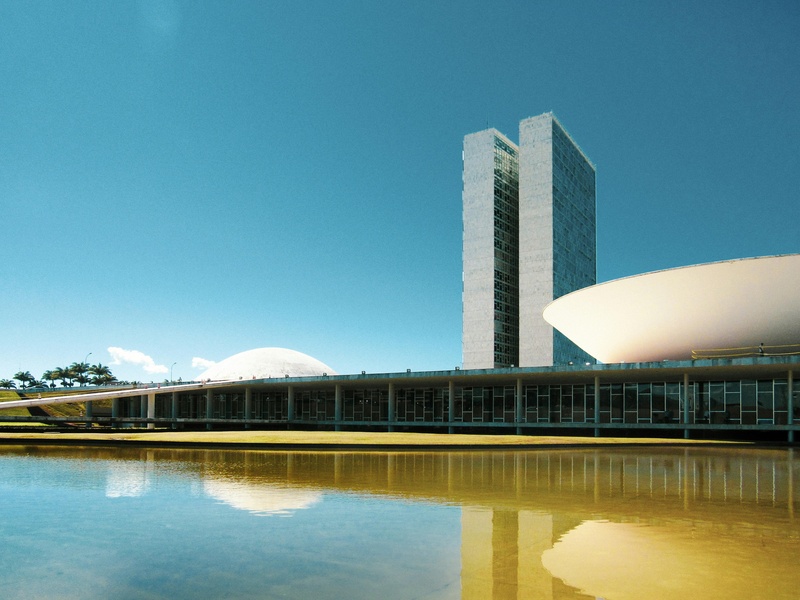
Brasília
Located in the Federal District, Brasília is a 20th-century planned capital. UNESCO inscribes the city for modernist architecture and urban design by Lúcio Costa and Oscar Niemeyer. It shows Brazil’s mid-20th-century nation-building and civic planning. Note geometric layout and iconic modern buildings like the Cathedral of Brasília.
São Luís Historic Centre
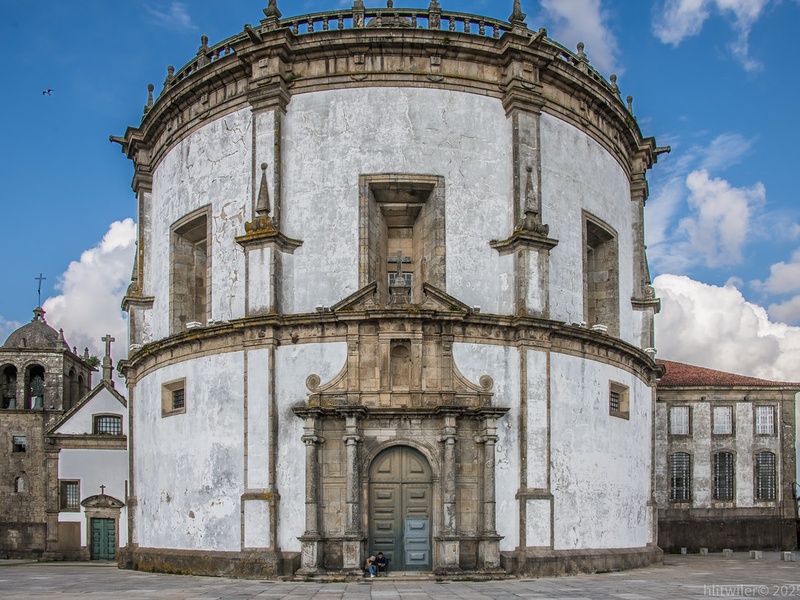
Located in Maranhão, São Luís dates mainly to the 17th–19th centuries. UNESCO lists the center for its colonial architecture and Portuguese azulejo tiles. It preserves mercantile buildings and narrow streets from the sugar and trade eras. It illustrates northern colonial commerce and urban culture.
Bom Jesus do Congonhas
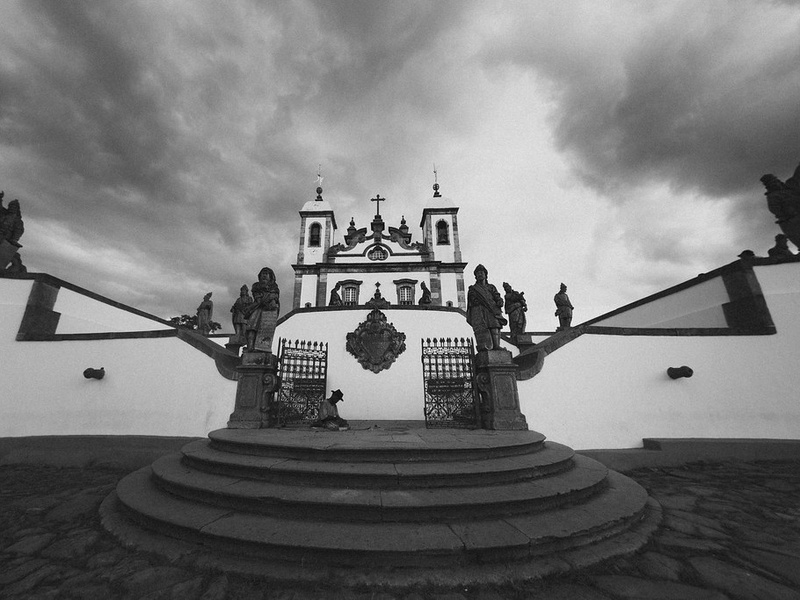
Located in Congonhas, Minas Gerais, Bom Jesus is an 18th-century sanctuary complex. UNESCO lists its baroque church and soapstone sculptures by Aleijadinho. It holds famous soapstone saints along the sanctuary steps. It represents high baroque religious art and pilgrimage architecture.

Serra da Capivara National Park
Located in Piauí, Serra da Capivara holds prehistoric rock art and archaeological sites. UNESCO lists it for early human occupation evidence in the Americas. Sites include painted rock shelters and stone tools. It offers rare data on ancient hunter-gatherer life and long human history in Brazil.
São Francisco Square (São Cristóvão)
Located in São Cristóvão, Sergipe, São Francisco Square is an 18th-century colonial plaza. UNESCO lists it for its well-preserved civic and religious ensemble. It groups a convent, chapel, and public buildings around a central square. It shows colonial town planning and Franciscan influence.
Diamantina
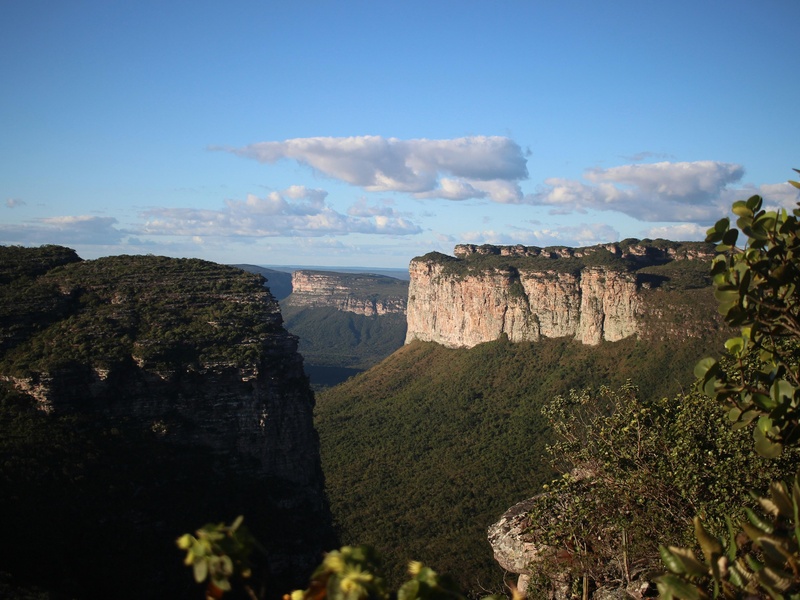
Located in Minas Gerais, Diamantina is an 18th–19th-century mining town. UNESCO lists it for baroque architecture and mining-era urban fabric. It preserves narrow streets, manor houses, and mining heritage. It illustrates Brazil’s diamond rush and colonial social structures. Include for intact historic quarters.
Valongo Wharf
Located in Rio de Janeiro, Valongo Wharf is a 19th-century port site. UNESCO lists the archaeological remains for their role in the transatlantic slave trade. Excavations reveal docks, artifacts, and arrival areas for enslaved Africans. It documents a painful but crucial chapter of Brazil’s history.
Rio de Janeiro Carioca Landscapes
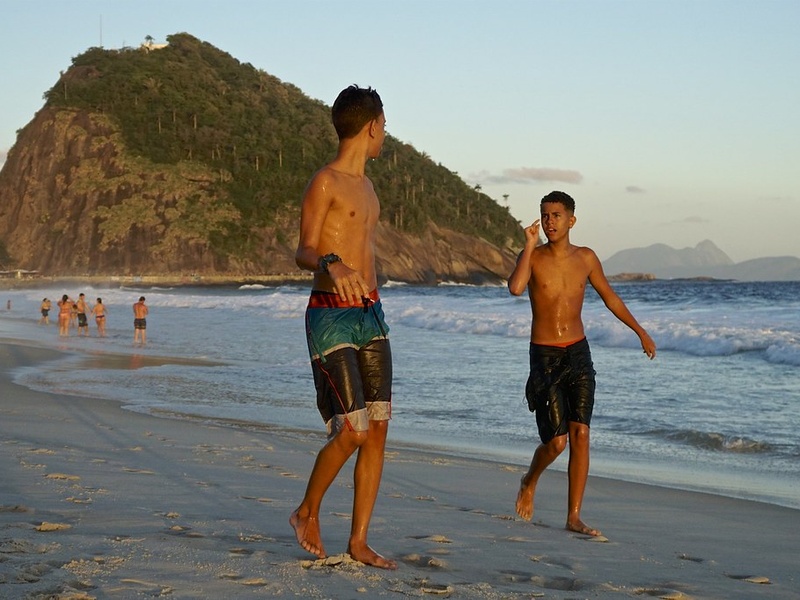
Located in Rio de Janeiro city and surroundings, this ensemble spans natural and cultural sites. UNESCO lists the landscape for the city’s relation to mountains, sea, and historic colonial structures. It includes churches, forts, and urban areas that shaped Rio’s identity. It links natural beauty with cultural history.
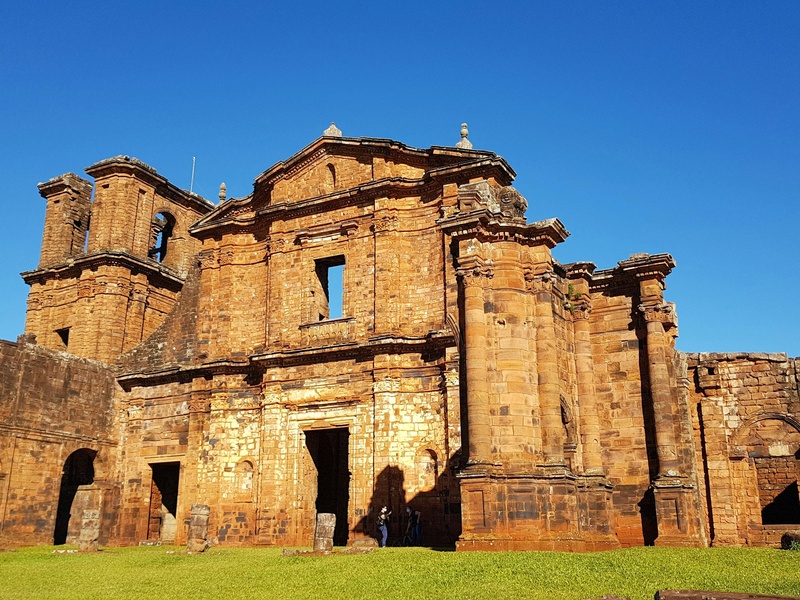
São Miguel das Missões
Located in Rio Grande do Sul, São Miguel is an 17th–18th-century Jesuit mission ruin. UNESCO includes it among the Jesuit Missions of the Guaranis. It preserves church ruins, plazas, and mission layout. It documents the Jesuit-Guarani settlements and colonial frontier history.
Paraty Historic Centre
Located in Rio de Janeiro state, Paraty is an 17th–19th-century coastal town. It preserves colonial streets, stone pavements, and merchant houses. The center reflects Brazil’s colonial trade and gold-route connections to the coast. It combines maritime and urban heritage in a compact historic core.
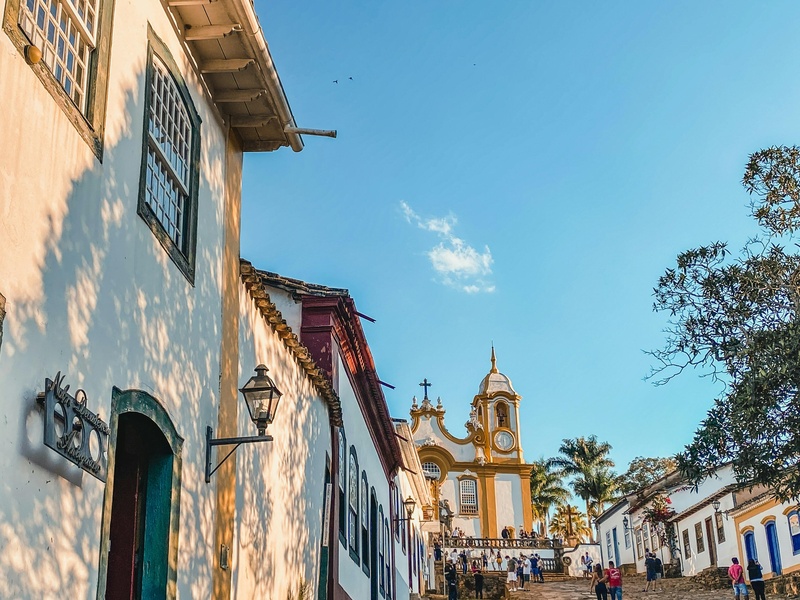
Tiradentes
Located in Minas Gerais, Tiradentes is an 18th-century market and mining town. It preserves baroque churches, tiled roofs, and colonial houses. The town reflects inland mining settlement patterns and religious architecture. It remains a well-preserved example of provincial colonial Brazil.
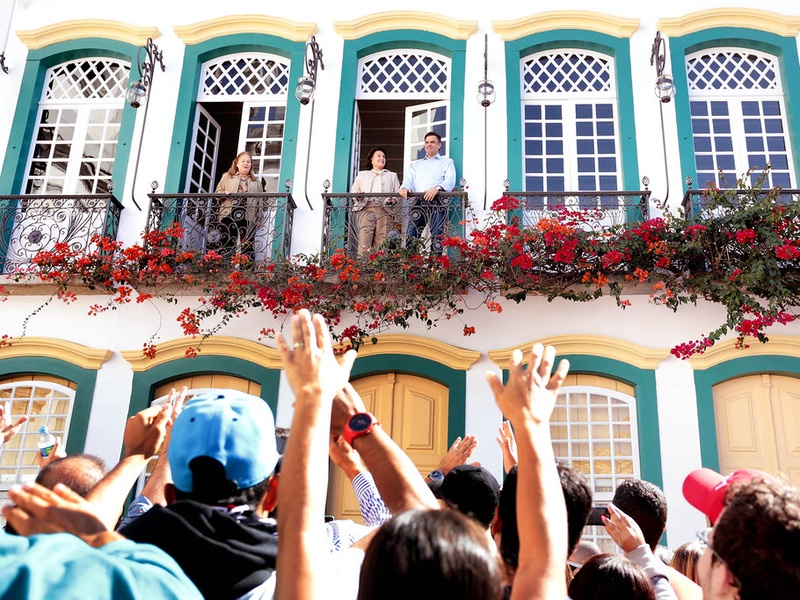
São João del Rei
Located in Minas Gerais, São João del Rei is an 18th-century colonial town. It features baroque churches, preserved mansions, and historic rail links. The town documents regional religious art and mining-era wealth. It pairs well with nearby historic towns like Tiradentes.
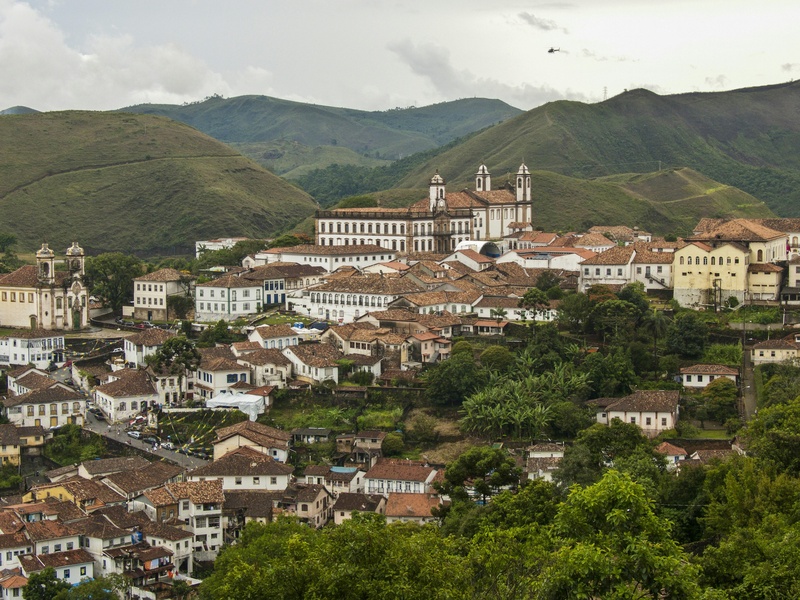
Mariana
Located in Minas Gerais, Mariana is an 18th-century mining city and former state capital. It preserves colonial churches, public squares, and mining heritage. The town shows early urban development tied to gold and mineral extraction. It contains important religious art and civic architecture.
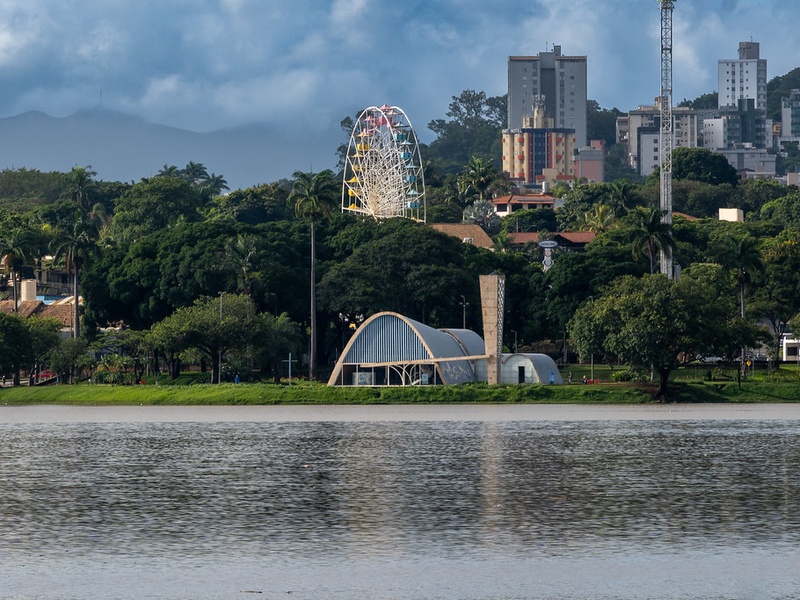
Pampulha Modern Ensemble
Located in Belo Horizonte, Minas Gerais, Pampulha is a 20th-century lakeside complex. UNESCO lists the ensemble for modernist design by Oscar Niemeyer and landscape by Burle Marx. It includes a church, casino, and museum with modern architecture. It marks Brazil’s modernist cultural shift.
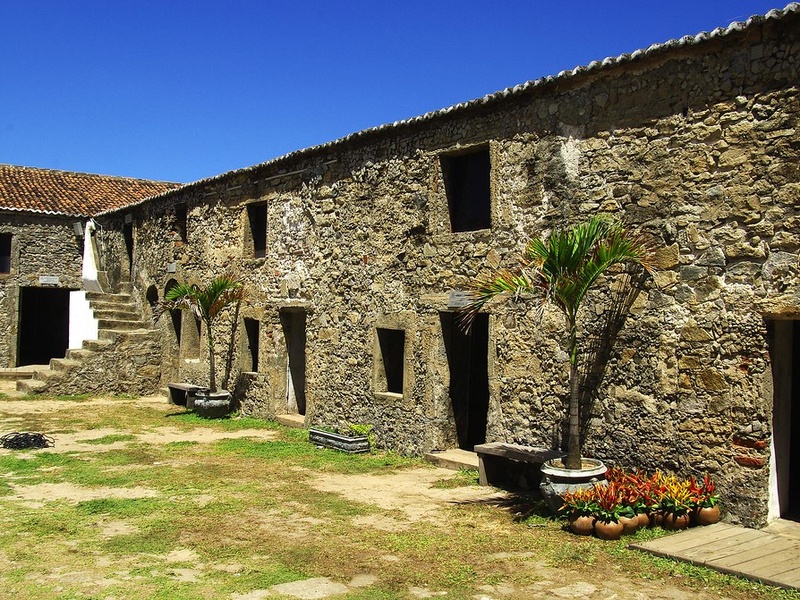
Forte dos Reis Magos
Located in Natal, Rio Grande do Norte, this 16th-century coastal fort sits on a sandbank at a river mouth. It displays star-shaped masonry defense typical of early colonial forts. It reflects Portuguese military strategy and coastal settlement patterns during initial colonization.
Fortress of São José de Macapá
Located in Macapá, Amapá, this 18th-century fort guards the Amazon estuary. It shows colonial military architecture and strategic border defense. The masonry fort illustrates Portuguese efforts to control northern rivers and trade routes. It remains a key regional historic monument.
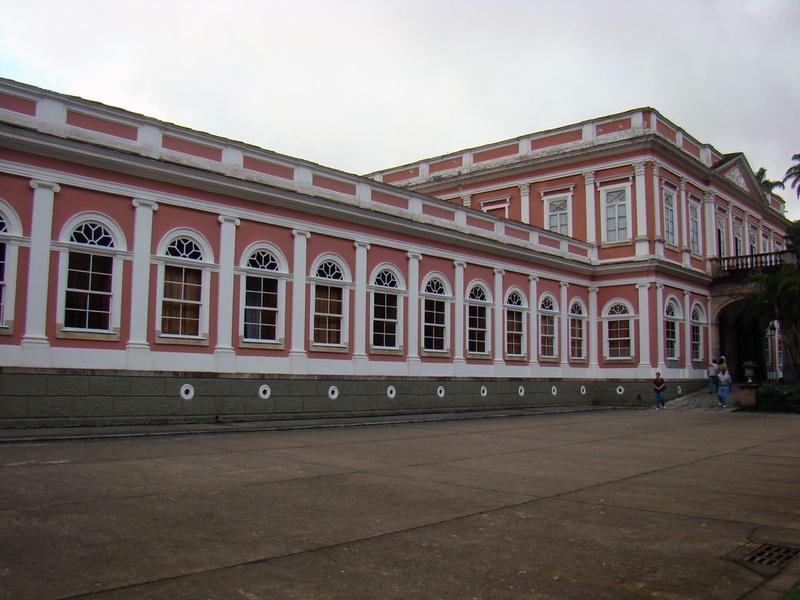
Petrópolis Historic Centre
Located in Rio de Janeiro state, Petrópolis grew in the 19th century as the imperial summer capital. It preserves imperial palaces, mansions, and a planned street grid. The city shows Brazil’s imperial era leisure architecture and mountain retreat culture. Include for imperial residences and museums.
Alcântara Historic Centre
Located in Maranhão, Alcântara dates to the 17th–19th centuries and contains colonial ruins and mansions. It preserves a grid of streets, churches, and slave-era heritage near São Luís. The town records coastal colonial society and plantation-era connections. It is notable for its ruined estates and waterfront setting.
Forte de Copacabana
Located in Rio de Janeiro, Forte de Copacabana is a 20th-century coastal fort at the beach mouth. It houses military history exhibits and panoramic views of the shore. The brick and concrete fort represents modern coastal defense and urban beachfront development.
Historic Centre of Goiás Velho
Located in Goiás state, Goiás Velho is an 18th-century gold-mining town. UNESCO lists it for its baroque churches, houses, and colonial streets. It preserves a provincial colonial layout and religious art. It offers a clear example of inland mining town development.
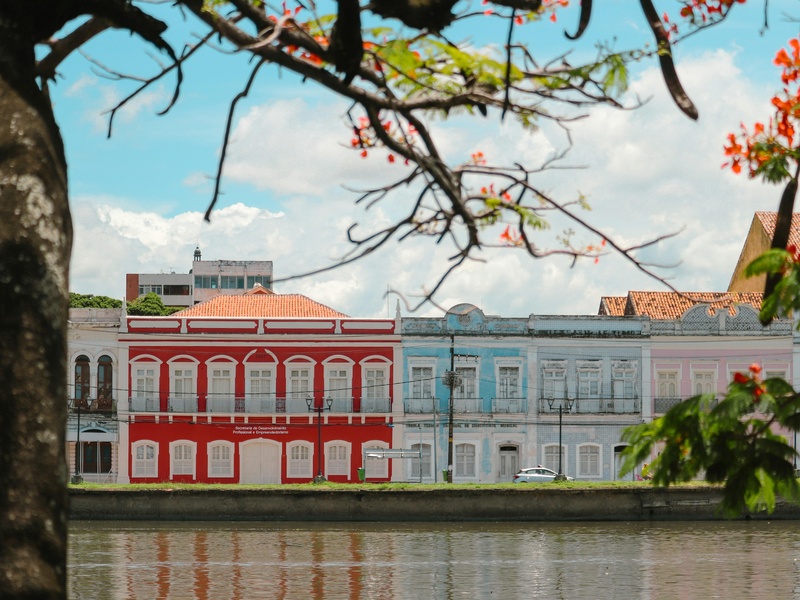
Recife Antigo
Located in Pernambuco, Recife Antigo is the old port and historic core of Recife. It contains colonial warehouses, forts, and early modern buildings. The area shows the city’s role in trade, sugar, and colonial administration. It mixes Dutch, Portuguese, and Brazilian urban layers.
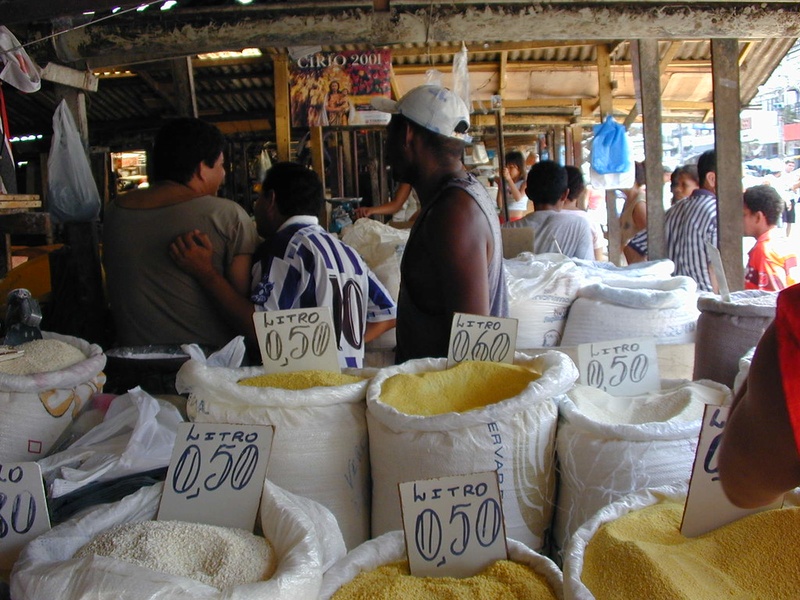
Ver-o-Peso Market
Located in Belém, Pará, Ver-o-Peso is a 17th–19th-century market complex on the riverfront. It serves as a commercial and cultural hub for Amazonian goods. The market preserves wooden stalls, historic sheds, and lively trade traditions. It shows regional commerce and food culture.
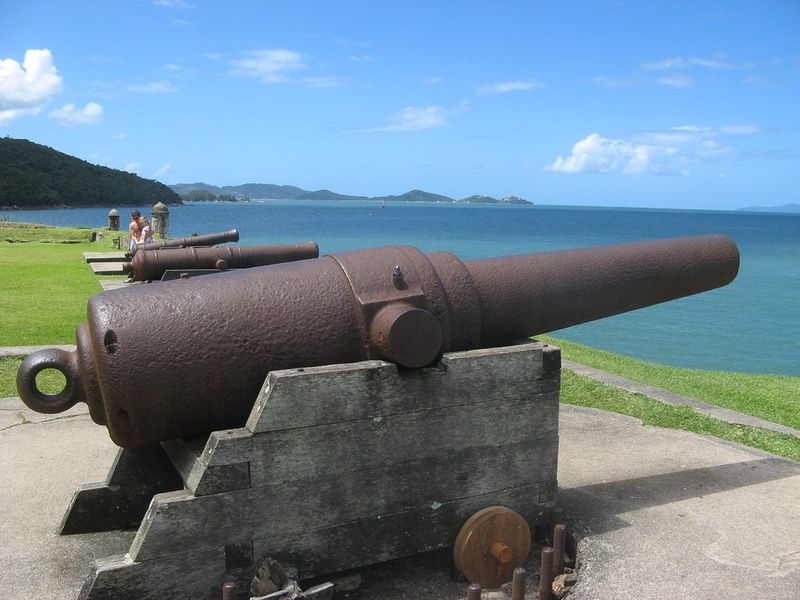
Anhatomirim Fortress
Located on Anhatomirim Island, Santa Catarina, this 18th-century fort guards a bay and island chain. It forms part of a system of colonial coastal defenses. The stone fort and island setting illustrate military strategies to protect harbors and shipping lanes.
São Francisco do Sul Historic Centre
Located in Santa Catarina, São Francisco do Sul is one of Brazil’s oldest towns, with 17th–19th-century buildings. It preserves colonial houses, churches, and a traditional port. The town reflects early southern coastal settlement and mercantile history. It remains a well-kept historic district.
São Bento Monastery
Located in several cities; notable examples appear in São Paulo and Olinda. The monastery dates to the colonial era and houses Benedictine architecture and liturgical art. It preserves cloisters, altars, and monastic traditions. It represents religious orders’ role in education and culture.
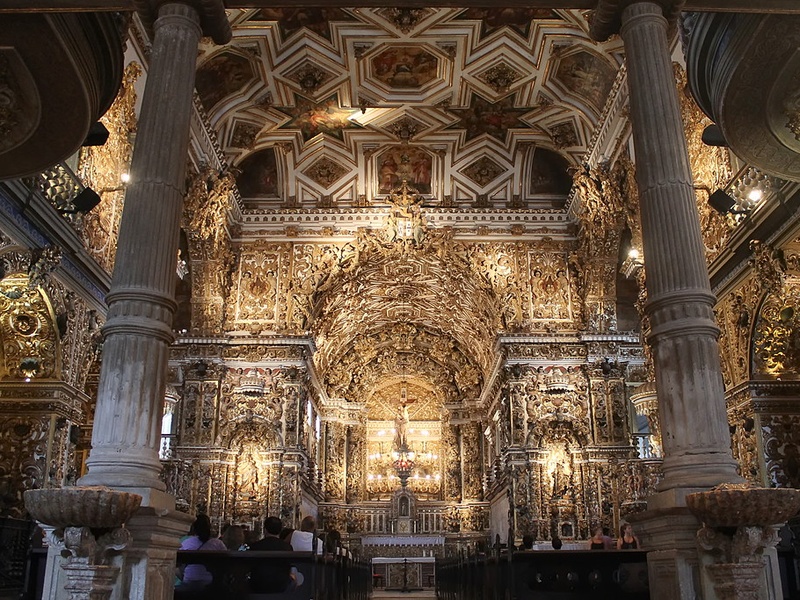
Church of São Francisco (Salvador)
Located in Salvador, Bahia, this 18th-century church is a baroque masterpiece. It features gilded woodwork, tile panels, and ornate altars. It falls within the Historic Centre UNESCO area. It showcases colonial religious art and wealthy patronage of the period.
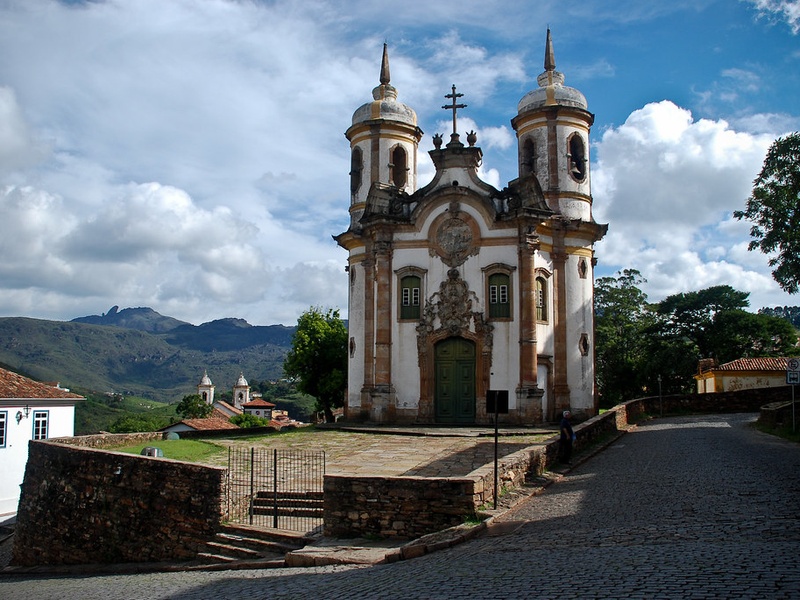
Church of Saint Francis of Assisi (Ouro Preto)
Located in Ouro Preto, Minas Gerais, this 18th-century church is a baroque landmark by Aleijadinho. It features sculpted façades, elaborate altars, and soapstone work. It forms part of Ouro Preto’s UNESCO listing. It represents peak colonial religious art and craftsmanship.
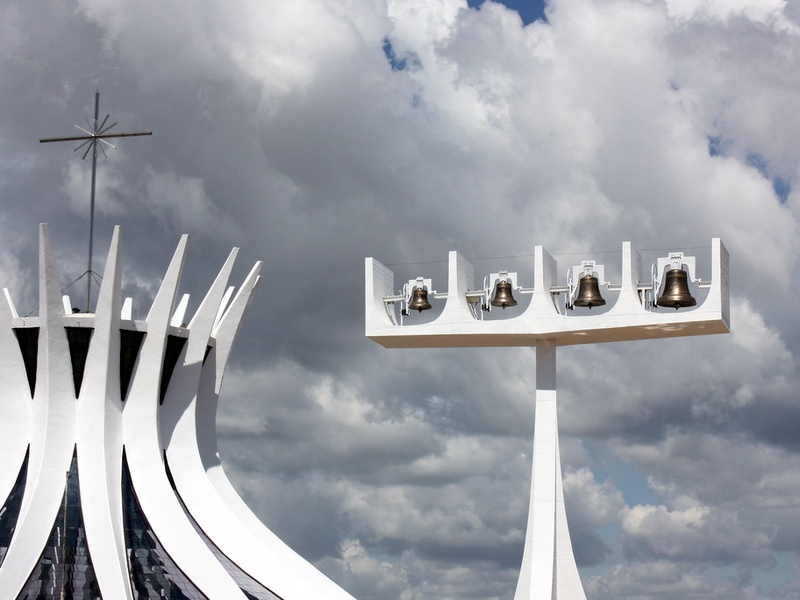
Cathedral of Brasília
Located in Brasília, the cathedral is a 20th-century modernist landmark by Oscar Niemeyer. It features a hyperboloid concrete crown and stained glass. The cathedral stands as a symbol of modernist architecture within the planned capital. It belongs to Brasília’s UNESCO ensemble.
São Vicente Historic Site
Located in São Paulo state, São Vicente is the site of Brazil’s earliest permanent Portuguese settlement (16th century). It preserves early colonial fortifications, churches, and settlement traces. It documents initial coastal colonization and the transition to permanent colonial towns.
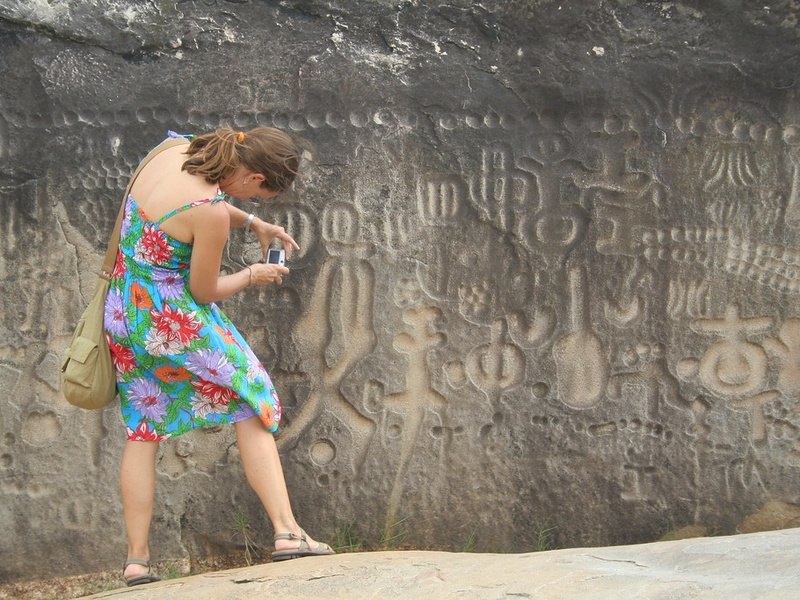
Ingá Stone
Located in Paraíba, the Ingá Stone holds prehistoric petroglyphs carved into a sandstone formation. The carvings date to ancient indigenous cultures and show geometric and figurative motifs. It is an important archaeological and enigmatic site for studying pre-Columbian symbolic systems.
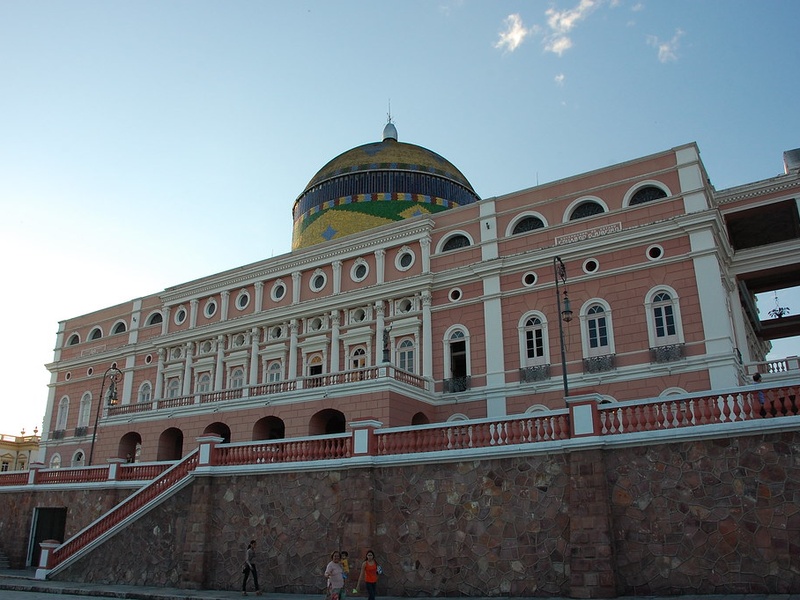
Theatro Amazonas
Located in Manaus, Amazonas, the opera house dates to the late 19th century rubber boom. It features an ornate dome, marble floors, and imported materials from Europe. It symbolizes Amazonian prosperity during the rubber era. It remains a cultural icon and performance venue.
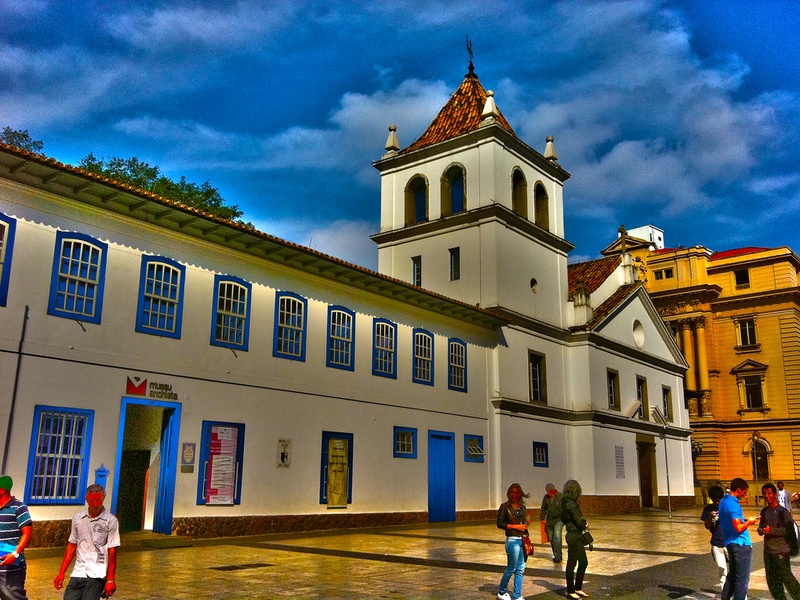
Pátio do Colégio
Located in São Paulo, Pátio do Colégio is the 16th-century Jesuit founding site of the city. It preserves the original church footprint, a museum, and a central plaza. It marks the colonial origin of São Paulo and Jesuit education and mission activity.