Laos sits at a crossroads of riverine trade, royal capitals and ancient kingdoms; its built heritage ranges from gilded temple complexes to remote archaeological sites shaped by centuries of local and foreign influence. Walking these places reveals layers of Buddhist devotion, French colonial planning, and prehistory along the Mekong and upland plateaus.
There are 17 Historical Places in Laos, ranging from Haw Phra Kaew to Wat Xieng Thong. For each entry you’ll find below Location (province; coords),Era (century/period),Significance (max 15 words), presented so you can sort visits by geography, age or why each site matters — you’ll find below.
Which of these sites are UNESCO-listed or essential for first-time visitors?
Several entries overlap with UNESCO designations and clear must-sees: Luang Prabang (Wat Xieng Thong) and its city complex, Vat Phou in Champasak, and the Plain of Jars in Xieng Khouang are internationally recognized; include at least one city temple cluster and one archaeological site to get a balanced first visit.
How should I plan logistics and etiquette when visiting these historical places?
Dress modestly for temples, bring cash for smaller sites, allow travel time between dispersed locations, consider a local guide for context and safety notes (UXO risks in some areas), and check opening times so you can visit respectfully and efficiently.
Historical Places in Laos
| Name | Location (province; coords) | Era (century/period) | Significance (max 15 words) |
|---|---|---|---|
| Luang Prabang | Luang Prabang Province;19.88,102.14 | Lan Xang (14th–18th c.) | Historic royal town, UNESCO World Heritage, well-preserved temples and colonial architecture |
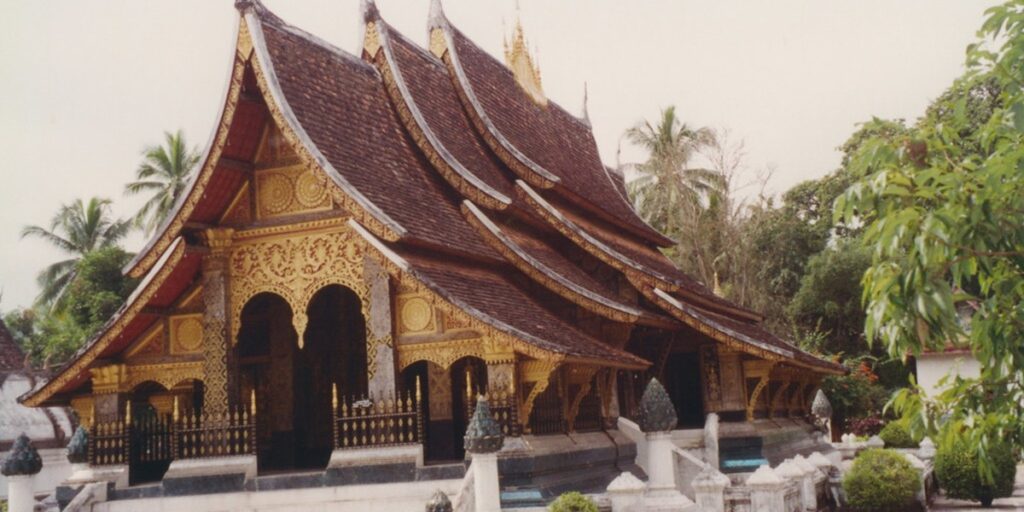
| Wat Xieng Thong | Luang Prabang Province;19.88,102.13 | 16th century | Royal temple, exemplary Lao Buddhist art and architecture |
| Royal Palace (Haw Kham) | Luang Prabang Province;19.88,102.14 | French colonial (20th c.) | Former royal residence, museum in historic palace building |
| Mount Phousi | Luang Prabang Province;19.88,102.14 | Historic (multi-era) | Hilltop shrine and viewpoint, significant religious site in Luang Prabang |
| Vat Phou (Wat Phu) | Champasak Province;15.31,105.84 | Khmer Empire (5th–13th c.) | Pre-Angkorian Khmer temple complex, UNESCO World Heritage |
| Plain of Jars Site 1 | Xieng Khouang Province;19.33,103.14 | Bronze Age (1st millennium BCE–1st millennium CE) | Megalithic jar burial site, archaeological significance, UNESCO-listed |
| Plain of Jars Site 2 | Xieng Khouang Province;19.39,103.14 | Bronze Age (1st millennium BCE–1st millennium CE) | Megalithic burial jars, major archaeological complex, UNESCO-listed |
| Plain of Jars Site 3 | Xieng Khouang Province;19.46,103.18 | Bronze Age (1st millennium BCE–1st millennium CE) | Large megalithic jars, archaeological and cultural significance, UNESCO-listed |
| Muang Khoun (Old Xiang Khouang) | Xieng Khouang Province;19.33,103.06 | Lan Xang era (15th–18th c.) | Ruined former regional capital with stupas and war-damaged monuments |
| Vieng Xai Caves | Houaphanh Province;20.85,104.90 | 20th century (Indochina wars) | Pathet Lao cave complex headquarters, wartime shelters and historical displays |
| Wat Si Saket | Vientiane Prefecture;17.97,102.62 | 19th century (1818) | Oldest surviving temple in Vientiane, cloister with Buddha images |
| Haw Phra Kaew | Vientiane Prefecture;17.97,102.62 | 16th–19th c. | Former royal temple that housed the Emerald Buddha, historic architecture |
| Pha That Luang | Vientiane Prefecture;17.97,102.62 | 16th century | National stupa symbol, major Buddhist monument, national emblem |
| Patuxai | Vientiane Prefecture;17.97,102.63 | 20th century (post-independence) | Victory monument and arch, symbol of independence and colonial history |
| Presidential Palace | Vientiane Prefecture;17.97,102.63 | French colonial (20th c.) | French colonial governor’s palace, official residence and historic architecture |
| Kaysone Phomvihane Mausoleum | Savannakhet Province;16.54,104.75 | 20th century | Mausoleum of Laos’ first communist leader, pilgrimage and historical memorial |
| That Ing Hang Stupa | Savannakhet Province;16.53,104.75 | 11th–15th century | Ancient stupa and pilgrimage site, significant regional Buddhist monument |
Images and Descriptions

Luang Prabang
Historic city in Luang Prabang province. Dates from the 14th century onward. Serves as the old royal capital and a living example of Lao culture. Holds many temples, French colonial buildings, and UNESCO World Heritage status. Includes compact streets and riverside sites that illustrate Laos’ history and religious life.
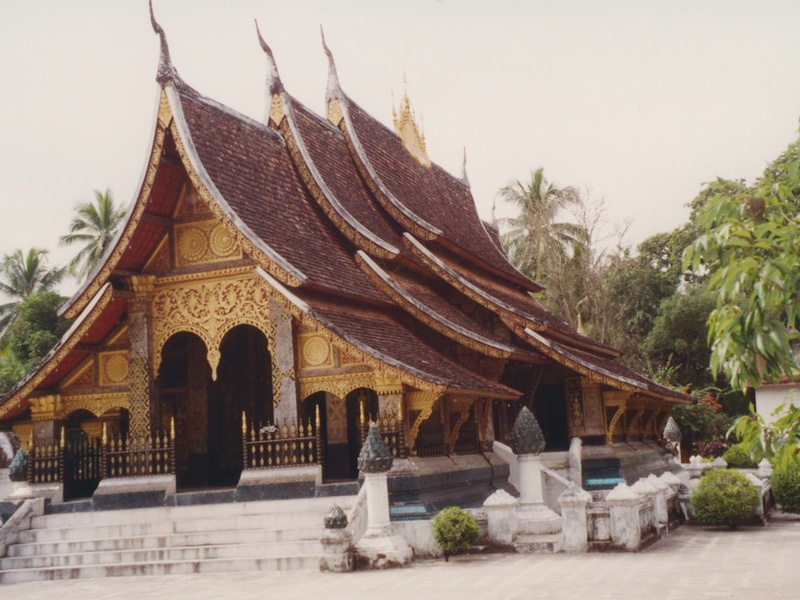
Wat Xieng Thong
Royal Buddhist temple in Luang Prabang city. Founded in the 16th century and refined over centuries. Represents classic Lao temple art and royal patronage. Features ornate mosaics, low sweeping roofs, and important funerary carriage houses. Remains a core example of Luang Prabang’s temple architecture.
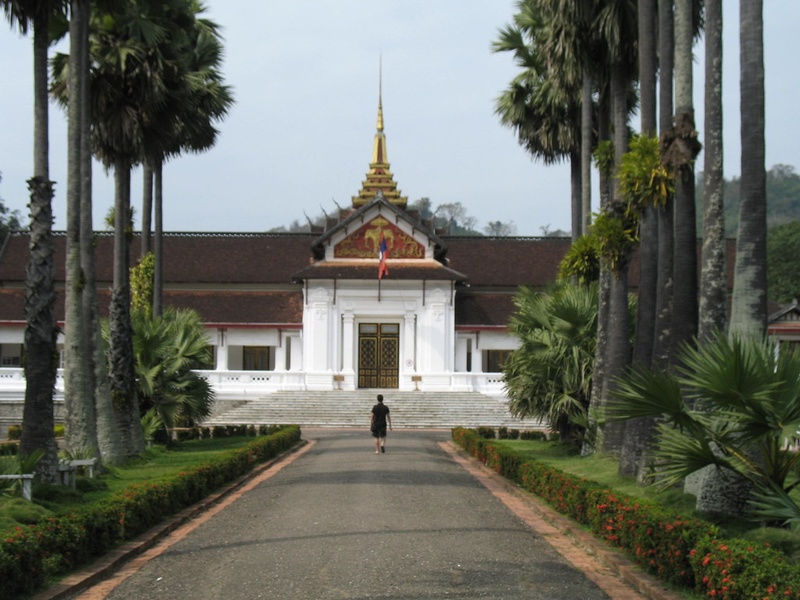
Royal Palace (Haw Kham)
Former royal residence in Luang Prabang, built in the early 20th century. Combines Lao and French styles. Houses the National Museum with royal regalia and Buddhist relics. Illustrates Laos’ monarchy period and colonial-era tastes. Offers clear context for the city’s royal history.
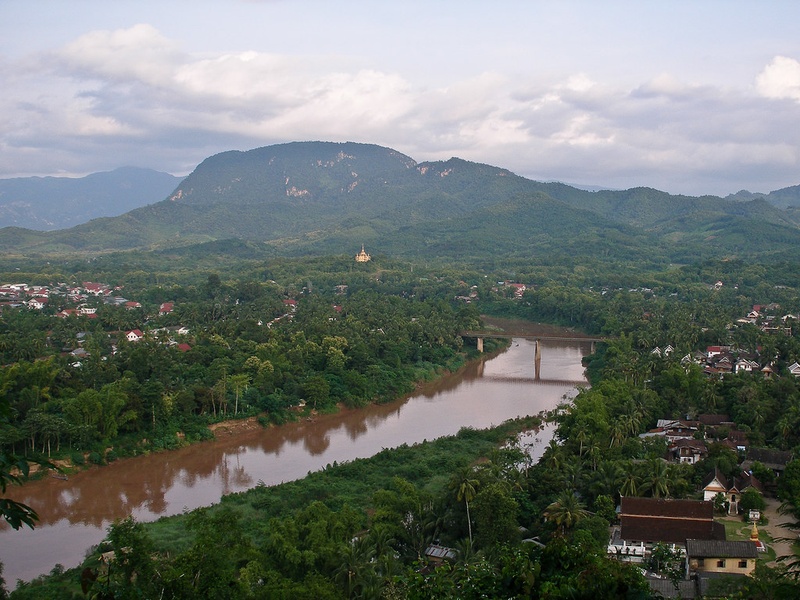
Mount Phousi
Prominent hill in central Luang Prabang with shrines and stupas. Used for religious ceremonies and city views for centuries. Serves as a spiritual high point and panoramic lookout over the Mekong and Nam Khan rivers. Accessible by short stairways and popular at sunrise and sunset.
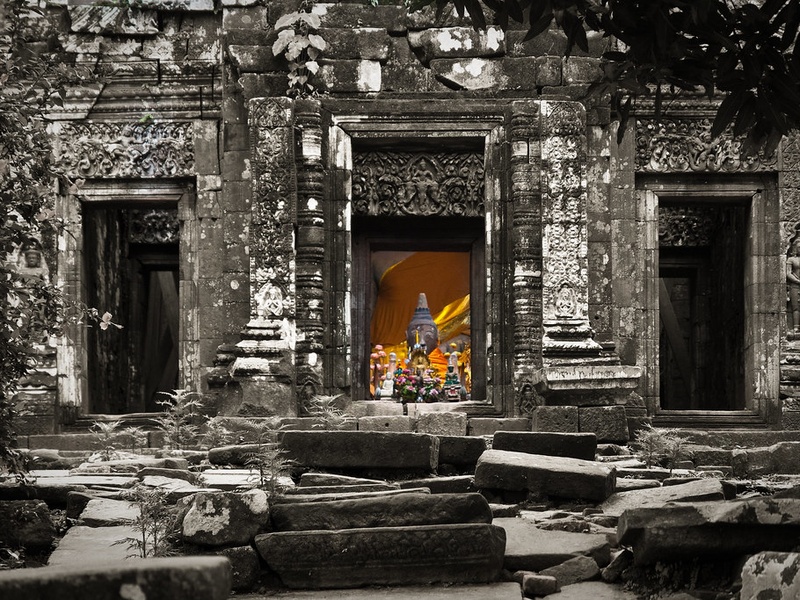
Vat Phou (Wat Phu)
Khmer temple complex in Champasak province dating from the 5th to 13th centuries. Reflects early Khmer sacred mountain and river worship. Design and stone carvings link it to Angkor-era architecture. Recognized as a UNESCO World Heritage site and a key example of pre-Angkorian and Angkorian influence in Laos.
Plain of Jars Site 1
Megalithic jar field near Phonsavan in Xiangkhouang province. Likely dates to the Iron Age (roughly 500 BCE–500 CE). Contains large stone jars used in funerary or ritual contexts. Provides crucial archaeological evidence for ancient burial practices in Laos.
Plain of Jars Site 2
Second major jar site in Xiangkhouang province. Shares Iron Age origins with other jar fields. Shows varied jar styles and distribution across the plain. Included for its archaeological scale and ongoing research into Laos’ prehistoric societies.
Plain of Jars Site 3
Another key jar cluster near Phonsavan in Xiangkhouang. Displays decayed jars, burial pits, and pottery fragments. Helps researchers map regional mortuary customs and trade. Remains central to study of Laos’ ancient past.
Muang Khoun (Old Xiang Khouang)
Ruined royal town in Xiangkhouang province that served as a regional capital for centuries. Origins date from the 13th to 16th centuries, with later rebuilding. Suffered heavy damage during 20th-century conflict. Contains temple ruins, stupas, and old city traces that tell the story of regional power and colonial-era change.
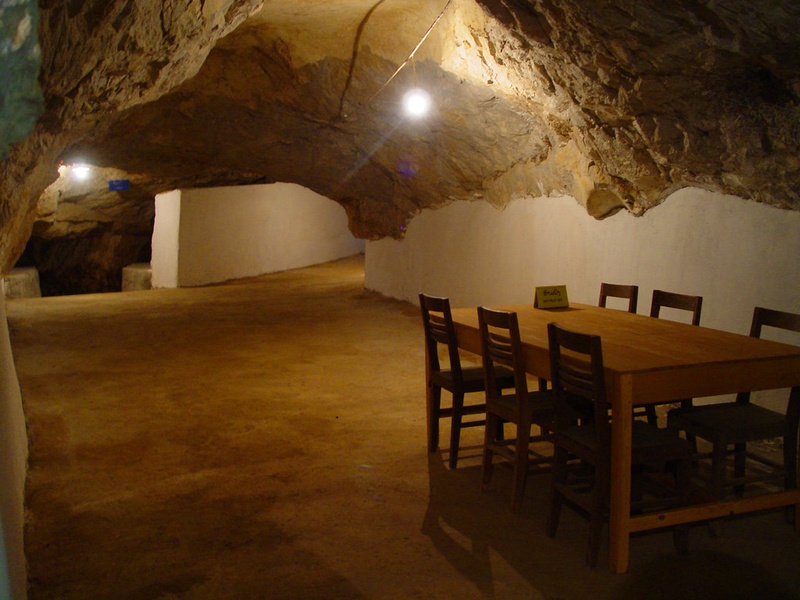
Vieng Xai Caves
Network of caves in Houaphanh province used as wartime headquarters and shelters in the 1960s–1970s. Served as Pathet Lao bases and civilian refuges during the Indochina wars. Contain tunnels, rooms, and relics from wartime life. Represent modern history and the wartime experience in rural Laos.
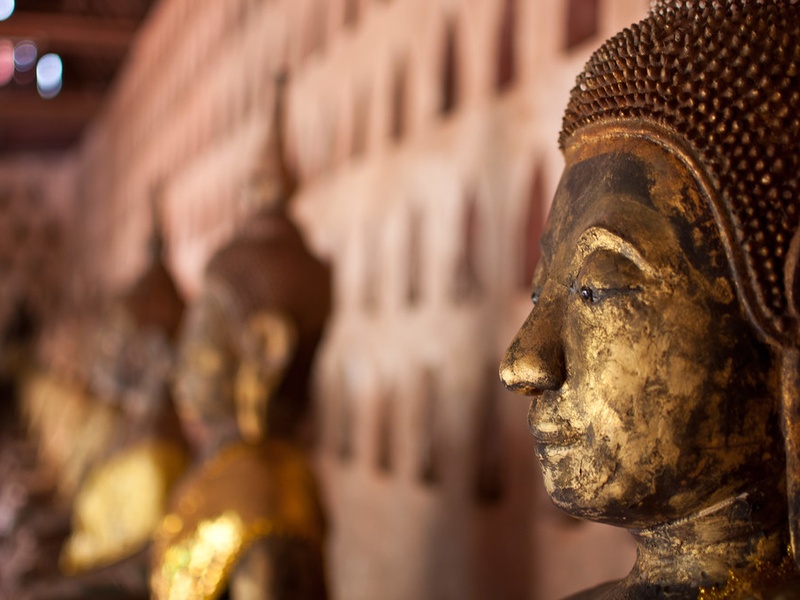
Wat Si Saket
Historic temple in Vientiane, founded in 1818. Known for its cloister walls and thousands of small Buddha images. Survived early 19th-century conflicts that destroyed other temples. Serves as an important example of early 19th-century Lao temple architecture and devotional practice.
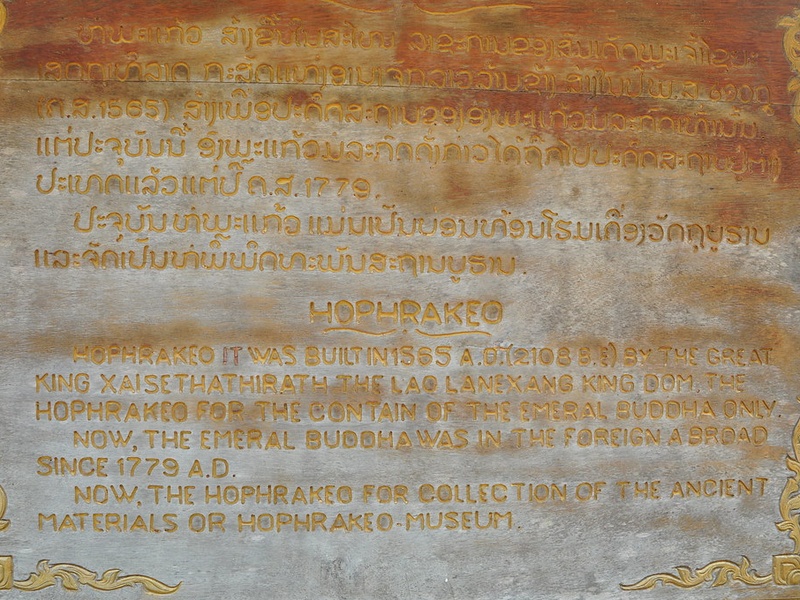
Haw Phra Kaew
Former royal temple in Vientiane that once housed the Emerald Buddha. Dates to the late 16th century with 19th-century rebuilding. Now a museum of religious art and royal objects. Represents the shifting location of sacred iconography and the capital’s religious history.
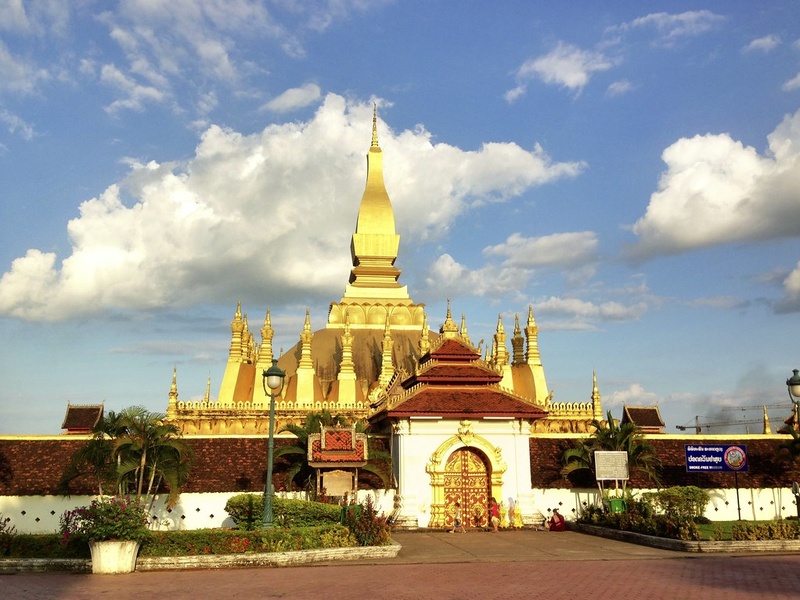
Pha That Luang
Large gold-covered stupa in Vientiane considered the national symbol of Laos. Origins trace to the 3rd century in legend and to major rebuilding in the 16th century. Holds religious importance as a reliquary site and national monument. Stands as an icon of Lao identity and Theravada Buddhism.
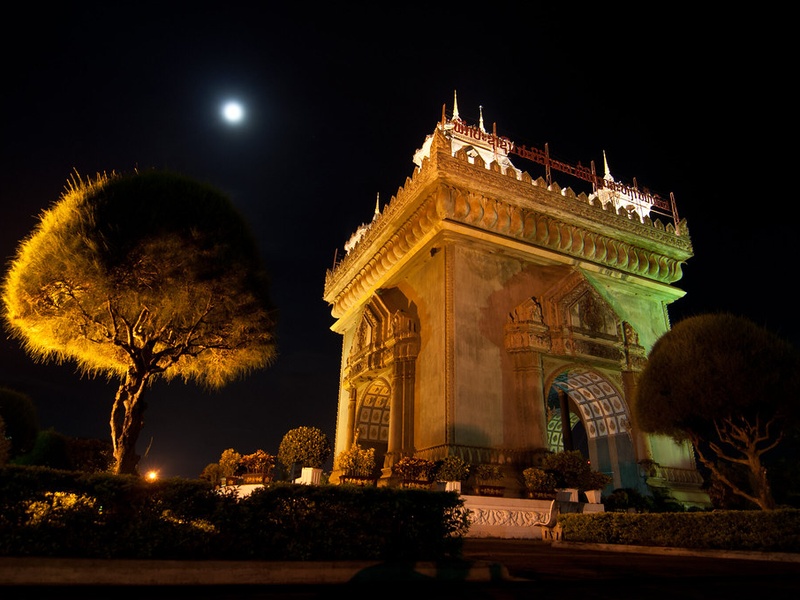
Patuxai
Monumental war memorial in Vientiane built in the mid-20th century. Combines Lao motifs with French Arc de Triomphe form. Commemorates those who fought for independence. Functions as a civic landmark and viewpoint over the city.
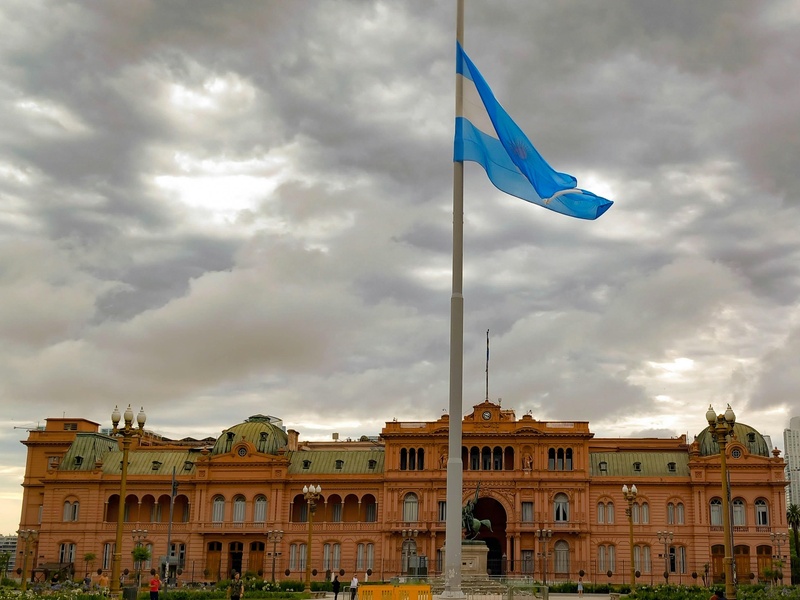
Presidential Palace
Official state residence and ceremonial building in Vientiane. Built in a European-influenced style during the 20th century. Hosts state functions and exemplifies government-era architecture. Sits near other national landmarks and contributes to the capital’s historic core.
Kaysone Phomvihane Mausoleum
Mausoleum in Vientiane honoring Kaysone Phomvihane, leader of Lao modernization. Built in the late 20th century and designed as a formal state monument. Houses the leader’s remains and displays related memorial items. Reflects recent political history and national memory.
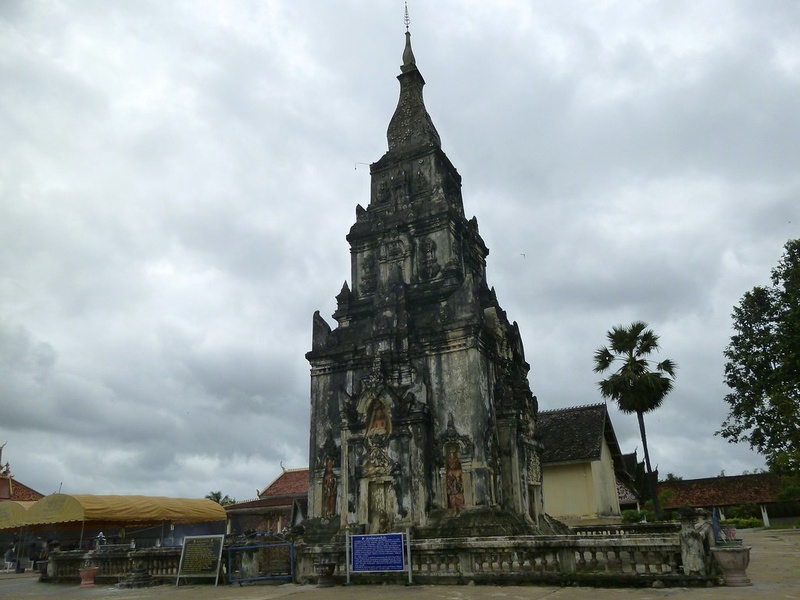
That Ing Hang Stupa
Relic stupa in Savannakhet province with regional pilgrimage importance. Dates from the historic period with later restorations. Serves as a religious center in southern Laos and holds local sacred objects. Included for its role in provincial Buddhist practice and local history.