Tunisia’s layered past is visible in coastal ruins, desert forts and bustling old medinas; each site offers a compact story about trade, religion and empire. Walking those streets or stones connects you to Phoenician ports, Roman cities and Islamic learning centers without needing a deep background in history.
There are 47 Historical Places in Tunisia, ranging from Aïn El Hamma Roman Site to Zitouna Mosque. For each site we list Location (city/region),Era / Period,Significance (max 15 words) so you can compare dates, places and why each entry matters — you’ll find below.
How should I prepare for visiting multiple historical sites in one trip?
Check seasonal weather (spring and autumn are best), opening hours and entry fees in advance, and group nearby sites into one-day routes. Bring water, sun protection, comfortable shoes, a modest dress option for religious sites, and consider a local guide for archaeological sites to get clearer context and avoid restricted areas.
Which entries are formally protected or need special permissions?
Several locations are UNESCO World Heritage sites or state-protected monuments; others may be on private land or under archaeological restriction. Look up each site’s current status before visiting, follow posted rules, and contact local authorities or visitor centers if you need permits.
Historical Places in Tunisia
| Name | Location (city/region) | Era / Period | Significance (max 15 words) |
|---|---|---|---|
| Carthage | Tunis governorate (near Tunis) | Punic–Roman (9th–1st c. BCE; Roman era) | Phoenician-Punic and Roman ruins; UNESCO Yes, 1979 |
| Dougga | Téboursouk, Béja governorate | Roman (2nd–3rd c. CE) | Best-preserved Roman town in North Africa; UNESCO Yes, 1997 |
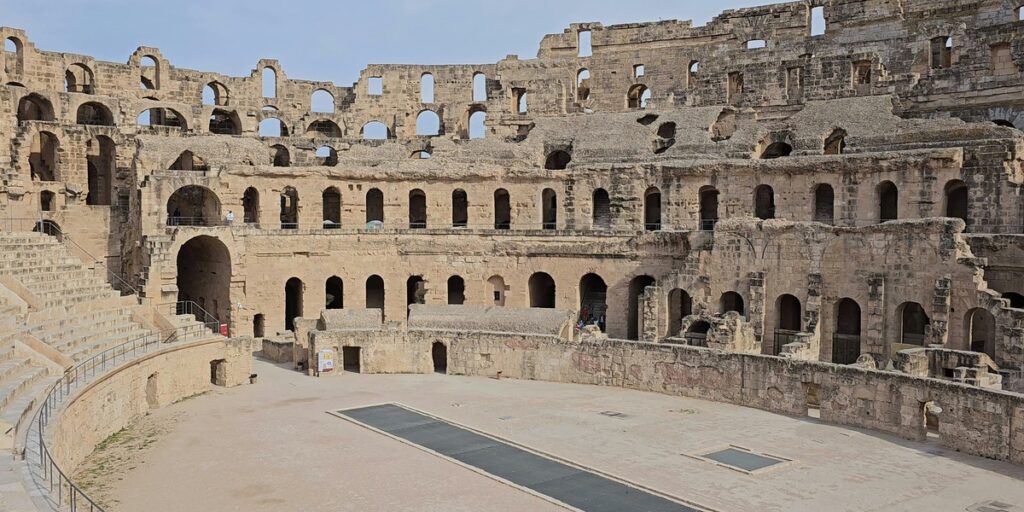
| El Jem Amphitheatre | El Jem, Mahdia governorate | Roman (3rd c. CE) | Massive Roman amphitheatre; UNESCO Yes, 1979 |
| Kerkouane | Cap Bon, Nabeul governorate | Punic (6th–3rd c. BCE) | Punic coastal town ruins with necropolis; UNESCO Yes, 1985 |
| Medina of Tunis | Tunis | Islamic/medieval (7th–19th c.) | Historic medina with monuments and souks; UNESCO Yes, 1979 |
| Medina of Kairouan | Kairouan | Islamic (7th–9th c.) | Islamic religious capital, Great Mosque included; UNESCO Yes, 1988 |
| Medina of Sousse | Sousse | Islamic/medieval (9th–11th c.) | Medina and Ribat with medieval fortifications; UNESCO Yes, 1988 |
| Bardo Museum | Tunis (Le Bardo) | 19th century museum / Roman collections | World-class Roman mosaics museum; UNESCO No |
| Bulla Regia | Jendouba governorate (near Jendouba) | Roman (2nd c. CE) | Underground Roman houses and mosaics; UNESCO No |
| Thuburbo Majus | near El Fahs, Zaghouan governorate | Roman (1st–4th c. CE) | Extensive Roman ruins and mosaics; UNESCO No |
| Sbeitla (Sufetula) | Sbeitla, Kasserine governorate | Roman–Byzantine (3rd–6th c.) | Byzantine forum and well-preserved Roman temples; UNESCO No |
| Chemtou (Simitthus) | Chemtou, Jendouba governorate | Punic–Roman | Roman marble quarries and Punic remains; UNESCO No |
| Medina of Sfax | Sfax | Islamic/medieval | Well-preserved fortified medina and ramparts; UNESCO No |
| Ribat of Monastir | Monastir | Aghlabid/Islamic (8th–9th c.) | Impressive coastal ribat fortress and museum; UNESCO No |
| Ribat of Sousse | Sousse | Aghlabid/Islamic (8th–9th c.) | Early Islamic fortress and watchtower; UNESCO No |
| Ksar Ouled Soltane | near Tatatouine, Tataouine governorate | Medieval Berber (centuries) | Well-preserved fortified granary (ksar); UNESCO No |
| Chenini | Tataouine governorate (Djerid) | Berber medieval | Troglodyte village and hilltop ksar; UNESCO No |
| Douiret | Tataouine governorate | Berber medieval | Abandoned fortified hilltop ksar village; UNESCO No |
| Matmata | Matmata, Gabès governorate | Traditional/centuries-old | Troglodyte cave homes with Berber architecture; UNESCO No |
| Ksar Hallouf | near Tataouine | Medieval Berber | Historic fortified granary complex (ksar); UNESCO No |
| El Ghriba Synagogue | Djerba (Hara Seghira) | Ancient/medieval (tradition-dated) | Ancient Jewish pilgrimage synagogue; UNESCO No |
| Houmt Souk (Djerba Medina) | Houmt Souk, Djerba | Traditional Islamic/Andalusian | Island’s historic medina and crafts markets; UNESCO No |
| Kelibia Fort | Kelibia, Nabeul governorate | Medieval–Ottoman | Seaside fortress overlooking Gulf of Hammamet; UNESCO No |
| Borj el Kebir (Djerba Fort) | Houmt Souk, Djerba | Renaissance–Ottoman (16th–17th c.) | Major Djerba fort guarding island; UNESCO No |
| Sidi Bou Said | Sidi Bou Said, Tunis governorate | Ottoman/19th century | Picturesque historic village with blue-white architecture; UNESCO No |
| Great Mosque of Kairouan | Kairouan | Islamic (9th century) | One of Islam’s oldest mosques; UNESCO Yes, 1988 |
| Hammamet Medina | Hammamet | Medieval/modernized | Historic medina and 13th-century fortress; UNESCO No |
| Mahdia Medina (Skifa El Kahla) | Mahdia | Fatimid (10th–11th c.) | Fatimid-era medina and historic port gate; UNESCO No |
| Sousse Archaeological Museum | Sousse | Housed Roman finds | Important museum of Roman mosaics and artifacts; UNESCO No |
| Carthage National Museum | Carthage, Tunis governorate | Punic–Roman collections | Collections of Punic and Roman finds; UNESCO No |
| Oudna (Uthina) | Oudna, Ben Arous governorate | Roman (1st–4th c.) | Roman town ruins with amphitheatre and baths; UNESCO No |
| Tabarka Fort | Tabarka, Jendouba governorate | Genoese/Ottoman | Genovese fortress and coral-fishing history; UNESCO No |
| Maktar | Maktar, Siliana governorate | Numidian–Roman | Hilltop ancient town with Roman forum and ruins; UNESCO No |
| Thyna | near Sfax | Roman | Coastal Roman ruins and necropolis; UNESCO No |
| Testour | Testour, Béja governorate | Andalusian (17th century) | Andalusian-style town with distinctive mosque; UNESCO No |
| El Kef Citadel | El Kef (Le Kef) | Ottoman/medieval | Citadel and kasbah overlooking town; UNESCO No |
| Ksour of Tataouine | Tataouine region | Medieval Berber | Group of fortified granaries and villages; UNESCO No |
| Tozeur Medina | Tozeur | Traditional oasis architecture | Distinctive brick medina and historic palaces; UNESCO No |
| Temple of Zaghouan | Zaghouan | Roman (2nd c. CE) | Roman water temple that fed Carthage aqueduct; UNESCO No |
| Ksar Medenine | Medenine | Medieval Berber | Large fortified granary (ksar), film location; UNESCO No |
| Dar Ben Abdallah Museum | Tunis (medina) | 18th century urban palace | Historic house museum showcasing Tunisian arts; UNESCO No |
| Zitouna Mosque | Tunis (medina) | Islamic (8th century) | Historic mosque at the heart of Tunis medina; UNESCO Yes, 1979 |
| Kasbah of Sfax | Sfax | Ottoman/medieval | Fortified kasbah within the medina; UNESCO No |
| Guellala Village | Djerba | Traditional/centuries-old | Pottery village with archaeological museum and traditions; UNESCO No |
| Roman Baths of Zaghouan | Zaghouan | Roman | Ruined baths linked to Zaghouan aqueduct; UNESCO No |
| Aïn El Hamma Roman Site | near Hammam-Lif, Ben Arous | Roman | Small Roman remains and mosaics near Tunis; UNESCO No |
| Ribat of Mahdia | Mahdia | Fatimid/Islamic (10th c.) | Coastal fortification and maritime heritage site; UNESCO No |
Images and Descriptions
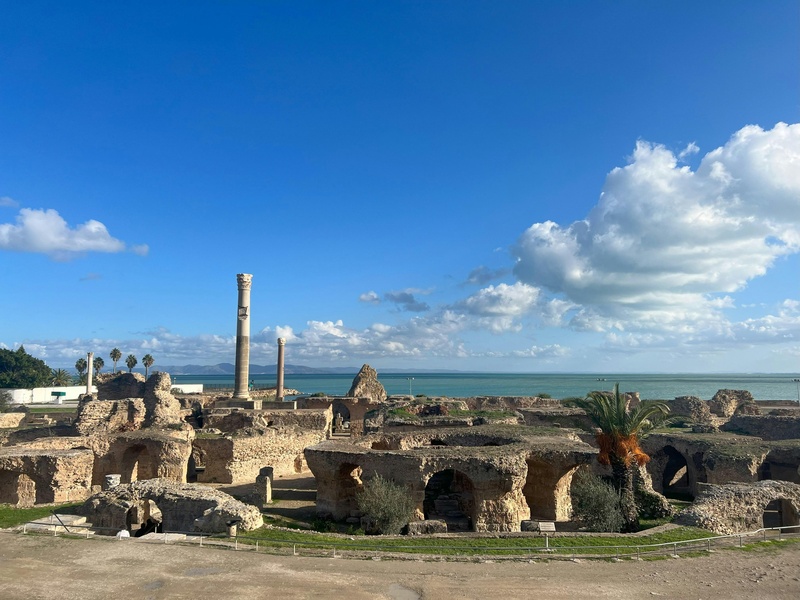
Carthage
Ancient Phoenician and Roman city on the Tunisian coast. It hosts ruins of ports, villas, and baths. It marks Tunisia’s Punic and Roman past and guides understanding of Mediterranean trade and warfare.
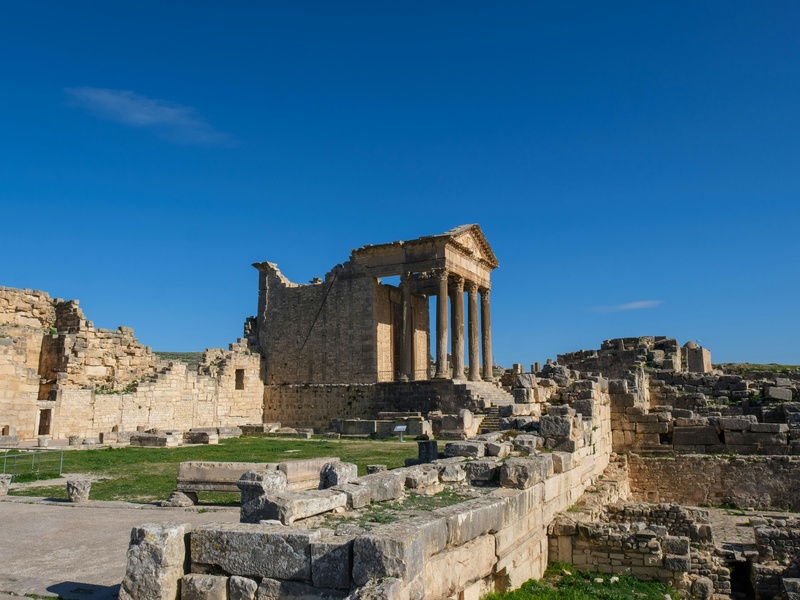
Dougga
Well-preserved Roman town inland with temples, theatres, and mosaics. It shows urban life in Roman Africa. It ranks as one of the best examples of a Roman town in North Africa.
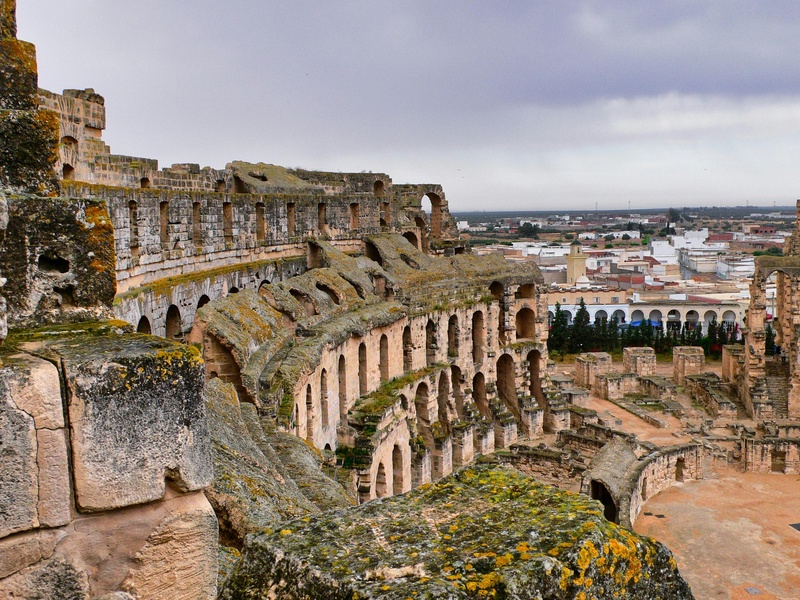
El Jem Amphitheatre
Massive third-century Roman amphitheatre in El Jem. It holds one of the largest colosseum structures outside Rome. It illustrates Roman entertainment and monumental architecture.

Kerkouane
Coastal Punic town with intact urban layout and artisan quarters. It preserves Phoenician-Punic city planning rarely seen elsewhere. It provides direct evidence of Punic civilian life.
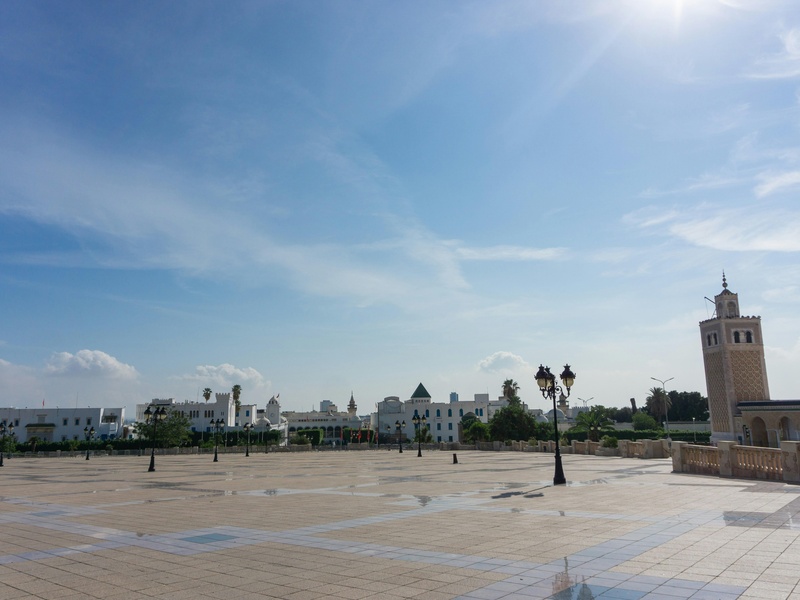
Medina of Tunis
Historic walled old town at Tunisia’s capital. It contains mosques, souks, and palaces from many eras. It remains a living center of traditional crafts and urban life.
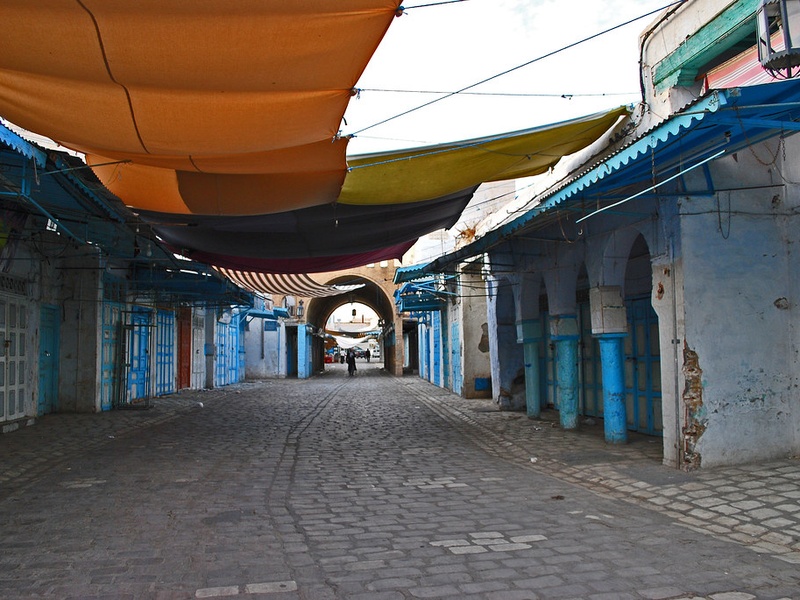
Medina of Kairouan
Old city around one of Islam’s oldest mosques. It serves as a major religious and learning center since the 7th century. It shaped Islamic architecture and North African spiritual life.
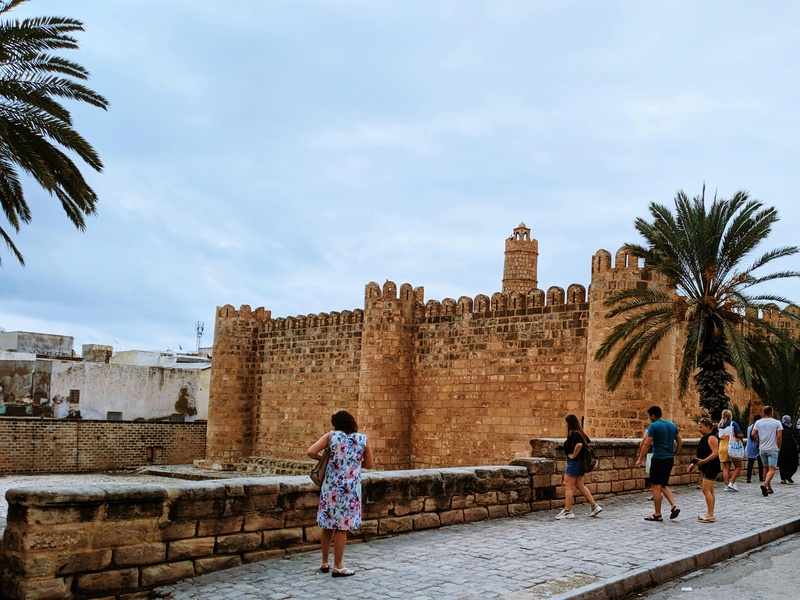
Medina of Sousse
Historic coastal medina with fortifications and narrow alleys. It combines commercial, religious, and residential sites. It reflects medieval Mediterranean urban life.
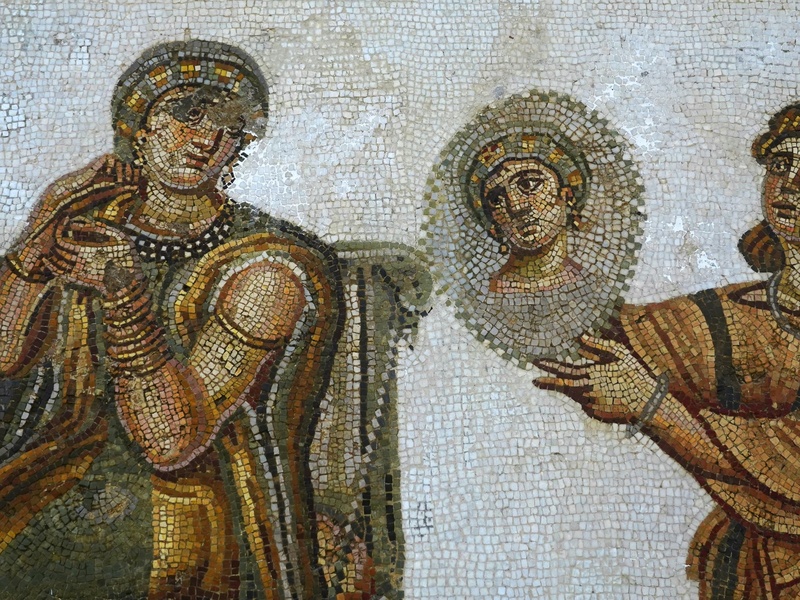
Bardo Museum
National museum with a large Roman mosaic collection. It holds artifacts from Punic, Roman, and Islamic periods. It offers context and objects from Tunisia’s archaeological sites.
Bulla Regia
Roman town known for underground semi-subterranean houses. It shows how Romans adapted architecture to a hot climate. It preserves fine mosaics and house plans.
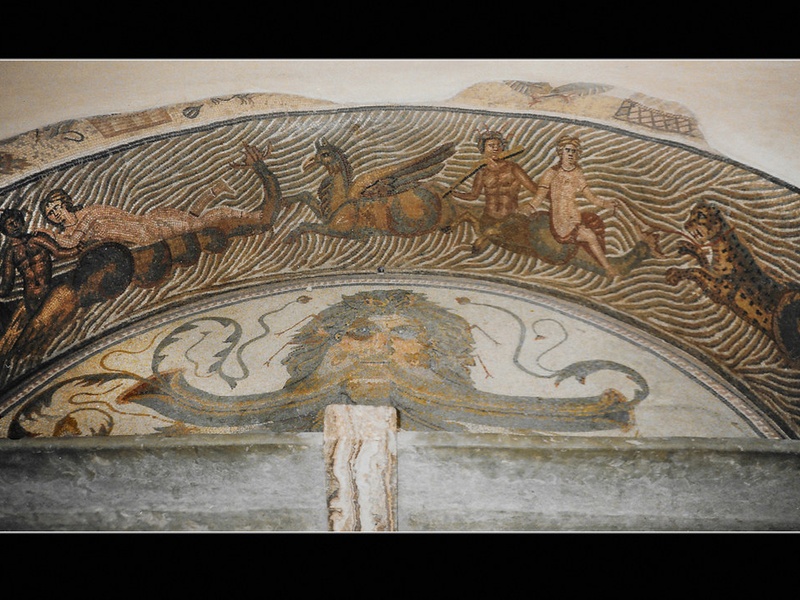
Thuburbo Majus
Roman city with temples, arches, and a forum near modern-day Kairouan. It contains well-preserved mosaics and civic buildings. It illustrates provincial Roman urban design.
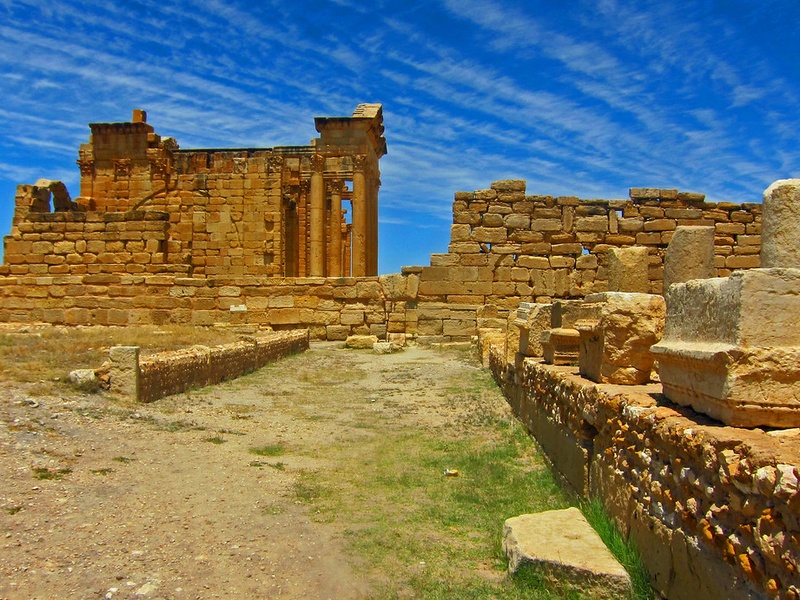
Sbeitla (Sufetula)
Roman town with three surviving temples on a single forum. It shows religious and civic life in late antiquity. It preserves layered Roman and Byzantine remains.
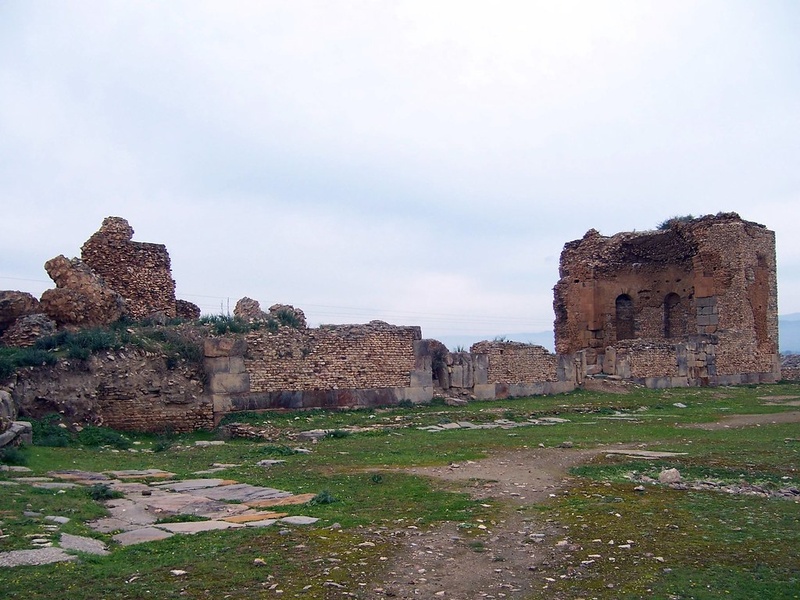
Chemtou (Simitthus)
Ancient marble quarry town near the Algeria border. It supplied marble across the Roman world. It shows industrial activity, quarries, and Roman architecture.
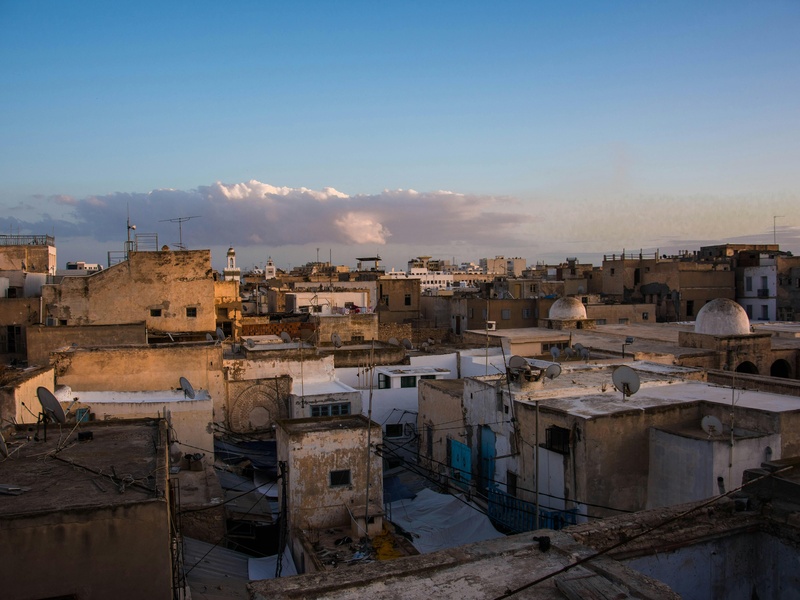
Medina of Sfax
Compact walled old town with strong urban character. It maintains traditional trades and defensive walls. It acts as a working historical quarter on the coast.
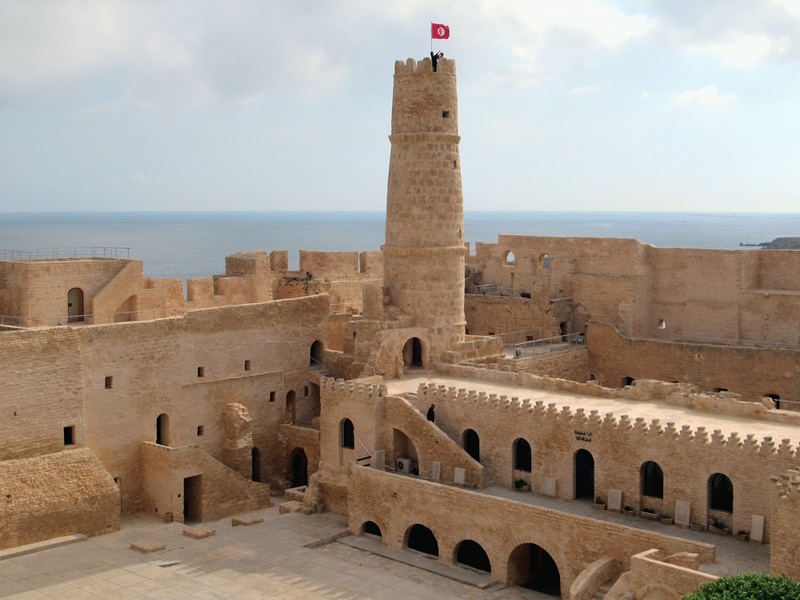
Ribat of Monastir
Fortified monastery overlooking the sea at Monastir. It served military and religious roles in early Islamic centuries. It offers views and insight into coastal defenses.
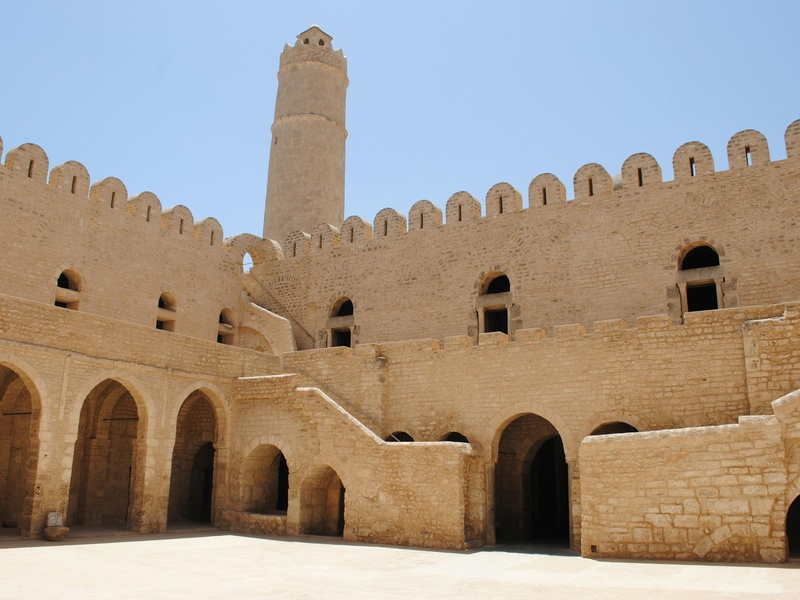
Ribat of Sousse
Sea-front fortress and religious site in Sousse. It combines watchtower functions with devotional spaces. It stands as an example of early Islamic ribat architecture.
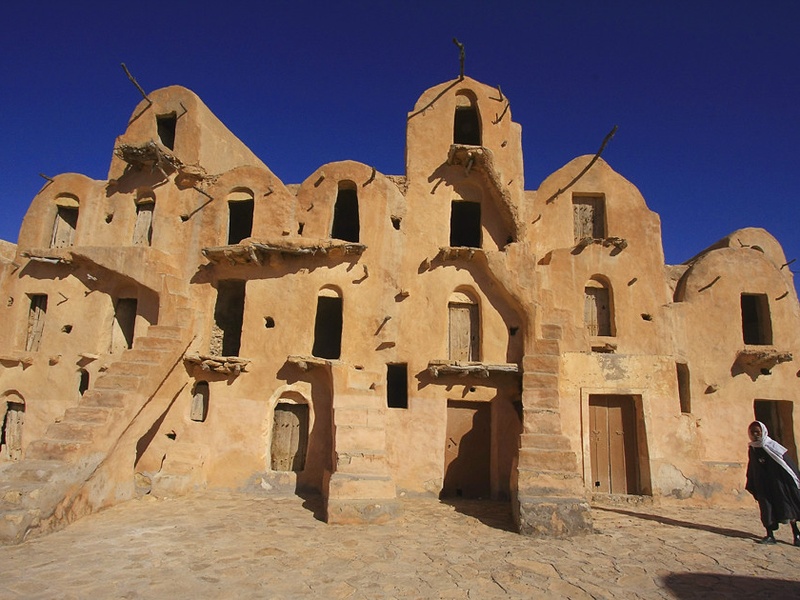
Ksar Ouled Soltane
Granary fortress (ksar) with stacked storage rooms and ornate ghorfas. It represents Berber communal grain storage and desert architecture. It reflects rural life and trade routes.
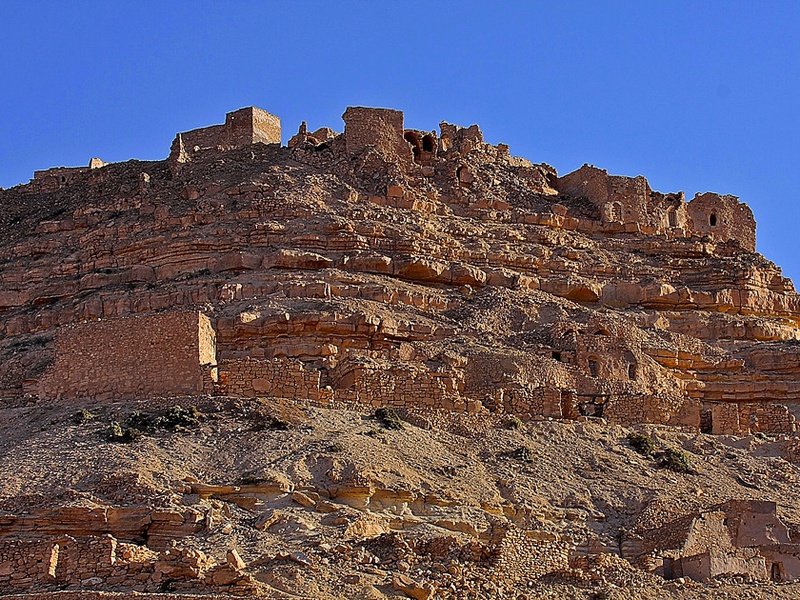
Chenini
Hilltop Berber village built into rocky slopes. It holds troglodyte houses and old granaries. It illustrates mountain oasis settlement and defensive placement.
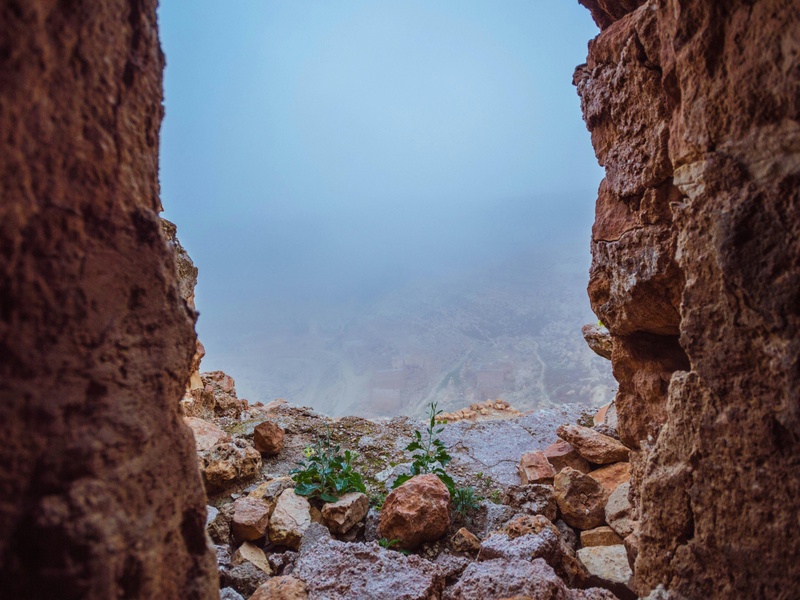
Douiret
Old fortified Berber village on a ridge with narrow alleys. It preserves abandoned homes and ksour architecture. It exemplifies pre-modern Saharan life and migration patterns.
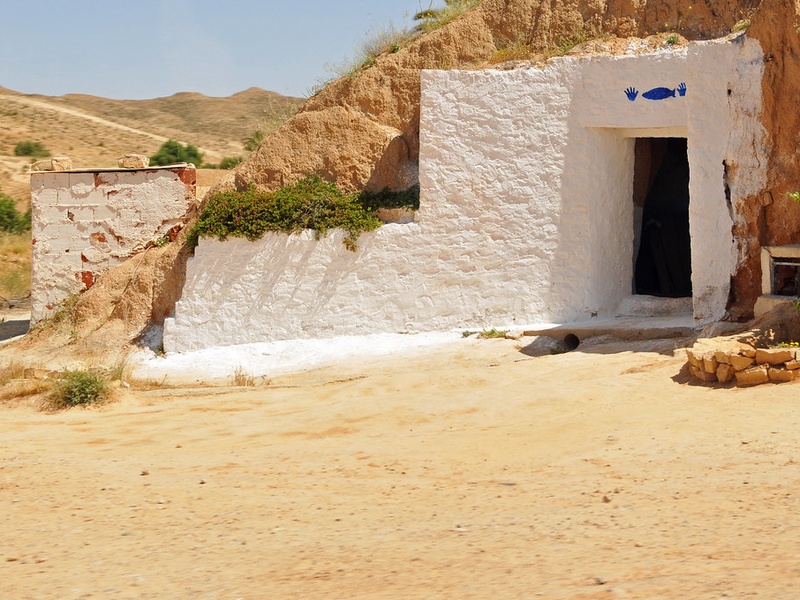
Matmata
Village of troglodyte cave homes carved into soft rock. It shows traditional underground living for climate control. It remains a striking example of adaptive desert architecture.
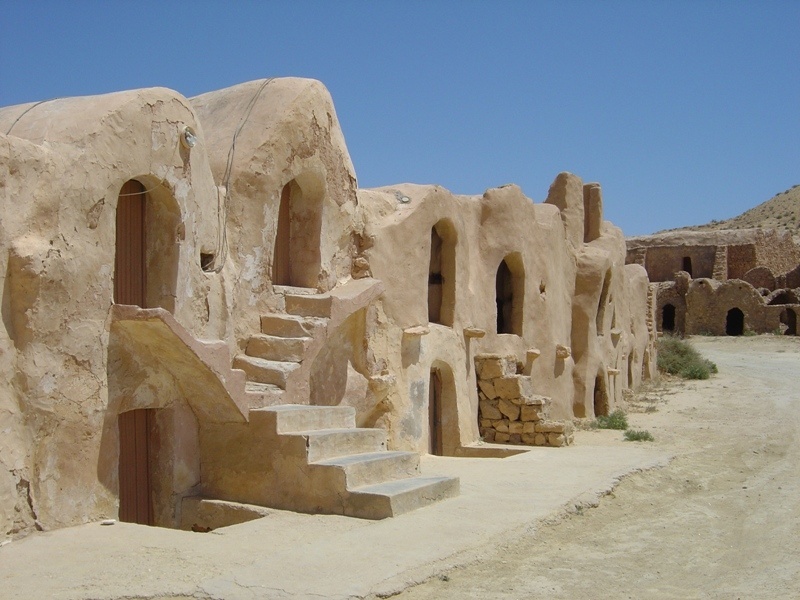
Ksar Hallouf
Small fortified granary (ksar) with ghorfas and a mosque. It illustrates communal storage and Saharan trade history. It stands as a local example of ksour design.
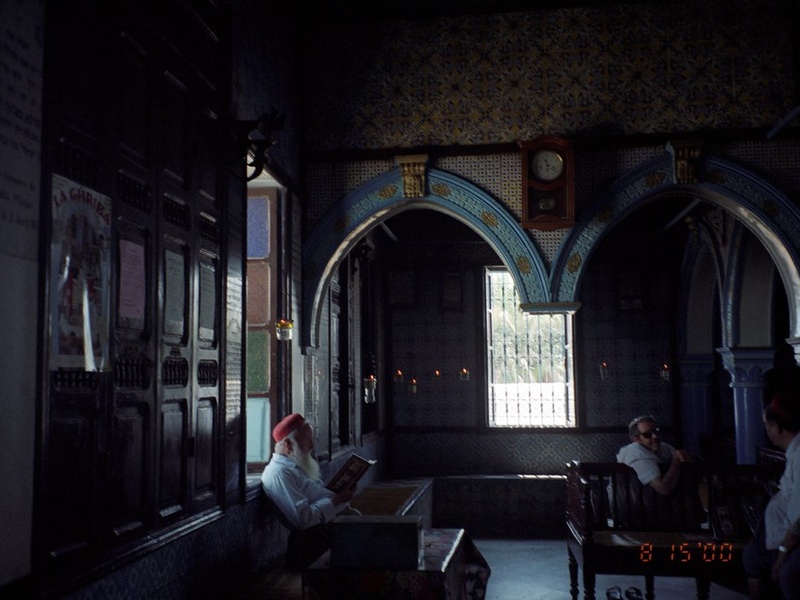
El Ghriba Synagogue
Historic Jewish synagogue on Djerba island with ancient roots. It serves as a major pilgrimage and cultural site. It testifies to Tunisia’s long Jewish heritage.
Houmt Souk (Djerba Medina)
Main town and medina of Djerba with markets and craft shops. It blends Berber, Arab, and Jewish traditions. It acts as a cultural and commercial hub on the island.
Kelibia Fort
Hilltop fort with panoramic sea views on the Cap Bon peninsula. It traces medieval and early modern coastal defenses. It offers insight into maritime security and local power.
Borj el Kebir (Djerba Fort)
Large coastal fort guarding Djerba’s harbor. It played roles in Ottoman and European conflicts. It contains ramparts, courtyards, and a maritime museum.
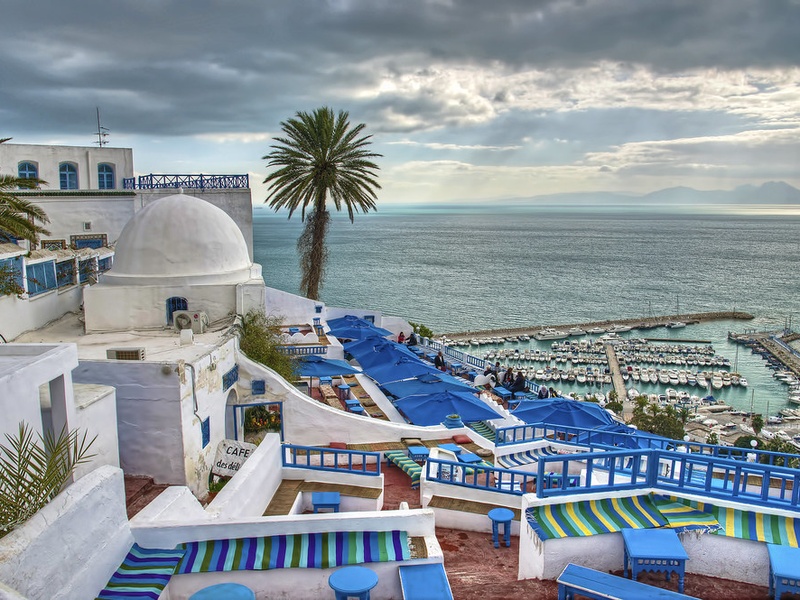
Sidi Bou Said
Cliffside village near Tunis with white houses and blue doors. It became an artists’ and intellectuals’ retreat in the 19th and 20th centuries. It provides scenic views and cultural atmosphere.
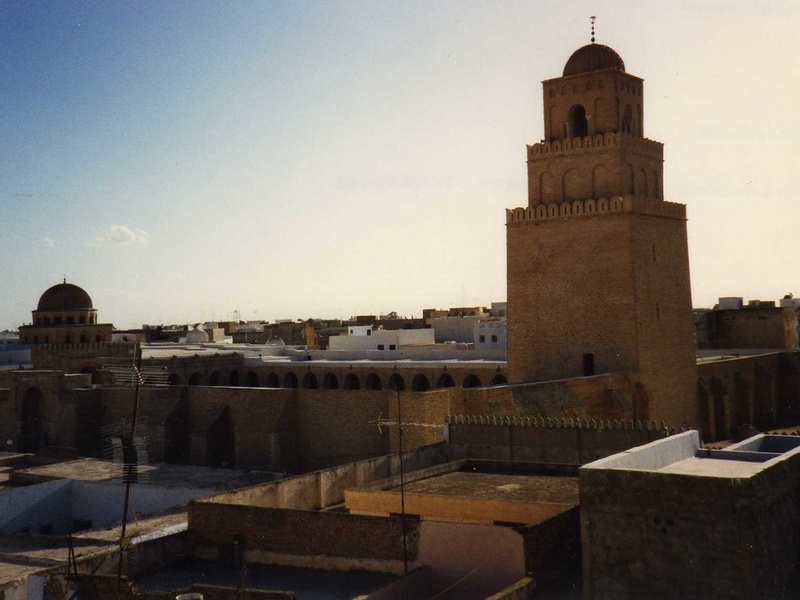
Great Mosque of Kairouan
One of Islam’s oldest mosques and a key religious landmark. It anchors Kairouan’s spiritual and architectural history. It influenced mosque design across North Africa.
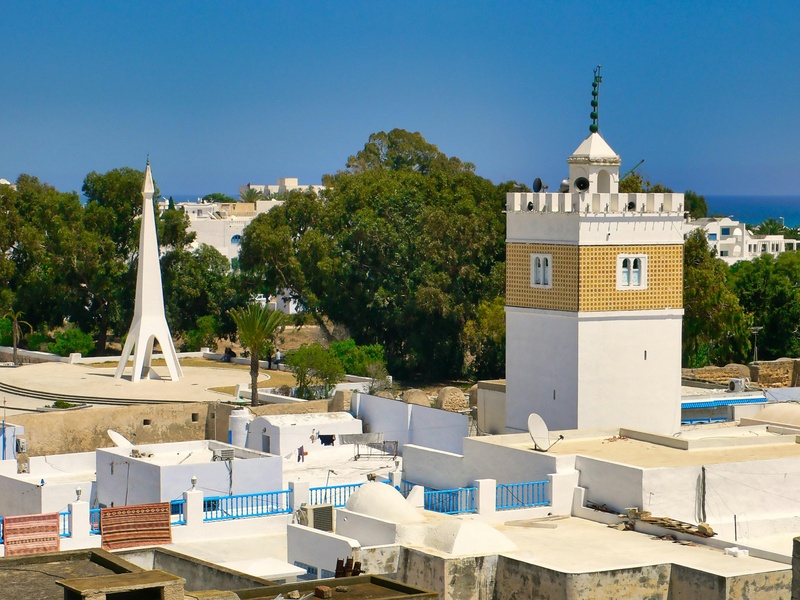
Hammamet Medina
Walled old town with baths, narrow streets, and crafts. It mixes coastal tourism with traditional urban fabric. It preserves historic gates and artisan shops.
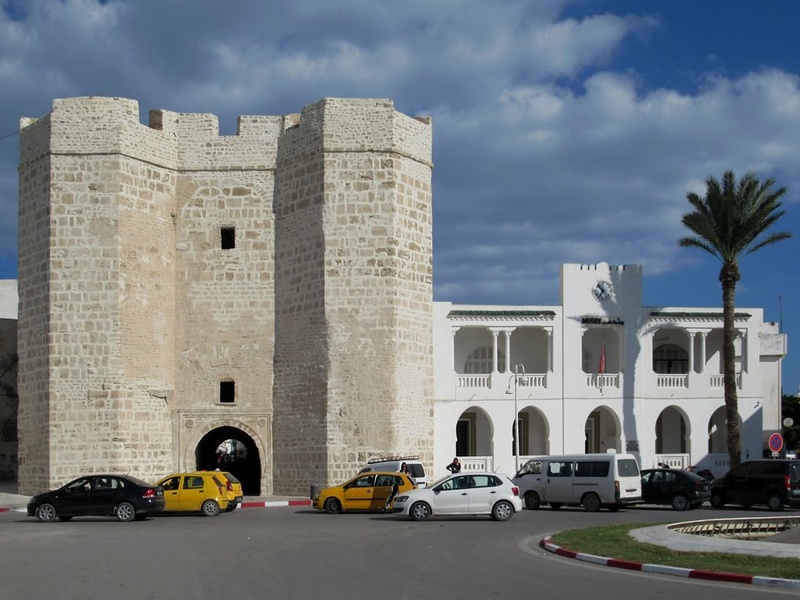
Mahdia Medina (Skifa El Kahla)
Seaside medina with a large fortified gate and old port. It contains burial sites and Ottoman-era structures. It highlights medieval coastal trade and defense.
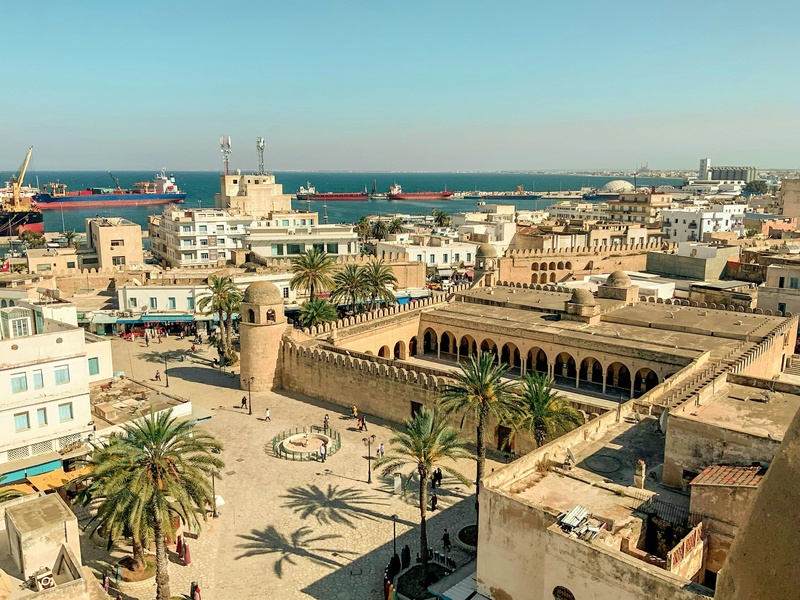
Sousse Archaeological Museum
Museum in a former cathedral near the medina. It displays mosaics, sculptures, and funerary objects. It complements nearby Roman and early Christian ruins.
Carthage National Museum
Museum housing artifacts from Carthage and the wider region. It organizes Punic and Roman finds, inscriptions, and sculptures. It clarifies the archaeology of ancient Carthage.
Oudna (Uthina)
Roman town with theatre, forum, and villas near Tunis. It preserves roads and public buildings. It illustrates local Roman settlement patterns and rural economy.
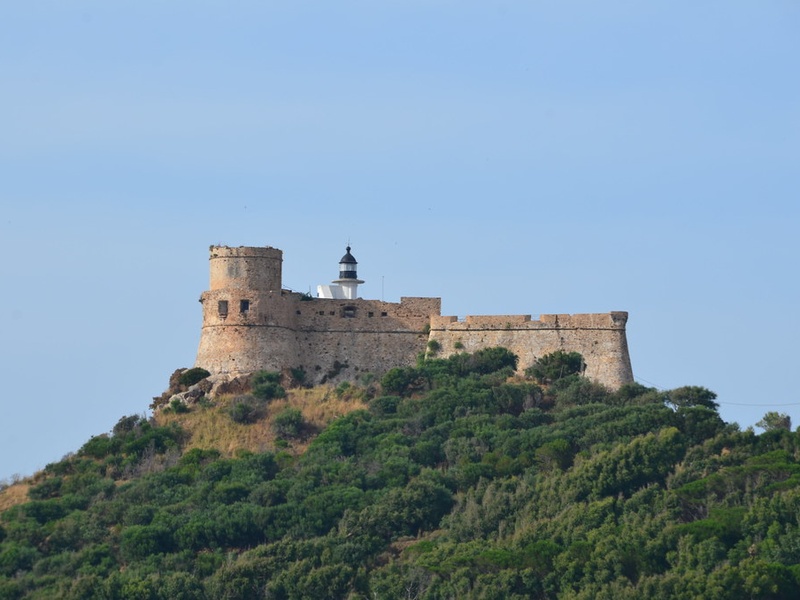
Tabarka Fort
Coastal fort in Tabarka connected to Genoese and Ottoman history. It guards a historic harbor and coral fisheries. It reflects Mediterranean colonial and trading links.
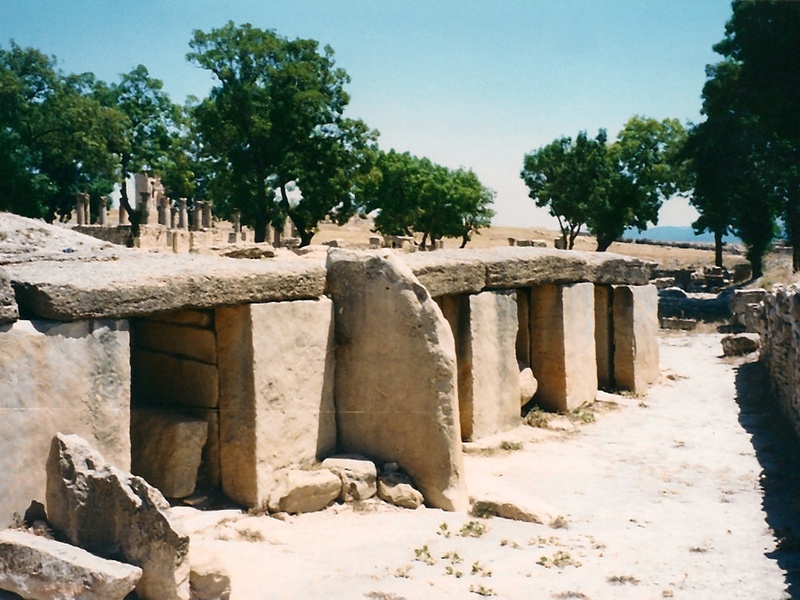
Maktar
Hilltop Berber and Roman town with fortifications and mosaics. It contains Punic, Roman, and medieval layers. It offers panoramic views and archaeological remains.
Thyna
Ancient coastal settlement with Roman and Phoenician remains near Sfax. It includes port facilities and mosaics. It reveals coastal commerce and rural activity.
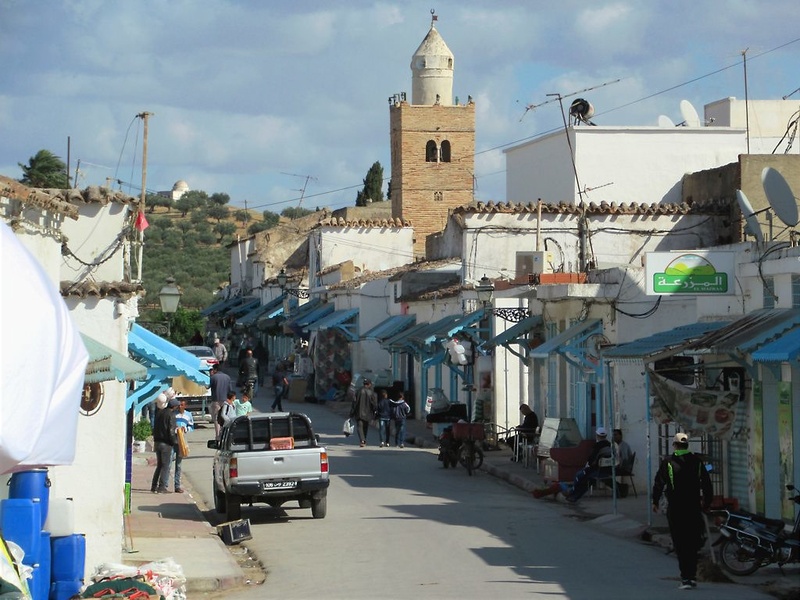
Testour
Town with Andalusian-Moorish architecture and a distinctive clock tower. It preserves Arabic music and crafts from expelled Spanish Muslims. It shows cultural blending in inland Tunisia.
El Kef Citadel
Hilltop kasbah and citadel with views over the Medjerda valley. It served strategic and administrative roles in Ottoman times. It anchors regional history and fortified urban planning.
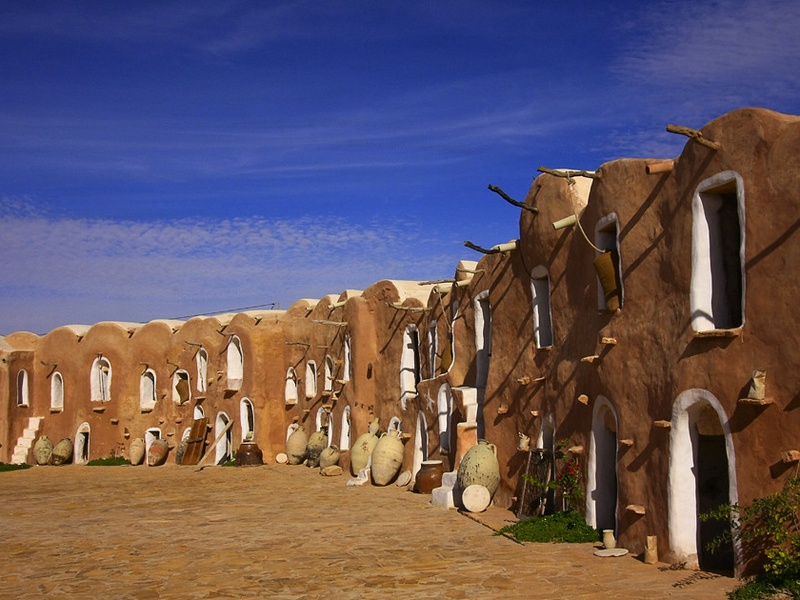
Ksour of Tataouine
Group of fortified granaries and hilltop villages in the south. They served as communal storage and defense for desert communities. They show Berber organization and architecture.
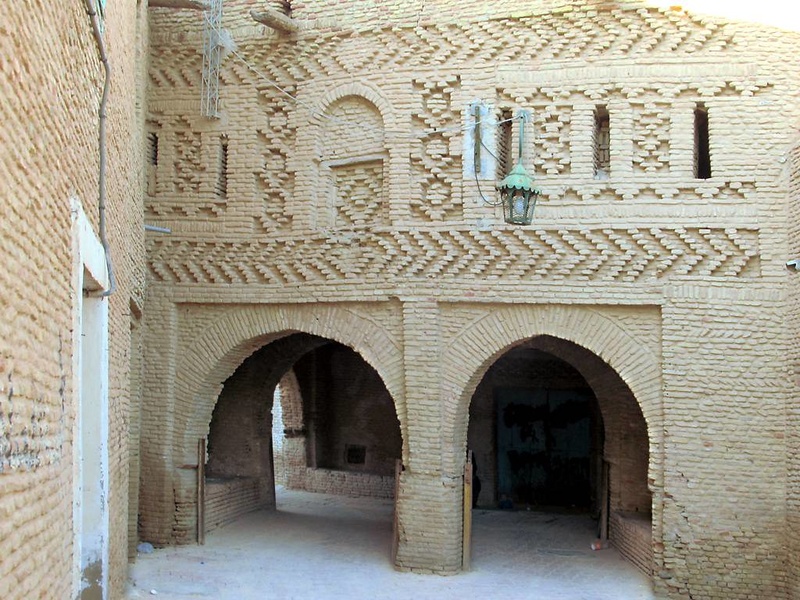
Tozeur Medina
Oasis town with brickwork houses and winding alleys. It sits at the edge of the Sahara and supports date palm cultivation. It displays unique earthen architecture and irrigation heritage.
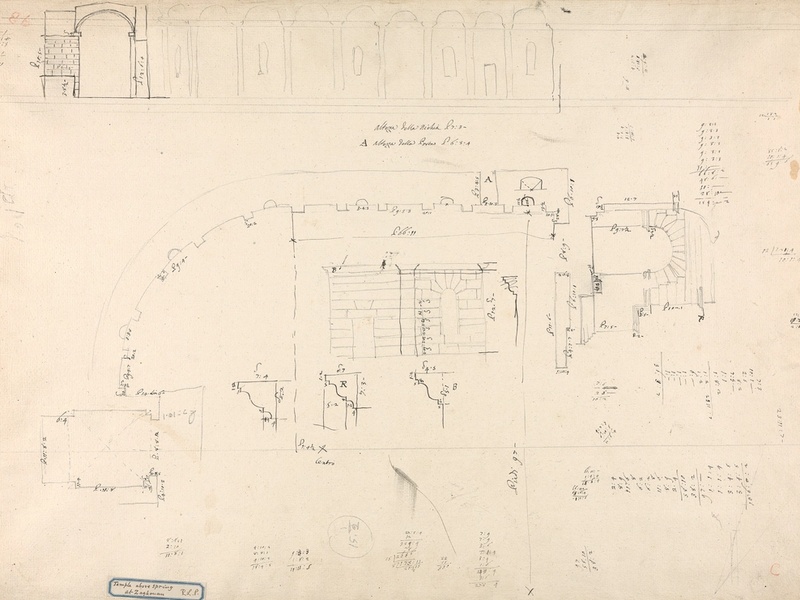
Temple of Zaghouan
Roman water temple at the source of ancient aqueducts. It links to the water supply that served Carthage and Tunis. It illustrates Roman engineering and religious practice.
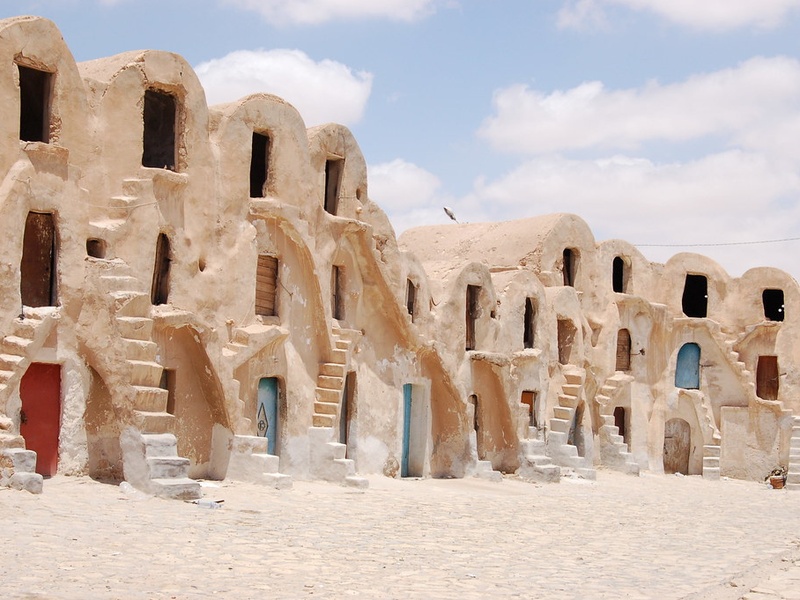
Ksar Medenine
Fortified granary complex with rows of ghorfas near Medenine town. It served caravan trade and grain storage in the south. It stands as a well-known example of ksar architecture.
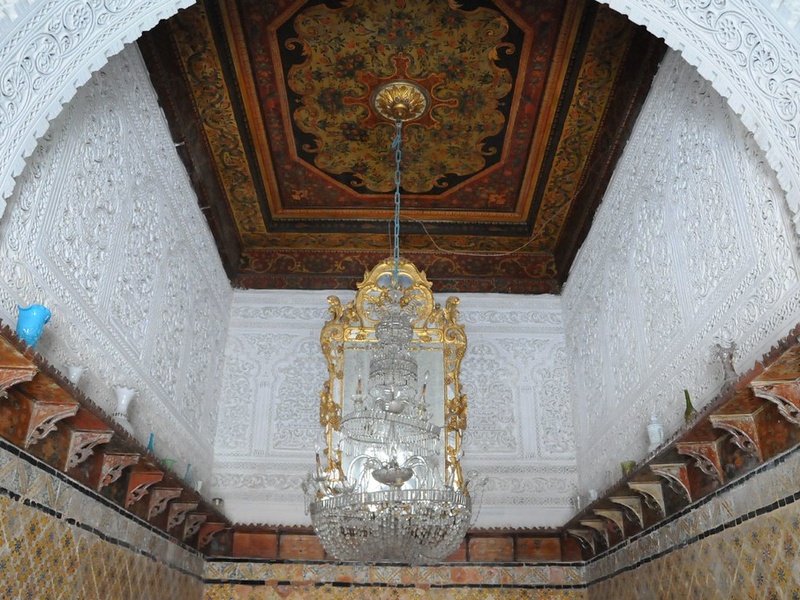
Dar Ben Abdallah Museum
Historic house museum in the Medina of Tunis. It showcases daily life, costumes, and household objects. It highlights urban domestic culture and crafts.
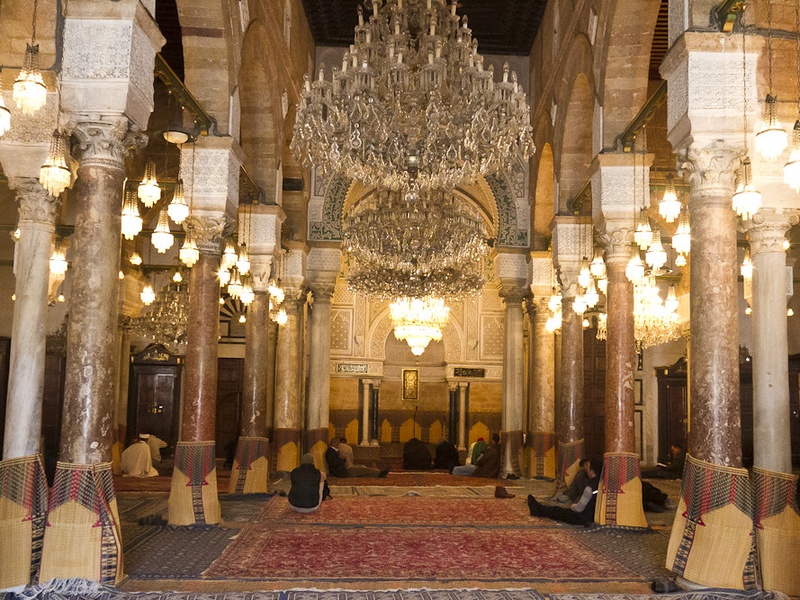
Zitouna Mosque
Grand mosque at the heart of the Medina of Tunis. It served as a center of learning, law, and religion for centuries. It anchors the spiritual and intellectual history of Tunis.
Kasbah of Sfax
Fortified citadel inside Sfax’s medina used for defense and administration. It contains towers, gates, and historic rooms. It illustrates coastal urban fortification and local governance.
Guellala Village
Pottery village on Djerba known for traditional ceramics and kilns. It preserves Berber pottery techniques and designs. It offers insight into island craft traditions and rural life.
Roman Baths of Zaghouan
Remains of a large Roman thermal complex near Zaghouan. It connects to the nearby temple and the aqueduct system. It documents Roman leisure and hydraulic engineering.
Aïn El Hamma Roman Site
Roman site with baths and a settlement near Gafsa. It links to local water sources and mining activity. It reflects Roman rural infrastructure and resource use.
Ribat of Mahdia
Seaside fortress and early Islamic ribat with towers and walls. It guarded the Fatimid dynasty’s plans and coastal approaches. It forms part of Mahdia’s historic harbor defenses.