The Schueberfouer — Luxembourg’s annual fair founded in 1340 by Count John the Blind — is a striking example of how long-lived public customs still shape daily life. That single date hints at something larger: rituals and gatherings in this small country bind families, towns and regions together, draw visitors from abroad, and keep culinary and craft traditions visible to new generations. These practices also make Luxembourg a layered, multilingual place: markets and processions take place in Luxembourgish, French and German, while wine festivals and church rites pull in neighbouring cultures and tourists alike. This piece lays out ten of the most important customs—from UNESCO-listed processions to seasonal food and civic rituals—showing how they sustain identity, lift local economies and invite intergenerational participation. If you want a quick guide to key public events, staple dishes and family practices, read on for concrete examples and where to experience them yourself.
Public Festivals and Annual Celebrations
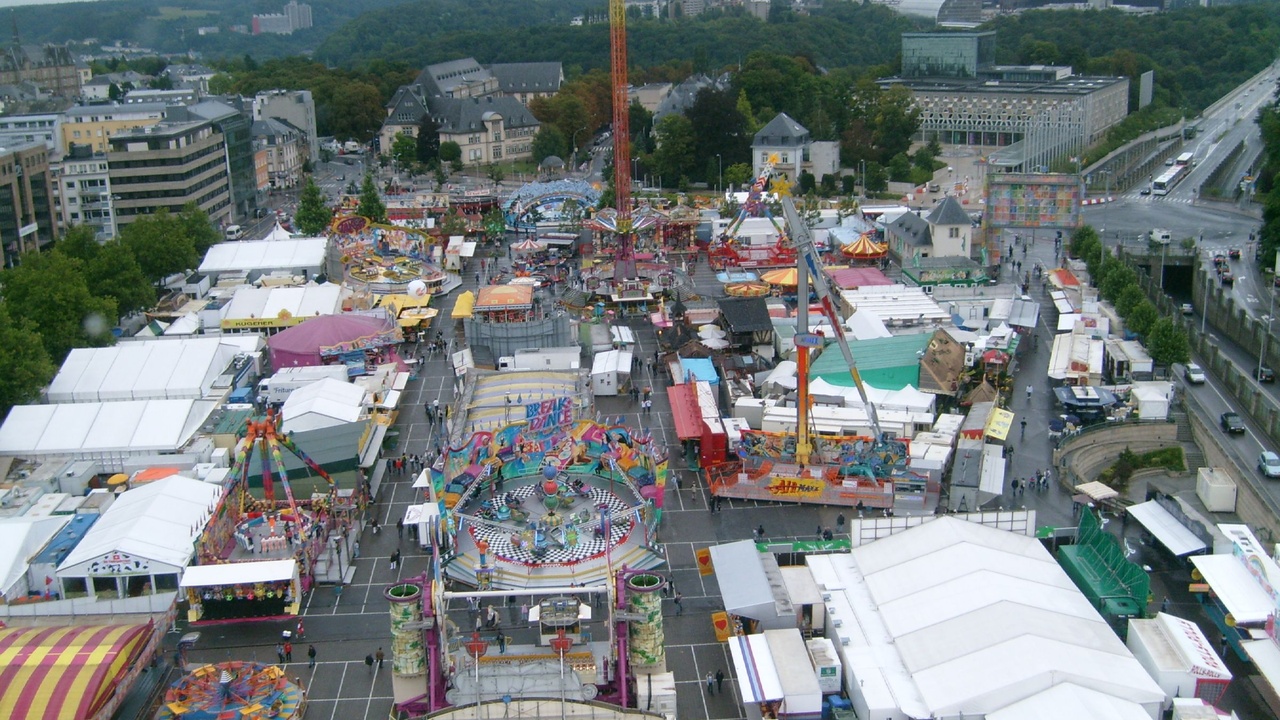
Large public events in Luxembourg act as cultural touchstones and reliable tourist draws. Towns stage summer fairs, spring bonfires and national ceremonies that attract visitors, support dozens of small vendors, and offer steady weekend income for artisans and food stalls.
Beyond the immediate economic boost—local estimates often show tens of thousands visiting bigger events—festivals are where civic identity is performed: parades, communal meals and open-house receptions make the abstract idea of nationhood tangible.
Most importantly, these gatherings invite intergenerational participation. Teen volunteers run booths, grandparents bring family recipes, and children learn rituals by watching. Below are four public traditions that illustrate how gatherings sustain community life and tourism across Luxembourg.
1. Schueberfouer — The centuries-old fair (since 1340)
Schueberfouer is Luxembourg City’s historic fair, founded in 1340 and still held each late August into early September for roughly two weeks.
It’s a lively mix of carnival rides, artisan stalls and food stands that supports small vendors and regional craftspeople. The fair provides a predictable sales window for makers of candles, woodwork and textiles, as well as for temporary operators such as ride owners and games stalls.
Food is central: stalls selling gromperekichelcher (potato pancakes), bratwurst and waffles sit alongside traditional fairground attractions, keeping street-food customs visible to younger crowds and tourists.
Schueberfouer’s continuing popularity shows how a medieval charter can translate into modern economic and cultural life, ensuring traditional recipes and crafts remain part of everyday experience.
2. National Day (Groussherzogsdag) — June 23 public celebrations
National Day on June 23 marks the Grand Duke’s official birthday and is the country’s principal civic celebration.
The day features military parades, official receptions with open doors at the Grand Ducal Palace, municipal concerts and a televised address from the head of state. Towns across the country stage their own festivities, so the mood is national and local at once.
Fireworks usually light the sky over Luxembourg City, often above the Alzette valley, and many expatriate Luxembourgers plan family reunions around the date, making it a social as well as ceremonial occasion.
3. Echternach Dancing Procession — UNESCO-listed pilgrimage
The Echternach dancing procession is a distinctive blend of religious devotion and folk ritual, inscribed on UNESCO’s Intangible Cultural Heritage list in 2010.
Held each May in honour of Saint Willibrord, participants move through Echternach’s old town using rhythmic hopping or sliding steps rather than a simple walk. The choreography, church services and adjacent market stalls preserve a living medieval practice while drawing international visitors.
For locals the procession is both pilgrimage and performance: families, pilgrims and tourists line the route, and vendors sell refreshments and souvenirs that link the rite to everyday town life.
4. Buergbrennen — Spring bonfires to mark seasonal renewal
Buergbrennen is a traditional spring bonfire observed in many towns, typically on the first Sunday after Lent or in early March, depending on local custom.
Local youth groups, scout troops or municipal councils organize the pyres; volunteers build tall wood stacks and communities gather for music, mulled wine and sausages around the flames.
Beyond warmth and spectacle, Buergbrennen signals seasonal renewal and strengthens neighborhood bonds through shared labor and festivity.
Culinary and Folk Traditions
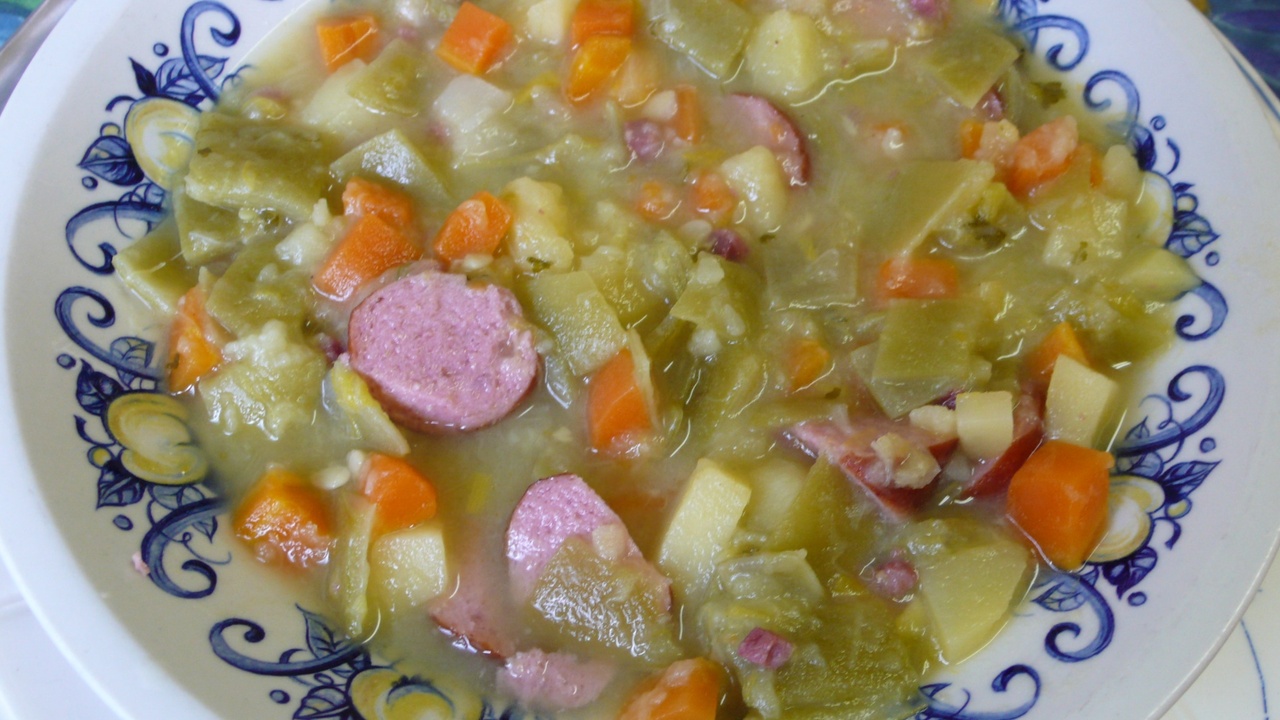
Food and folk crafts are practical forms of cultural memory in Luxembourg: recipes, winemaking and market stalls carry regional identity from village kitchens to city squares. The Moselle valley’s vineyards anchor a centuries-old agricultural rhythm, while fair foods and home dishes keep people connected to seasonality and family stories.
Culinary traditions also support local economies—small domaines and producers rely on cellar tours and festivals, and artisans sell related products at markets. Below are three staples that reveal how taste and craft sustain community life.
5. Gromperekichelcher — Potato pancakes at fairs and markets
Gromperekichelcher are a staple street food at fairs and markets, especially visible during Schueberfouer and town festivals.
Made from grated potato, onion and parsley, they’re fried until crisp and often sold with apple compote or mustard. Vendors at markets keep the technique straightforward, while family cooks pass down small twists—more onion here, a touch of bacon there.
The dish functions as comfort food: cheap to produce, popular with kids and adults alike, and an easy way for cooks to showcase regional variations to visitors.
6. Judd mat Gaardebounen — Luxembourg’s national dish
Judd mat Gaardebounen—smoked pork collar with broad beans—is widely regarded as Luxembourg’s classic dish and appears on many restaurant menus and family tables for special occasions.
The preparation centers on gently cooked smoked pork paired with fresh broad beans and boiled potatoes, often finished with a light sauce. Traditional brasseries in Luxembourg City still serve time-honoured versions, and family recipes often surface at weddings and holiday lunches.
It’s a dish that illustrates rural roots moving into urban dining: simple ingredients, slow cooking and a social setting that invites sharing.
7. Moselle winemaking — Vine culture along the river
The Moselle valley supports a long-standing winemaking tradition focused on white varietals such as Riesling, Auxerrois and Pinot Gris, with vineyards covering roughly 1,200 hectares along the river.
Wine is both a local staple and an export commodity; cellar tours, seasonal harvest festivals and municipal wine fairs attract visitors and generate income for domaines and associated businesses.
Grevenmacher and neighbouring towns host cellar tastings and festivals where visitors can meet producers, learn about techniques and buy bottles directly from the source.
Family, Language and Civic Rituals
Private and civic rituals—language practices in schools, christenings and seasonal family rites—are as important as public festivals for cultural continuity. Schooling shapes linguistic habits, godparent roles cement social networks, and holiday customs teach the next generation how to belong.
These habits are practical too: trilingual education prepares children for jobs and civic life, while family ceremonies keep ties between urban and rural relatives. The three examples below show how ritual appears in classrooms, churches and living rooms across Luxembourg.
8. Multilingual schooling — Luxembourgish, French, German in daily life
Luxembourg’s education system and daily public life rely on three working languages: Luxembourgish, French and German.
Luxembourgish was officially codified as the national language in 1984, and the schooling system phases instruction across languages—early primary often uses Luxembourgish and German, while later cycles introduce French as the language of many subjects.
That multilingual routine shapes media, administration and job prospects: public signage shifts between languages, newspapers publish in French and German, and trilingual classroom practices prepare students for a cross-border labour market.
9. Godparent and christening rituals — Family continuity and social ties
Christenings and the choice of godparents remain central family rituals that weave extended kin networks into a child’s life.
Families typically choose godparents expected to support the child’s upbringing; the ceremony commonly involves a church baptism followed by a family meal and gift-giving. Godparents often stay involved, attending school milestones or confirmations.
These rituals reinforce social ties: they’re less about obligation and more about an ongoing relationship that ties families across generations and geographies.
10. Kleeschen and Christmas markets — Seasonal rituals for families
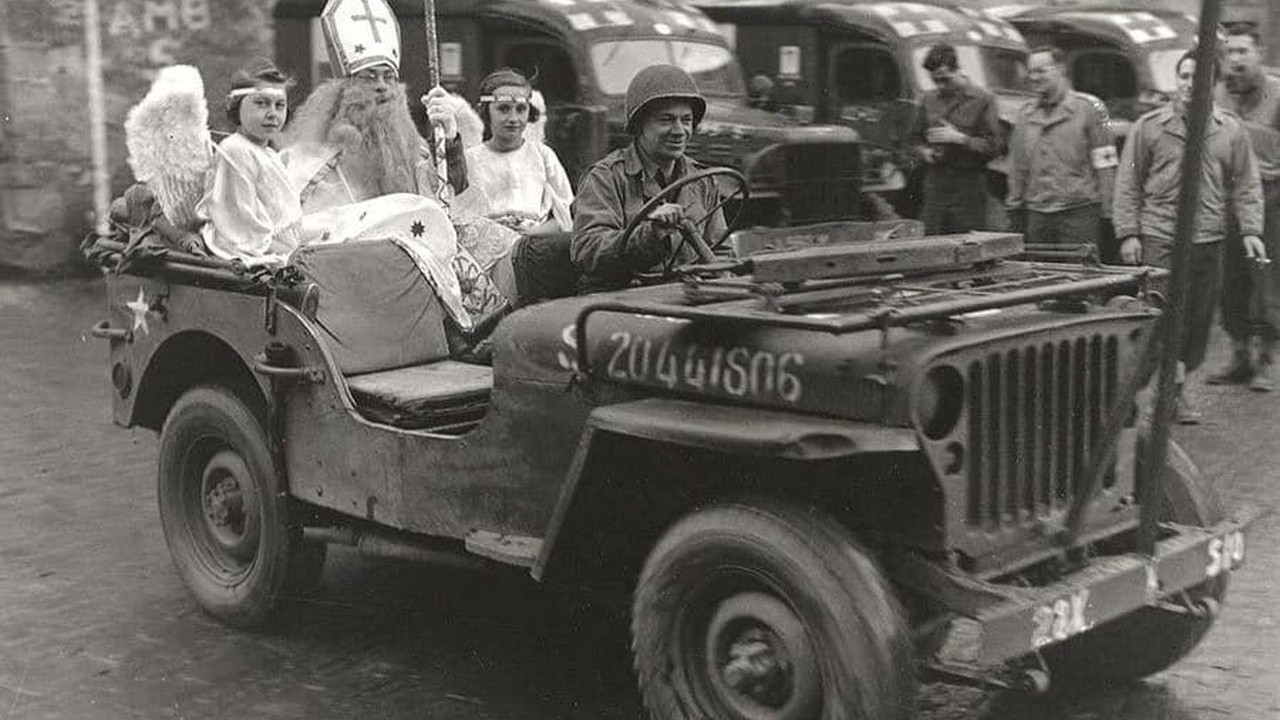
Kleeschen (Saint Nicholas) on December 6 is a warm, family-oriented tradition that precedes the wider Christmas market season across Luxembourg.
Saint Nicholas, often accompanied by an assistant, visits schools and town squares to hand out nuts, sweets and small gifts. Municipal Christmas markets open from late November through December, supporting artisans and seasonal employment while giving families a festive place to gather.
Together, Kleeschen and the markets pass holiday customs to children and provide predictable seasonal income for small producers and stallholders.
Summary
- Schueberfouer traces back to 1340 and still anchors city life, showing how centuries-old events remain economically and culturally relevant.
- The Echternach dancing procession carries UNESCO recognition and preserves a rare medieval ritual that attracts international pilgrims and curious visitors.
- Language and schooling matter: multilingual education (Luxembourgish, French, German) shapes civic life and career paths while keeping local speech alive.
- Local food and drink—from gromperekichelcher at fairs to Judd mat Gaardebounen and Moselle wines—are everyday expressions of regional identity and support small producers.
- Attend a festival, sample a traditional dish, or learn a simple Luxembourgish phrase to connect with these living customs; experiencing them firsthand is the quickest way to understand why traditions in luxembourg still matter.