Albania’s linguistic landscape reflects its position at the crossroads of the Balkans: village dialects, minority tongues and the national language coexist across coastal towns and mountain valleys. Small communities and family traditions have preserved distinct ways of speaking that tell the country’s social and historical story.
There are 6 Indigenous Languages in Albania, ranging from Albanian to Romani; for each language you’ll find below the ISO code, Estimated speakers, Regions spoken — organized so you can compare size and distribution at a glance, and you’ll find below.
Which of these languages is the official language of Albania?
Albanian is the official state language and is used in government, education and media; the others, like Romani and other minority languages, are generally recognized at a community level and may receive local support or educational provisions depending on regional policies.
How can I find reliable information or learning resources for these languages?
Start with university language departments, local cultural associations, and NGOs working on minority rights; UNESCO and Ethnologue offer reference data (ISO codes and speaker estimates), while community groups and online platforms often provide practical learning materials and contacts.
Indigenous Languages in Albania
| Language | ISO code | Estimated speakers | Regions spoken |
|---|---|---|---|
| Albanian | sqi | 2,800,000 | Nationwide (Gheg north, Tosk south) |
| Greek | ell | 24,000 | Southern Albania (Vlorë, Gjirokastër, Sarandë, Delvinë, Finiq) |
| Aromanian | rup | 8,000 | Southern/central highlands (Korçë, Pogradec, Vlorë, Gjirokastër) |
| Romani | rom | 10,000 | Widespread (Tirana, Durrës, Shkodër, Elbasan, Korçë) |
| Macedonian | mkd | 5,500 | Southeast (Pustec municipality, Mala Prespa, Pogradec area) |
| Montenegrin | cnr | 500 | Vraka area (Shkodër district) |
Images and Descriptions

Albanian
Indo-European language native to Albanians with Gheg and Tosk varieties; Albania’s official national language, spoken by nearly the entire population; strong institutional support and robust vitality, though some rural dialects and local forms face gradual shift.
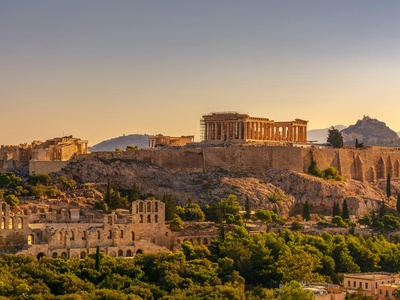
Greek
Hellenic language of the Greek minority in southern Albania; recognized in minority areas and subject to bilateral protections and limited local rights; small, concentrated communities with some language shift to Albanian and mixed vitality.
Aromanian
Eastern Romance (Vlach) language spoken by pastoral communities in southern and central Albania; officially acknowledged as a minority language; small bilingual communities, often vulnerable and listed as at-risk by language-watchers without robust intergenerational transmission.
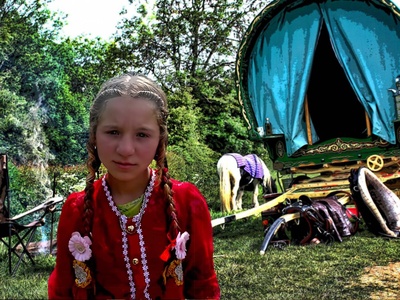
Romani
Indo-Aryan language(s) of Roma communities across Albania with several dialects and a strong oral tradition; limited formal recognition but covered by minority protections; vitality varies greatly by community, with significant bilingualism and ongoing language shift.
Macedonian
South Slavic language spoken by a compact minority in southeastern Albania; recognized locally (notably Pustec) with rights to education and media; small, concentrated speaker base and vulnerable outside protected municipalities.
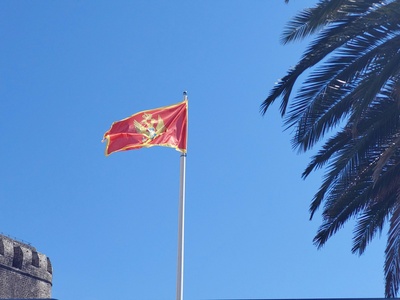
Montenegrin
South Slavic variety used by Serb-Montenegrin communities in the Vraka area; historically present but numerically small; largely bilingual with Albanian, limited institutional support, and fragile community-level transmission.