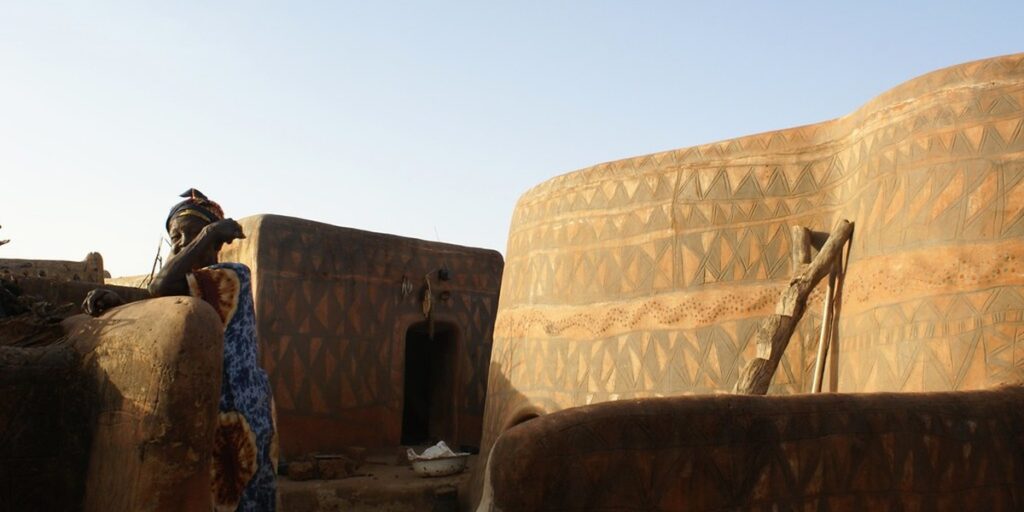
Burkina Faso sits at the crossroads of Sahelian and savanna cultures, where markets, storytelling and daily life are carried out in many local tongues. Knowing the linguistic landscape helps make sense of regional identity, education choices, and media access across the country.
There are 19 Indigenous Languages in Burkina Faso, ranging from Birifor to Tiefo. For each language you’ll find below entries organized by Family, Region(s), Speakers (approx.), so you can quickly compare distribution and speaker estimates across the list.
Which Indigenous languages are most widely spoken in Burkina Faso?
The largest native languages tend to be Mòoré (spoken widely in the center), Dioula/Jula (trade language across the west and south), and Fulfulde (used by pastoral communities across several regions). These play major roles in daily communication, radio and local administration, while many smaller languages are important within particular communities.
How accurate are the “Speakers (approx.)” figures and how should I use them?
Speaker numbers are estimates from censuses, surveys and linguistic studies; they can vary by source and change over time due to migration and bilingualism. Use the figures as rough guidance for relative size and consult recent censuses or specialist studies for precise planning or academic work.
Indigenous Languages in Burkina Faso
| Language | Family | Region(s) | Speakers (approx.) |
|---|---|---|---|
| Moore | Oti–Volta (Gur) | Central plateau (Ouagadougou, Centre) | 7,000,000 |
| Dioula | Mande (Jula/Dioula) | Western cities, markets nationwide (Bobo-Dioulasso, trade routes) | 1,500,000 |
| Fulfulde | Atlantic–Congo (Fula) | Sahel and northern provinces (Sahel, Nord) | 1,200,000 |
| Gourmanché | Gur (Gourmanchéma) | East (Est), Kompienga, Tapoa | 700,000 |
| Bissa | Gur (Bissa) | Centre-east (Boulgou, Kouritenga regions) | 600,000 |
| Bobo Madaré | Mande (Bobo) | Hauts-Bassins and southwest areas | 320,000 |
| Cebaara Senufo | Senufo family | Southwest (Cascades, Comoé areas) | 350,000 |
| Dagara | Gur (Dagara group) | Southwest (Comoe, Bougouriba regions) | 300,000 |
| Lobi | Niger–Congo (Lobi) | Southwest (Cascades, Comoé border areas) | 200,000 |
| Sissala | Gur (Sisaala) | Northwest border with Ghana (Boucle du Mouhoun area) | 230,000 |
| Kassena | Gur (Kassena) | Southeast border (Comoe, Nahouri areas) | 200,000 |
| Nuni (Nuna) | Gur (Nuni group) | Central-west and centre provinces | 150,000 |
| Samo | Gur (Samo group) | Central-south provinces (Ziro, Sissili areas) | 140,000 |
| Birifor | Senufo branch | Southwest (Comoé, Ioba areas) | 120,000 |
| Dafing (Dafin) | Mande (Manding group) | Western border areas (Houet, Hauts-Bassins) | 100,000 |
| Lyélé (Lele) | Gur (Gurunsi group) | Southwest (Ziro, Sissili provinces) | 200,000 |
| Puguli (Phuie) | Gur (Gurunsi subgroup) | Western provinces (Kénédougou area) | 40,000 |
| Tamasheq (Tuareg) | Berber (Tuareg group) | Northern Sahel provinces (Sahel, Oudalan) | 50,000 |
| Tiefo | Gur (Tiefo) | Western Kénédougou area | 1,500 |
Images and Descriptions

Moore
Mòoré is the Mossi people’s language and Burkina Faso’s largest indigenous tongue, dominant around Ouagadougou. Widely used in daily life, media and local government; vitality strong though urban bilingualism with French occurs.
Dioula
Dioula (Jula) is a Mande trade language long established in Burkina Faso. Common in markets and interethnic communication, it has many speakers and strong regional importance despite being one of several lingua francas.
Fulfulde
Fulfulde is spoken by Fulani communities across northern Burkina Faso. Important for pastoralist life and cross-border ties; vitality is robust among communities but mobility affects local dialects.
Gourmanché
Gourmanché (Gourmanchéma) is the major language of eastern Burkina Faso, spoken by the Gourmantché people. It remains vital in rural areas with active cultural transmission, though services use national languages.
Bissa
Bissa (Bisa) is a central-eastern language with strong rural presence and cultural traditions. Local vitality is good, used in family and community life, though younger speakers may be bilingual in Mooré or French.
Bobo Madaré
Bobo Madaré is a Mande language of the Bobo people in the southwest. It remains actively spoken locally, with vibrant cultural practices, though urban migration brings bilingualism.
Cebaara Senufo
Cebaara Senufo is one of several Senufo languages in southwestern Burkina Faso. It remains a strong community language with rich oral traditions; some dialectal variation exists across the region.
Dagara
Dagara is spoken by communities in southwestern Burkina Faso and neighboring Ghana. It is vital in rural areas and used in markets and ceremonies, though education is usually in French or regional lingua francas.
Lobi
Lobi is a local language of the southwestern borderlands with Ghana and Ivory Coast. It remains an important daily language with active intergenerational transmission, though communities are multilingual.
Sissala
Sissala is spoken near the Ghana–Burkina border in the northwest. It functions as a community language with stable use; cross-border ties keep dialects and usage dynamic.
Kassena
Kassena (Kasena) is a southeastern language with strong village-level use and cultural relevance. It remains vibrant locally but faces pressures from national mobility and schooling.
Nuni (Nuna)
Nuni (often called Nuna) is a cluster of related varieties in central Burkina Faso. Locally vital for family and community life; literacy and formal support are limited compared with major languages.
Samo
Samo encompasses several related varieties spoken in central-southern Burkina Faso. Communities maintain strong oral traditions; some varieties attract linguistic interest while schools often use dominant regional languages.
Birifor
Birifor is a Senufo subgroup language in the southwest. It is actively spoken in villages with cultural continuity; some dialects are vulnerable where migration is high.
Dafing (Dafin)
Dafing (Dafin) is a Manding variety spoken in western Burkina Faso. It shares features with neighbouring Manding languages, serving both community functions and cross-border interactions; vitality generally stable.
Lyélé (Lele)
Lyélé (Lele) is a Gurunsi language of the southwest. Widely used in rural daily life and ceremonies, Lyélé remains actively transmitted though schooling favors French or larger regional languages.
Puguli (Phuie)
Puguli is a smaller Gurunsi language spoken near Kénédougou. It is community-centered with most speakers using it daily; classified as vulnerable in places due to youth migration.
Tamasheq (Tuareg)
Tamasheq is the Tuareg language spoken by nomadic and settled groups in Burkina Faso’s far north. It remains culturally central but faces pressures from displacement, sedentarization and dominant regional languages.
Tiefo
Tiefo is a small, endangered Gur language of western Burkina Faso with very few fluent speakers. Linguists consider it vulnerable or endangered; community transmission is limited and older speakers predominate.