Tajikistan’s highlands and river valleys shelter a variety of local languages shaped by centuries of migration and close-knit mountain communities. Many of these tongues survive in small villages, carrying distinct vocabularies and oral traditions tied to specific valleys and peaks.
There are 12 Indigenous Languages in Tajikistan, ranging from Bartangi to Yazgulami. Each entry shows Family, Speakers, Region so you can see classification, estimated speaker numbers, and where each language is used — you’ll find below.
Are many of these indigenous languages endangered?
Yes. Several are spoken by small, often aging communities and face pressure from dominant languages like Tajik and Russian. The table below gives speaker estimates and regions, which help indicate vulnerability; documentation and local education efforts are key to preservation.
How closely related are these languages to Tajik and to each other?
Many belong to the Eastern Iranian (Pamir) group or other Iranian branches, while Tajik is a southwestern Iranian (Persian) variety that dominates national life. The Family column in the list shows these relationships and highlights which languages share common roots.
Indigenous Languages in Tajikistan
| Name | Family | Speakers | Region |
|---|---|---|---|
| Tajik | West Iranian | 8,000,000 | Nationwide,urban centers,Sughd,Khatlon,GBAO |
| Yaghnobi | Eastern Iranian | 12,500 | Yaghnob Valley,Sughd |
| Uzbek | Turkic | 1,200,000 | Northern Tajikistan,Sughd,border areas |
| Kyrgyz | Turkic | 13,000 | Eastern Tajikistan,Pamir highlands |
| Shughni | Eastern Iranian | 50,000 | Shughnon district,Gorno-Badakhshan |
| Rushani | Eastern Iranian | 20,000 | Rushon district,Pamir region |
| Wakhi | Eastern Iranian | 14,000 | Wakhi plateau,Gorno-Badakhshan |
| Ishkashimi | Eastern Iranian | 2,000 | Ishkashim district,Panj valley |
| Yazgulami | Eastern Iranian | 6,000 | Yazgulom Valley,Gorno-Badakhshan |
| Bartangi | Eastern Iranian | 2,500 | Bartang Valley,Gorno-Badakhshan |
| Vanji | Eastern Iranian | 0 | Vanj Valley (historical) |
| Khufi | Eastern Iranian | 700 | Khuf villages,Pamir region |
Images and Descriptions
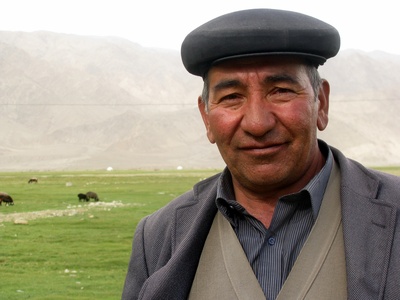
Tajik
The national language, a Persian (West Iranian) variety spoken by the majority across Tajikistan. Used in government, media, and education (Cyrillic script legacy). Vital and widespread, though bilingualism with Russian and Uzbek occurs in some communities.
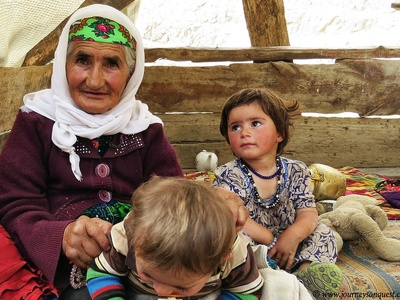
Yaghnobi
A direct descendant of Sogdian (Eastern Iranian), spoken in the Yaghnob Valley. Small, historically isolated community; language endangered but subject to revitalization and documentation efforts. Strong cultural symbolism despite limited speakers and schooling in the language.
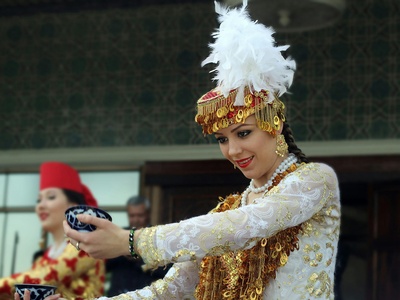
Uzbek
A Turkic language of a sizable Uzbek minority, concentrated in northern provinces. Strong cross-border ties with Uzbekistan; bilingualism with Tajik is common. Socially important locally, though subject to shifting demographics and policy influences.
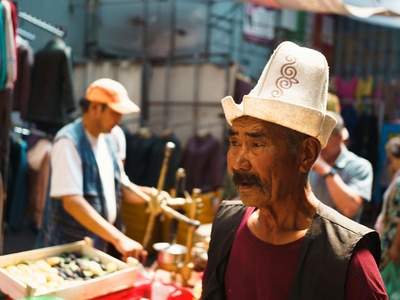
Kyrgyz
Spoken by Kyrgyz highland communities in eastern Tajikistan (Pamir region). Traditionally pastoralist and bilingual; the language remains vital within local clans but faces pressure from migration and the dominant Tajik language in public life.

Shughni
One of the largest Pamiri (Eastern Iranian) languages, spoken in Shughnon and adjacent valleys. Rich oral traditions and several dialects; relatively robust among Pamiri tongues but vulnerable to outmigration and Tajik dominance in education and media.
Rushani
Pamiri language of the Rushon area with distinct phonology and oral literature. Community size is small and intergenerational transmission shows signs of decline; pressured by Tajik-language schooling and migration to urban centers.
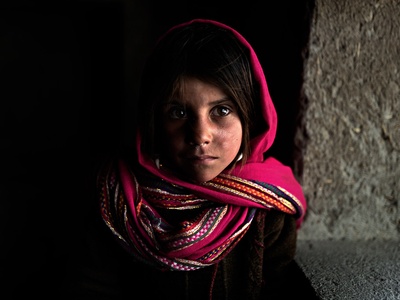
Wakhi
Spoken by Wakhi mountain communities with transnational links to Afghanistan and Pakistan. Strong local identity helps maintain the language, but it is vulnerable due to migration, limited schooling, and a small overall speaker base.
Ishkashimi
Small Pamiri language around Ishkashim with close ties to Sanglechi; very few speakers remain. Endangered, with limited literacy and media presence, but the focus of linguistic fieldwork and some local preservation efforts.
Yazgulami
Spoken in the Yazgulom Valley, Yazgulami is a distinctive Pamiri language with unique phonological traits. The concentrated community preserves usage, but the language is endangered with limited educational and media support.
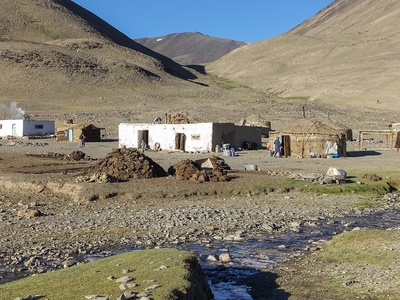
Bartangi
Localized to the Bartang Valley, this Pamiri language benefits from geographic isolation that preserves usage. However, small population size, migration, and influence from Tajik threaten continued intergenerational transmission.
Vanji
Historically spoken in the Vanj Valley, Vanji was an Eastern Iranian Pamiri language that became extinct in the early 20th century. Known only from archival materials and word lists, it highlights historical linguistic diversity and loss in the Pamirs.
Khufi
A tiny Pamiri speech variety centered around Khuf villages, sometimes classified as a Shughni dialect. Very few speakers remain and the language is highly endangered with minimal documentation or formal support.