Djibouti sits at the crossroads of the Red Sea and the Gulf of Aden, where trade routes, languages, and cultures meet in a compact, diverse nation. Its population reflects a blend of nomadic and urban traditions shaped by the Horn of Africa’s history and landscape.
There are 3 Djibouti Ethnic Groups, ranging from Afar to Somali. For each group the data are organized under Population share (%), Primary language(s), and Main region(s); you’ll find below.
How are these ethnic groups distributed across Djibouti?
Afar communities are often found in the northern and central parts of the country and maintain pastoralist ties, while Somali groups are concentrated in the south and around urban centers like Djibouti City. Distribution reflects historical settlement, clan territories and urban migration, so regional maps and the Population share (%) column help clarify where each group is most present.
What practical information do the language and region columns provide?
Primary language(s) and Main region(s) indicate everyday communication patterns and where cultural practices are strongest, which is useful for travelers, researchers, or service planners; combined with Population share (%) they offer a quick snapshot of influence, needed services, and local expectations for language use.
Djibouti Ethnic Groups
| Group | Population share (%) | Primary language(s) | Main region(s) |
|---|---|---|---|
| Somali | 60% | Somali | Djibouti City; south and west regions |
| Afar | 35% | Afar | Tadjourah, Obock and northern/central areas |
| Arab | 3% | Arabic | Djibouti City and coastal towns (Obock, Tadjourah) |
Images and Descriptions
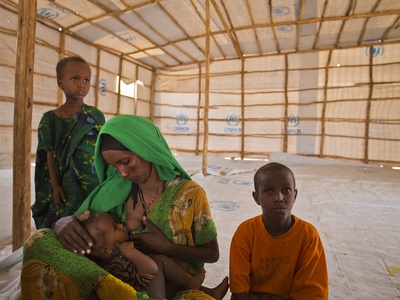
Somali
Majority group (mainly Issa clan), Cushitic speakers, Sunni Muslim; prominent in urban centers and south/west, central to Djibouti’s culture and politics, pastoralist traditions and Somali language dominance in daily life and media.
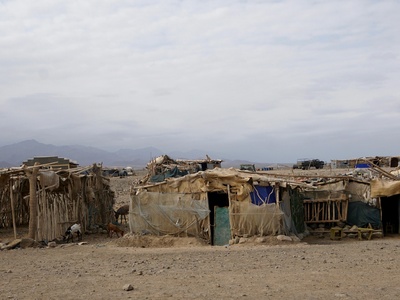
Afar
Cushitic-speaking Afar people, mainly pastoralist and Sunni Muslim; concentrated in northern and central Djibouti (Tadjourah, Obock), with distinct language and nomadic traditions, influential in regional cross-border ties with Eritrea and Ethiopia.
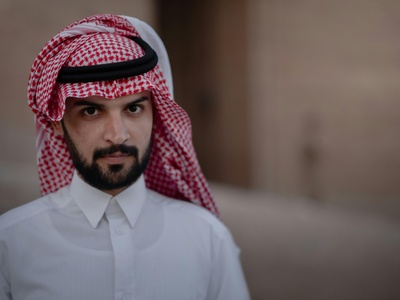
Arab
Small Arab minority (largely Yemeni/Hadhrami origin), Arabic-speaking and mostly urban; Sunni Muslim with mercantile and seafaring traditions, contributing to Djibouti’s trade and cultural links across the Red Sea and Gulf of Aden.