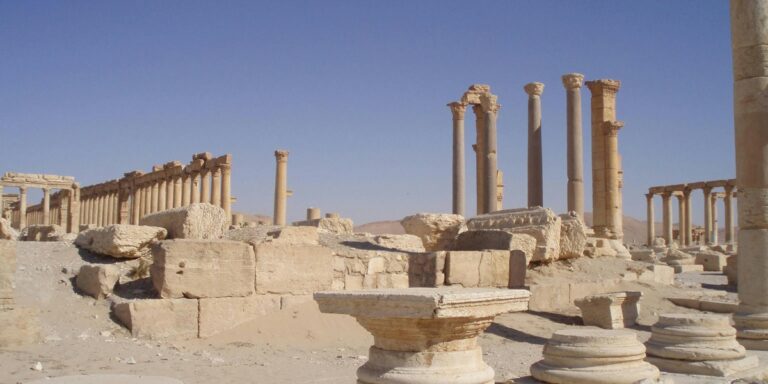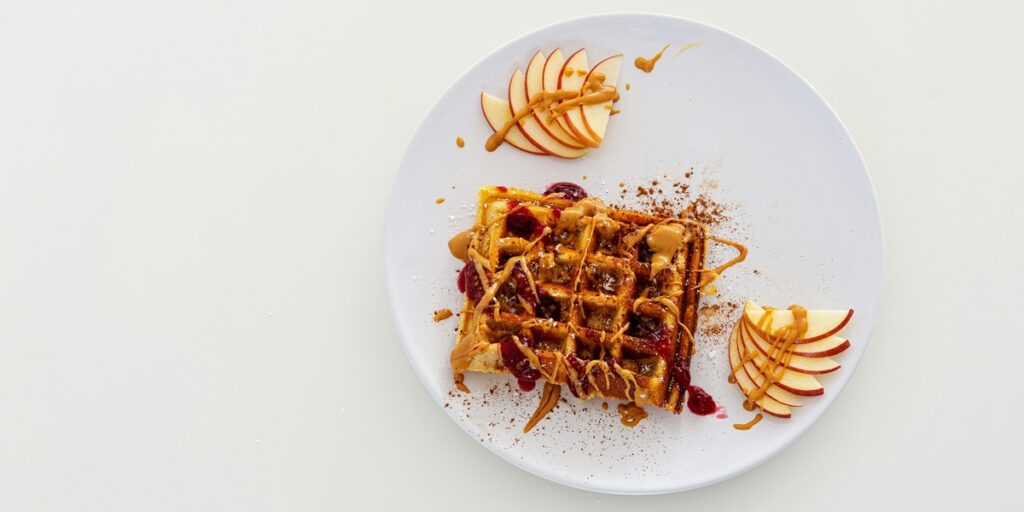
A snapshot of Brussels in 1958: delegates, offices and flags clustered around modest streets as European institutions found a home in the Belgian capital after World War II — a small country at the center of an emerging Europe. That moment helps explain why Belgium, with a population of roughly 11.6 million, punches above its weight culturally, economically and politically.
What makes Belgium interesting isn’t just one export or sight but a set of concentrated strengths — from chocolate and beer to comics, ports and international institutions — each with outsized influence. If you’ve ever wondered what is Belgium known for, the short answer is a mix of delicious staples, creative export industries, European governance and niche trades that shape tourism and national identity.
This article lays out eight distinct things Belgium is famous for across food & drink, culture, politics and industry, with concrete examples and a few numbers to show why they matter.
Culinary & Confectionery Culture
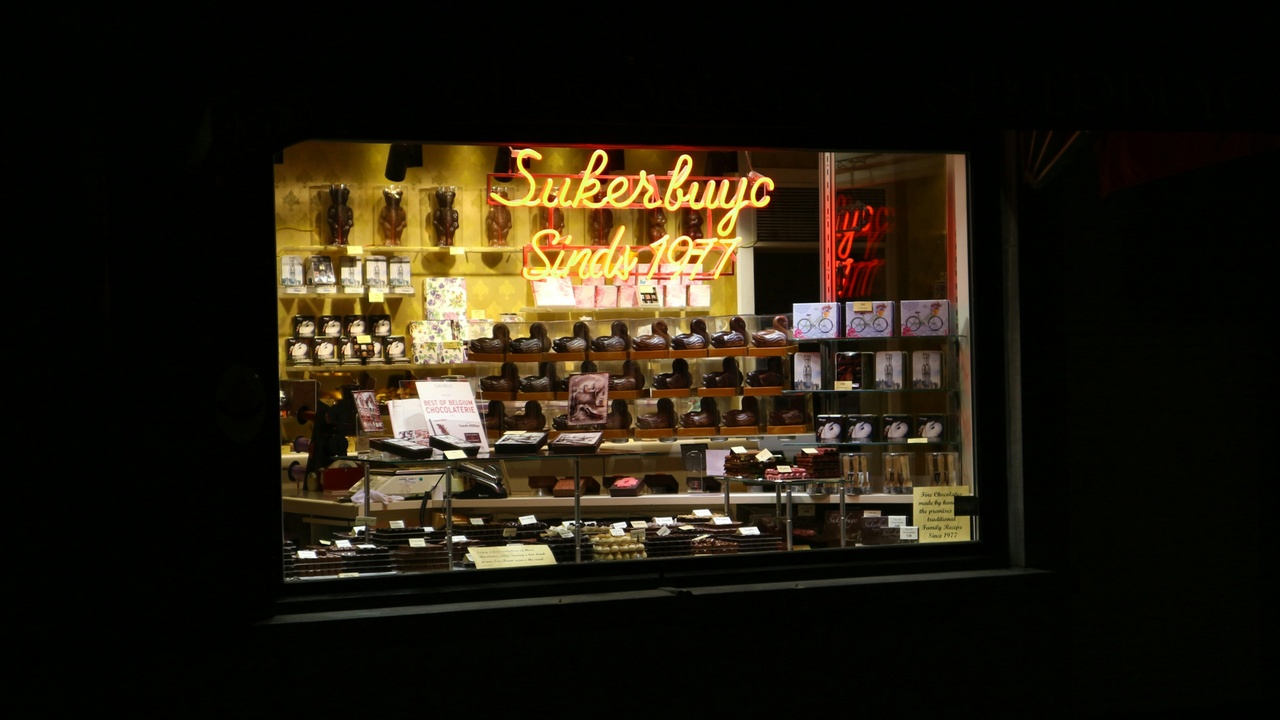
Belgium’s reputation for high-quality food and sweets is a major part of its national brand and tourism draw. Confectionery and specialty foods support export lines, guidebooks and walking tours, and they anchor a thriving artisanal sector alongside global brands.
Two signature pillars — chocolate and beer — drive visits to Brussels, Bruges and Antwerp, and they supply hotels, gift shops and duty‑free counters. Cultural credentials and branded histories (patented recipes, family firms) make these items more than comfort food: they’re economic goods and heritage markers.
Expect chocolate museums, tasting workshops and guided food tours in city centers; expect brewery visits and beer-focused itineraries across Flanders and Wallonia. Those experiences convert into tourist nights, retail sales and long-term reputation value for Belgium’s culinary exports.
1. World-class chocolate
Belgium is famous for chocolate and the invention of the filled praline. In 1912 Jean Neuhaus Jr. is credited with creating the first praline, and brands like Neuhaus, Godiva and Leonidas sell both luxury boxes and everyday treats.
Chocolatiers range from family workshops to international chains, and cities such as Bruges and Brussels advertise dozens of shops per square kilometer in tourist districts. Chocolate workshops, museum exhibits and factory tours turn production into experiences that boost spending and repeat visitation.
For many visitors a hands-on class or a visit to a specialist boutique is as memorable as a museum visit — and that’s the point: chocolate is both a tasty product and an engine of hospitality revenue.
2. Famous beer culture and breweries
Belgium’s beer culture is internationally celebrated for its variety and traditions — and it’s officially recognized: in 2016 UNESCO inscribed “beer culture in Belgium” on its list of Intangible Cultural Heritage (UNESCO, 2016).
The country hosts hundreds of active breweries producing hundreds of distinct styles, from spontaneous-fermented lambic to farmhouse saisons and strong Trappist ales. Names like Chimay, Orval and Westvleteren are synonymous with monastic brewing traditions, while Cantillon and Saison Dupont represent signature styles.
Beer tourism — brewery tours, tasting events and annual festivals — supports local economies and export markets, and the “brown cafe” remains a social fixture where people discover regional varieties.
Iconic Street Foods & Sweets
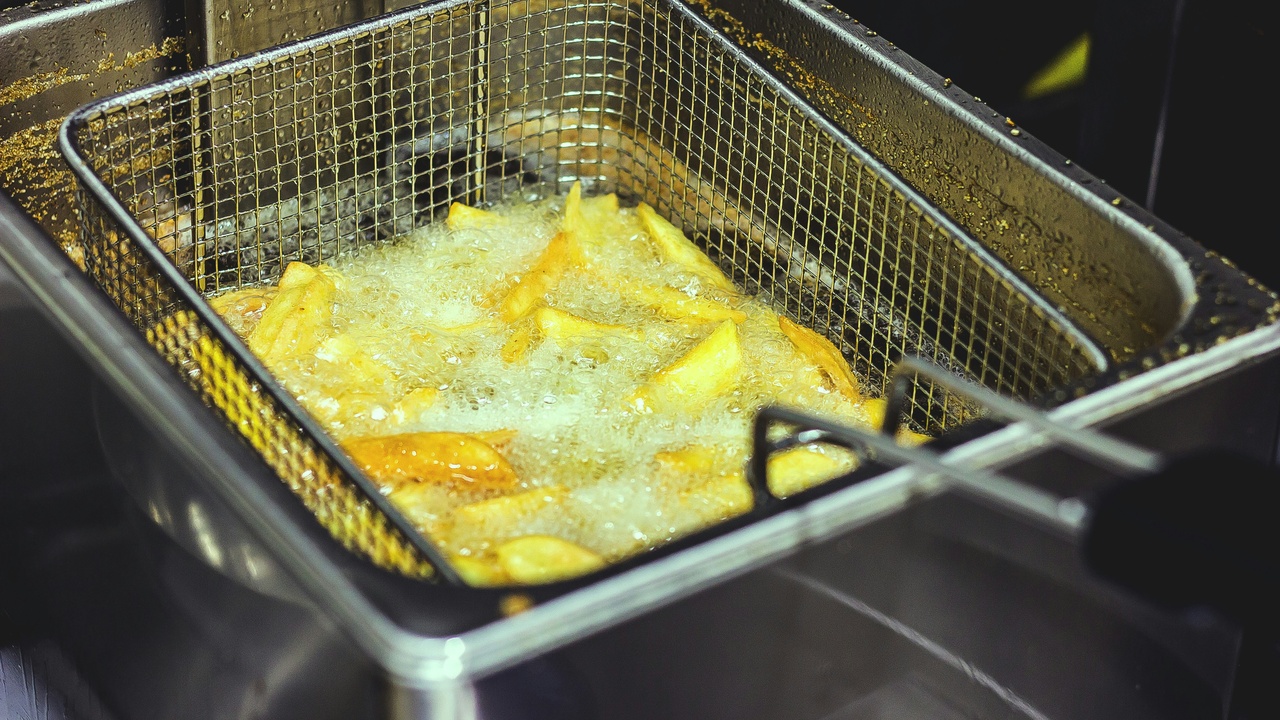
Snack culture in Belgium is front-and-center in everyday life and in tourist impressions. Casual foods — especially waffles and fries — are constants at markets, squares and night markets, forming a tasty, affordable thread through city experiences.
Regional variations and serving rituals matter: street vendors adapt recipes and toppings, while regulars at friteries stick to established sauces and portions. Those simple differences help create local identity and feed food-tourism itineraries.
Look for stalls around Grand Place in Brussels, market days in Liège, and evening fritkots that stay busy after concerts and football matches. These casual bites make Belgium’s culinary scene approachable and memorable.
3. Waffles (Brussels and Liège)
Waffles are a quintessential Belgian street treat with two main styles: the light, rectangular Brussels waffle and the denser, pearl‑sugar‑studded Liège waffle. Texture and sweetness set them apart — airy versus caramelized.
You’ll find Brussels-style waffles served with whipped cream or fruit around Grand Place and other tourist hubs, while Liège waffles are commonly sold at markets and cafés across Wallonia and the Flemish region. Vendors, cafés and festival stalls keep both traditions alive.
4. Fries (frites) and the friterie tradition
Belgians take fries seriously: the friterie (or fritkot) is a social institution. Belgium often claims the origin of fried potatoes in the Meuse valley during the late 1600s, a historical note that surfaces in many local accounts.
Friteries serve steady daily business and late-night crowds, offering a wide range of sauces from classic mayonnaise to andalouse and samurai. Notable fritkots in Brussels and Bruges draw long lines — tourists and locals alike treat them as essential pit stops.
That ritual — a paper cone of hot fries with chosen sauce — is an accessible, affordable way to taste a small but telling slice of Belgian food culture.
Arts, Comics & Architectural Heritage
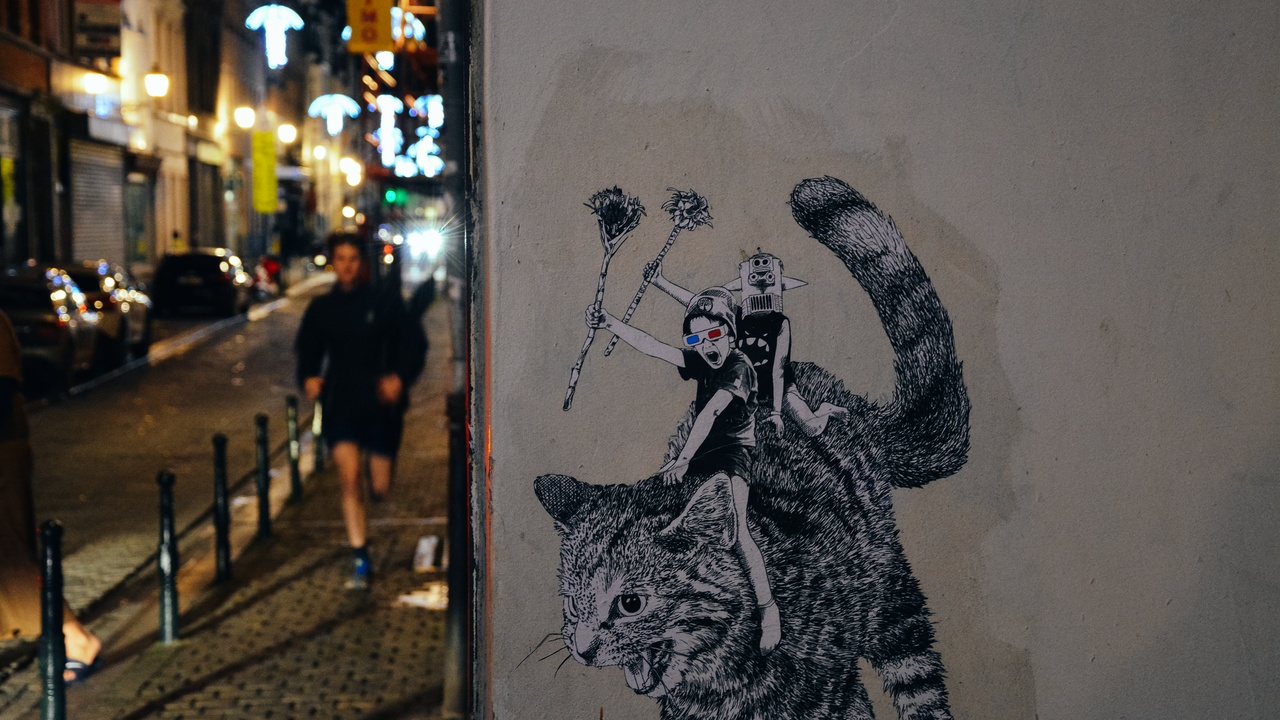
Belgium’s cultural exports are strikingly broad for a small nation: the comics industry, surrealist art and distinctive architecture have all shaped international perceptions and drawn steady tourist interest.
From murals to museums, these creative assets support cultural tourism and educational institutions and reinforce national pride through recognizable figures and places.
5. A global comics tradition (Tintin and beyond)
Belgium is widely known for its comics tradition, with Hergé’s Tintin debuting in 1929 and becoming an international touchstone. The Belgian Comic Strip Center in Brussels traces that history and showcases original art and archival material.
Comics translated into dozens of languages helped project Belgian soft power through the 20th century, and the city’s comic-strip murals and themed shops make up a popular self-guided route for visitors. Other creators, such as Peyo, gave the world The Smurfs — another export with global reach.
Comic tourism is a real niche: guided walks, specialty bookstores and museum exhibits all feed local economies while preserving creative heritage.
6. René Magritte and Art Nouveau architecture
Belgium made major contributions to modern art and architecture. René Magritte (1898–1967) is a central figure in surrealism, and the René Magritte Museum in Brussels houses a significant collection of his work for visitors to study.
At the turn of the 20th century Victor Horta and other architects advanced Art Nouveau architecture; the Horta Museum and numerous protected townhouses in Brussels are prime examples that attract architecture enthusiasts and scholars.
Both art and architecture serve as cultural anchors, supporting museum attendance, conservation jobs and guided tours focused on design history.
Politics, Trade & Sporting Culture
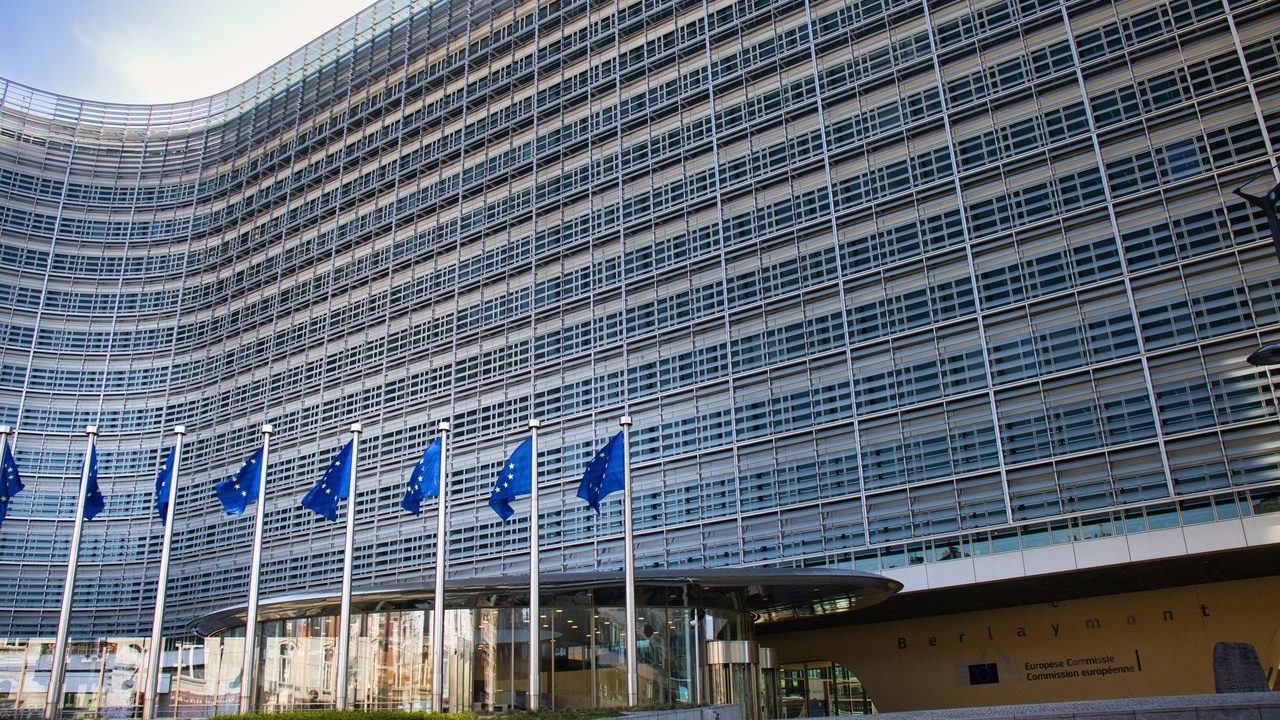
Belgium’s international importance rests on practical institutions and specialized industries as much as on culture. Brussels hosts key European and transatlantic institutions, Antwerp is a historic trading hub, and cycling is woven into national identity.
Those elements combine to shape employment, attract diplomats and business visitors, and keep Belgium prominent in international headlines well beyond its geographic size.
7. European and international institutions in Brussels
Brussels functions as a de facto European capital because it hosts the European Commission, the European Council, parts of the European Parliament and NATO headquarters. That clustering traces back to post‑war cooperation and early treaties such as the Treaty of Rome (1957).
The concentration of institutions creates a large diplomatic, legal and lobbying ecosystem — conferences, permanent missions and international NGOs — which supports hotels, restaurants and professional services across the city. For official information see the European Commission and NATO sites.
That international footprint gives Belgium visibility, steady inbound travel and a steady flow of temporary residents tied to the institutional calendar.
8. Diamonds, ports and cycling — trade and sporting pedigree
Antwerp’s diamond district has long been central to the global diamond trade, handling a significant share of gem cutting, trading and valuation that historically accounted for an outsized portion of worldwide transactions by value.
The Port of Antwerp is also a major European logistics hub, moving containerized goods, petrochemicals and bulk cargo; its scale supports thousands of jobs in shipping, warehousing and related services (Port of Antwerp).
On the sports side, Belgium boasts a deep cycling tradition. Eddy Merckx (born 1945) is one of the sport’s legends, and races such as the Tour of Flanders each spring draw international fields and fans — generating tourism, local spending and media attention.
Combined, diamonds, ports and cycling illustrate how niche industries and sporting culture sustain regional employment and global reputation in specific sectors.
Summary
- Belgium’s profile blends food and drink (chocolate, waffles, fries, beer) with creative exports (comics, Magritte) and institutional gravity (EU, NATO).
- Small population, outsized influence: cultural products and international institutions amplify Belgium’s global reach.
- Specialized industries — Antwerp diamonds and the Port of Antwerp — and cycling events deliver jobs, tourism and international attention.
- Visit a chocolate workshop in Bruges, follow comic-strip murals in Brussels, attend a beer festival or catch a spring classic to experience Belgian culture firsthand.