
On July 4, 1776, a collection of British colonies declared independence — an event that would ripple into global politics, economics, and culture for centuries.
That founding moment set a political and cultural trajectory that helped the United States grow into a global force. Trade routes, movies, universities, and parks all carry traces of that story, and the choices made over the next two centuries shaped how the country projects itself abroad.
Across culture, innovation, landscapes, and institutions, the United States has become globally recognized for a set of distinctive features — ten in particular — that shape how people around the world see the country. These range from Hollywood blockbusters and Silicon Valley startups to national parks and constitutional institutions.
The list below is organized into four broad categories with ten numbered items. Read on for concrete examples, dates, and figures that explain why these facets matter for travel, trade, policy, and everyday life.
Culture and Entertainment

American cultural exports — films, music, television, and live theater — reach billions and translate into soft power and sizable economic returns. Entertainment drives tourism, merchandising, and global trends in fashion and language.
1. Hollywood and Global Film Influence
Hollywood remains the world’s most recognizable film industry, with a handful of major studios (Disney, Warner Bros., Universal) producing tentpole releases that dominate global box office charts. Franchise films—Marvel, Star Wars—routinely bring in billions worldwide and set marketing and merchandising trends.
Beyond ticket sales, movies influence tourism (think Hollywood tours and film-location visits), fashion, and even local economies when productions hire crews and vendors on location. Trade publications regularly note that American films account for a majority share of box office receipts in many international markets.
2. Music and Pop Culture Exports
The United States is the birthplace and amplifier of influential music genres: jazz emerged in New Orleans in the early 1900s, rock rose to prominence midcentury, and hip-hop began in the Bronx in the late 1970s. Those genres reshaped global tastes and language.
American artists—from Elvis Presley to Beyoncé—tour globally, and streaming platforms like Spotify and Apple Music report huge play counts for U.S. acts. Festivals such as Coachella turn cultural moments into large-scale economic events that influence fashion and youth culture worldwide.
3. Television, Streaming, and Awards
U.S. television and streaming services have shaped storytelling norms and production values around the world. Platforms such as Netflix and HBO have global subscriber bases and produce originals that travel easily across borders.
Industry awards—the Oscars and Emmys—still carry prestige and can boost a film or series’ international profile. American formats are also exported or remade elsewhere (the U.S. version of The Office being a well-known example), and hit shows frequently drive tourism to filming locations.
Economy, Innovation, and Education
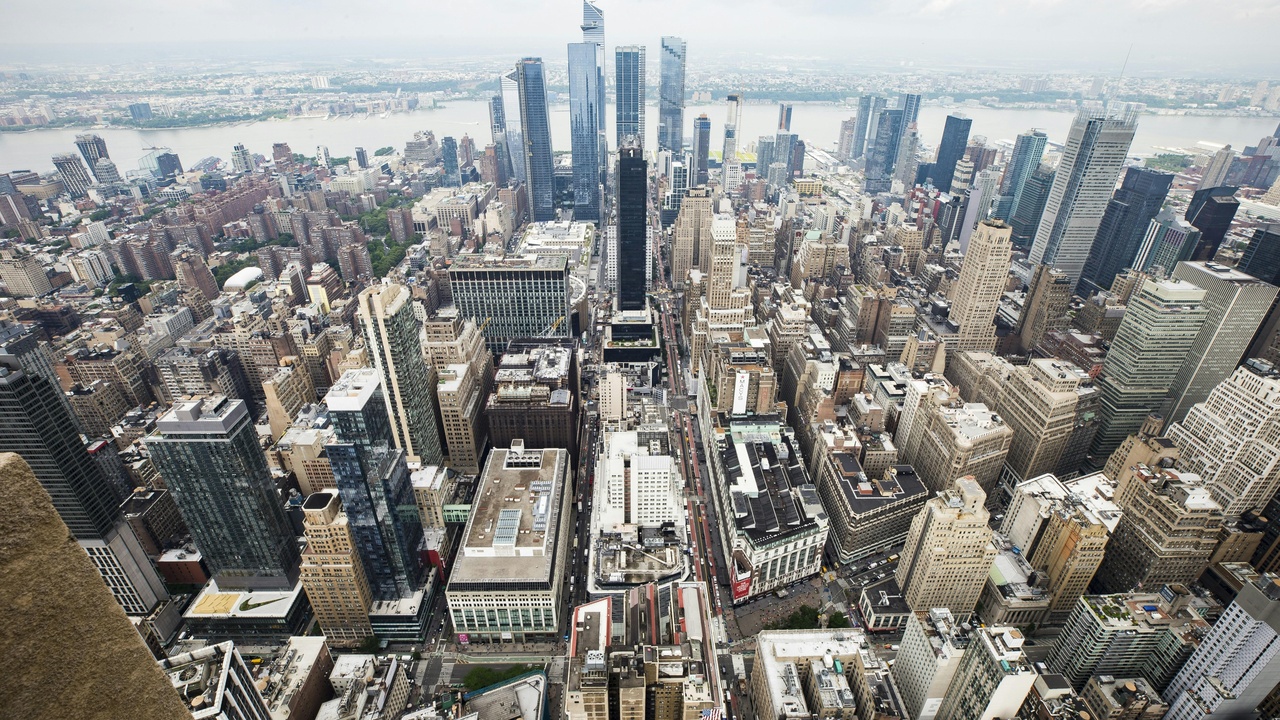
The U.S. combines the world’s largest national economy with dense innovation hubs and a vast higher-education system. Capital markets, startups, and research universities form an ecosystem that exports technologies, talent, and business models.
4. The World’s Largest Economy and Multinationals
The United States has the world’s largest national economy by nominal GDP—roughly $26.9 trillion as of 2023—which helps explain the global reach of its corporations. U.S. multinationals power trade, consumer markets, and brand recognition.
Companies like Amazon and Walmart shape retail and logistics globally, while consumer names such as Coca‑Cola appear in markets from Lagos to Lahore. That corporate scale affects supply chains, employment, and everyday products people use worldwide.
5. Tech Innovation and Startup Culture
Silicon Valley has an outsized role in creating technologies and business models that shape daily life: Apple (founded 1976) and Google (founded 1998) are landmark examples. High concentrations of venture capital and talent fuel startups that often scale internationally.
Products and platforms that began in the U.S.—smartphones, social networks, app stores—quickly spread worldwide. The U.S. continues to host a large share of global venture funding and most of the world’s unicorns, sustaining an innovation pipeline.
6. Higher Education and Research Leadership
The U.S. higher-education sector includes more than 4,000 degree-granting institutions and many of the world’s top research universities. Harvard, MIT, and Stanford are consistently near the top of global rankings and spin out companies and patents.
Federal research funding underwrites this work: the National Institutes of Health (NIH) budget is roughly $45 billion annually, supporting biomedical breakthroughs and training researchers who often join industry or launch startups.
Landmarks, Geography, and Natural Heritage

From urban icons to vast wilderness, physical places anchor the nation’s identity. Man-made monuments and protected natural areas both draw tourists and shape how the country is portrayed abroad.
7. Iconic Landmarks and Urban Symbols
Certain landmarks have become shorthand for the United States. The Statue of Liberty arrived as a gift in 1886 and stands for welcome and freedom in images around the world. The Golden Gate Bridge, completed in 1937, and Mount Rushmore, finished in 1941, are instantly recognizable symbols.
These sites also matter economically: they attract millions of visitors a year, support local jobs, and appear in film and advertising as visual shorthand for “America.”
8. National Parks and Diverse Landscapes
Yellowstone was established in 1872 as the world’s first national park, launching a conservation legacy that now includes dozens of national parks and hundreds of protected areas. The system preserves deserts, mountains, forests, and coastlines across nearly every climate in the country.
Parks like the Grand Canyon and Yosemite draw international visitors, while Great Smoky Mountains National Park has the highest annual visitation. These places support recreation, conservation science, and regional economies that rely on outdoor tourism.
Values, Institutions, and Global Role
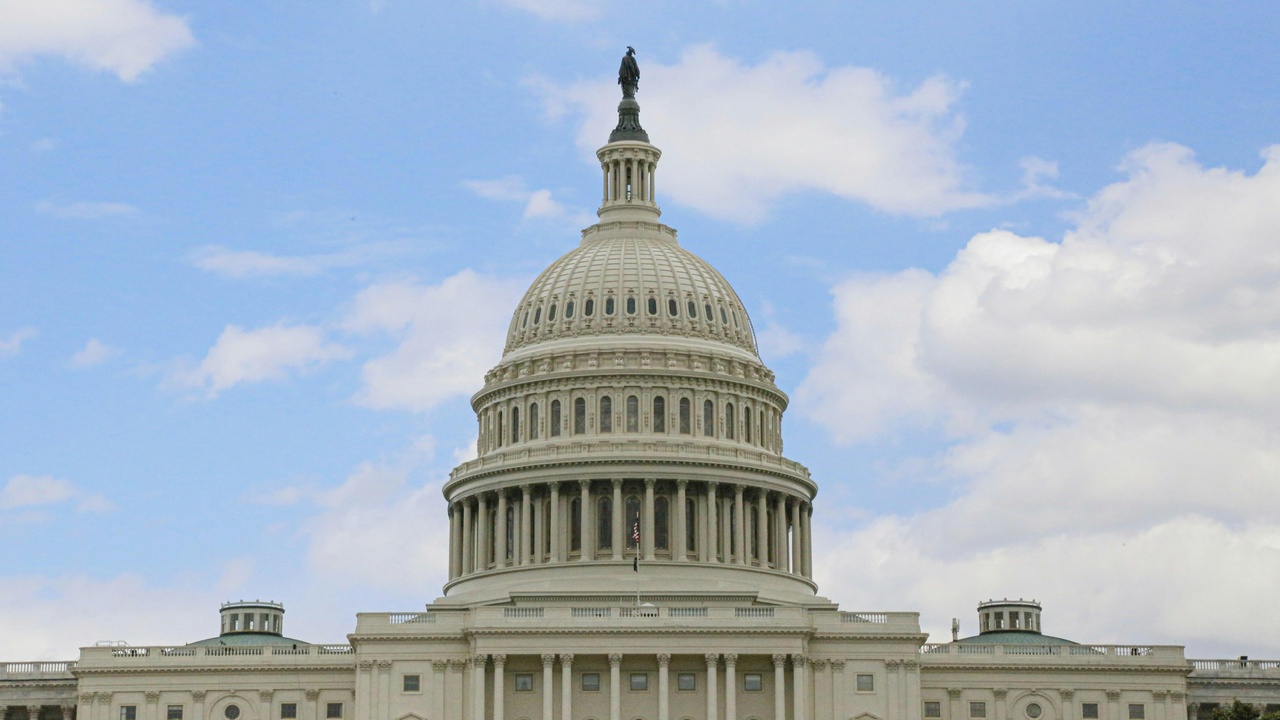
Legal frameworks, political institutions, and international engagement shape a major part of America’s global identity. Those structures influence foreign policy, trade, and the rule-of-law debates that echo in other countries.
9. Democratic Institutions and the Constitution
The Declaration of Independence (July 4, 1776) and the Constitutional Convention of 1787 are foundational. The Constitution’s separation of powers, a federal system, and an independent judiciary (centered on the Supreme Court) are core features of U.S. governance.
American legal decisions can have wide influence; for example, Brown v. Board of Education (1954) reshaped civil-rights law and had ripple effects beyond U.S. courts. Civil-society traditions and constitutional debate contribute to the nation’s reputation.
10. Military and Diplomatic Influence
After World War II the U.S. played a founding role in multilateral institutions such as NATO (founded 1949) and has maintained a substantial global presence through diplomacy, aid, and military cooperation.
Defense spending signals scale: recent budgets have approached roughly $858 billion, while a global network of bases and hundreds of diplomatic missions enable rapid humanitarian responses, peacekeeping support, and strategic partnerships.
Summary
- America’s cultural exports—film, music, and television—shape global tastes and generate large economic returns.
- The U.S. combines the world’s largest nominal GDP with innovation hubs and leading universities that feed technology and industry.
- Iconic landmarks and the national park system (starting with Yellowstone in 1872) anchor tourism and conservation efforts.
- Founding documents from 1776 and 1787, plus institutions like the Supreme Court and international roles such as NATO, influence global politics and law.
- If you’re asking what is the united states known for, think of the combined force of culture, capital, landscape, and institutions that reach across borders.