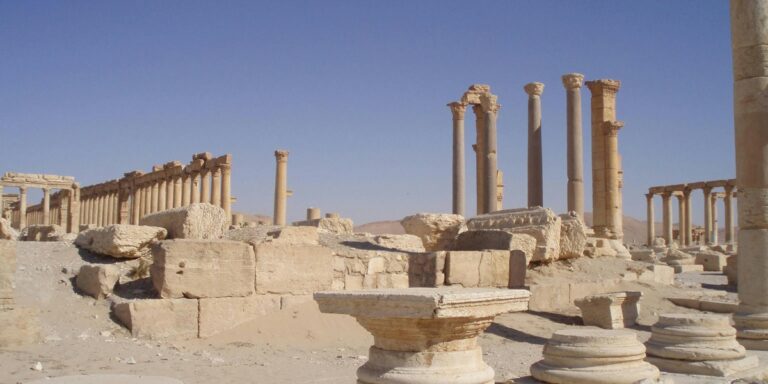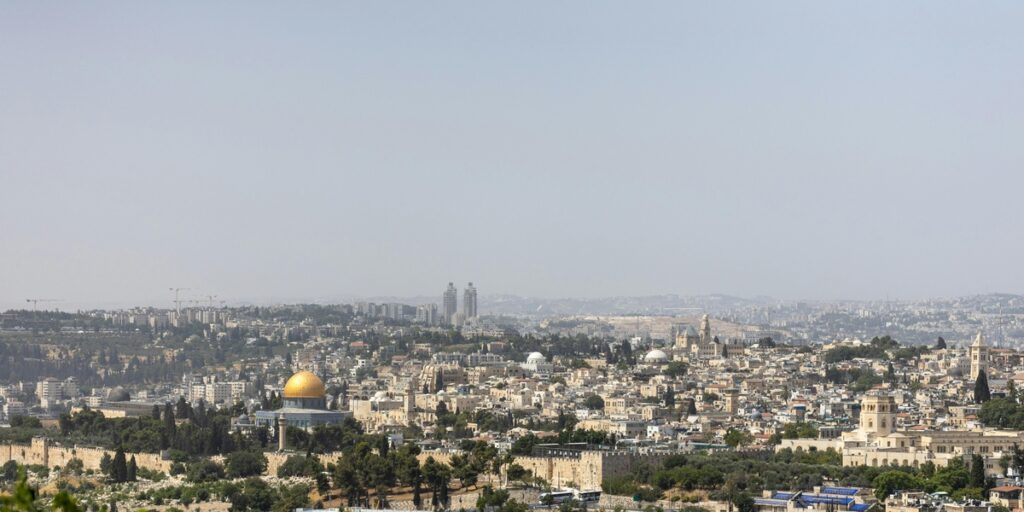
In 1948 Israel declared independence, and in the decades since the country has become known simultaneously for millennia-old religious sites and a modern high-tech economy. Jerusalem’s ancient layers sit beside Tel Aviv’s glass towers — a striking contrast that helps explain why this compact nation punches far above its weight.
That mix matters beyond travel guides. Israeli innovations in technology, medicine, water management and agriculture are used around the world, while events rooted in its history shape regional and global diplomacy. The story begins with a small state founded in 1948 and stretches to Nobel laureates, startups per capita, and large-scale environmental engineering.
Below are eight defining things that help explain Israel’s outsized influence, from religious heritage to the so-called “Startup Nation.” We’ll start with technology and innovation.
Technology and Innovation
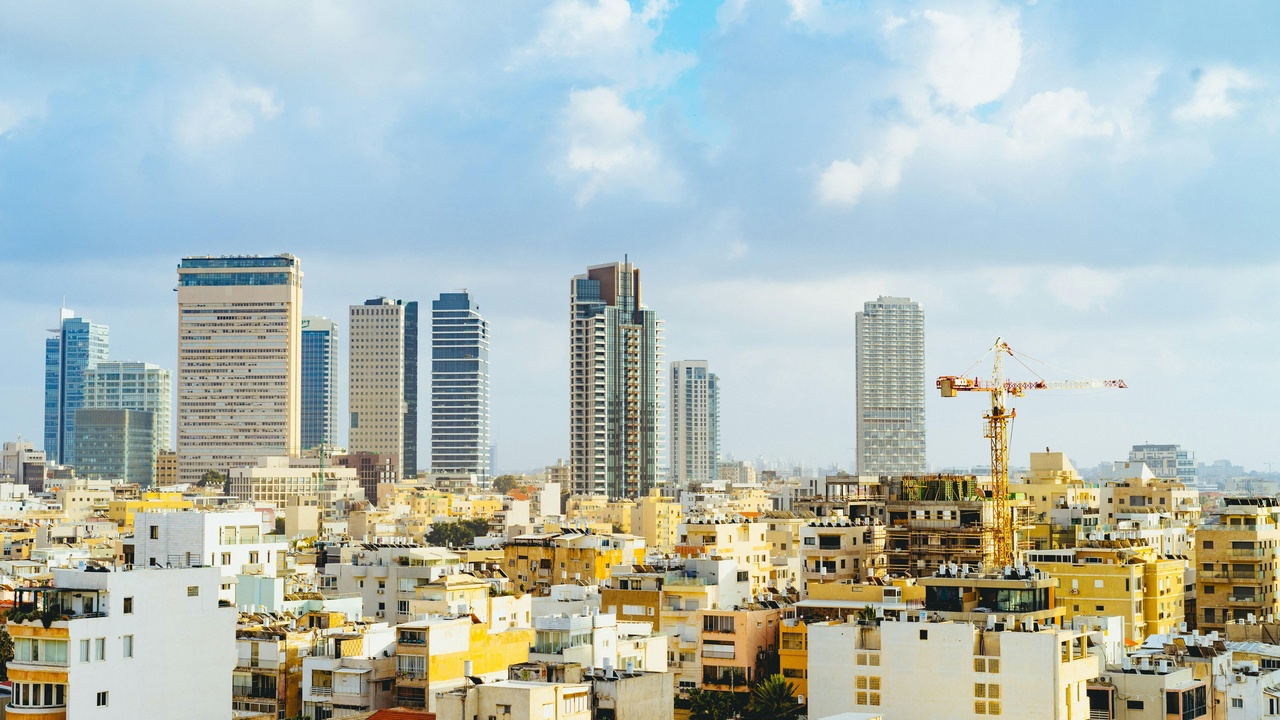
Israel’s reputation as a technology powerhouse grew out of several overlapping forces: mandatory military service that channels young talent into technical units, strong university research (Technion, IDC Herzliya and others), and an active venture capital community. Public policy and a culture that tolerates risk helped too.
These elements combine to sustain a dense, connected tech ecosystem that continually spins out startups and commercial projects used worldwide.
1. Startup Nation: A compact high-tech ecosystem
Israel earned the nickname “Startup Nation” because it has one of the highest numbers of startups per capita in the world. Founders launch companies at a remarkable clip, venture funding regularly tops billions of dollars annually, and exits attract international attention.
Two headline examples: Waze, an Israeli navigation app, was acquired by Google in 2013 for about $1.1 billion, and Mobileye, a leader in automotive vision systems, was bought by Intel in 2017 for roughly $15 billion. Public firms like Wix and Monday.com and security firms with global customers all underline Israel’s commercial reach.
Those exits and IPOs aren’t just financial milestones; they show how Israeli tools and apps integrate into everyday life from commuting to enterprise software.
2. Cybersecurity and defense technology
Israel is widely regarded as a global leader in cybersecurity and defense-related tech. A high density of cyber startups serves enterprise clients and government customers around the world.
Companies such as Check Point Software Technologies helped put Israeli enterprise security on the map, while specialized firms provide tools used by Fortune 500 companies. Some technologies are dual-use: innovations developed for defense sometimes spin out to civilian markets.
One visible example of defense-to-civilian capability is the Iron Dome, first deployed in 2011, which has been credited with intercepting a large share of short-range rockets and protecting population centers. The country’s national focus on security continues to fuel private-sector cyber activity and government-backed R&D.
Medical, Biotech and Health Innovation
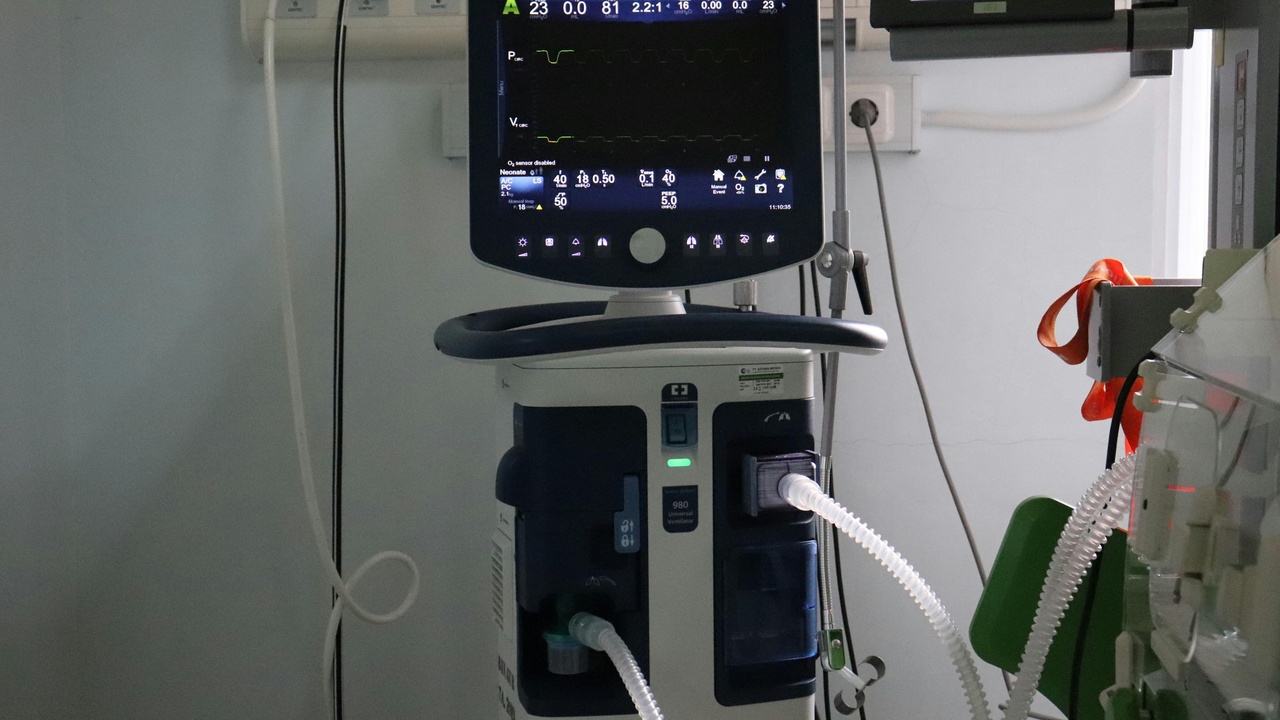
Israel’s compact economy channels talent and funding into medical devices, pharmaceuticals and hospital-led research, producing a high rate of medtech patents and marketable products. Academic medical centers like Hadassah and Sheba are active in clinical trials and translational research.
The result is a disproportionate number of global health innovations coming from a small country.
3. Medical devices and biotechnology breakthroughs
Israel hosts many medtech startups that have produced widely used products. Given Imaging’s PillCam transformed gastrointestinal diagnostics by putting a tiny camera in an ingestible capsule.
ReWalk developed a wearable exoskeleton that has helped people with spinal injuries walk again and gained regulatory approvals for commercial use. Teva Pharmaceuticals grew into one of the world’s largest generic drugmakers, demonstrating how Israeli companies scale globally.
Clinical work at Israeli hospitals often feeds private spin-offs, shortening the path from lab bench to patient bedside.
4. Water, agriculture and environmental technologies
Facing arid conditions, Israel became a leader in water management and dryland agriculture. Innovations include drip irrigation, large-scale desalination and a high rate of wastewater reuse for agriculture.
Netafim pioneered drip irrigation, which conserves water while raising yields. The Sorek desalination plant is among the world’s largest and supplies a significant share of domestic water needs. Israel treats and reuses roughly 85–90% of its municipal wastewater for agricultural use, a figure that surprises many visitors.
These technologies are exported to drought-prone regions and help farmers manage scarce water more effectively.
Culture, Religion and Society
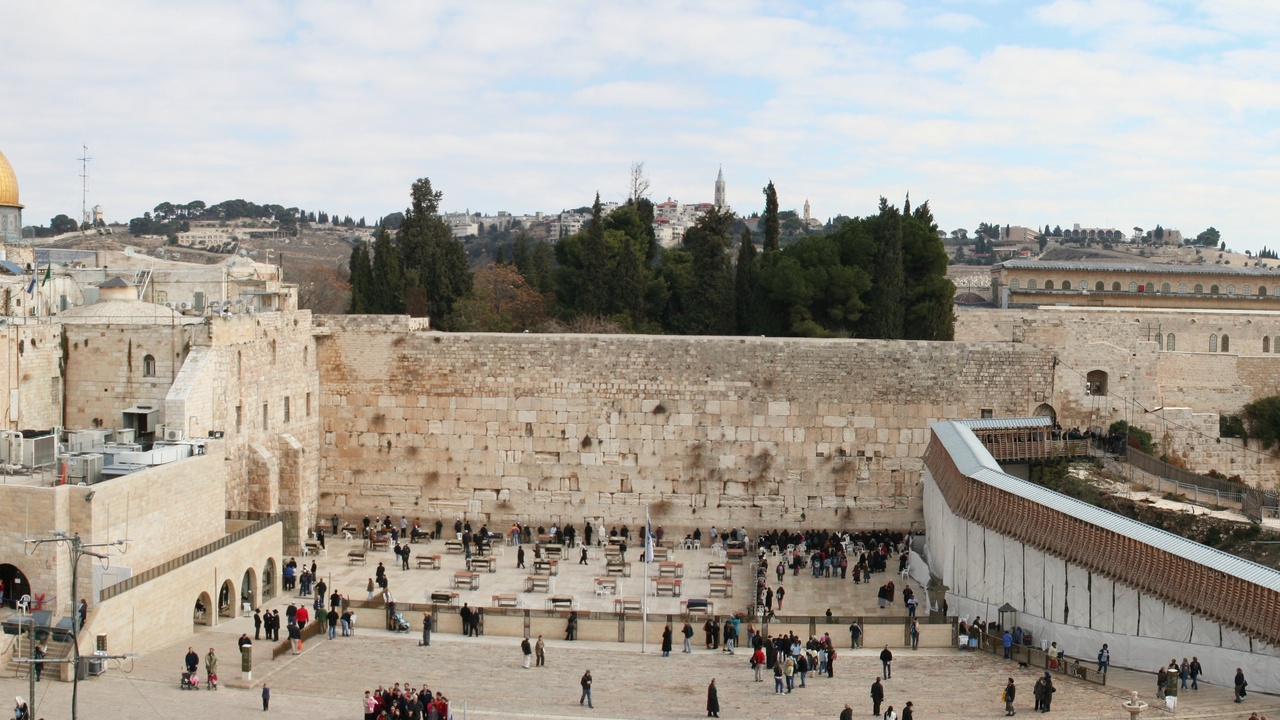
Israel’s cultural landscape is shaped by its central religious sites and by waves of immigration that created a diverse society. Hebrew’s revival, multiple diasporas returning, and the co-existence of many traditions give the country a unique social mosaic.
That diversity shows up in religion, language, music and cuisine.
5. Jerusalem and religious significance
Jerusalem is central to Judaism, Christianity and Islam, hosting a constellation of sacred sites that draw pilgrims and scholars. Key places include the Western Wall, the Church of the Holy Sepulchre, and the Al-Aqsa Mosque compound.
Religious tourism and pilgrimage bring millions to the country each year and influence international diplomacy and cultural exchange. Major holidays — Passover, Easter and Ramadan — intensify pilgrimage traffic and global attention to the city.
6. A multicultural society and vibrant food scene
Successive immigration waves shaped modern Israeli society. For example, about one million people arrived from the former Soviet Union in the 1990s, and large operations brought Ethiopian Jews to Israel in the 1980s and 1990s.
Those arrivals helped create a mix of cultural expressions — from music styles to street food. Foods like falafel, hummus and shakshuka are everyday staples and symbols of culinary fusion across the country.
Hebrew’s revival, championed in the late 19th and early 20th centuries by figures like Eliezer Ben‑Yehuda, remains a striking social achievement that helped knit together immigrants from dozens of countries.
History, Geography and Global Role
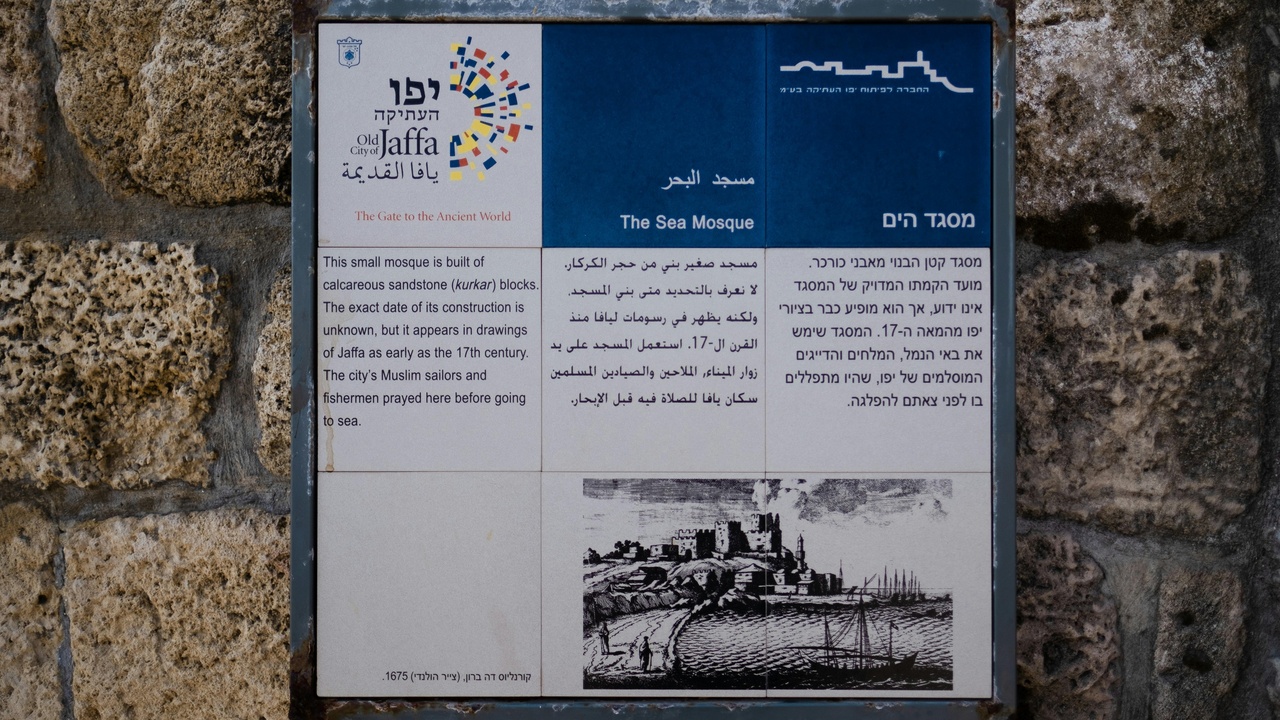
People often ask what is Israel known for beyond its internal variety: a modern state born in 1948, a strategic location at the eastern edge of the Mediterranean, and a landscape that ranges from the Negev desert to the Sea of Galilee.
Its small land area belies a large diplomatic and security profile, and its historical sites and natural landmarks make it a frequent destination for travelers and researchers.
7. Modern history and geopolitics
Israel declared independence on May 14, 1948, and the decades since have included key conflicts and agreements that shaped the region. The Six-Day War in 1967 and the Yom Kippur War in 1973 were central military turning points.
Diplomatically, the Camp David framework led to a 1979 peace treaty with Egypt, and more recently the Abraham Accords in 2020 normalized relations with several Gulf states, opening new economic and political ties.
These events continue to influence security policy, trade partnerships and international relations across multiple continents.
8. Tourism and unique natural landmarks
Despite its modest size, Israel attracts visitors for both religious pilgrimage and natural attractions. In recent pre-pandemic years Ireland saw roughly 4–5 million inbound visitors annually, a rough benchmark for demand that rebounded after travel restrictions eased.
Highlights include the Dead Sea — the lowest land elevation on Earth with its famously buoyant, mineral-rich waters — Masada, the ancient fortress associated with a dramatic first-century siege, and Eilat, which offers Red Sea diving and coral reefs.
Wellness tourism at the Dead Sea and archaeological visits to sites like Masada create a steady stream of international tourists and researchers.
Summary
- Ancient religious heritage and pilgrimage sites coexist with a thriving high-tech sector and major commercial exits (Waze, Mobileye).
- Israel produces influential technology across cybersecurity and defense (Check Point, Iron Dome) and high-impact medical innovations (ReWalk, PillCam).
- Water and agricultural technologies — from drip irrigation to large desalination plants — help the country manage scarce resources and export solutions globally.
- Immigration, the revival of Hebrew, and a vibrant food and arts scene give the society a multicultural character that draws tourists and talent.
- History, geography and recent diplomatic moves (Camp David, Abraham Accords) shape a small country with outsized regional and global influence.