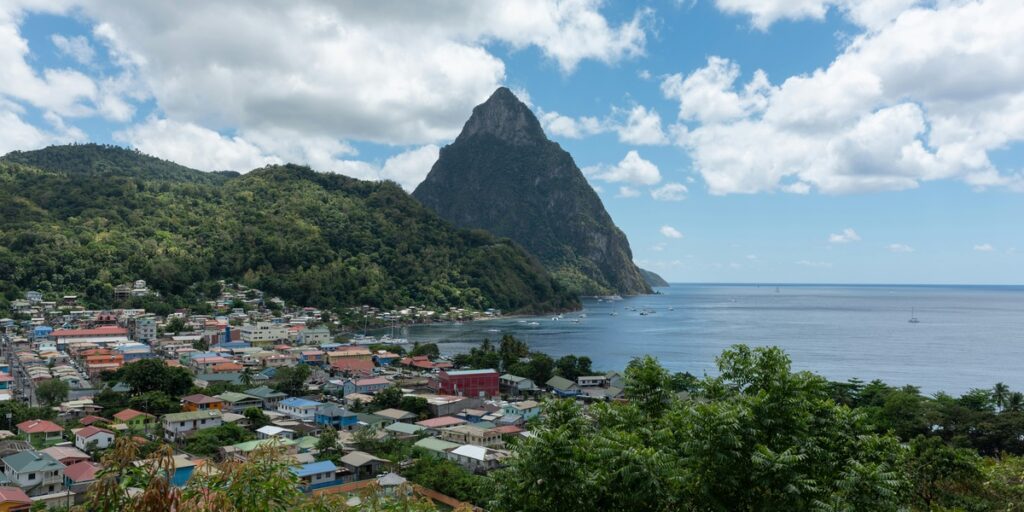
On February 22, 1979, Saint Lucia became an independent nation — a turning point that helped shape a modern identity tied to dramatic landscapes and Creole culture. Small in size (about 238 square miles / 617 km²) and home to roughly 183,600 people by recent estimates, the island packs a lot into 238 square miles: volcanic peaks, rainforests, coral-fringed bays and a lively cultural calendar.
Why care? Because Saint Lucia’s combination of UNESCO-listed geology, accessible geothermal sights, a Creole heritage that colors everyday life, and a tourism-driven economy makes it a concentrated showcase of Caribbean nature and culture. The island’s reputation supports local guides, resorts, artisans and conservation jobs.
Saint Lucia is best known for its dramatic volcanic peaks, warm Creole culture, thriving tourism and resorts, unique geothermal sights, and a culinary and music scene that punch well above the island’s size. Below are eight well-chosen things the island is famous for, grouped into four categories: Natural landmarks & biodiversity; Culture & festivals; Tourism & economy; and Adventure, wellness & cuisine — with concrete examples you can visit or support.
Natural landmarks and biodiversity
1. The Pitons: iconic volcanic peaks (UNESCO World Heritage Site)
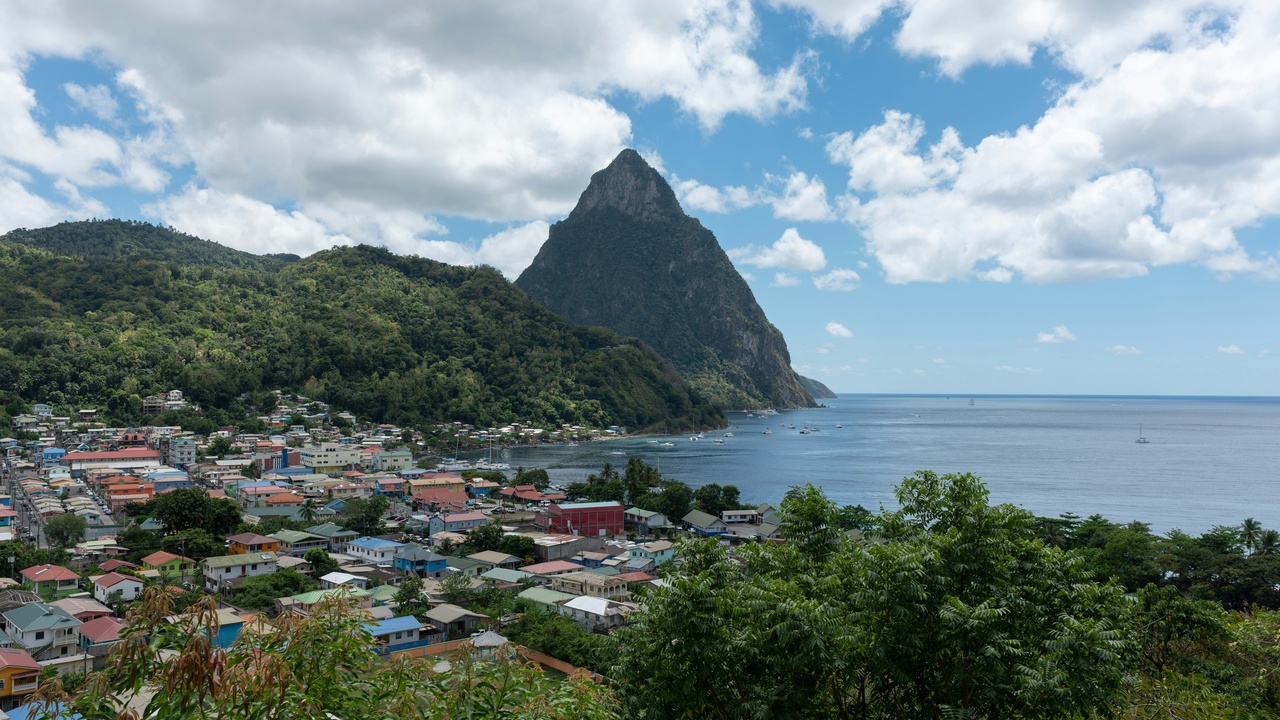
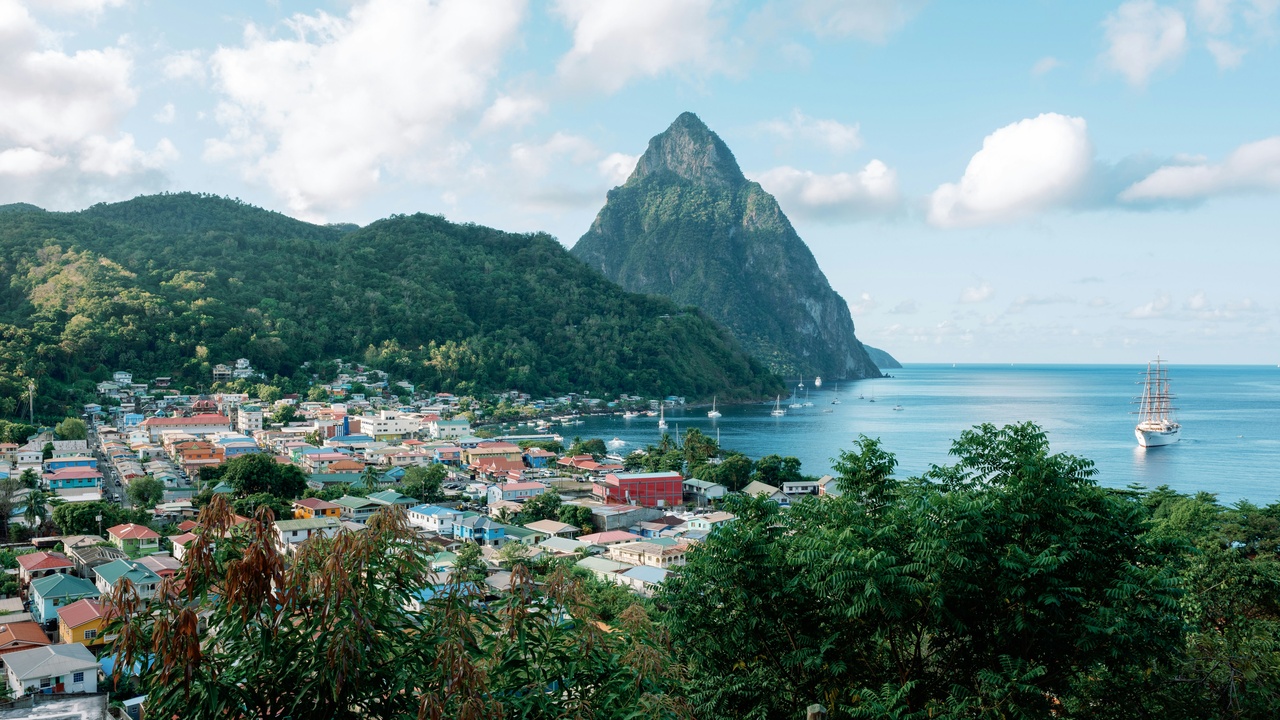
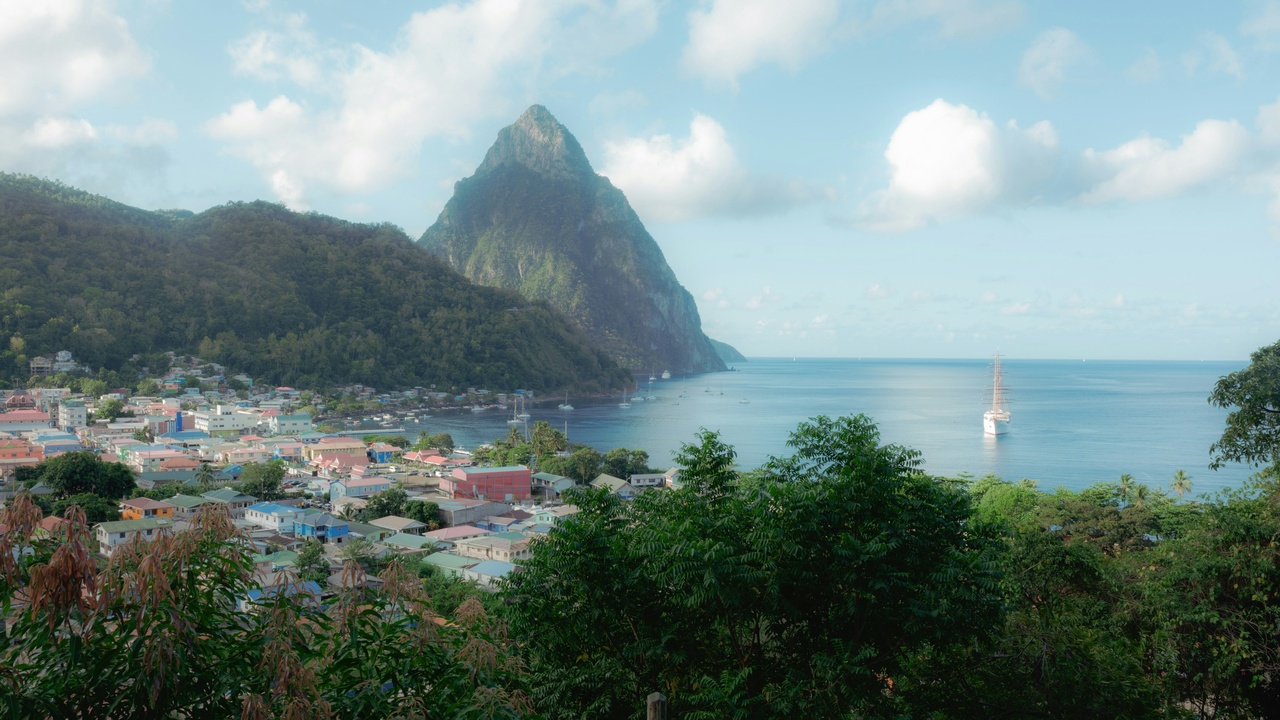
The Pitons — Gros Piton and Petit Piton — are Saint Lucia’s signature landmarks and appear on everything from postcards to beer labels. The site was inscribed as a UNESCO World Heritage Site in 2004 for its outstanding volcanic landforms, endemic flora and scenic value.
Gros Piton draws guided hikes out of Soufrière, while boat cruises and resort viewpoints frame the twin peaks from the sea. Those tours support local guides, drivers and small hotels in the Soufrière area. You’ll also see the Pitons used in local branding (for example, Piton Beer and resort names), which underlines how landscape and livelihood connect here.
2. Beaches, coral reefs and rich marine life
Saint Lucia’s beaches and reefs are internationally prized for snorkeling and diving. Anse Chastanet, with its marine reserve, is a standout: shallow coral gardens, underwater sculpture trails and nearby dive sites attract repeat visitors and avid snorkelers.
Reefs support small-scale fisheries and a web of marine tourism businesses — dive shops, boat operators and beachfront guides. Typical visitor activities range from daytime snorkel tours and night dives to guided reef-conservation outings run by local operators who partner with resorts and research groups.
Culture, history and festivals
3. Creole heritage: language, craft and everyday life
Creole culture shapes daily life across Saint Lucia. Kwéyòl (a French-based Creole) influences place names, recipes and oral traditions, while English remains the official language — a reflection of the island’s French and British colonial past and African cultural roots.
Markets and artisans keep those traditions alive. Castries market sells spices, fresh produce and handcrafted goods; traditional dancers and musicians perform at community events; and small craft stalls supply resorts and visitors, channeling cultural tourism dollars back to local families.
4. Festivals and music: Carnival and the Jazz & Arts Festival
Festivals are a major reason people associate Saint Lucia with Caribbean celebration. Since independence in 1979 the island has amplified public expressions of culture — Carnival and the long-running Saint Lucia Jazz & Arts Festival stand out as international draws.
Carnival weeks feature parades, soca and calypso bands, street food and colorful costumes; the Jazz Festival brings international headliners alongside local bands. Those events fill hotels and create seasonal work for musicians, vendors and hospitality staff, delivering concentrated economic benefits to towns like Castries and Soufrière.
Tourism, economy and everyday life
5. Luxury resorts, hospitality and cruise visitors
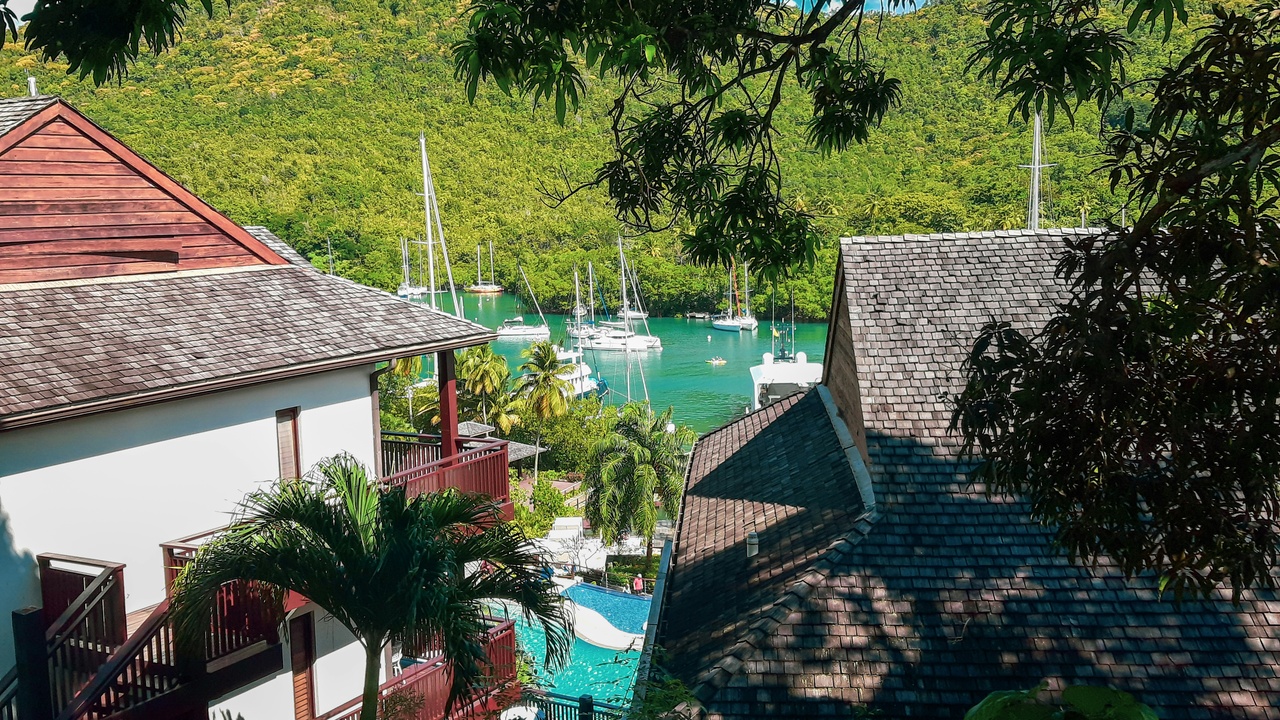
Saint Lucia is known for upscale resorts and a busy cruise calendar. International brands such as Sandals operate alongside boutique eco-resorts, and arrival points like Castries and Rodney Bay see steady cruise activity during the season.
Resorts generate demand for restaurants, transport services and local suppliers; shore excursions to Soufrière, the Pitons and nearby snorkeling sites keep guide teams and small businesses busy. Travel guides often answer what is saint lucia known for by pointing to its resorts, beaches and accessible nature experiences.
6. Agriculture and a history of banana exports
Agriculture — especially bananas — dominated Saint Lucia’s economy through much of the 20th century. Large numbers of smallholder farms produced bananas for export and supported rural communities across the island.
As markets shifted, the island diversified into tourism, manufacturing and services. That change pushed many rural workers to adapt — some now run farm-to-table operations, sell produce at Castries market, or provide niche visitor experiences that tie agriculture to culture.
Adventure, wellness and cuisine
7. Sulphur Springs: the world’s accessible geothermal attraction
Sulphur Springs Park in Soufrière is often called a “drive-in volcano” because visitors can approach fumaroles, bubbling pools and steaming vents with minimal hiking. The site offers short guided walks, scenic viewpoints and supervised mud-bath experiences.
Local spas and tour operators package Sulphur Springs with Pitons viewpoints and waterfall visits, creating full-day wellness and adventure itineraries. Those offerings help Soufrière’s businesses capture tourism dollars while highlighting an unusual, easily accessible volcanic landscape.
8. Food, rum and local drinks: Piton Beer and Creole flavors
Culinary culture matters here. Creole dishes such as green fig and saltfish, seafood stews and spiced pepperpot reflect French, African and local island influences. Street vendors, seaside restaurants and hotel chefs all celebrate those flavors.
Local beverages fuel the island’s identity too: Piton Beer is ubiquitous on menus, and St. Lucia Distillers’ labels (for example, Chairman’s Reserve) anchor rum tastings and distillery tours. Food and drink tours, rum tastings and market visits supply income to cooks, farmers and small producers.
Summary
- UNESCO-listed Pitons (Gros Piton and Petit Piton, inscribed 2004) and the Sulphur Springs “drive-in volcano” are standout natural draws that support local guides and resorts.
- Creole heritage shapes language, craft and cuisine; festivals like Carnival and the Saint Lucia Jazz & Arts Festival bring global visitors and seasonal income.
- Tourism — from luxury resorts and cruise calls to eco-guides and dive operators at Anse Chastanet — now anchors the economy alongside a legacy of banana farming.
- Adventure and wellness (hiking, mud baths) pair with distinct local flavors — Piton Beer and Chairman’s Reserve rum — to create memorable visitor experiences.
- For anyone asking what is saint lucia known for, the quick answer is: dramatic landscapes, Creole culture, geothermal wonders and a hospitality-rich economy worth exploring.