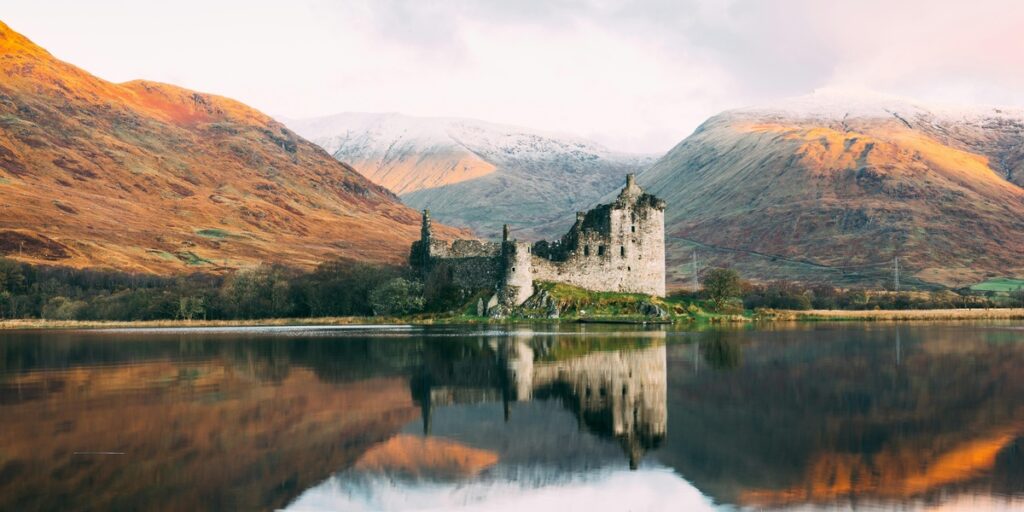
A traveller standing on the rim of Glencoe, looking across mist-filled valleys and looming peaks, is seeing landscapes that shaped centuries of Gaelic song and modern adventure tourism alike. Scotland’s mix of rugged scenery, living traditions and fast-moving innovation matters because it shapes how people travel, what they buy, and even how certain industries — from whisky to renewable energy — position themselves on the world stage. With a population of roughly 5.5 million and over 790 islands, this compact country packs a surprising amount of influence.
So what makes Scotland famous? It’s the Highlands and lochs, centuries-old customs and global festivals, world-class food and drink, and universities and startups that still punch above their weight. Below are eight signature things Scotland is known for, each with facts, examples and why they matter for visitors and the global economy.
1. Landscapes and Natural Heritage

Scotland’s mountains, lochs, islands and long coastline are central to national identity, tourism and conservation efforts. From high peaks that attract climbers to marine habitats supporting seabird colonies, these landscapes generate real economic value while anchoring myths and culture.
Two quick ways these features show up on the map and in people’s lives:
- Highlands and mountains as both cultural icons and outdoor economy drivers
- Lochs and islands as sources of myth, biodiversity, and tourism revenue
1. Dramatic Highlands and Mountain Scenery
The Highlands are one of the defining images of Scotland, and for good reason: Ben Nevis rises to 1,345 m, offering a clear metric of that vertical drama. Classic valleys like Glencoe are film-ready backdrops, and routes such as the West Highland Way (about 95 miles) draw long-distance walkers from around the world.
Outdoor activities aren’t just pastimes — they support local jobs. Cairngorm ski areas, guiding companies, bothies and seasonal accommodations all rely on steady visitor numbers, and hillwalking routes attract hundreds of thousands of users annually.
2. Lochs, Islands and Coastal Wildlife
Lochs, islands and coasts shape Scotland’s culture and biodiversity: Loch Ness (maximum depth ~230 m) carries the monster legend that draws curious tourists, while the more than 790 islands — from Skye to the Outer Hebrides — host important seabird colonies and unique habitats.
Marine and wildlife tourism is a substantial income stream: boat trips for minke whales and dolphins operate from ports like Oban and Ullapool, shellfish and salmon fisheries support coastal communities, and islands such as Orkney and Shetland combine archaeology and birdlife to attract niche visitors.
2. Culture, Traditions and the Arts
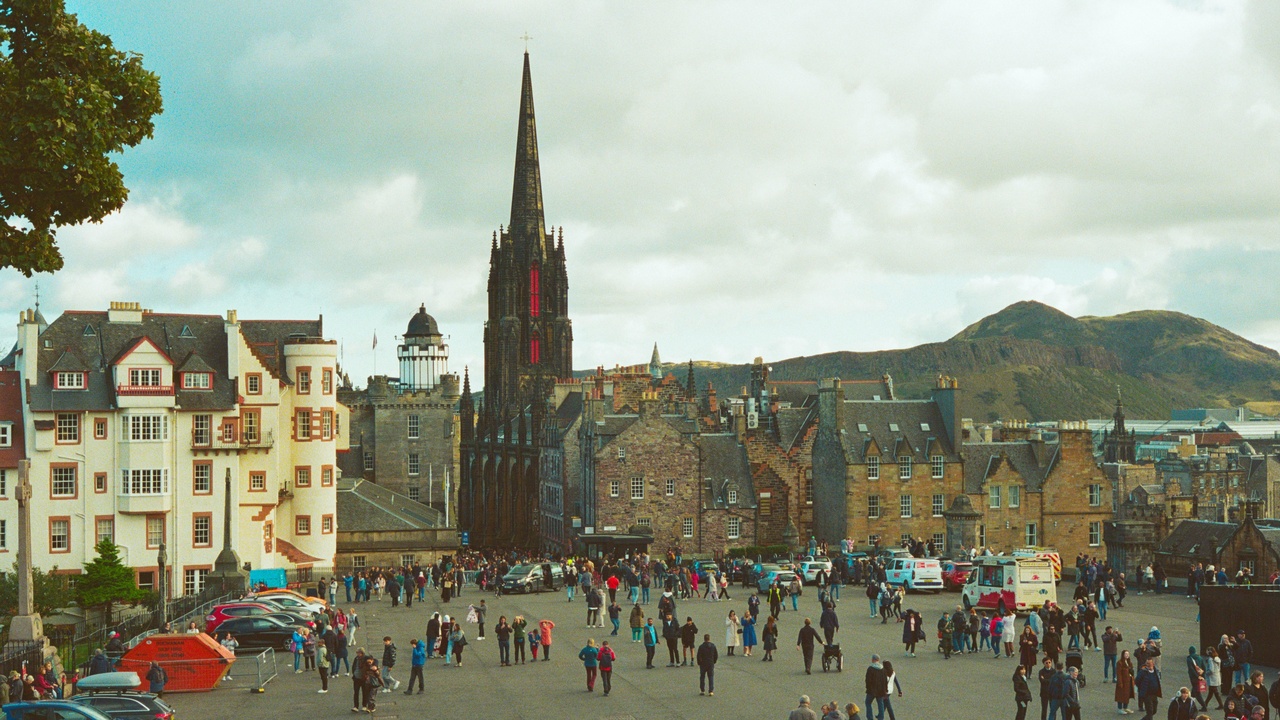
Scotland’s cultural life mixes ancient customs — tartans, clans, bagpipes — with a thriving contemporary arts scene. Medieval castles sit alongside modern theatres, and festivals turn small cities into global stages. The Edinburgh Festival Fringe, which began in 1947, is a standout example of that cultural reach.
The country’s traditions feed tourism, retail and community events while its festivals launch careers and boost hospitality revenue.
3. Traditional Culture: Kilts, Clans and Bagpipes
Tartan, kilts and bagpipes remain powerful cultural symbols, rooted in clan history yet actively used in modern ceremonies, military regiments and tourism. Clan names like Campbell and MacDonald still resonate, and events such as the Braemar Gathering keep Highland Games traditions alive.
These traditions also have an economic footprint: tartan retailers, heritage tours and festival days bring shoppers and visitors to towns throughout the Highlands and Lowlands.
4. Festivals and a Global Arts Reputation
Edinburgh’s festival scene gives Scotland a disproportionate cultural profile. The Fringe began in 1947 and, pre-pandemic, drew roughly 2.8 million tickets in 2019 across thousands of shows, making it the world’s largest arts festival.
Festivals like the Edinburgh International Festival and Glasgow’s Celtic Connections provide a major seasonal boost to hotels, restaurants and creative industries, while serving as launchpads for performers from around the world.
3. Food, Drink and Exports
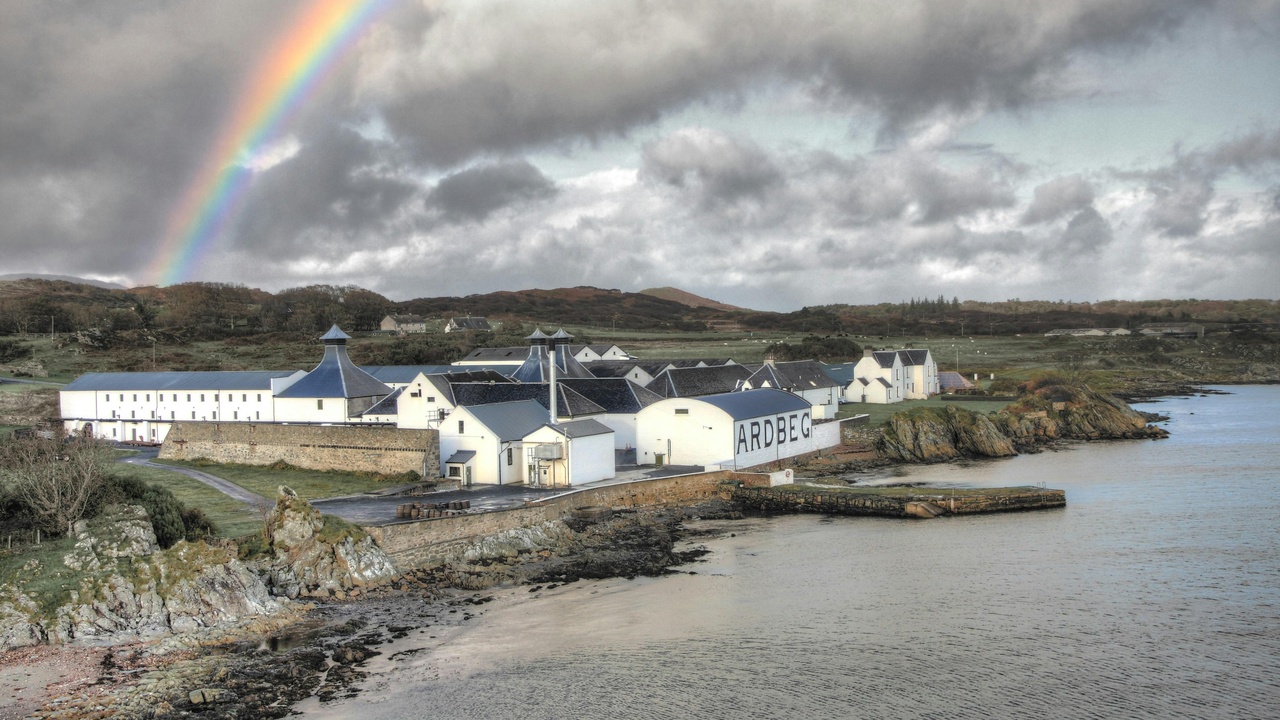
Scottish food and drink combine strong export brands with local, seasonal producers. Scotch whisky is the headline export and cultural identifier, while seafood, game and regional cuisine support coastal communities and a growing food-tourism scene.
- Scotch whisky as a major export and cultural icon
- Seafood, game, and regional producers powering food tourism and exports
5. Scotch Whisky and Distilling Heritage
Scotch whisky is Scotland’s best-known food-and-drink export, with exports valued at over £4 billion annually. The industry includes well over 130 active distilleries and distinct regional styles: Speyside and Islay sit at opposite ends of the flavour map.
Distillery tourism is big business: brand estates such as Glenfiddich and The Macallan (both Speyside) and island names like Talisker draw international visitors, underpinning jobs in rural areas and premium global retail markets.
6. Seafood, Game and Regional Cuisine
Scotland’s salmon, langoustines and shellfish feed export markets and Michelin-starred kitchens alike. Salmon aquaculture and wild fisheries sustain coastal employment, while restaurants in towns such as Oban showcase local catches.
Traditional dishes remain cultural touchstones: haggis plays a central role on Burns Night, and contemporary chefs like Tom Kitchin have helped raise Scotland’s culinary profile with seasonally focused menus and farm-to-table sourcing.
4. Innovation, Education and Modern Economy
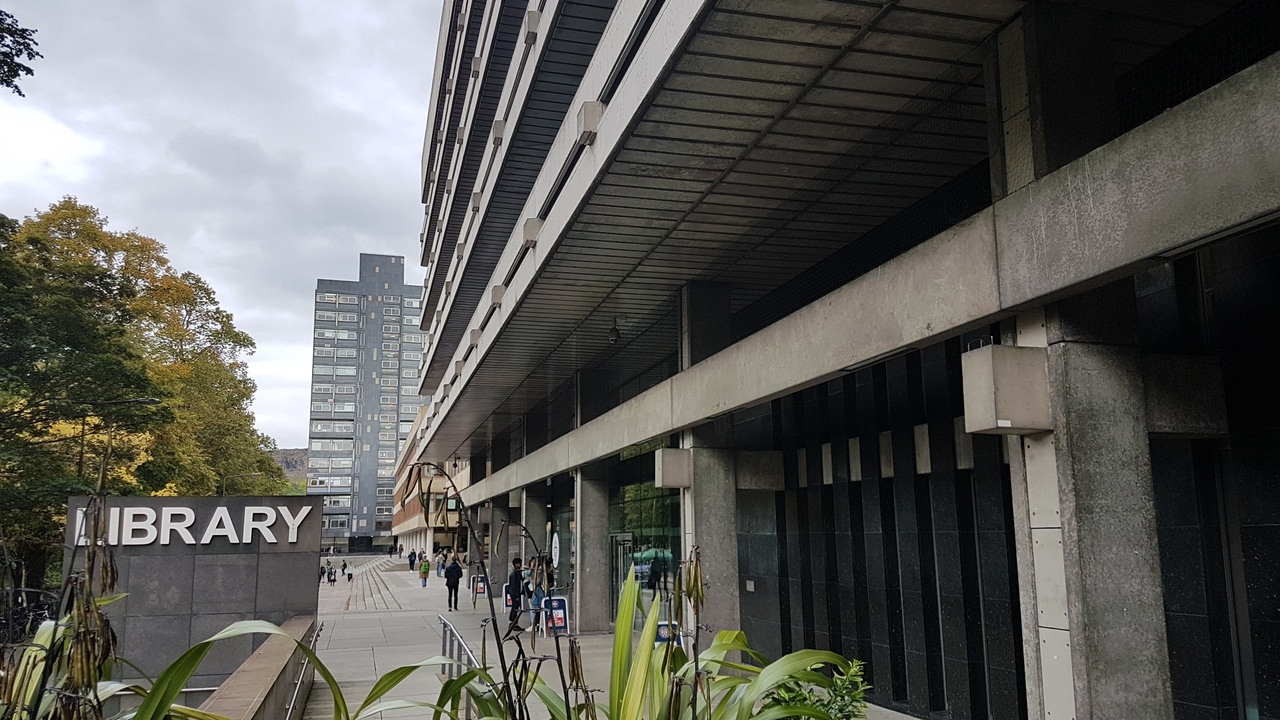
Long-standing universities and a growing tech and renewables sector give Scotland a modern economic identity. Historic institutions continue to contribute to today’s R&D and talent pipelines, while regions such as Dundee and Orkney lead in creative and green technologies.
- Historic universities and research spin-outs
- Tech, gaming, finance and renewable energy clusters driving high-value jobs
7. Universities, Research and Historic Thinkers
Scotland’s universities have produced influential thinkers for centuries; the University of Edinburgh was founded in 1582 and remains central to research and teaching. Intellectual figures linked to Scotland include Adam Smith and Alexander Graham Bell, and modern strengths include medicine and AI research.
Today the university sector spawns spin-outs, attracts international students and supplies talent to local incubators and tech firms, keeping historical prestige connected to contemporary innovation.
8. Tech, Games, Finance and Renewable Energy
Scotland’s economy blends creative clusters and green tech. Dundee’s games heritage (DMA Design evolved into Rockstar North) underpins a lively development scene, while Edinburgh hosts fintech and financial services alongside strong university links.
Renewables are another growth story: Orkney and the western isles host tidal and wind testing sites that feed expertise into exportable technology and local jobs, demonstrating how islands and coasts continue to shape Scotland’s economic direction.
Summary
Across landscapes and labs, Scotland combines deep history with modern energy. From Ben Nevis at 1,345 m to the University of Edinburgh (founded 1582) and Scotch whisky exports worth over £4 billion, a few memorable facts help explain the country’s wide-ranging influence.
As for what is scotland known for, the short answer is a layered one: dramatic nature, persistent cultural markers, celebrated food and drink, and an economy that remains inventive and outward-looking.
- Powerful landscapes and over 790 islands support tourism, biodiversity and local economies (Ben Nevis: 1,345 m; Loch Ness depth ~230 m).
- Enduring culture — tartans, bagpipes, clans — sits alongside global festivals like the Fringe (begun 1947, ~2.8 million tickets in 2019) that raise Scotland’s cultural profile.
- Food and drink combine heritage and exports: Scotch whisky (over £4 billion in exports) and strong seafood industries remain economic anchors.
- Historic universities and growing tech, gaming and renewable clusters keep Scotland competitive in research, high-value jobs and international collaboration.