Damascus is often called one of the world’s oldest continuously inhabited cities — a living link to civilizations thousands of years old. Walk its alleys and you meet layers of Roman, Byzantine, Islamic and Ottoman history in a single morning; that continuity helps explain why Syria’s past still matters to scholars, travelers and diaspora communities worldwide. This article argues that Syria’s global reputation rests on a layered mix of ancient archaeological treasures, vibrant cultural traditions, distinctive foods and crafts, and modern geopolitical significance — and understanding these eight facets gives a more balanced, human picture of the country. The pieces that follow cover ancient sites and UNESCO heritage, the cuisine and crafts that travel with emigrants, and the social and geopolitical developments since 2011 that have reshaped how the world sees Syria.
Ancient heritage and archaeological sites
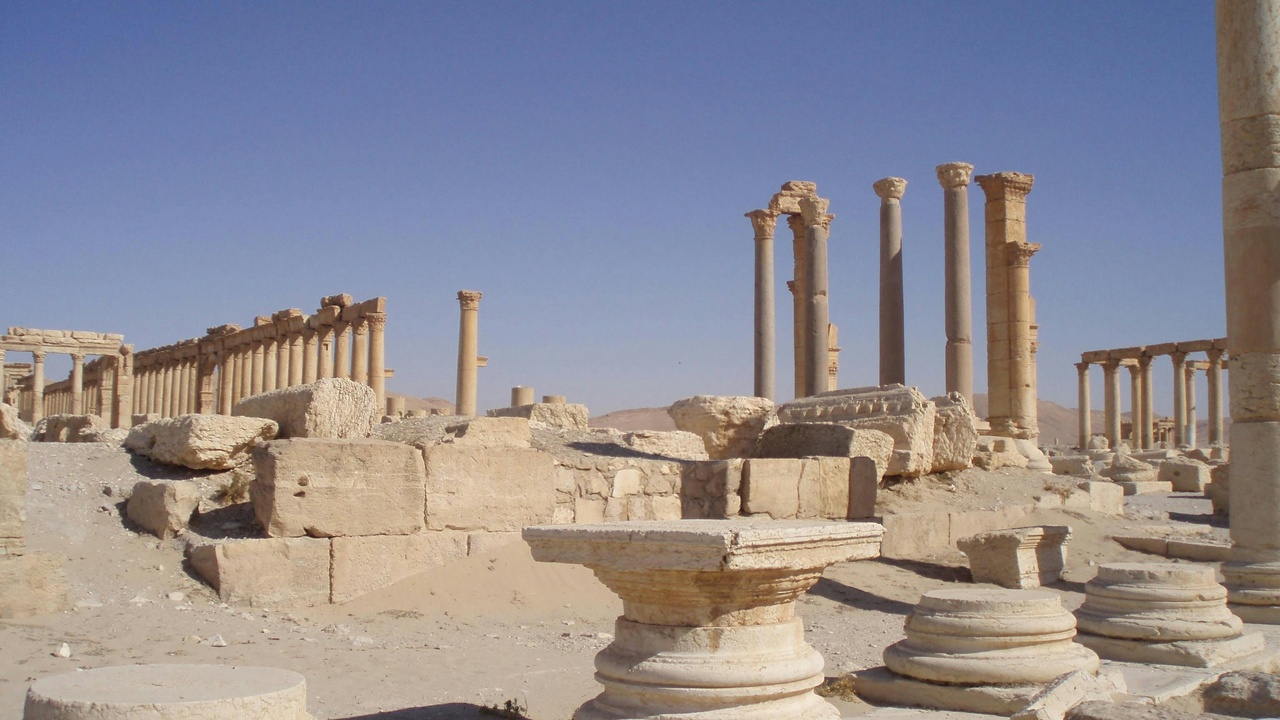
Syria’s concentration of archaeological and World Heritage sites is extraordinary: the country is home to six UNESCO World Heritage Sites that illustrate Roman, Byzantine, Islamic and Crusader eras. These places matter for history and tourism and provide crucial primary evidence for scholars tracing ancient trade networks, urbanism and religious life.
Several flagship inscriptions predate the modern era — the Old City of Damascus was inscribed in 1979 and Palmyra in 1980, while the group of Crusader castles including Crac des Chevaliers and Qal’at Salah ad-Din were inscribed jointly in 2006 (UNESCO). Damage to sites during the 2010s conflict has been well documented, but international teams and local conservators continue documentation and restoration work to preserve what remains.
1. The Old City of Damascus — an ancient urban heart
The Old City of Damascus is famous for its age, continuous habitation and dense historic fabric; UNESCO listed it in 1979. Within its walls are landmarks such as the Umayyad Mosque (one of the oldest major mosques), the Straight Street (Via Recta) and centuries-old souks that still bustle with trade.
Damascus preserves sights and neighborhoods spanning Roman, Christian and Islamic eras, and serves as a living laboratory for historians and a touchstone for diaspora communities that keep crafts, recipes and family narratives alive. Preservation challenges remain acute, but local restoration and international scholarly attention help sustain the Old City’s heritage.
2. Palmyra — the desert city of monumental ruins
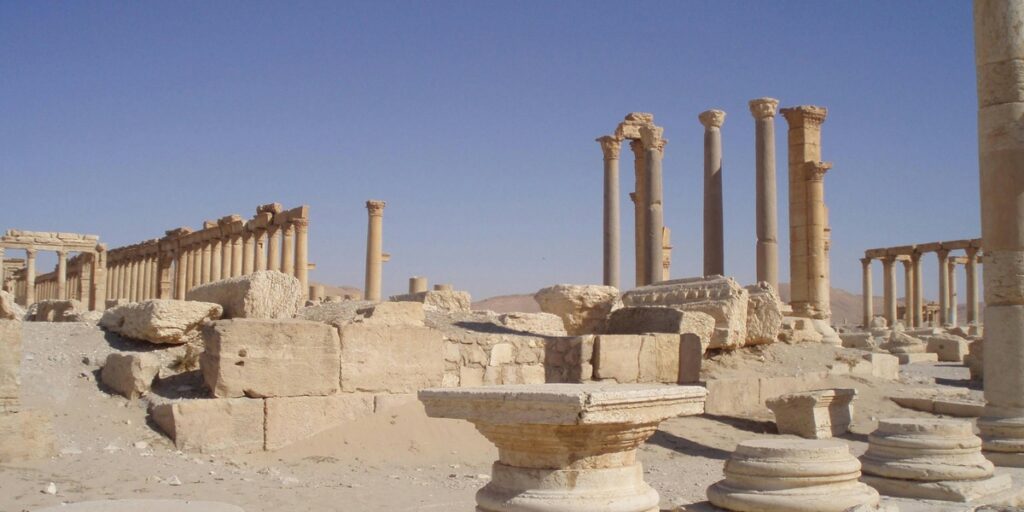
Palmyra symbolises Syria’s Roman-era grandeur and, tragically, recent cultural loss; it was inscribed on the UNESCO list in 1980. The site once featured monumental structures such as the Temple of Bel, a broad colonnaded avenue and funerary towers that testified to Palmyra’s role as a caravan hub linking the Roman world with Persia and beyond.
In 2015 militants caused significant destruction to some of Palmyra’s monuments; the site suffered damage between 2015 and 2017 before portions were recaptured and subsequently documented. UNESCO and allied experts have led damage assessments and digital-recording projects, while fragments and movable artifacts have been the subject of reconstruction and conservation planning.
3. Crusader castles and citadels — Crac des Chevaliers and Aleppo Citadel
Syria’s medieval fortifications rank among the best-preserved Crusader-era structures in the region; the pair Crac des Chevaliers and Qal’at Salah ad-Din were inscribed by UNESCO in 2006. Crac des Chevaliers is notable for its concentric defenses, massive curtain walls and well-preserved towers that illustrate medieval military architecture.
The Aleppo Citadel, with occupations over many millennia, shows successive rebuilding from Antiquity through the medieval period. Both sites have been focal points for architectural study and, after conflict-related damage, for careful restoration projects that combine archaeological evidence with modern conservation techniques.
Cultural riches: food, crafts, and everyday products
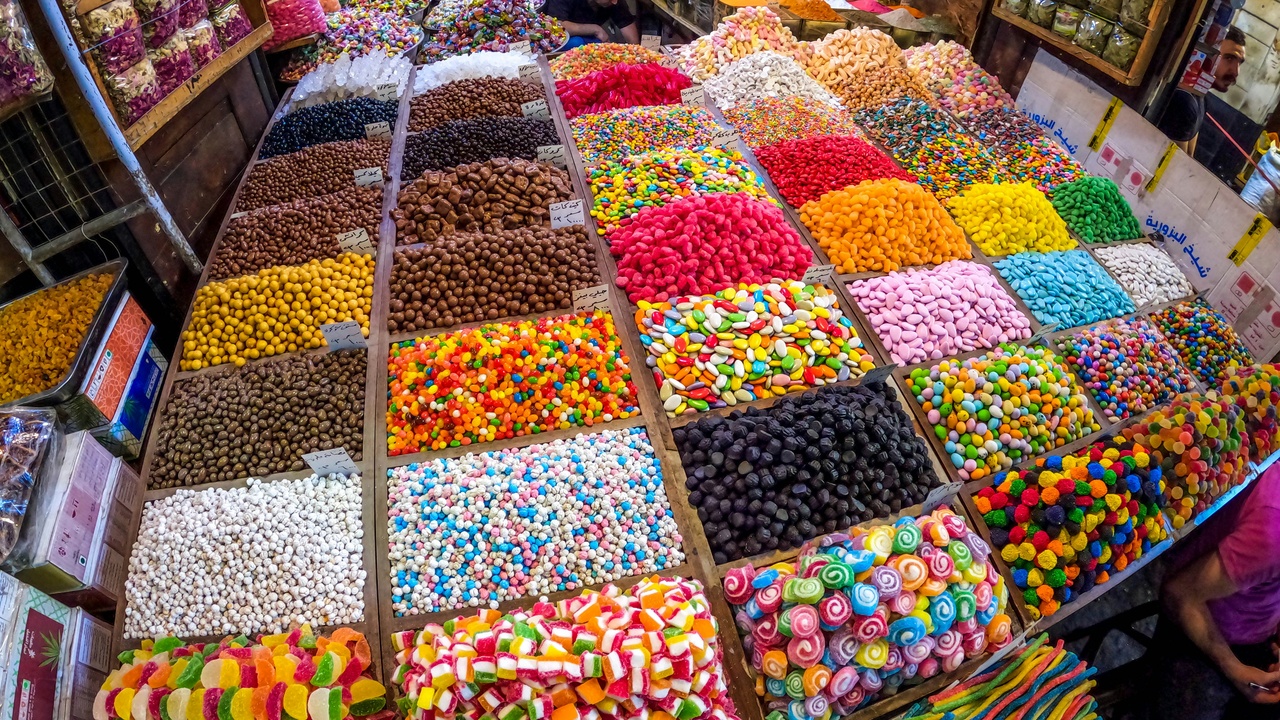
Syria’s cultural output reaches global tables and markets through cuisine, spices, soap, textiles and metalwork, and these items carry cultural identity into diaspora neighborhoods and international specialty shops. If you wonder what is syria known for on the culinary and craft fronts, look to Aleppo’s flavors, Damascus-style inlay work and centuries-old soapmaking traditions that continue to find buyers abroad.
These products—both everyday and luxury—are more than commodities: they transmit recipes, techniques and regional identities across borders, sustaining ties between Syrians at home and in migration.
4. Cuisine — rich Levantine flavors and signature dishes
Syrian cuisine is a cornerstone of the country’s international reputation, rooted in Levantine traditions and local specialities. Signature dishes include kibbeh (meat-and-bulghur preparations), muhammara (a red-pepper-and-walnut dip associated with Aleppo) and regional variations of shawarma and kebabs.
Key ingredients such as Aleppo pepper (pul biber), pomegranate molasses and olive oil give many dishes their characteristic notes, and Syrian restaurants and family recipes have spread across Europe, the U.S. and the Gulf via migration and culinary entrepreneurship.
5. Traditional crafts and metalwork — Damascus patterns and inlay work
Syria has a long reputation for skilled artisanship: fine metalwork, mother-of-pearl and wood inlay, and richly patterned textiles have been produced in cities like Damascus and Aleppo for centuries. Historical fame also surrounds patterned “Damascus steel” blades (pattern-welded blades in collections) and hand-decorated Damascene inlay furniture and boxes.
These crafts appear in museum collections and luxury markets, and surviving workshops and family businesses continue to teach traditional methods to new generations despite economic and social pressures.
6. Aleppo soap and olive oil — centuries-old products still in demand
Aleppo soap is one of the world’s oldest known hard soaps, traditionally made from olive oil and laurel oil and cured over months in Aleppo’s production centers. The soap’s characteristic green-to-brown bars are prized in artisanal shops across Europe and North America, sold as both a household and cosmetic product.
Olive oil itself remains central to local agriculture and cuisine, and both products represent long-standing rural-to-urban economies that exported tastes and goods regionally for centuries.
Modern significance: society, religion, and geopolitics
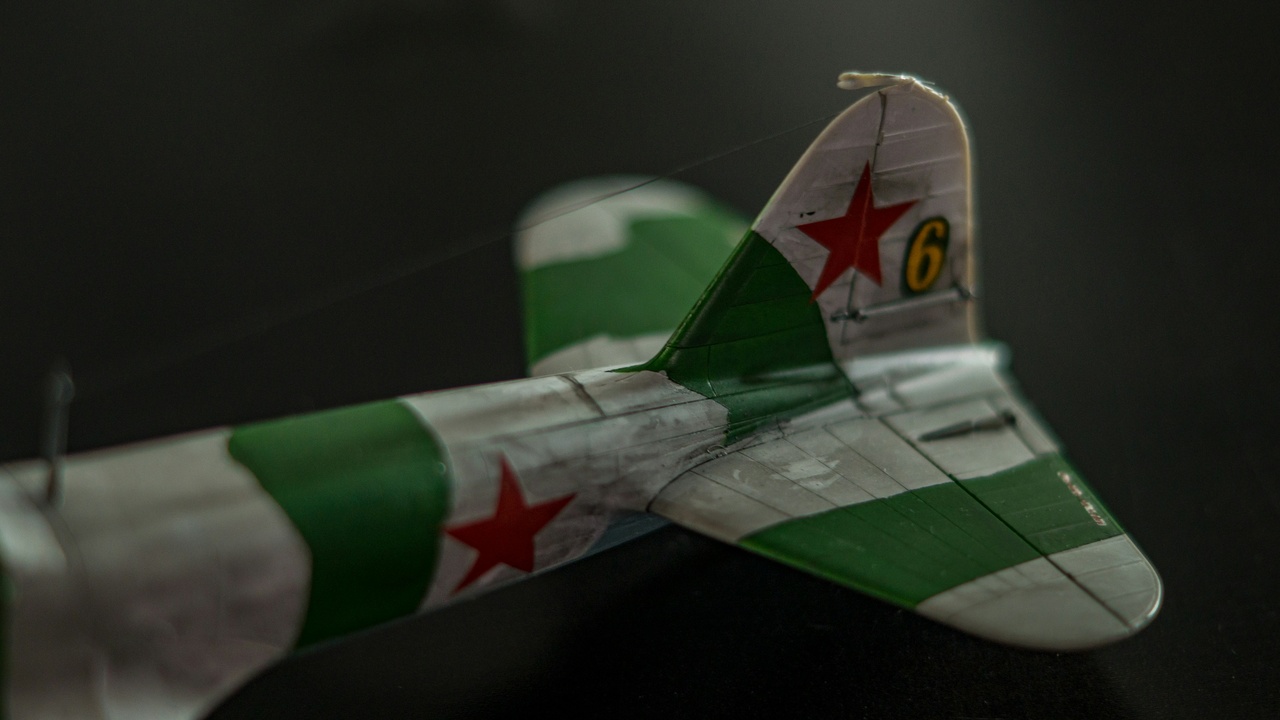
Syria’s contemporary global profile blends demographic diversity, strategic geography and a conflict that began in 2011 with far-reaching humanitarian and diplomatic consequences. Before the upheaval, Syria’s population was roughly 22 million (2010–2011 estimates), and the country occupies a strategic corridor between the Mediterranean and Mesopotamia, with major rivers such as the Euphrates shaping agriculture and settlements.
The next sections outline the conflict’s international impact and the country’s long-standing religious and ethnic mosaic.
7. Geopolitical significance and the conflict since 2011
Syria is widely known internationally for the civil war that began in 2011 and reshaped regional politics and humanitarian priorities. The conflict produced large-scale displacement both inside and outside Syria: by the end of 2021 UNHCR had recorded over 5.6 million registered Syrian refugees in neighbouring countries (UNHCR figures), and millions more were displaced internally.
International and regional actors became involved in military and diplomatic ways, and major diplomatic initiatives — from Geneva talks to Astana-backed negotiations — have tried, with mixed success, to create ceasefires and humanitarian channels. The result has been prolonged reconstruction challenges and complex questions about heritage protection, refugee returns and economic recovery.
8. Religious and ethnic diversity — a long history of multiple communities
Syria has historically been home to a mosaic of religious and ethnic groups: Sunni Arabs, Alawites, Christians (Greek Orthodox, Syriac, Armenian and others), Druze, Kurds and smaller communities. This diversity shows in religious architecture — mosques, churches and shrines — and in multilingual cultural practices across cities and regions.
Examples include Christian quarters in Aleppo and Damascus and Kurdish-majority areas in northeastern governorates, each with distinct festivals, languages and culinary traditions that enriched Syria’s social fabric before recent upheavals.
Summary
The following key takeaways synthesize what gives Syria its distinctive global profile and suggest directions for further interest or support.
- Syria hosts six UNESCO World Heritage Sites (including the Old City of Damascus, inscribed 1979, and Palmyra, inscribed 1980), giving the country an unusually dense record of ancient urban and monumental heritage.
- Food and crafts travel with people: Aleppo pepper, muhammara and kibbeh, plus Aleppo soap (olive and laurel oil) and Damascene inlay work, remain emblematic cultural exports.
- The civil war that began in 2011 produced large-scale displacement (millions registered as refugees by UNHCR) and made Syria a focal point of international diplomacy and reconstruction debates.
- Religious and ethnic diversity—Sunni, Alawite, Christian, Druze, Kurdish and others—has shaped Syria’s cities, festivals and cuisines for centuries.
- Explore responsibly: support heritage-preservation efforts, read reporting from UNESCO and UNHCR, and seek out Syrian recipes and artisans to learn more about what is syria known for while contributing to cultural continuity.