A clay jar found at Gadachrili Gora contained wine residue dated to about 8,000 years ago, making Georgia one of the world’s earliest wine regions.
That deep history helps explain why people often ask what is georgia known for: answers range from millennia-old culture and distinctive alphabets to towering Caucasus peaks, a subtropical Black Sea coast, hearty food and an increasingly lively capital.
This piece lists eight distinctive things Georgia is famous for, covering history, landscapes, cuisine and Tbilisi’s modern energy — a compact guide for travelers, food lovers and curious readers.
History and Cultural Heritage
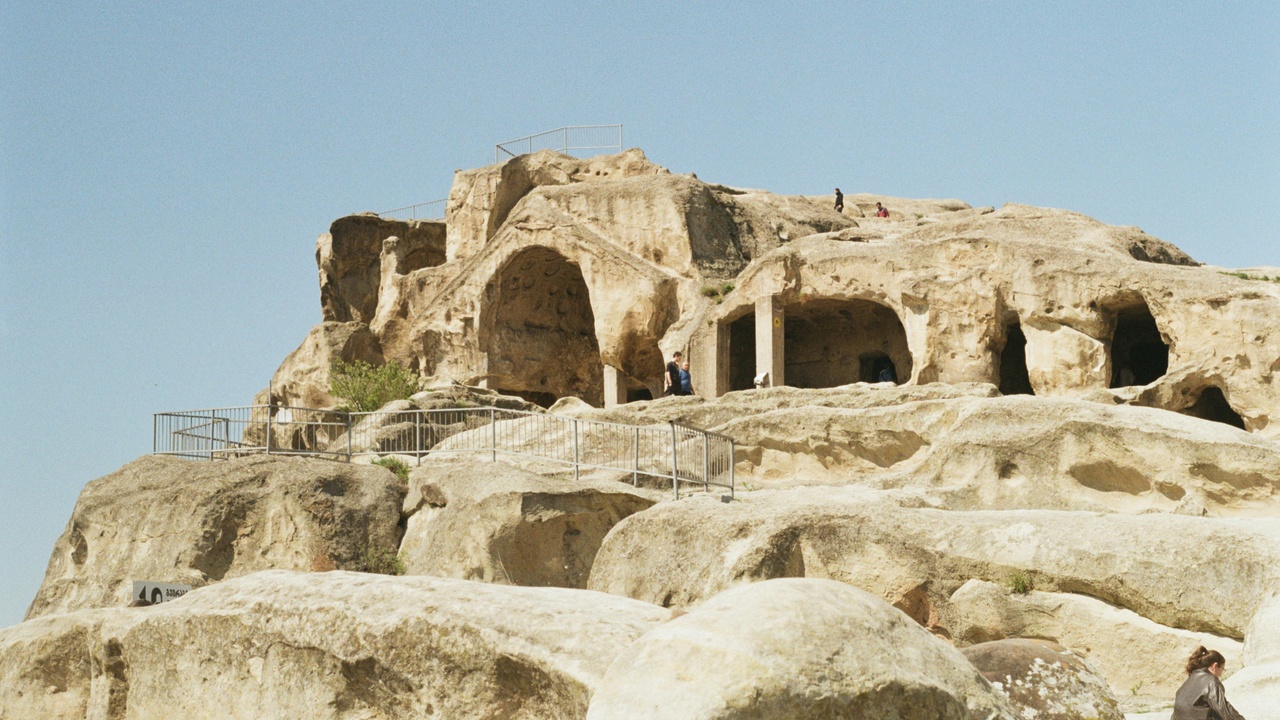
Georgia sits at a crossroads of empires and trade routes between Europe and Asia, and that position shaped a layered cultural timeline stretching from Bronze Age settlements to vibrant medieval kingdoms.
Three pillars stand out: multiple UNESCO-listed monuments and medieval centers, a written tradition with three distinct scripts, and an early Christian heritage that remains visible in churches and monastic life.
Visitors can walk the ancient streets of Mtskheta, admire painted frescoes in Gelati and spot Asomtavruli carved on stone — all concrete traces of Georgia’s long and continuous cultural identity.
1. UNESCO sites and ancient monuments
Georgia is home to several UNESCO World Heritage sites, beginning with the Historical Monuments of Mtskheta inscribed in 1994 and Upper Svaneti added in 1996.
Mtskheta served as an early capital and religious center; Jvari Monastery, dating to the 6th century, and the Svetitskhoveli Cathedral anchor the town’s spiritual and architectural importance.
Gelati Monastery, founded in 1106, exemplifies the regional medieval style and played a role in scholarship and national identity, while Svaneti’s stone defensive towers and remote villages offer a striking highland experience.
2. A distinct language and three alphabets
Georgia has its own language and a written tradition unique to the country: three historic scripts known as Asomtavruli, Nuskhuri and Mkhedruli.
Mkhedruli is the modern script used on Tbilisi street signs, official documents and everyday writing, while older scripts appear in religious manuscripts and monuments.
The Georgian literary tradition stretches back to the medieval epic The Knight in the Panther’s Skin by Shota Rustaveli (12th century), a touchstone of national culture and pride.
3. Deep-rooted Orthodox Christian traditions
Christianity arrived in Georgia in the early medieval period and became a central force shaping architecture, festivals and communal life.
Monasteries such as Davit Gareja and active pilgrimage sites like Svetitskhoveli Cathedral in Mtskheta continue to draw worshippers and visitors, especially during religious feasts and saints’ days.
These institutions still host liturgy, preserve fresco cycles from the Middle Ages and function as living links between past and present.
Landscapes, Mountains and the Black Sea
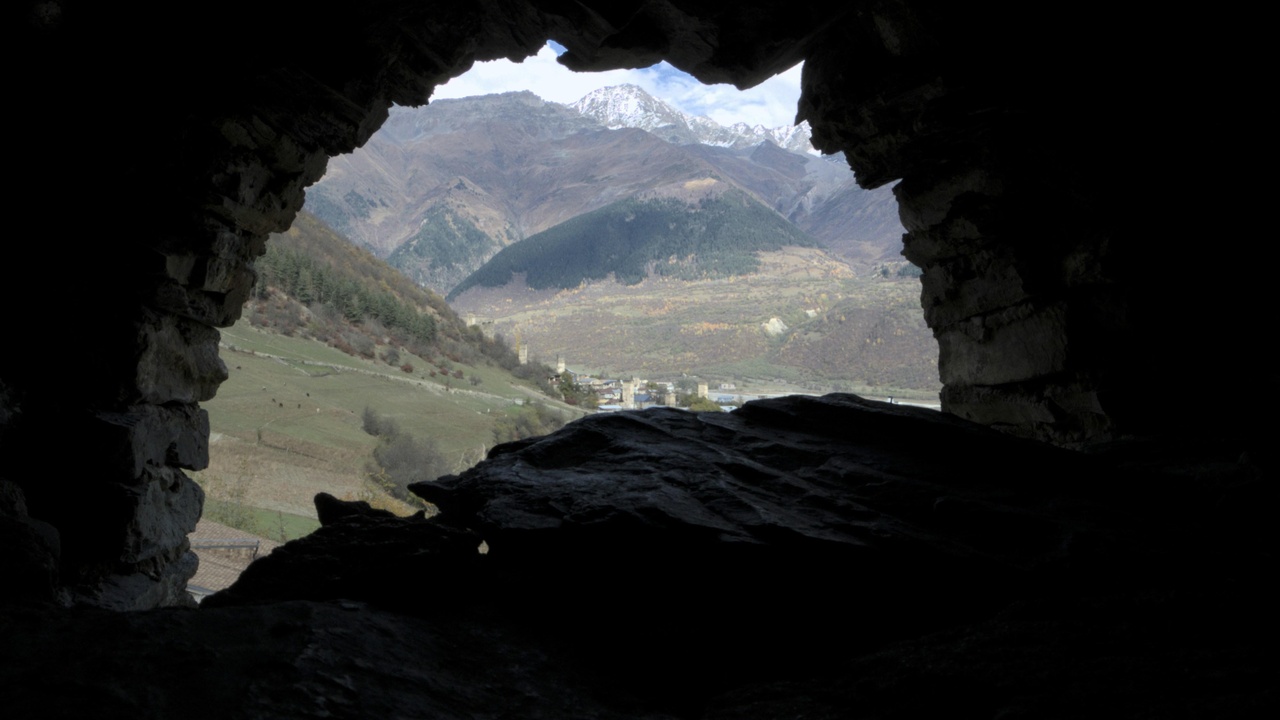
Georgia covers roughly 69,700 km² and has a population near 3.7 million, but those compact figures hide dramatic elevation changes and diverse ecosystems from sea level to glaciated peaks.
Two main physical attractions stand out: the Greater Caucasus mountains for high-altitude adventure, and the Black Sea coast with its milder, subtropical lowlands and resort towns like Batumi.
4. The Caucasus mountains and outdoor adventure
Georgia contains part of the Greater Caucasus, including peaks such as Mount Shkhara at about 5,193 m and the dramatic bulk of Mount Kazbek near Stepantsminda.
Svaneti and Ushguli offer alpine villages with medieval towers, while regions like Kazbegi provide accessible treks to sites such as the Gergeti Trinity Church and multi-day hiking routes.
Winter sports concentrate around Gudauri, where ski slopes and freeride terrain have attracted international skiers and growing resort infrastructure.
5. The Black Sea coast and subtropical lowlands
Georgia’s Black Sea coast is anchored by Batumi, a city that blends beaches, a seaside boulevard and the sprawling Batumi Botanical Garden with subtropical plantings.
The western lowlands enjoy milder, wetter microclimates that contrast with the high, dry mountains, supporting unique agriculture and a seasonal seaside tourism economy.
Batumi functions as both a port and a resort, its modern skyline and boardwalk drawing sun-seekers in summer and architecture fans year-round.
Cuisine, Wine and Hospitality
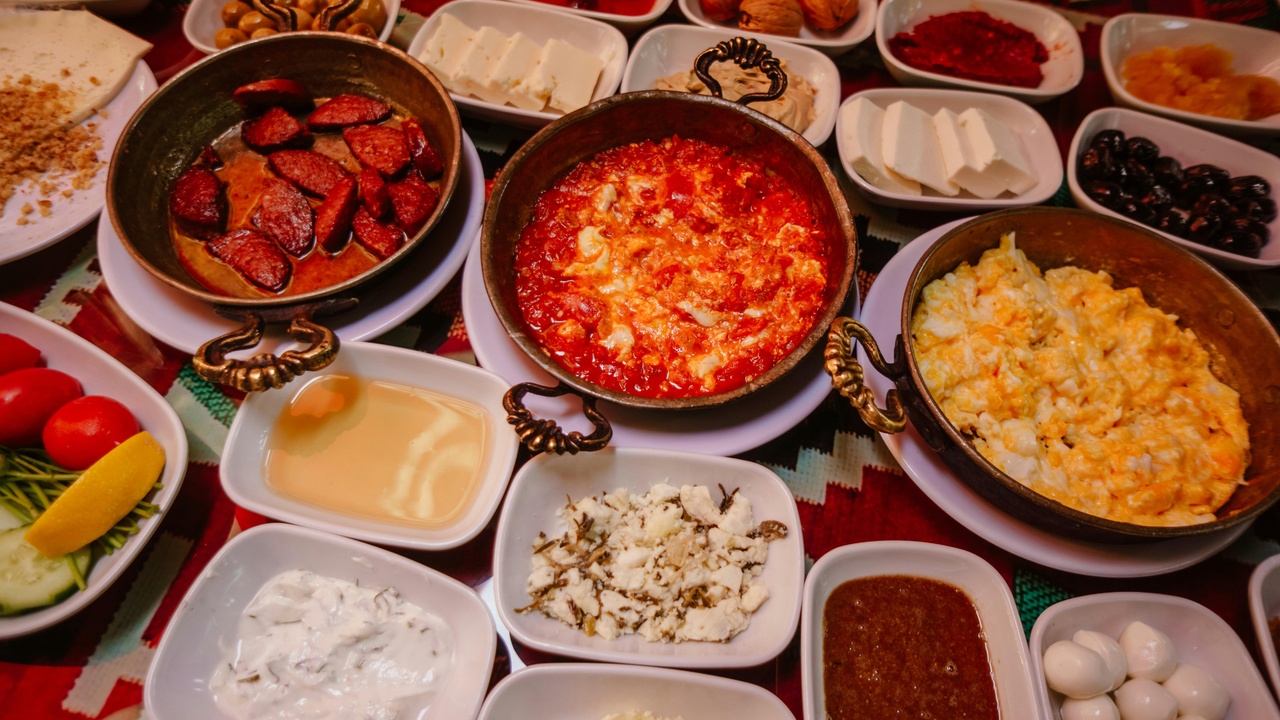
Food and wine are central to Georgian identity: communal meals, generous hospitality and an ancient viticultural tradition shape family life and visitor experiences.
Two highlights deserve special mention: the millennia-old qvevri winemaking method and the supra, a ceremonious feast led by a toastmaster.
6. Millennia-old wine culture and the qvevri tradition
Georgia is often described as a cradle of wine: archaeological residues date winemaking to roughly 8,000 years ago, and the qvevri clay-jar method remains a living tradition.
Qvevri winemaking was inscribed on UNESCO’s list of Intangible Cultural Heritage in 2013, and Kakheti remains the country’s primary wine region where families and small wineries offer tastings of Saperavi and Rkatsiteli varieties.
Visitors can tour vineyards, taste amber and natural wines made in qvevri, and see how ancient techniques have been revived by modern producers.
7. Hearty dishes, the supra (feast) and warm hospitality
Georgian cuisine centers on sharing: the supra is a structured feast where a tamada (toastmaster) leads toasts that bind guests and mark important moments.
Signature dishes include khachapuri (cheese bread) in Imeretian and Adjarian styles, khinkali (meat dumplings), and lobio (bean stews), all commonly paired with local wine.
These meals appear at family celebrations, seasonal festivals and informal gatherings, and hospitality — the invitation to stay, eat and toast — is a cultural hallmark.
Tbilisi, Modern Culture and Growing Tourism

Tbilisi blends winding historic neighborhoods, steam-scented sulfur bath districts and a modern skyline, reflecting both centuries of history and recent cultural revival.
Before the pandemic, international arrivals climbed sharply — roughly 9.4 million visits in 2019 — and that growth helped spur boutique hotels, festivals and a small but active startup scene.
8. Tbilisi’s architecture, creative energy, and tourism boom
Tbilisi’s Old Town (including Abanotubani’s sulfur baths and Narikala Fortress) sits alongside contemporary projects, galleries and lively cafés that host film nights, exhibitions and markets.
The city has become a magnet for travelers and creatives: a visitor might spend mornings wandering cobbled lanes and afternoons in coworking spaces or at the Tbilisi International Film Festival.
That mix of historic atmosphere and emerging cultural industries — plus improved air connections and boutique accommodation — helps explain growing interest in life and travel in Georgia.
Summary
- Archaeology and qvevri wines link Georgia to one of the world’s oldest winemaking traditions; taste Saperavi in Kakheti to see why.
- The country’s unique cultural markers — three alphabets, medieval monasteries (Mtskheta 1994) and centuries-old churches — shape national identity.
- Dramatic geography ranges from Black Sea beaches and Batumi’s botanical gardens to 5,193 m peaks in the Greater Caucasus, offering year-round outdoor options.
- Tbilisi combines historic baths, modern architecture and a growing creative scene, and pre-2020 tourism surges (about 9.4 million arrivals in 2019) helped expand visitor infrastructure.