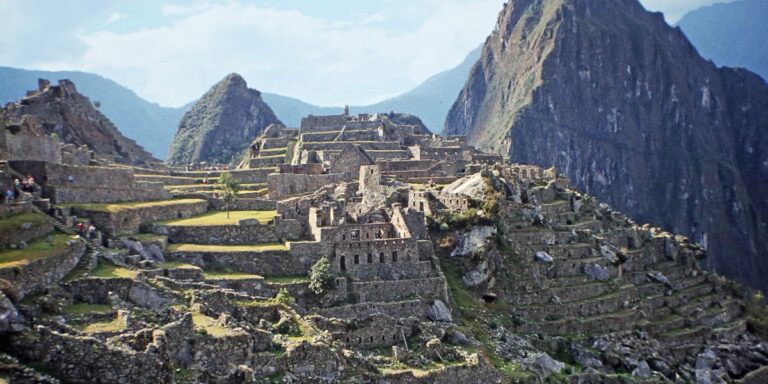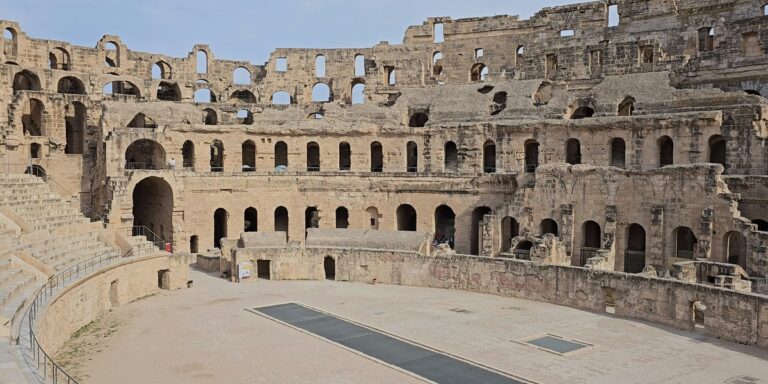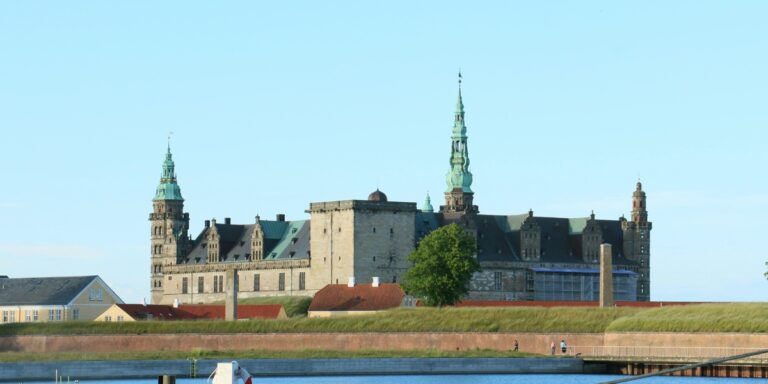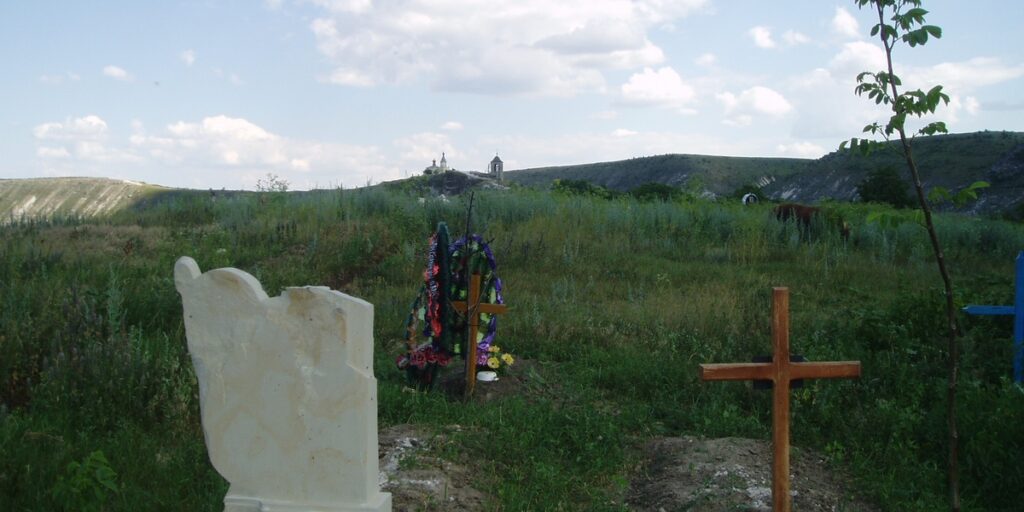
From riverside monasteries to fortified manors, Moldova’s historic sites trace centuries of faith, trade and regional change. Walking these places offers a direct way to read the country’s layered past in architecture, frescoes and landscape.
There are 70 Historical Places in Moldova, ranging from Alexander Nevsky Church, Ungheni to Țipova Monastery. For each entry the columns are Type,Location,Significance (max 15 words); you’ll find below.
How were the sites selected for this list?
The list combines officially recognized monuments, well-documented local landmarks and sites frequently cited in regional histories, prioritizing clear historical or cultural significance and available public information.
How can I use the table to plan a visit?
Sort or scan by Type and Location to group nearby sites, read the Significance note for what makes each place worth seeing, then check practical details like access, opening hours and transport before you go.
Historical Places in Moldova
| Name | Type | Location | Significance (max 15 words) |
|---|---|---|---|
| Orheiul Vechi | Archaeological site | Trebujeni — Orhei District | Vast complex with cave monasteries, fortresses, and baths from the Dacian era onwards. |
| Soroca Fortress | Fortress | Soroca — Soroca District | Perfectly preserved 15th-century fortress, a key defense point on the Dniester River. |
| Tighina (Bender) Fortress | Fortress | Tighina (Bender) — Bender Municipality | Massive 15th-century Ottoman fortress, witness to major historical battles and events. |
| Căpriana Monastery | Monastery | Căpriana — Strășeni District | One of Moldova’s oldest monasteries, founded in the 15th century by Alexandru cel Bun. |
| Curchi Monastery | Monastery | Curchi — Orhei District | Impressive 18th-century Bessarabian baroque-style monastic complex set in a lush valley. |
| Saharna Monastery | Monastery | Saharna — Rezina District | Holy Trinity rock monastery complex with stunning Dniester River views and waterfalls. |
| Țipova Monastery | Monastery | Țipova — Rezina District | The largest cave monastery in Moldova, carved into limestone cliffs above the Dniester. |
| Struve Geodetic Arc – Rudi point | Monument | Rudi — Soroca District | UNESCO World Heritage site, a crucial 19th-century point for measuring the Earth’s size. |
| National Museum of History of Moldova | Museum | Chișinău — Chișinău Municipality | Houses over 300,000 artifacts showcasing Moldova’s history from Paleolithic to modern times. |
| Manuc Bei Mansion | Museum | Hîncești — Hîncești District | Lavish 19th-century French-style palace of an influential Armenian diplomat of the Ottoman Empire. |
| Ștefan cel Mare Monument | Monument | Chișinău — Chișinău Municipality | Iconic 1928 bronze statue of Moldova’s most revered medieval ruler, Stephen the Great. |
| Hâncu Monastery | Monastery | Bursuc — Nisporeni District | Historic 17th-century convent for nuns, beautifully situated in a forest. |
| Rudi Monastery | Monastery | Rudi — Soroca District | Holy Trinity monastery founded in 1777, an important example of old Moldavian architecture. |
| Old Chișinău Water Tower | Museum | Chișinău — Chișinău Municipality | Historic 19th-century water tower, now housing the Chișinău City History Museum. |
| Alexander Pushkin Museum Complex | Museum | Chișinău — Chișinău Municipality | House where the famous Russian poet Alexander Pushkin lived during his Bessarabian exile. |
| Măzărache Church | Historic Town | Chișinău — Chișinău Municipality | The oldest church in Chișinău, an 18th-century example of traditional Moldavian architecture. |
| Lower Trajan’s Wall | Archaeological site | Vadul lui Isac — Cahul District | Remnants of a Roman-era defensive earthwork stretching across southern Moldova. |
| Eternity Memorial Complex | Monument | Chișinău — Chișinău Municipality | Soviet-era monument with an eternal flame dedicated to soldiers who died in WWII. |
| Noul Neamț Monastery | Monastery | Chițcani — Căușeni District | Major male monastery known for its tall bell tower, the highest in Moldova. |
| Candle of Gratitude | Monument | Soroca — Soroca District | Modern monument on a historic site, symbolizing the endurance of Moldovan culture. |
| Assumption of the Virgin Mary Church | Historic Town | Căușeni — Căușeni District | Unique 17th-century church, half-buried, with well-preserved medieval interior frescoes. |
| National Museum of Ethnography and Natural History | Museum | Chișinău — Chișinău Municipality | Oldest museum in Moldova, founded in 1889, in a distinct Moorish-style building. |
| Arch of Triumph, Chișinău | Monument | Chișinău — Chișinău Municipality | 1840 triumphal arch commemorating the Russian Empire’s victory over the Ottoman Empire. |
| Jewish Cemetery of Chișinău | Historic Town | Chișinău — Chișinău Municipality | One of Europe’s largest Jewish cemeteries, a poignant reminder of a once-thriving community. |
| Vărzărești Monastery | Monastery | Vărzărești — Nisporeni District | Documented as Moldova’s oldest monastery, dating back to the early 15th century. |
| Castel Mimi | Museum | Bulboaca — Anenii Noi District | Restored late 19th-century wine chateau, a national monument of industrial architecture. |
| Dolna Estate (Ralli Mansion) | Museum | Dolna — Strășeni District | 19th-century country estate where Pushkin spent time, now a museum dedicated to him. |
| St. Dumitru Church, Orhei | Historic Town | Orhei — Orhei District | 17th-century church founded by Vasile Lupu, a prominent example of Moldavian architecture. |
| Saharna Mare Archaeological Site | Archaeological site | Saharna — Rezina District | Iron Age Geto-Dacian settlement and fortress ruins dating from 10th-2nd centuries BCE. |
| Frumoasa Monastery | Monastery | Frumoasa — Călărași District | 19th-century monastery known for its beautiful architecture and tranquil forest setting. |
| Condrița Monastery | Monastery | Condrița — Strășeni District | 18th-century monastery hidden in the Codri forests, a former annex of Căpriana Monastery. |
| Ciuflea Monastery | Monastery | Chișinău — Chișinău Municipality | Distinctive 19th-century church with blue onion domes, now a functioning city monastery. |
| House-Museum of Alexei Mateevici | Museum | Zaim — Căușeni District | Birthplace of the priest and poet who wrote Moldova’s national anthem, “Limba Noastră”. |
| Bălți History and Ethnography Museum | Museum | Bălți — Bălți Municipality | Regional museum with important archaeological finds and artifacts from northern Moldova. |
| Soroca Roma Hill | Historic Town | Soroca — Soroca District | Historic neighborhood known as the unofficial “Roma capital” with unique, elaborate architecture. |
| Năpădeni Archaeological Site | Archaeological site | Năpădeni — Ungheni District | Site of a 14th-century Golden Horde city (Shehr al-Jedid) with remnants of baths. |
| House of the National Assembly (Sfatul Țării) | Monument | Chișinău — Chișinău Municipality | Historic building where the union of Bessarabia with Romania was declared in 1918. |
| Tiraspol Suvorov Monument | Monument | Tiraspol — Tiraspol Municipality | Equestrian statue of Alexander Suvorov, the 18th-century founder of the city of Tiraspol. |
| Cosăuți Monastery | Monastery | Cosăuți — Soroca District | 18th-century monastery and Paleolithic-era settlement site near the Dniester River. |
| Japca Monastery | Monastery | Japca — Florești District | The only continuously functioning monastery in Moldova since its 17th-century founding. |
| Stolniceni-Trinca Landscape Reserve | Archaeological site | Trinca — Edineț District | Natural reserve containing Geto-Dacian fortress ruins and prehistoric grottoes and caves. |
| Zemstve Museum Building | Museum | Chișinău — Chișinău Municipality | Historic building of the former Bessarabian Zemstvo, now housing fine arts collections. |
| Purcari Winery | Museum | Purcari — Ștefan Vodă District | Moldova’s oldest winery, founded in 1827 by decree of the Russian Emperor. |
| Cricova Cellars | Museum | Cricova — Cricova town | Famous underground wine cellars, tunnels originally excavated for limestone in the 15th century. |
| Upper Trajan’s Wall | Archaeological site | Leova — Leova District | Section of a Roman-era defensive earthwork in central Moldova of uncertain origin. |
| Mașcăuți Archaeological Site | Archaeological site | Mașcăuți — Criuleni District | Site of a fortified Geto-Dacian settlement from the 4th-3rd centuries BCE. |
| Jewish Cemetery of Soroca | Historic Town | Soroca — Soroca District | Historic cemetery reflecting the long and significant Jewish history of the Soroca region. |
| Ceadîr-Lunga History and Ethnography Museum | Museum | Ceadîr-Lunga — Gagauzia | Museum showcasing the history and culture of the Gagauz people in southern Moldova. |
| Comrat History and Ethnography Museum | Museum | Comrat — Gagauzia | Regional museum dedicated to the history, culture, and traditions of Gagauzia. |
| Butești Gorges (La Șanț) | Archaeological site | Butești — Glodeni District | Natural site featuring a Geto-Dacian fortress and caves with signs of ancient habitation. |
| Călărășeuca Monastery | Monastery | Călărășeuca — Ocnița District | 18th-century monastery complex scenically located on a high bank of the Dniester River. |
| Vila urbană a lui V. Herța | Historic Town | Chișinău — Chișinău Municipality | An iconic Art Nouveau building from the early 20th century, a national monument. |
| Casa-Muzeu Alexandr Donici | Museum | Donici — Orhei District | Museum in the family mansion of the 19th-century Bessarabian fabulist writer Alecu Donici. |
| Wooden Church from Hirișeni | Museum | Chișinău — Chișinău Municipality | 17th-century wooden church relocated to the Village Museum, a rare surviving example. |
| Varnița Historical Complex | Monument | Varnița — Anenii Noi District | Site commemorating the camp of Swedish King Charles XII after the Battle of Poltava. |
| Bender Railway Station | Historic Town | Tighina (Bender) — Bender Municipality | Historic railway station reflecting the architectural style of the late Russian Empire. |
| Butuceni Eco-Resort | Historic Town | Butuceni — Orhei District | Preserved traditional village within the Orheiul Vechi complex, showcasing rural Moldovan life. |
| Cathedral of Christ’s Nativity | Historic Town | Chișinău — Chișinău Municipality | Chișinău’s main cathedral, a significant example of 19th-century Neoclassical Russian architecture. |
| House-Museum of Constantin Stamati | Museum | Ocnița — Ocnița District | Museum at the family estate of a prominent 19th-century Bessarabian writer and translator. |
| Alexander Nevsky Church, Ungheni | Historic Town | Ungheni — Ungheni District | Built in 1903 to commemorate Russian soldiers, a notable example of neo-Byzantine architecture. |
| Valea Adîncă Gorges and Caves | Archaeological site | Valea Adîncă — Camenca District | Prehistoric caves and Geto-Dacian fortress remnants in a dramatic natural setting. |
| House-Museum of Igor Vieru | Museum | Cernoleuca — Dondușeni District | Memorial museum dedicated to the famous 20th-century Moldovan painter in his native village. |
| Hîrbovăț Monastery | Monastery | Hîrbovăț — Călărași District | 18th-century monastery founded by settlers from a monastery now in Transnistria. |
| Aluniș Grotto Monastery | Archaeological site | Aluniș — Rîșcani District | Ancient cave hermitage site, part of the “Prut’s Ravines” natural monument. |
| Catholic Church of Divine Providence | Historic Town | Chișinău — Chișinău Municipality | 19th-century Roman Catholic cathedral, an important historic religious site in the capital. |
| Military Museum, Chișinău | Museum | Chișinău — Chișinău Municipality | Museum dedicated to Moldova’s military history, including Soviet-era and post-independence periods. |
| St. George Church, Chișinău | Historic Town | Chișinău — Chișinău Municipality | Early 19th-century church, a notable example of early classicist architecture in Bessarabia. |
| Hansca Geto-Dacian Fortress | Archaeological site | Hansca — Ialoveni District | Remains of a fortified settlement from the Iron Age, located in a forest. |
| Ferapontovca Monastery | Monastery | Ferapontievca — Gagauzia | A historic Old Believers monastery, representing a unique religious tradition in southern Moldova. |
| Bender Memorial of Military Glory | Monument | Tighina (Bender) — Bender Municipality | Memorial complex honoring soldiers from different eras, including Russian Imperial and Soviet periods. |
Images and Descriptions
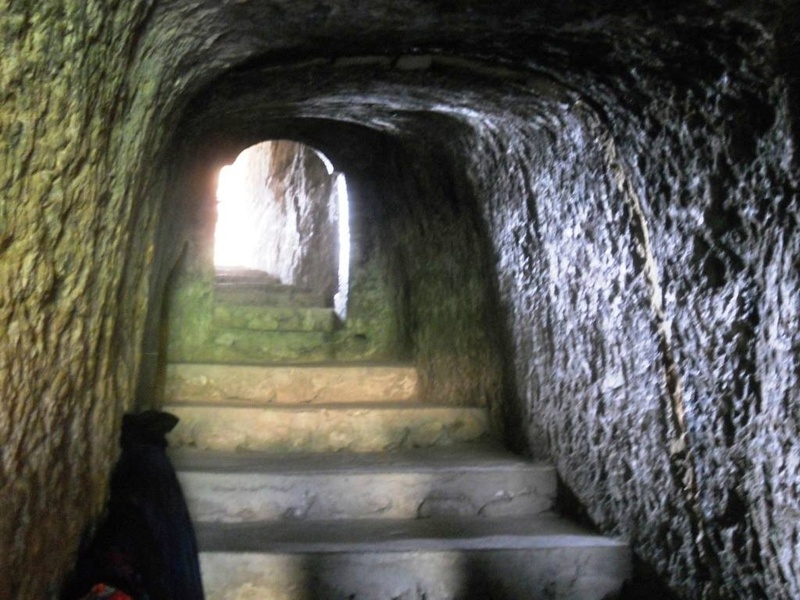
Orheiul Vechi
Large archaeological and cultural complex in a limestone canyon. Contains cave monasteries, medieval remains, and a historic Moldovan settlement. Shows long human occupation and religious life.
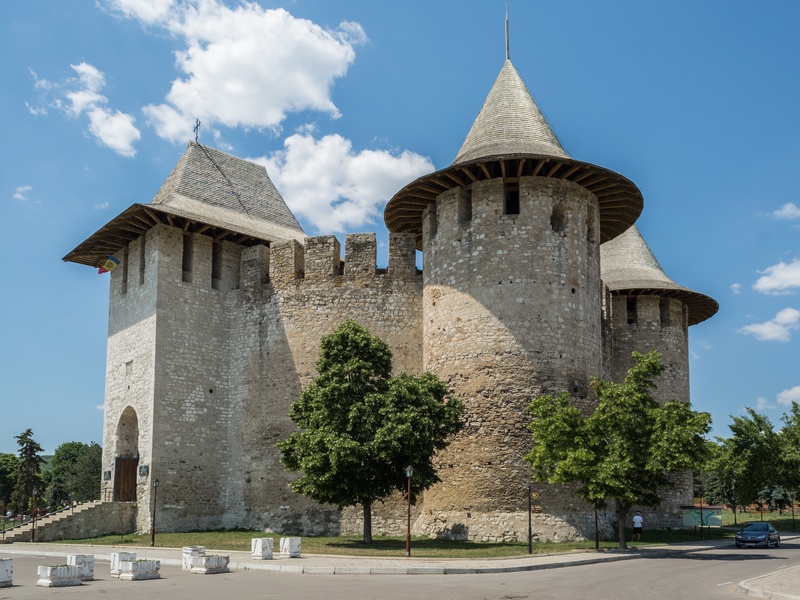
Soroca Fortress
Stone fortress on the Dniester River built in the 15th–17th centuries. Served as a military stronghold and trade control point. Iconic example of medieval Moldovan defense.
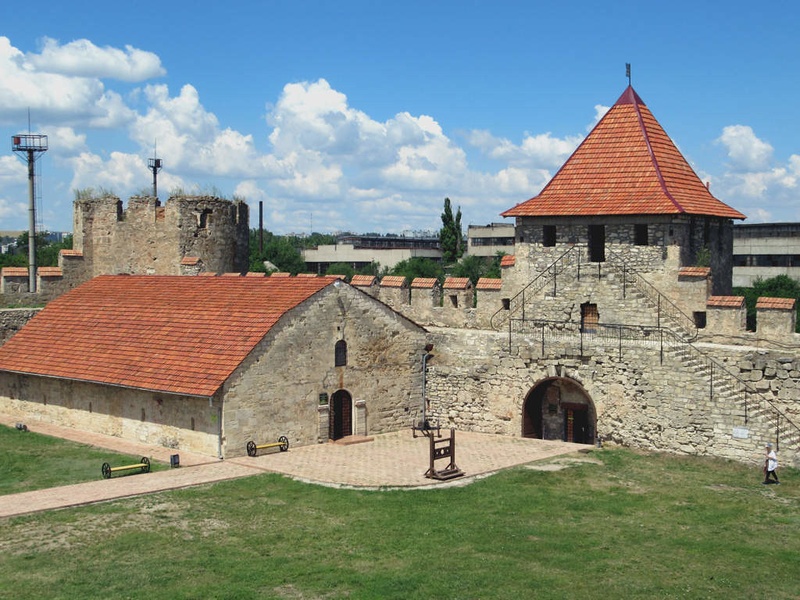
Tighina (Bender) Fortress
Fortress in Bender (Tighina) with Ottoman and Russian layers. Controls a strategic river crossing. Reflects Moldova’s border conflicts and empire-era architecture.
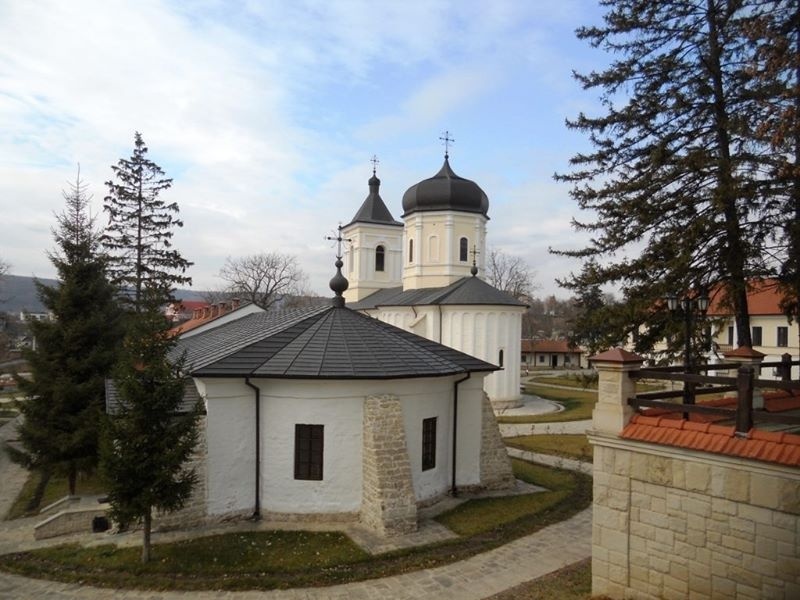
Căpriana Monastery
One of Moldova’s oldest Orthodox monasteries, founded in the 15th century. Features restored churches and monastic buildings. Important spiritual and cultural center.
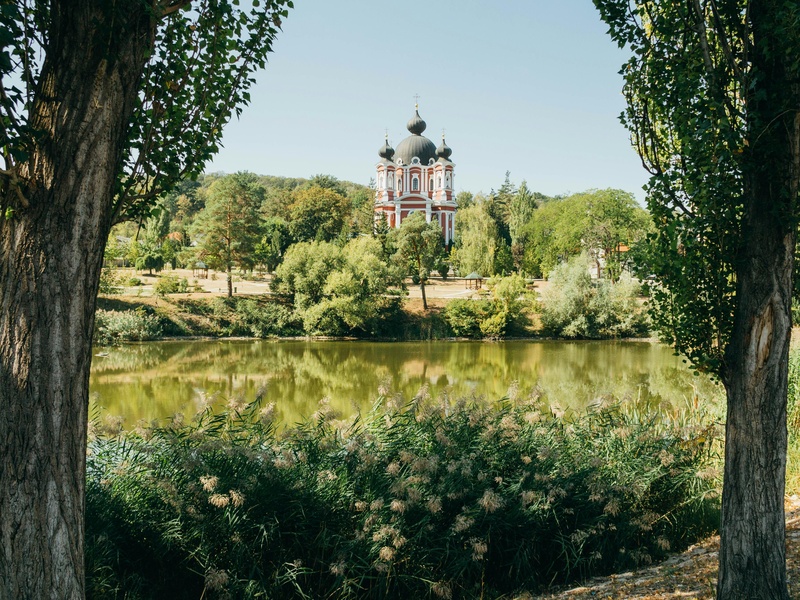
Curchi Monastery
Large 19th-century Orthodox monastery with baroque and neoclassical elements. Known for ornate churches and active monastic life. Popular pilgrimage and heritage site.
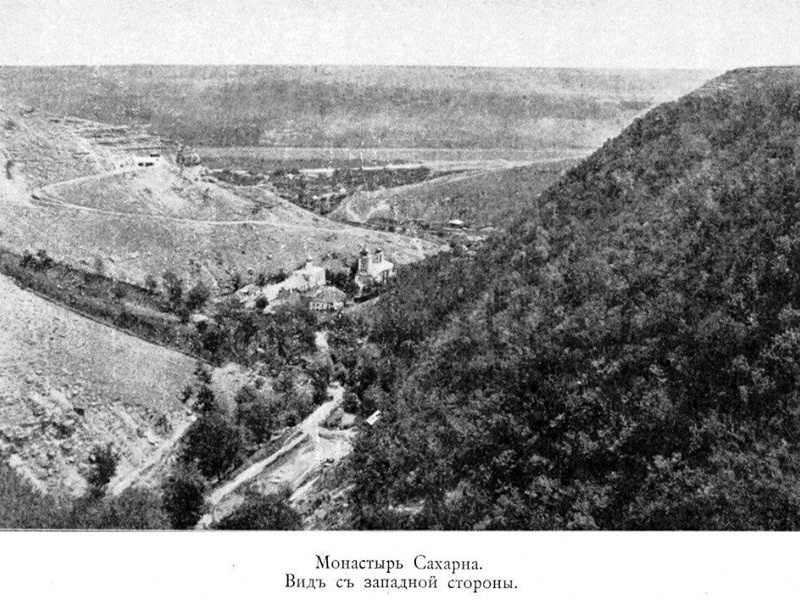
Saharna Monastery
Monastic complex set in rugged hills and waterfalls. Combines natural scenery with rock-hewn cells and churches. Offers religious significance and scenic trails.
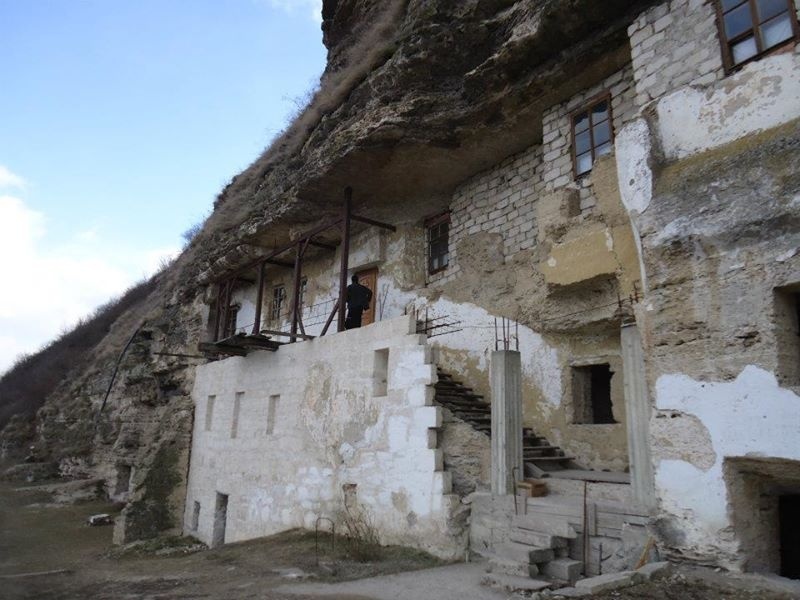
Țipova Monastery
Cliffside monastery carved into a limestone cliff over the Dniester. Dates from medieval times. Stands out for dramatic location and ancient fresco traces.

Struve Geodetic Arc – Rudi point
Survey point in Rudi that is part of the Struve Geodetic Arc. Marks scientific achievement in geodesy from the 19th century. UNESCO-listed segment in Moldova.
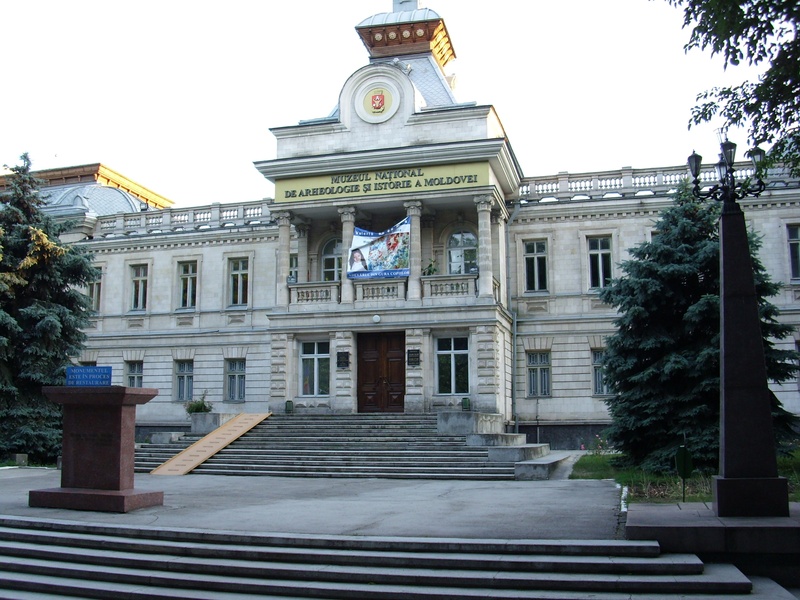
National Museum of History of Moldova
Main museum for Moldova’s history from prehistoric times to modern era. Holds artifacts, maps, and documents. Key resource for researchers and visitors.
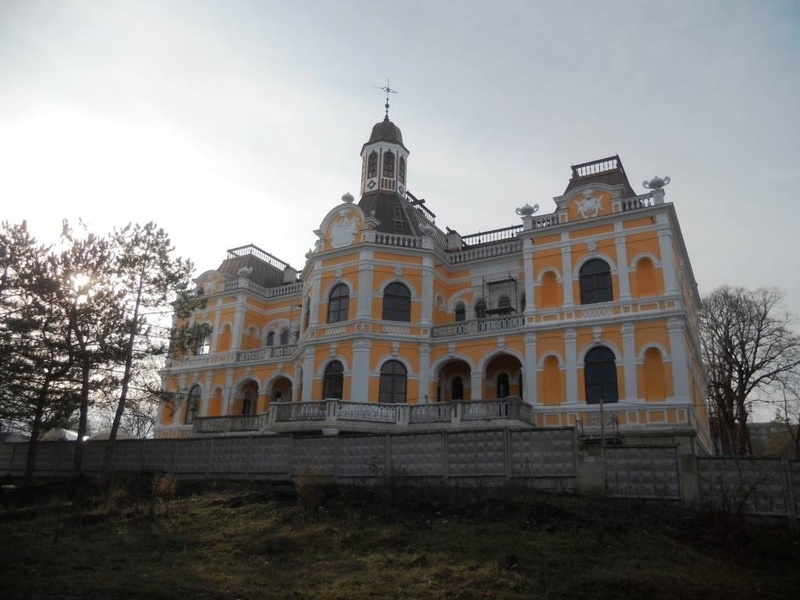
Manuc Bei Mansion
Ottoman-era mansion and trade house in Chișinău. Associated with diplomat and merchant Manuc Bei. Preserves 19th-century urban architecture and history.
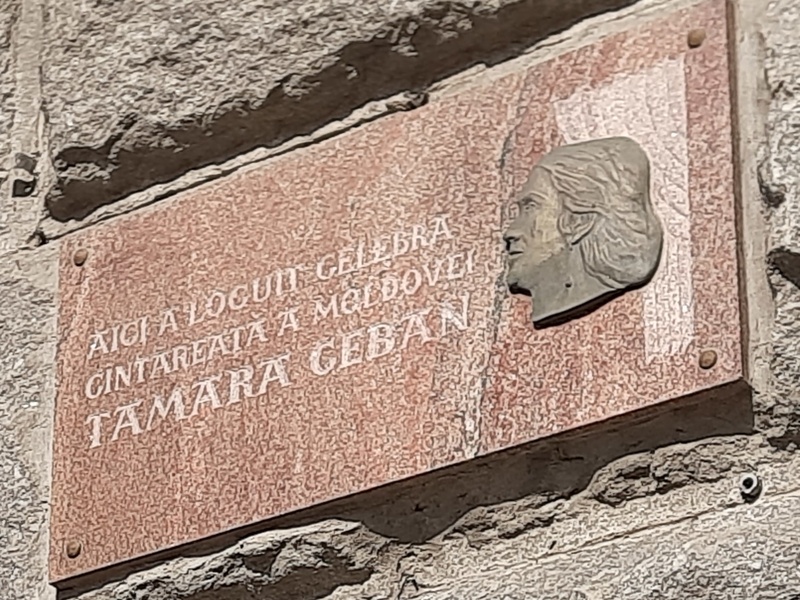
Ștefan cel Mare Monument
Central Chișinău statue honoring Stephen the Great, 15th-century Moldavian ruler. Symbol of national identity and resistance. Prominent city landmark.
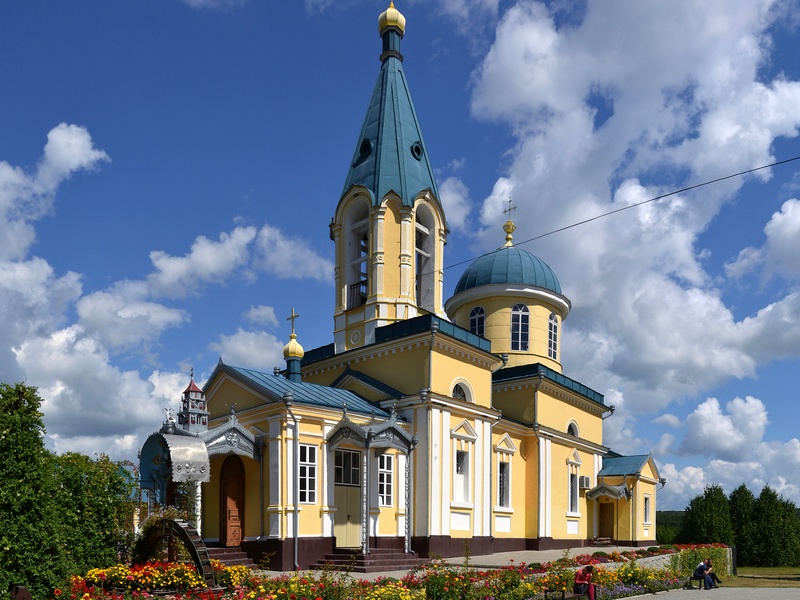
Hâncu Monastery
18th-century monastery on a calm hill near Nisporeni. Contains historic churches and monastic buildings. Important local religious site.
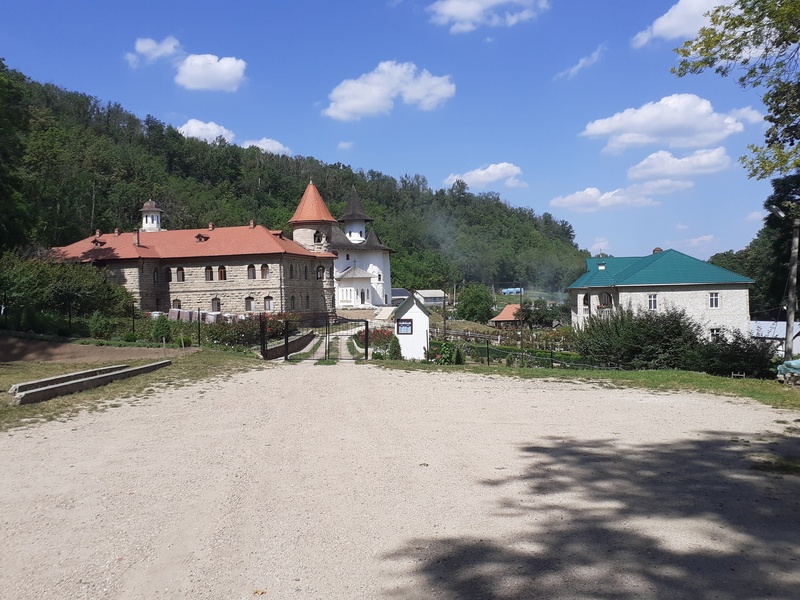
Rudi Monastery
Small monastery near the Rudi Struve point. Mixes natural setting and religious history. Includes historic church and hermit cells.
Old Chișinău Water Tower
Historic red-brick tower from the late 19th century. Once part of the city’s water supply. Now a cultural landmark and viewpoint.
Alexander Pushkin Museum Complex
Estate and museum marking Pushkin’s exile stay in Moldova. Displays manuscripts and period furniture. Connects Moldova to Russian literary history.
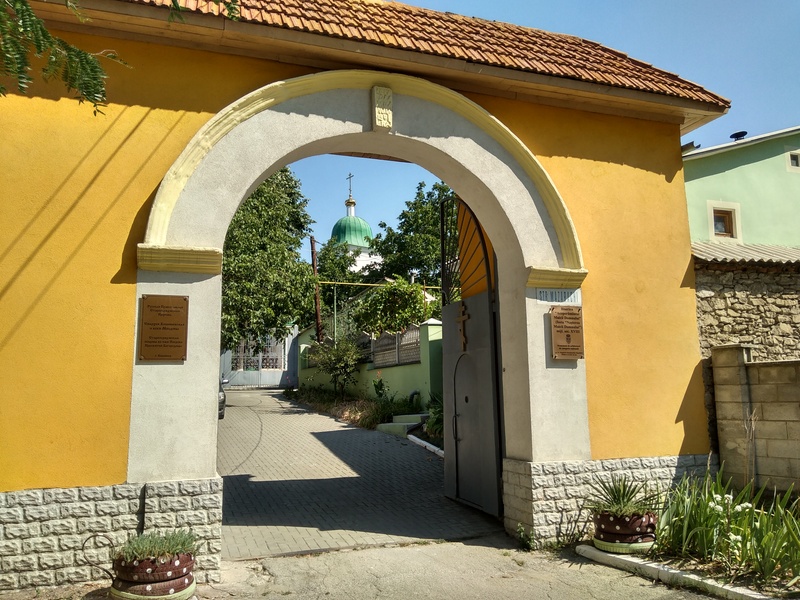
Măzărache Church
One of the oldest churches in Chișinău, built in the 15th–16th century style. Simple stone architecture with historic value. Important early urban religious site.
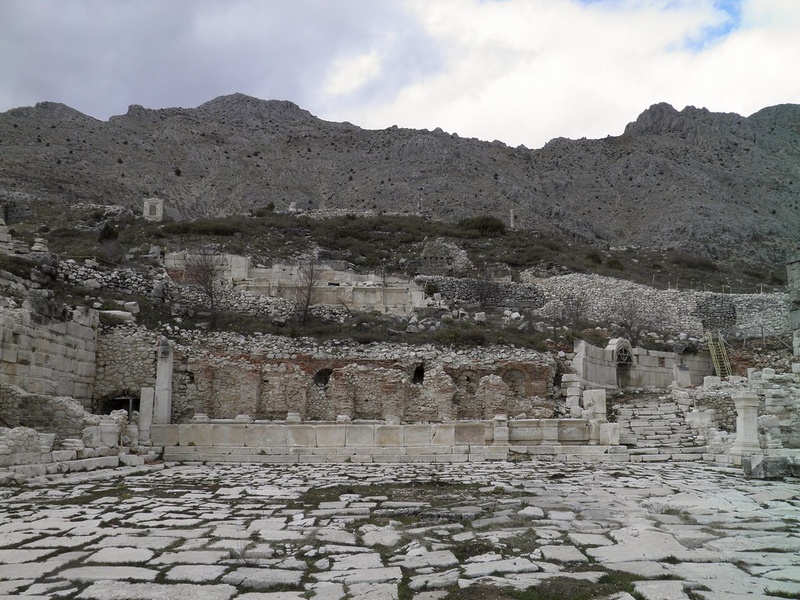
Lower Trajan’s Wall
Ancient earthwork system running through southern Moldova. Attributed to Roman-era frontier defenses and later use. Shows long-term strategic landscape features.
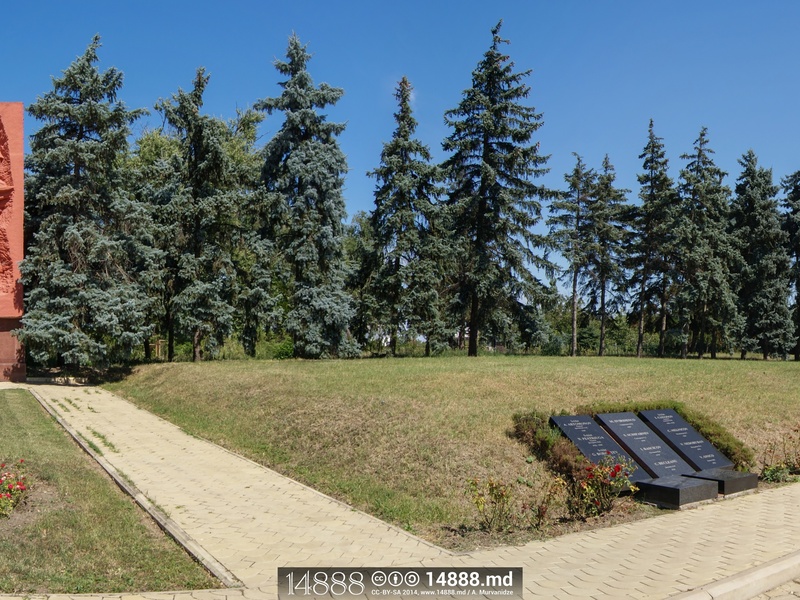
Eternity Memorial Complex
Soviet-era memorial honoring World War II soldiers in Chișinău. Features eternal flame and monumental sculpture. Central site for remembrance ceremonies.
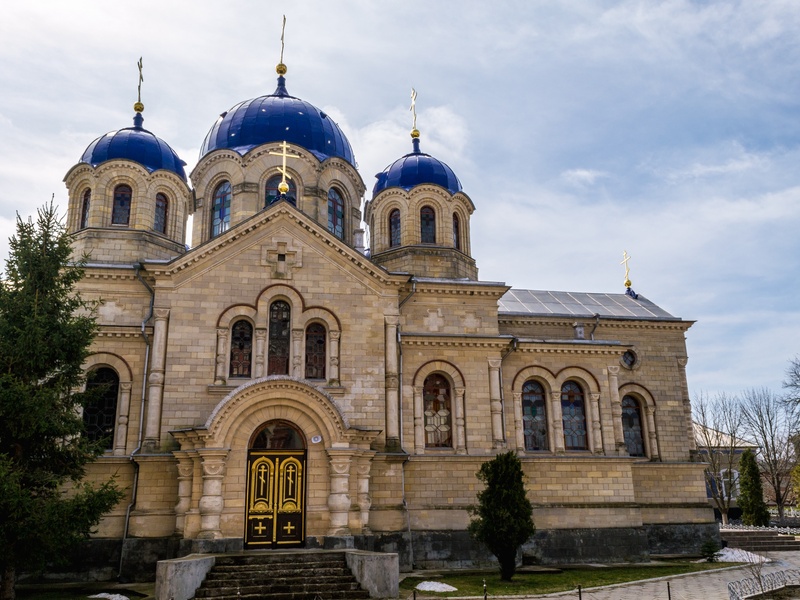
Noul Neamț Monastery
Monastery founded by Moldovan monks in exile in the 19th century. Located in Chițcani area with Orthodox churches and cemetery. Historic spiritual refuge.
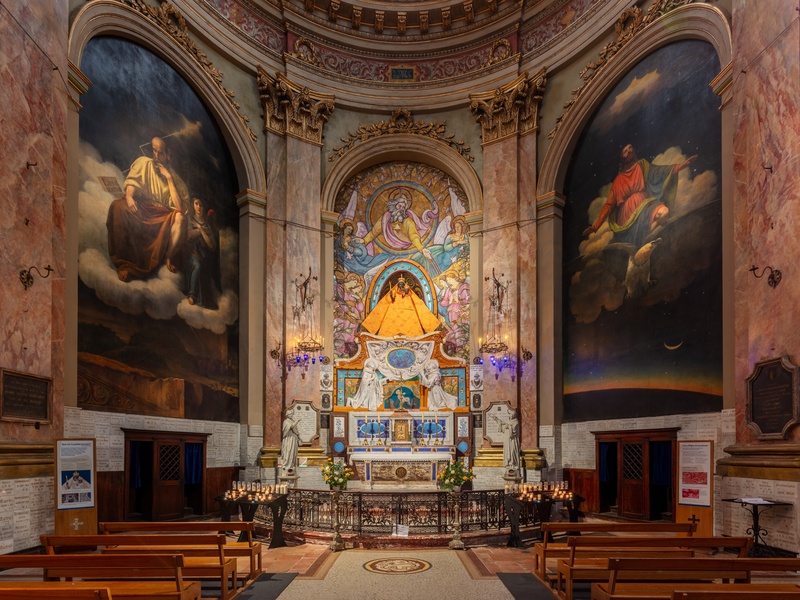
Candle of Gratitude
Tall modern monument in Chișinău dedicated to victims of totalitarian regimes. Symbolic flame-shaped column. Serves as contemporary memory site.
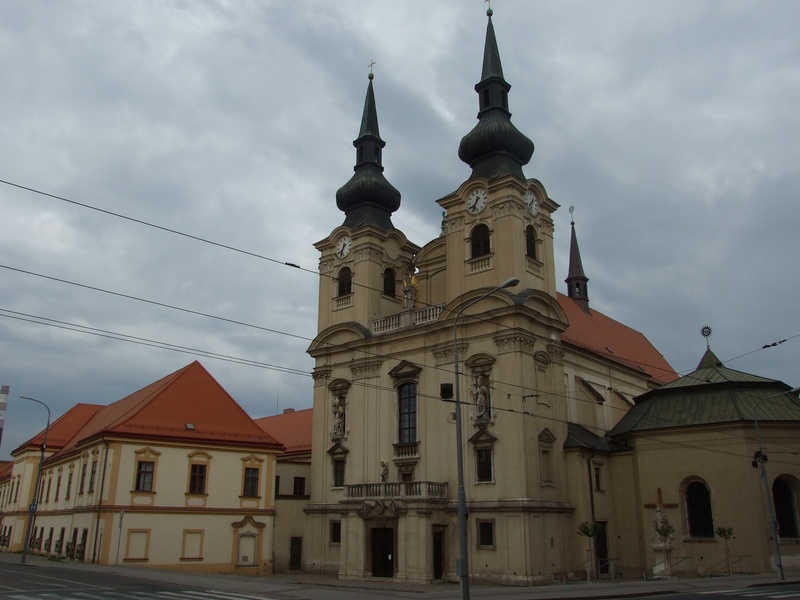
Assumption of the Virgin Mary Church
Historic Orthodox church with traditional Moldovan plan and frescoes. Serves local parish and heritage interest. Represents regional religious architecture.
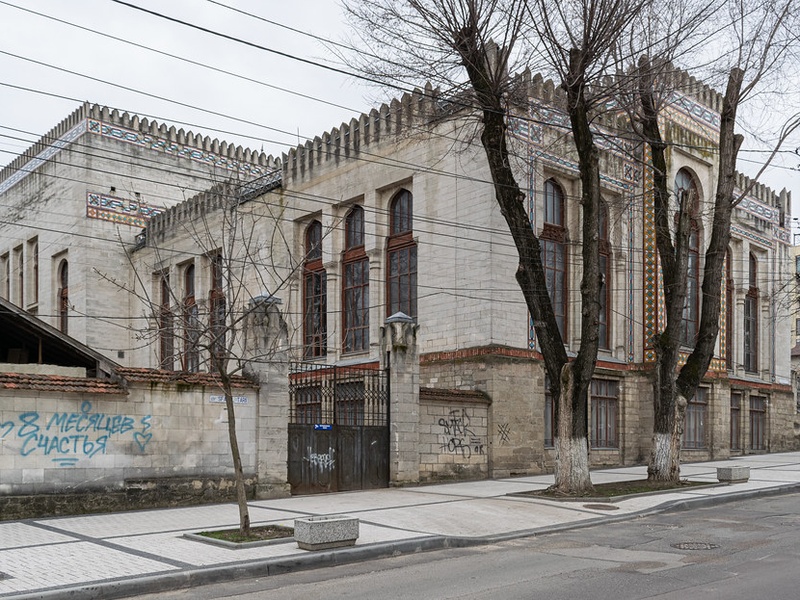
National Museum of Ethnography and Natural History
Museum combining cultural artifacts and natural history exhibits. Shows Moldovan rural life, crafts, fauna, and geology. Useful for cultural context.
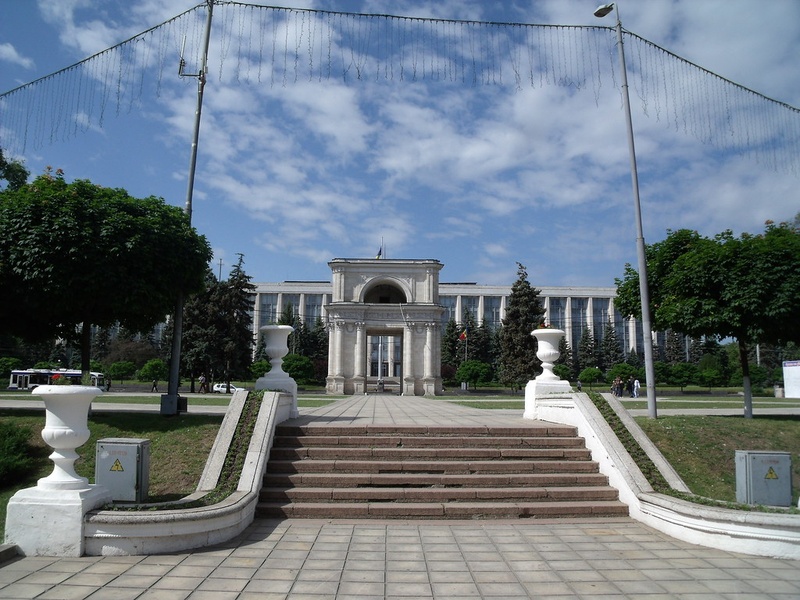
Arch of Triumph, Chișinău
Neoclassical triumphal arch built in the 19th century. Marks central square and historic boulevard. Serves as a city symbol and viewpoint.
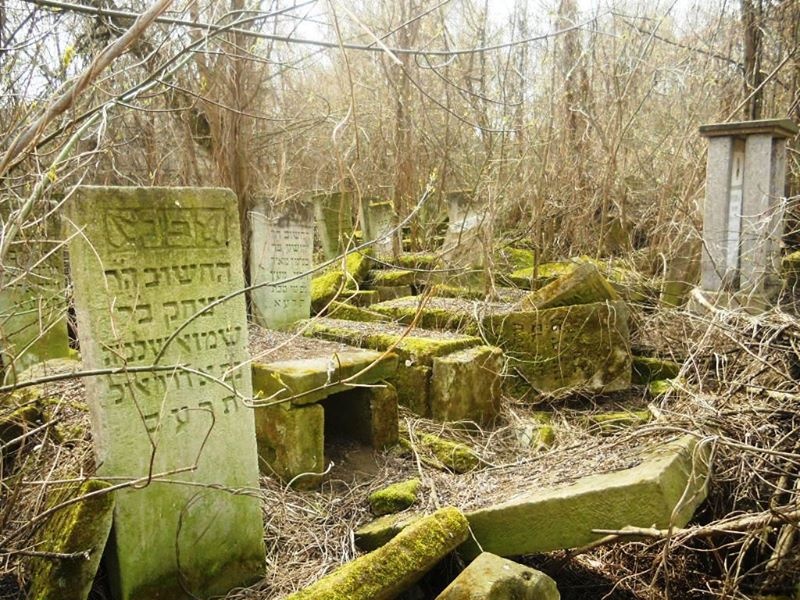
Jewish Cemetery of Chișinău
Historic Jewish burial ground with 19th- and 20th-century gravestones. Reflects once-large Jewish community and its heritage. Important for social history research.
Vărzărești Monastery
18th-century monastery complex near Nisporeni. Features fortified walls and old churches. Noted for frescoes and rural monastic traditions.
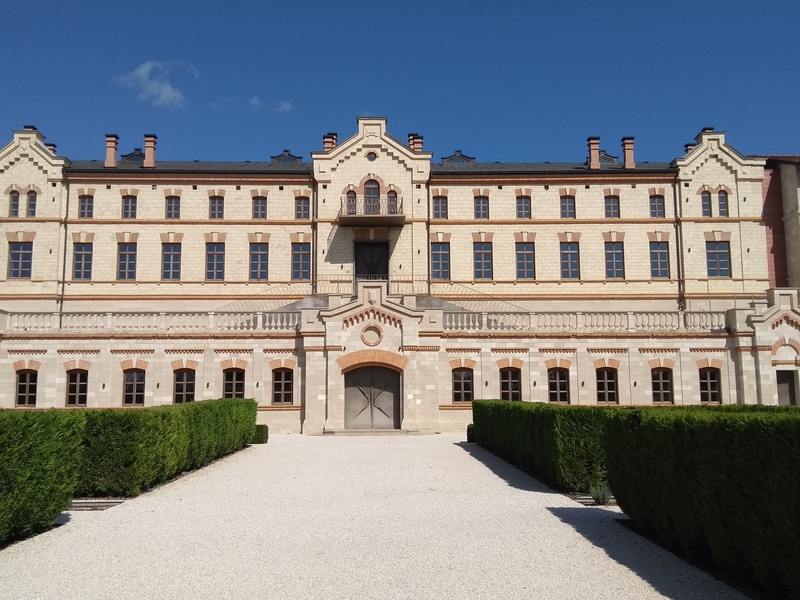
Castel Mimi
19th–20th-century winery estate with a chateau near Bulboaca. Restored wine tourism site with neoclassical architecture. Combines viticulture and heritage.
Dolna Estate (Ralli Mansion)
Historic manor linked to the Ralli family. Example of 19th-century noble estate architecture. Reflects landed-gentry life and regional history.
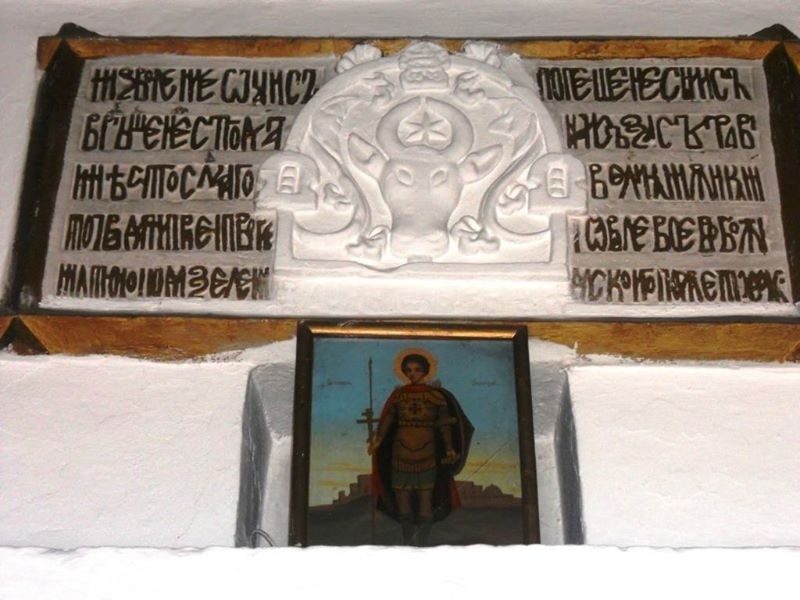
St. Dumitru Church, Orhei
Historic church in Orhei town with traditional Orthodox design. Serves as local spiritual center. Part of Orhei’s layered religious heritage.
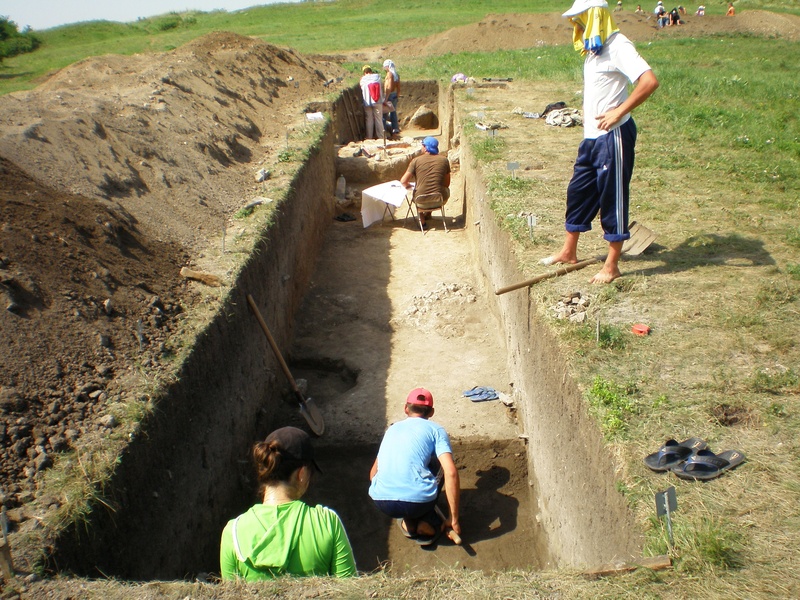
Saharna Mare Archaeological Site
Prehistoric and medieval site near Saharna with artifacts and settlement traces. Provides evidence of long-term habitation. Important for archaeology in Moldova.
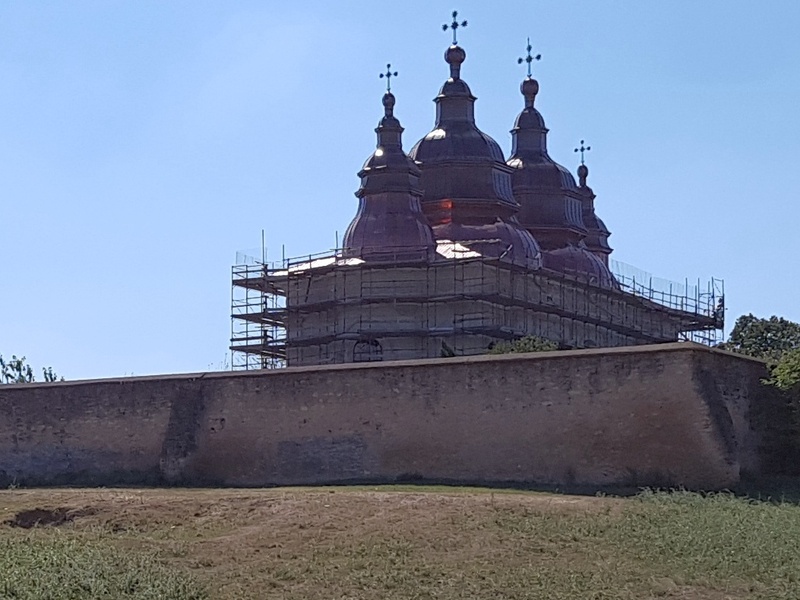
Frumoasa Monastery
Small monastery known for serene setting and historic church. Combines local religious practice with modest heritage value. Serves pilgrims and visitors.
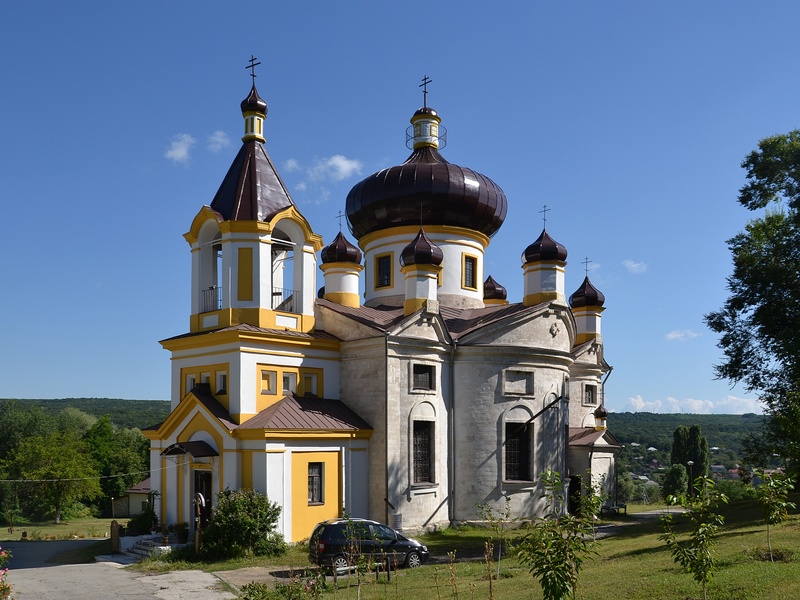
Condrița Monastery
Monastery located in a forested area near Chișinău. Historic churches and monastic buildings date to several periods. Popular for quiet retreats.
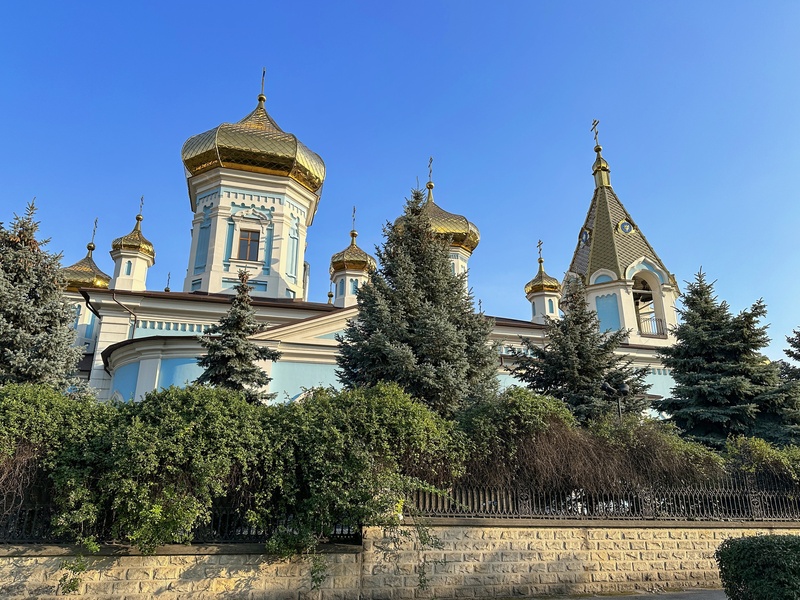
Ciuflea Monastery
Orthodox monastery in central Chișinău with prominent dome and bell tower. Historic religious center and urban landmark. Hosts regular liturgies.
House-Museum of Alexei Mateevici
Museum in Chișinău dedicated to poet Alexei Mateevici. Displays manuscripts, personal items, and historic documents. Highlights cultural importance in national literature.
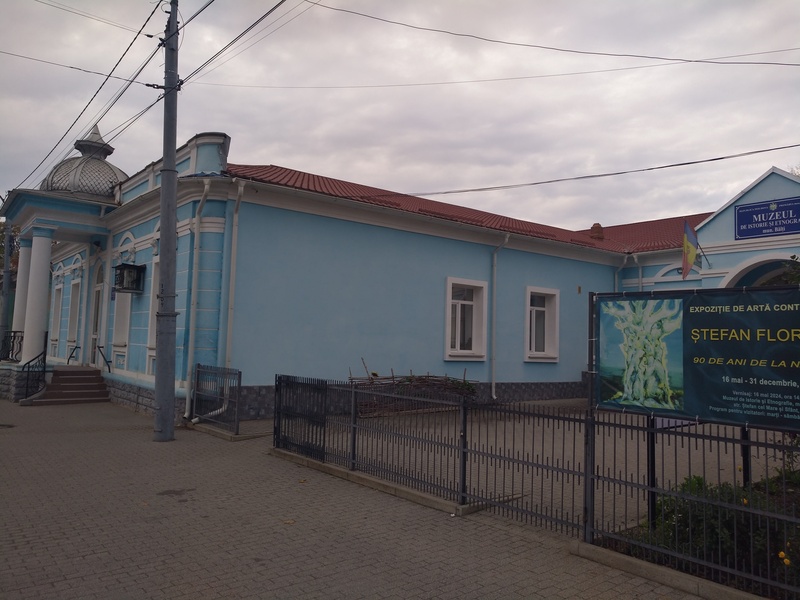
Bălți History and Ethnography Museum
Regional museum covering Bălți area’s history, crafts, and traditions. Exhibits local artifacts and folk costumes. Useful for regional travel planning.
Soroca Roma Hill
Historic hill in Soroca with monuments to Roma culture and local legends. Offers views of the town and river. Reflects ethnic diversity and local memory.
Năpădeni Archaeological Site
Archaeological site with Eneolithic and medieval layers. Yields pottery, tools, and settlement traces. Adds prehistoric depth to Moldova’s history.
House of the National Assembly (Sfatul Țării)
Historic building in Chișinău where the 1917–1918 assembly met. Central to Moldova’s modern political history. Preserved as civic heritage.
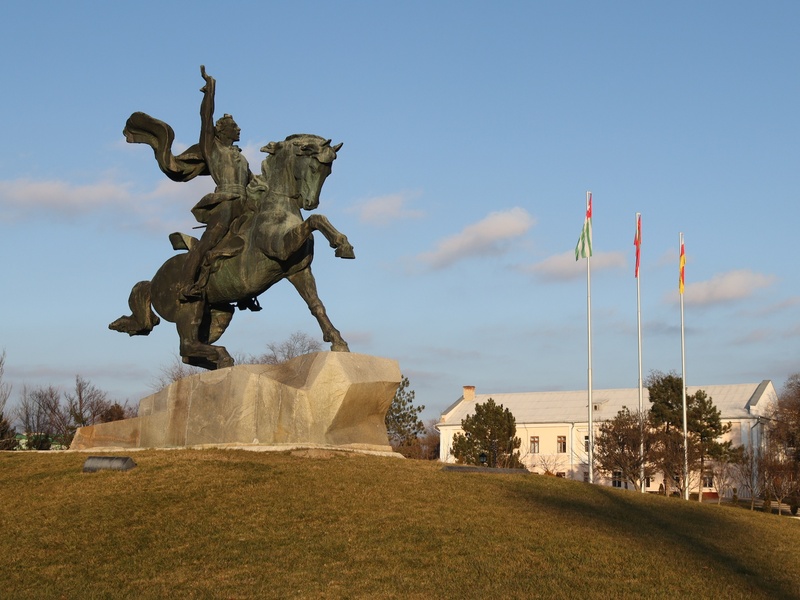
Tiraspol Suvorov Monument
Monument to General Suvorov in Tiraspol. Symbolic military memorial in Transnistria. Reflects Russian imperial military history in the region.
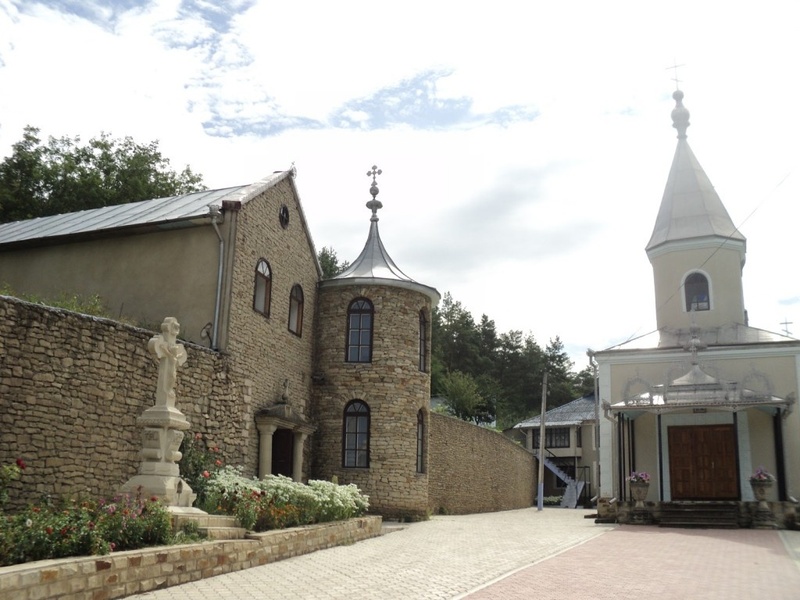
Cosăuți Monastery
Small riverside monastery with historic churches and hermit caves. Combines natural beauty and religious heritage. Serves local pilgrims.
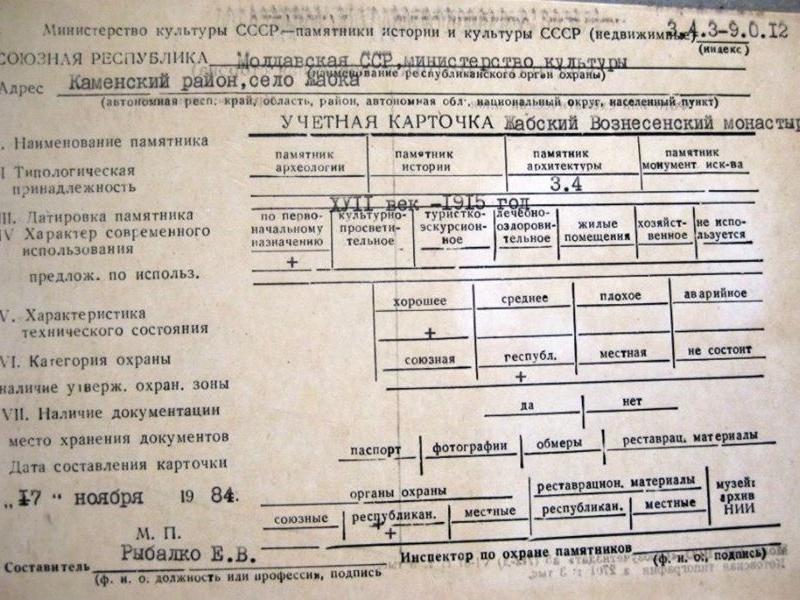
Japca Monastery
Monastery on the Dniester with old churches and scenic setting. Contains frescoes and historic inscriptions. Part of the region’s monastic network.
Stolniceni-Trinca Landscape Reserve
Protected natural and cultural landscape with forests and river valleys. Includes archaeological and historic features. Important for heritage and nature tourism.
Zemstve Museum Building
19th-century administrative building showcasing local governance history. Now a museum or cultural site in some towns. Represents provincial civic architecture.
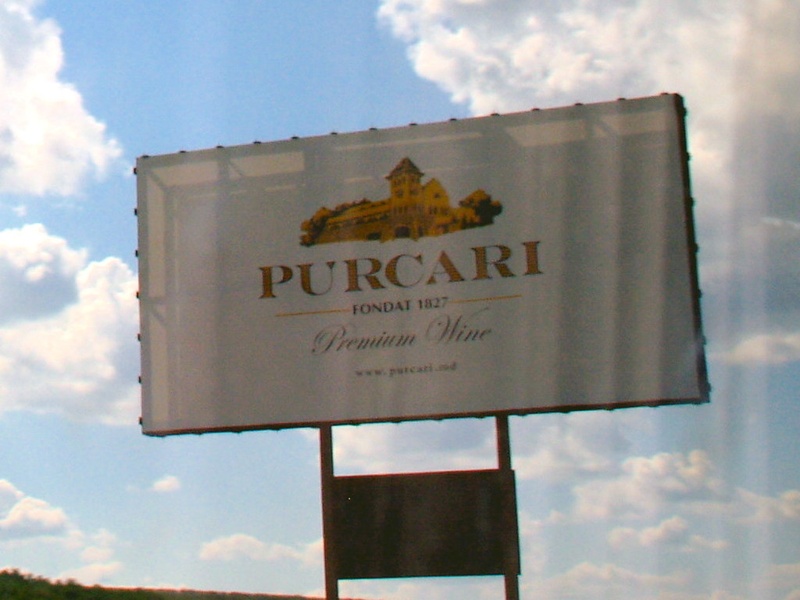
Purcari Winery
Historic winery in the south of Moldova with famous wines. Operates in a classic wine chateau. Important for viticulture heritage and wine tourism.
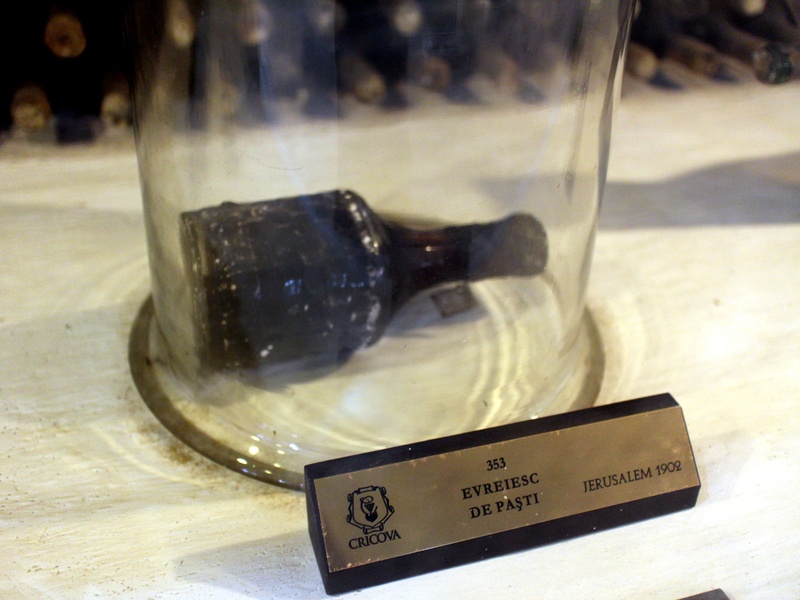
Cricova Cellars
Extensive underground wine cellars near Chișinău. Store millions of bottles and host guided tastings. Major attraction for wine and industrial heritage.
Upper Trajan’s Wall
Ancient defensive earthwork system in northern Moldova. Attributed to Roman-era frontier works and later fortifications. Shows historical border strategies.
Mașcăuți Archaeological Site
Site with medieval and earlier finds near Mașcăuți. Reveals settlement patterns and material culture. Valuable for local historical research.
Jewish Cemetery of Soroca
Historic Jewish burial site in Soroca with older gravestones. Reflects the town’s Jewish community history. Important for cultural memory studies.
Ceadîr-Lunga History and Ethnography Museum
Regional museum in Gagauzia documenting local history and culture. Exhibits Gagauz crafts, costumes, and historical artifacts. Useful for understanding minority heritage.
Comrat History and Ethnography Museum
Main museum of the Comrat area showcasing Gagauz history and traditions. Holds ethnographic collections and local records. Key regional cultural resource.
Butești Gorges (La Șanț)
Dramatic river gorges with cliffs, caves, and traces of past settlements. Offer scenic walks and archaeological interest. Combine nature and history.
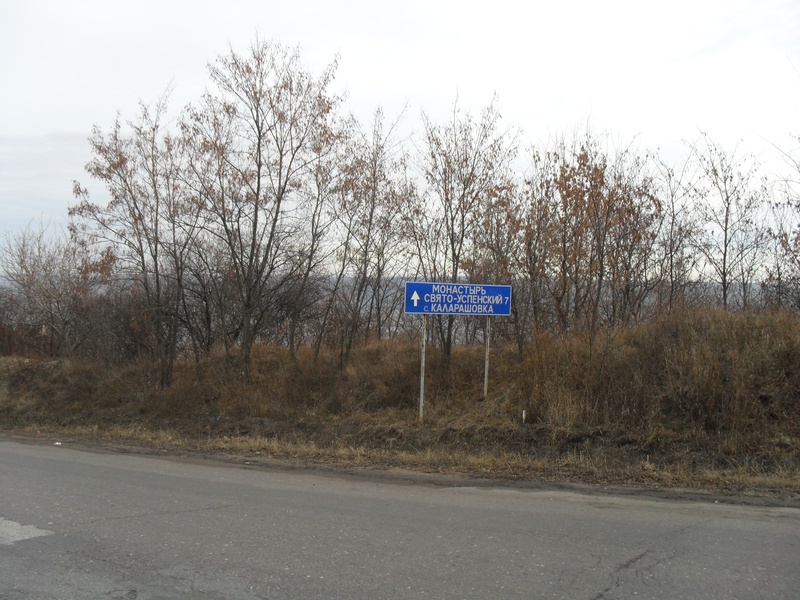
Călărășeuca Monastery
Monastery complex on the Dniester with historic churches and cemetery. Known for peaceful riverside location and old icons. Part of regional monastic tradition.
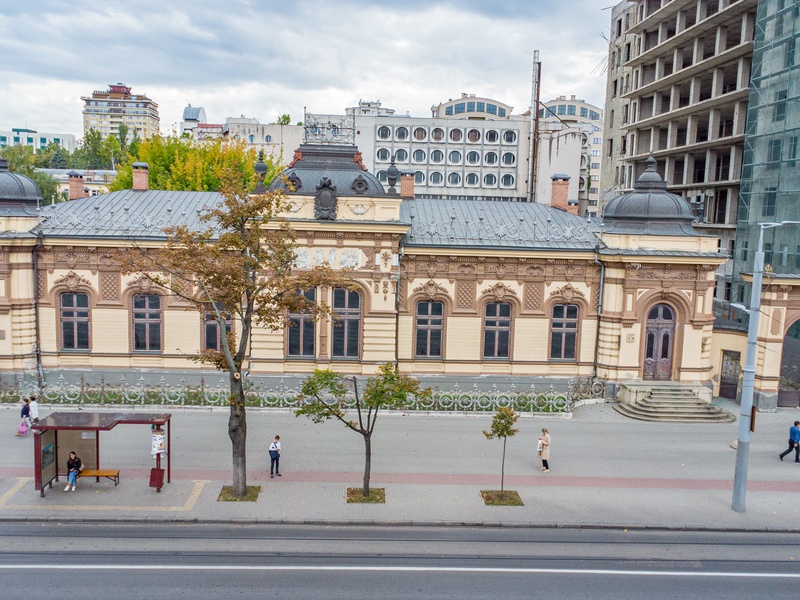
Vila urbană a lui V. Herța
Urban villa of V. Herța illustrating interwar residential architecture. Preserves period interior and facade details. Example of Chișinău’s bourgeois heritage.
Casa-Muzeu Alexandr Donici
House-museum dedicated to satirist Alexandr Donici. Displays manuscripts, portraits, and personal items. Highlights literary heritage and 19th-century culture.
Wooden Church from Hirișeni
Historic wooden church moved to an open-air museum. Represents traditional rural carpentry and religious architecture. Rare surviving example of timber church building.
Varnița Historical Complex
Site near the Dniester with layered fortifications and settlement ruins. Marks strategic crossing points and trade routes. Adds military and economic history context.
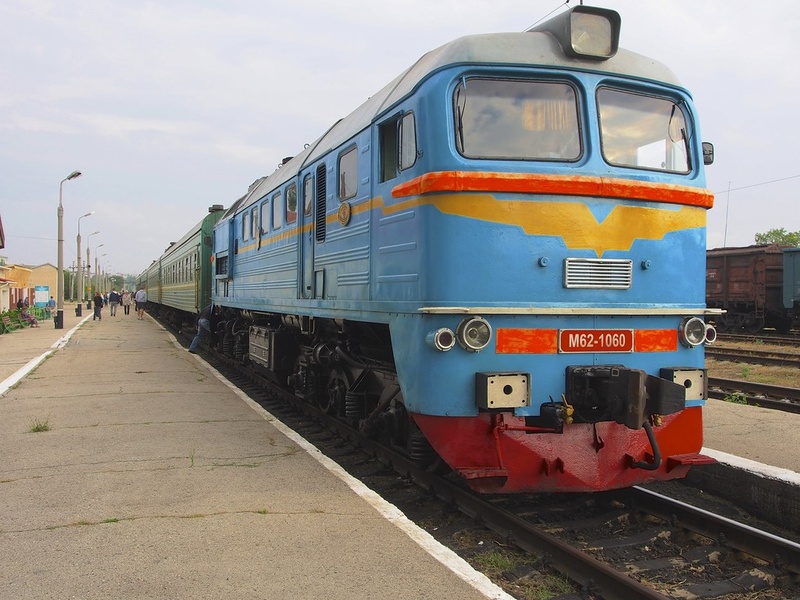
Bender Railway Station
Historic railway station in Bender reflecting 19th–20th-century transport heritage. Played role in regional trade and movements. Important for industrial history.
Butuceni Eco-Resort
Traditional village eco-resort in the Orheiul Vechi area. Preserves local crafts and rural architecture. Serves cultural tourism and heritage experiences.
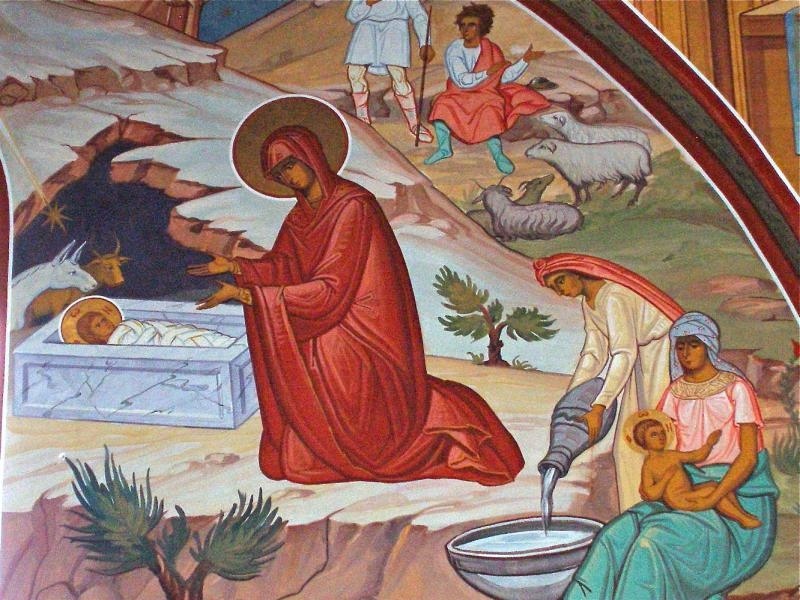
Cathedral of Christ’s Nativity
Major Orthodox cathedral in Chișinău with grand architecture. Hosts major religious ceremonies and cultural events. Central to modern church life in the capital.
House-Museum of Constantin Stamati
Museum honoring writer Constantin Stamati with personal artifacts and exhibits. Shows 19th-century literary and civic life. Useful for cultural historians.
Alexander Nevsky Church, Ungheni
Orthodox church in Ungheni with historic architecture and local importance. Features classic domes and community role. Part of regional religious heritage.
Valea Adîncă Gorges and Caves
Limestone gorges and cave systems with archaeological finds and scenic trails. Offer walking routes and prehistoric evidence. Combine natural and historical interest.
House-Museum of Igor Vieru
Museum dedicated to painter Igor Vieru with works and studio displays. Highlights 20th-century Moldovan art and cultural identity.
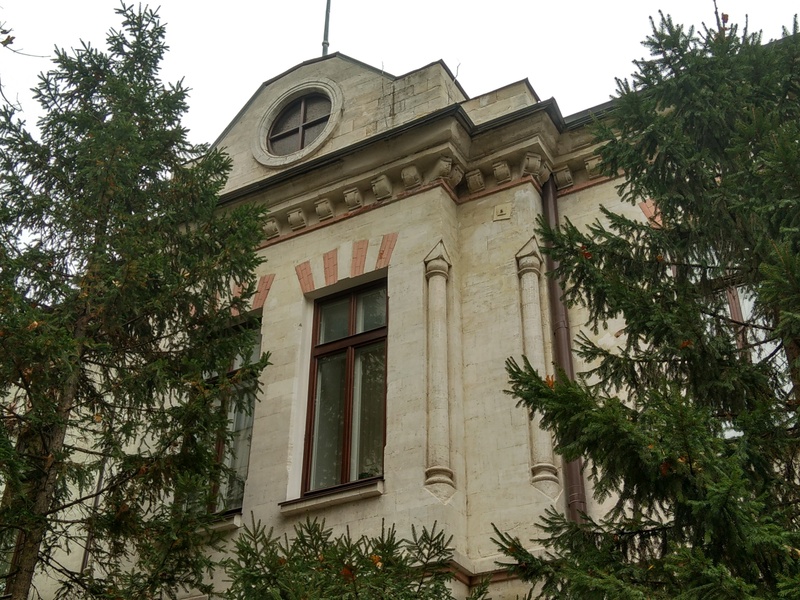
Hîrbovăț Monastery
Rural monastery with historic churches and monastic buildings. Known for icons and centuries-old traditions. Serves local religious life and heritage.
Aluniș Grotto Monastery
Monastery set in a cave system with chapels and hermit cells. Blends natural grotto features and religious practice. Noted for unusual setting.
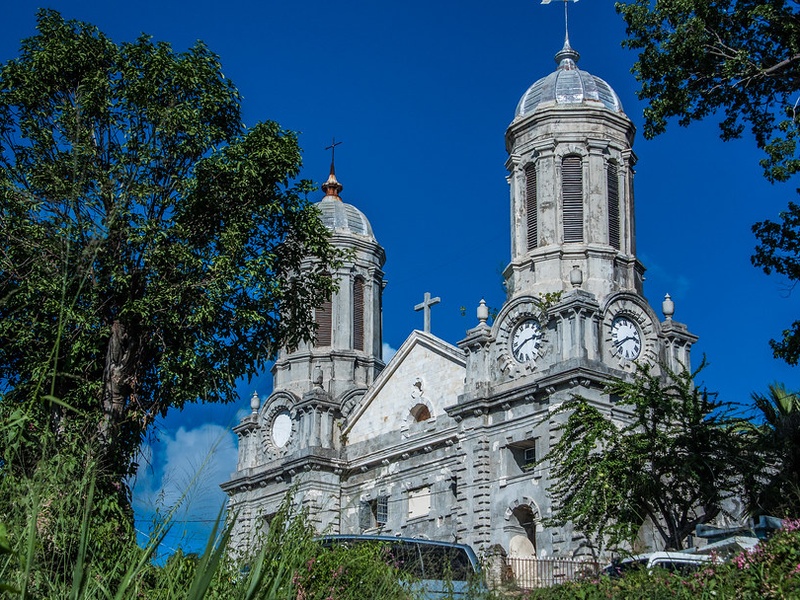
Catholic Church of Divine Providence
Historic Catholic church in Chișinău with baroque elements. Serves the Catholic community and preserves architectural history. Marks religious diversity in the capital.
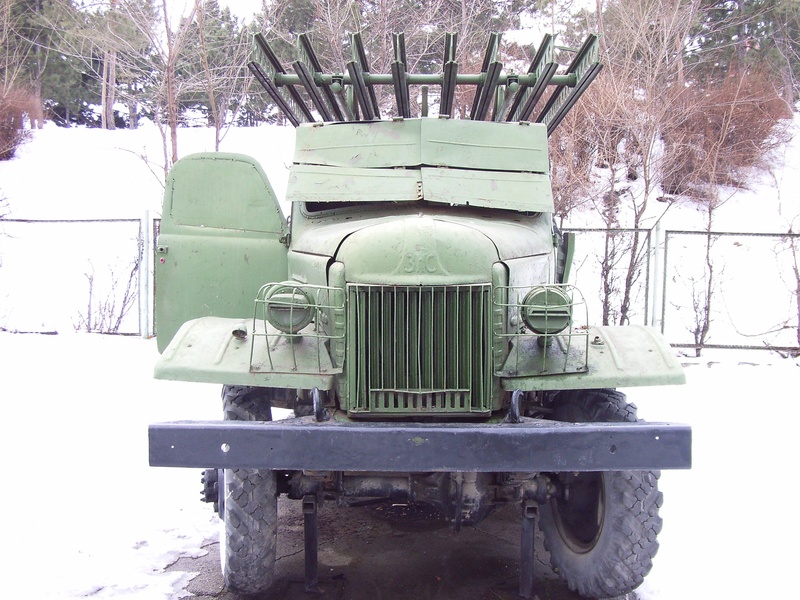
Military Museum, Chișinău
Museum dedicated to military history with uniforms, weapons, and documents. Covers regional conflicts and armed forces. Useful for military and social history research.
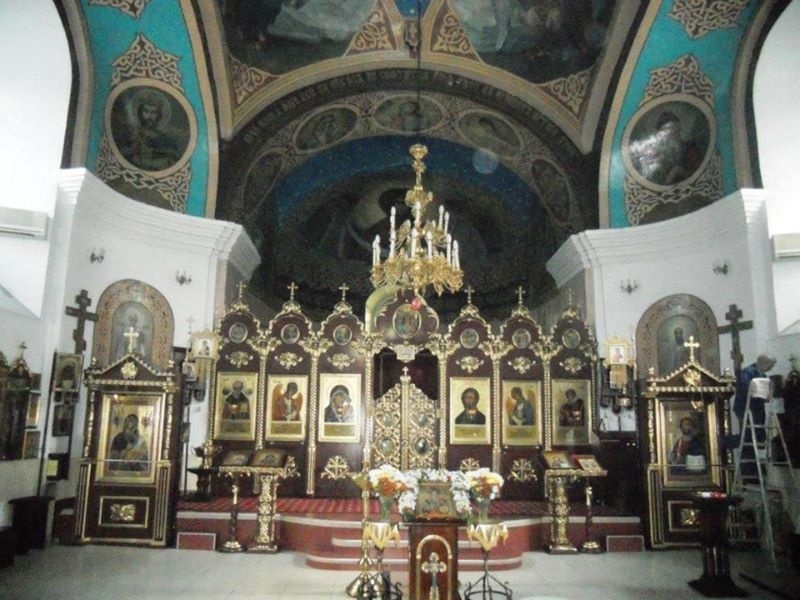
St. George Church, Chișinău
Church with historical ties to the city and Orthodox tradition. Contains notable icons and architecture. Important parish and heritage site.
Hansca Geto-Dacian Fortress
Prehistoric hillfort attributed to Geto-Dacian cultures. Shows ancient defensive architecture and settlement traces. Adds early historical depth to Moldova.
Ferapontovca Monastery
Rural monastery with local historical churches and monastic grounds. Reflects regional Orthodox traditions and centuries of worship.
Bender Memorial of Military Glory
Memorial complex commemorating military actions near Bender. Includes monuments and plaques. Represents 20th-century war memory in the region.