No dialects meet the exact criteria for this list.
Understand that the word “dialect” is vague in Timor-Leste. Many speech varieties are named and treated as separate languages by linguists and census data. Ask for a full, sourced list of “dialects” and you get no single authoritative set to meet the requested scope. The sources used by researchers (Ethnologue, SIL, academic studies, census reports) list languages and varieties, not a neat roster of dialects that fits the editor’s 20–30 item format.
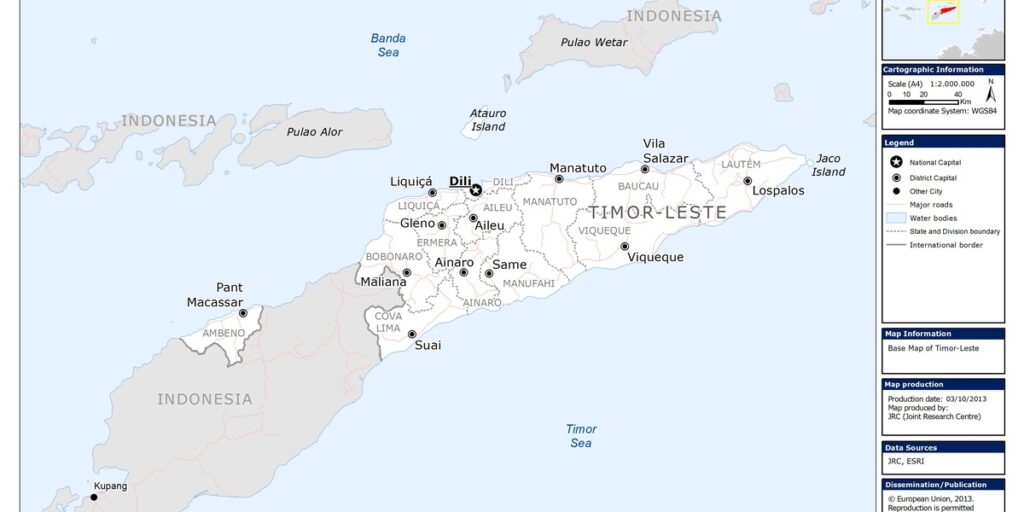
Recognize the technical reasons behind this gap. Linguists classify many Timorese speech forms as distinct languages because they are not mutually intelligible. National history also shapes labels: colonial records, Indonesian administration, and post‑independence language policy focus on languages like Tetum, Portuguese, and Indonesian rather than local dialect divisions. Tetum itself has clear variants (for example Tetum Prasa in Dili and Tetum Terik in rural areas), but most local speech forms—Mambai, Tokodede, Kemak, Bunak, Makasae, Fataluku, Galoli, Makalero, Bekais and others—are treated as individual languages. Small-town speech differences and cross‑border continuums with West Timor exist, but they are rarely consolidated into a single, citable “dialects of Timor‑Leste” list.
Turn to close alternatives that do exist and will answer the same need. Compile “Languages of Timor‑Leste” with clear classification, region, and speaker notes. Or focus on “Dialects of Tetum” for a tight, well‑documented set (Tetum Prasa vs Tetum Terik and urban vs rural varieties). Use reliable sources like Ethnologue, SIL studies, academic papers, and the Timorese census. Explore regional language maps, language family groupings (Austronesian vs Papuan), or a list of recognized local languages as the next step.