Slovakia’s linguistic map reflects its mountains, plains and centuries of contact with neighbors: local speech varies noticeably from one valley or town to the next. Differences in pronunciation, vocabulary and some grammar still mark regional identity and local storytelling.
There are exactly 28 Dialects in Slovakia, ranging from Abov (including Košice) to Šariš. For each entry you’ll find below the Primary region, Dialect group, Key features to help you compare pronunciation, common words and distinctive grammar — you’ll find below.
How different are these dialects from standard Slovak?
Most dialects remain mutually intelligible with standard Slovak but show clear differences in sounds, verb forms and everyday vocabulary; some rural varieties preserve older forms or borrowings from Polish, Hungarian or Ukrainian, so understanding improves with exposure.
Can I tell where someone is from just by their dialect?
Often yes for strong regional markers (certain vowel shifts or typical words), but mobility, media and city speech blur those clues; combining accent, vocabulary and phrasing gives the best hint of a speaker’s origin.
Dialects in Slovakia
| Name | Primary region | Dialect group | Key features |
|---|---|---|---|
| Western Slovak | Western Slovakia (Bratislava, Trnava, Nitra regions) | Western | Short vowels, vowel reduction, palatalized consonants |
| Záhorie | Northwestern Slovakia (Záhorie region, near Czech border) | Western | Chestnut diphthongs, akanye-like vowel shifts |
| Bratislava dialect | Capital region (Bratislava city and surroundings) | Western | Urbanisms, vowel reduction, German loanwords |
| Podunajské (Danubian) dialect | Southern lowlands along the Danube (Žitný Ostrov, Komárno, Dunajská Streda outskirts) | Western | Southern vowel qualities, Hungarian loanwords |
| Trnava dialect | Trnava and western Nitra region | Western | Palatalization tendencies, short vowels |
| Nitra dialect | Nitra region and parts of western central Slovakia | Western | Vowel reduction, specific diminutives |
| Považie (Váh valley) | Váh river valley (Trenčín, Považská Bystrica) | Western | Consonant cluster alterations, melodic accent |
| Trenčín dialect | Trenčín region and surroundings | Western | Raising of vowels, alveolar shifts |
| Kysuce | Northern Slovakia (Kysuce region) | Western/Central borderline | Consonant palatalization, archaic lexicon |
| Orava | North Slovakia (Orava region) | Central | Vowel length distinctions, Germanic loans |
| Liptov | Northern-central Slovakia (Liptov region) | Central | Vowel harmony tendencies, diphthongs |
| Turiec | Central Slovakia (Martin, Turiec valley) | Central | Palatal sibilants, specific stress patterns |
| Upper Nitra (Horná Nitra) | Upper Nitra and Handlová area | Central | Consonant assimilation, l-vocalization traces |
| Tekov | Southern central Slovakia (Tekov region, around Levice) | Central | Reduction of unstressed vowels, local lexicon |
| Hont | Southern Slovakia (Hont, near Hungarian border) | Central | Hungarian influences, lexical borrowings |
| Gemer | Southern/eastern central Slovakia (Gemer region) | Central | Retroflexes, unique diminutives |
| Zvolen/Pohronie | Central Slovakia (Zvolen, Hron valley) | Central | Vowel centralization, tonal patterns |
| Central Slovak (group) | Central Slovakia (broad mountainous interior) | Central | Mixed conservative and innovative traits |
| Šariš | Northeastern Slovakia (Šariš, around Prešov) | Eastern | Vowel lengthening, sibilant shifts |
| Spiš | Northeastern Slovakia (Spiš region) | Eastern | Diphthongization, palatal consonants |
| Zemplín | Far eastern Slovakia (Zemplín region) | Eastern | Lengthened vowels, archaic lexemes |
| Abov (including Košice) | Košice region and surroundings | Eastern | Vowel color changes, loanwords from Hungarian |
| Eastern Slovak (group) | Eastern Slovakia (Šariš, Spiš, Zemplín, Abov) | Eastern | Palatalization, vowel elongation, eastern lexicon |
| Goral (Slovak Gorals) | Northern border highlands (Orava, Kysuce, Spiš border areas) | Central/Eastern border | Highland intonation, archaic grammar |
| Podtatranské (sub-Tatra) | Foothills of High and Low Tatras (Liptov, Poprad outskirts) | Central/Eastern | Diphthongs, melodic stress |
| Gemeri-Horizont (local grouping) | Gemer and adjacent valleys | Central | Retroflex sibilants, archaic syntax |
| Novohrad | Southern Slovakia (Novohrad region near Hungary) | Central | Hungarian lexical influence, soft consonants |
| Západné vysokohorské nárečia (Western highland) | High Tatras foothills and western highlands | Central/Western | Conservative vowels, archaic forms |
Images and Descriptions

Western Slovak
Collective term for Slovak dialects in the west, largely mutually intelligible with standard Slovak. Features include vowel shortening and local vocabulary. Many urban varieties (Bratislava, Trnava) show strong influence on colloquial standard speech; example phrase: “Čo robíš?” (same meaning, different pronunciation).
Záhorie
Spoken along the Morava river-western border; retains archaic vowels and distinctive diphthongs. Highly intelligible to other Slovaks but with unique lexicon and prosody. Notable for conservative rural features and Czech contact influences.
Bratislava dialect
City dialect of Bratislava mixing Western Slovak traits and strong historical German/Hungarian borrowings. Widely understood nationally; influences colloquial standard Slovak. Example phrase: “Idem do roboty” with local pronunciation.
Podunajské (Danubian) dialect
Lowland dialects influenced historically by Hungarian; features southern vowel coloring and regional lexicon. Generally mutually intelligible though some rural terms are regionally specific.
Trnava dialect
Regional speech around Trnava with clear West-Slovak features. Intelligible broadly; notable for conservative rural pronunciation and some unique lexical items.
Nitra dialect
Spoken in and around Nitra; typical Western group traits and local vocabulary. Mutual intelligibility high; retains some archaic diminutive forms in rural speech.
Považie (Váh valley)
Valley dialect with distinct prosody and consonant realisations. Intelligible to other Slovaks; noted for melodic intonation and local lexical items.
Trenčín dialect
Local speech of Trenčín area showing West-Slovak traits with some unique phonetic shifts. Easily understood elsewhere in Slovakia with recognizable local features.
Kysuce
Mountainous region with rugged dialect preserving older Slovak features. Intelligible but with many region-specific words. Cultural ties to mountain pastoral life shape vocabulary.
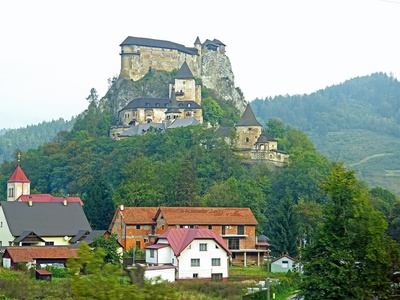
Orava
Highland dialect with strong identity; preserves conservative phonology and German/Hungarian loanwords. Mutual intelligibility generally good; folkloric vocabulary prevalent.
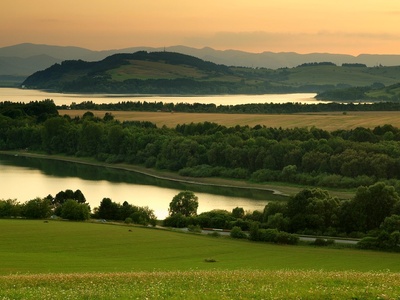
Liptov
Liptov dialect shows central group traits with particular diphthong patterns. Intelligible nationwide; often associated with traditional rural speech and folklore.
Turiec
Spoken in the Turiec valley around Martin; known for palatal sibilant pronunciation and idiomatic expressions. Martin has cultural influence on Slovak literature and dialect studies.
Upper Nitra (Horná Nitra)
Industrial and mining areas with blended rural and urban speech. Intelligible to other Slovaks but carries local lexical items tied to mining heritage.
Tekov
Historic agricultural region with dialectal traits of central Slovakia. Easily understood by Slovaks; includes placename-based vocabulary.
Hont
Borderland dialect with historical Hungarian contact; keeps central Slovak phonology but uses many area-specific loanwords. Mutual intelligibility remains high.
Gemer
Rural dialect of the Gemer region with distinct prosody and lexical items. Intelligible to most Slovaks; noted for strong local oral traditions.
Zvolen/Pohronie
Spoken along Hron river basin; central Slovak features with local prosodic differences. Intelligible nationwide; local speech influenced by mining and forestry vocabulary.
Central Slovak (group)
Macro-group of Slovak dialects in the interior highlands, historically forming basis for modern standard Slovak. High mutual intelligibility, diverse subdialects with notable archival importance.
Šariš
Prominent eastern dialect with strong identity, distinctive vowel lengths and sibilants. Intelligible but marked; many folkloric expressions. Example: local variant of “Ako sa máš?” with characteristic sounds.
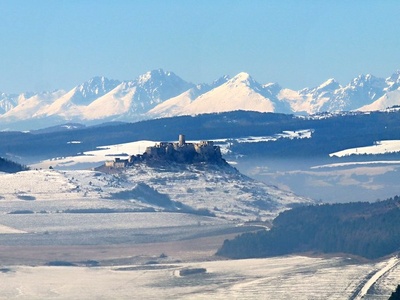
Spiš
Spiš dialect shows eastern phonetic traits and vocabulary influenced historically by German settlers. Mutually intelligible yet regionally distinctive, especially in rural speech.
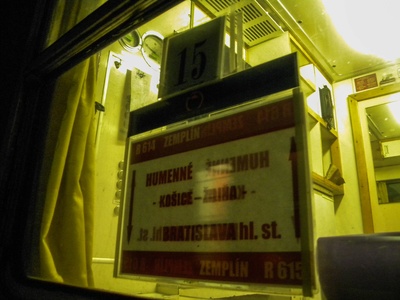
Zemplín
Easternmost Slovak dialects with conservative forms and lexical archaisms. Intelligible to other Slovaks but retains distinctive prosody and vocabulary tied to local traditions.
Abov (including Košice)
Area around Košice with eastern features and urban innovations. Intelligible nationwide; Košice city speech shows multilingual historical influences.
Eastern Slovak (group)
Macro-group encompassing Slovakia’s eastern dialects; features include vowel length contrasts and unique colloquialisms. Often most distinct from standard Slovak but still largely mutually intelligible.
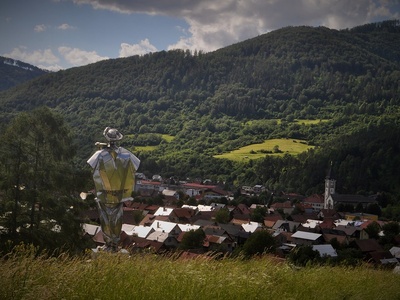
Goral (Slovak Gorals)
Mountain shepherd communities speaking Goral varieties with conservative phonology and unique grammar. Often partially intelligible with standard Slovak; shares features with neighboring Polish Goral speech.
Podtatranské (sub-Tatra)
Foothill speech blending central and eastern features; intelligible nationwide and noted for distinctive melodic intonation and traditional vocabulary.
Gemeri-Horizont (local grouping)
Smaller local cluster within Gemer with distinct morphosyntactic traits. Understandable by other Slovaks; strong local oral culture preserves idioms.
Novohrad
Border region dialect with many cross-border lexical contacts, yet central Slovak phonology. Intelligible across Slovakia but regionally marked.
Západné vysokohorské nárečia (Western highland)
Highland mountain dialect cluster preserving older Slovak forms, strong regional identity and folklore vocabulary. Intelligible but noticeably distinct in rural speech.