Wales wears its language on its sleeve: towns, valleys and islands each carry distinct ways of speaking shaped by history, migration and the Welsh language. From coastal villages to post‑industrial towns, the sound and vocabulary shift noticeably over surprisingly short distances.
There are 26 Dialects in Wales, ranging from Anglesey English (Môn English) to Wrexham/Flintshire Welsh, showing a full spectrum of English and Welsh varieties. Entries are organized with Language,Region,Notable features so you can quickly compare pronunciation, vocabulary and regional traits — you’ll find below.
How different are these dialects from standard Welsh or English?
Differences range from mild accent and word choice changes to distinct grammatical features in some Welsh‑influenced English and regional Welsh varieties; most speakers remain mutually intelligible, but pronunciation, local words and idioms can make certain areas sound quite distinct.
Will a visitor be able to understand local speakers?
Yes in most cases—standard English and Welsh are widely understood—but expect denser accents or strong Welsh dialects in rural areas; slowing your speech, listening for context, and learning a few basic Welsh phrases will help a lot.
Dialects in Wales
| Name | Language | Region | Notable features |
|---|---|---|---|
| Gwynedd Welsh | Welsh | Gwynedd, North-West Wales | Conservative pronunciation of ll, vowel distinctions, intelligible across Wales |
| Anglesey Welsh (Môn) | Welsh | Ynys Môn (Anglesey) | Island forms, long vowels, unique vocabulary, highly intelligible with North Welsh |
| Denbighshire Welsh | Welsh | Denbighshire, North-East Wales | Fronted vowels, soft consonant patterns, close to nearby Wrexham speech |
| Wrexham/Flintshire Welsh | Welsh | Wrexham, Flintshire, North-East border | Border vowel influences, lexical borrowing from English, locally distinct rhythm |
| Ceredigion Welsh | Welsh | Ceredigion (Cardigan Bay area) | Distinct stress patterns, vowel quality changes, literary associations |
| Carmarthenshire Welsh | Welsh | Carmarthenshire, South-West Wales | Rounded vowels, conservative grammar, wide rural speaker base |
| Pembrokeshire Welsh | Welsh | Pembrokeshire, West Wales | Coastal vocabulary, occasional English contact features, distinct rhythm |
| Dyfed/West Wales Welsh | Welsh | Ceredigion, Carmarthenshire, Pembrokeshire (Dyfed) | Conservative grammar, melodious intonation, dialectal vocabulary |
| Glamorgan (Glamorganshire) Welsh | Welsh | Glamorgan, South Wales coast | Urban vocabulary, vowel shifts, influence on Cardiff speech |
| Gwentian (Gwent) Welsh | Welsh | Gwent, Monmouthshire, South-East Wales | Distinct intonation, border lexical items, English contact features |
| Powys (Mid Wales) Welsh | Welsh | Powys, Mid Wales | Mix of north/south features, reduced vowel contrasts, rural usage |
| North-East Wales English | Welsh English | Wrexham, Flintshire, Denbighshire border areas | Northern vowel patterns, rhoticity variable, Welsh lexical calques |
| North Wales English | Welsh English | Conwy, Gwynedd, Anglesey coastal areas | Non-rhotic, vowel fronting, singsong intonation |
| Anglesey English (Môn English) | Welsh English | Ynys Môn (Anglesey) | Island intonation, Welsh loanwords, distinctive vowel coloring |
| West Wales English | Welsh English | Ceredigion, Carmarthenshire, Pembrokeshire | Lilted intonation, vowel shortening, Welsh-influenced syntax |
| Pembrokeshire English | Welsh English | Pembrokeshire | Coastal lexicon, older rural forms, distinct rhythm |
| Gower English | Welsh English | Gower Peninsula (Swansea Bay) | Conservative rural English features, unique vowel shifts, historic island speech |
| South Wales English | Welsh English | Cardiff, Vale of Glamorgan, Bridgend | Non-rhotic, vowel shifts, contact with Welsh lexicon |
| Cardiff English | Welsh English | Cardiff and surrounding areas | Distinctive urban vowels, rising intonation, slang like “bay” for mate |
| Swansea English | Welsh English | Swansea and Gower | Soft consonants, melodic intonation, distinctive local slang |
| Newport English | Welsh English | Newport, South-East Wales | Strong local rhythm, consonant quality influenced by Welsh |
| South Wales Valleys English | Welsh English | Rhondda, Merthyr, Valleys of South Wales | Sibilant quality, vowel lengthening, strong local identity |
| Monmouthshire English | Welsh English | Monmouthshire, SE border with England | Border features, English-like vowels, Welsh lexical influence |
| Bridgend/Barry English | Welsh English | Bridgend, Barry, Vale of Glamorgan | Suburban vowel patterns, Welsh lexical borrowings |
| Anglo-Welsh (Urban bilingual English) | Welsh English | Major Welsh towns and cities | Code-switching, Welsh loanwords, bilingual speaker base |
| West Glamorgan English | Welsh English | Swansea, Neath Port Talbot | Industrial-era vowels, local lexical items, softer consonants |
Images and Descriptions

Gwynedd Welsh
Spoken in NW Gwynedd, this conservative North Welsh variety preserves traditional consonants and vowels. Typical among rural speakers and communities; notable for strong local identity, clear ‘ll’ articulation, and influence on modern standard Welsh orthography and media representation.
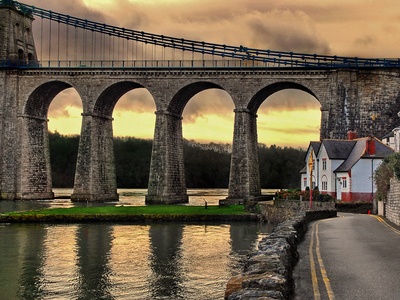
Anglesey Welsh (Môn)
The Anglesey variety retains island speech patterns and old vocabulary. Common among island-born speakers, it’s notable for elongated vowels, distinctive local words, and strong cultural pride that shapes song, poetry, and community life.
Denbighshire Welsh
Spoken in Denbighshire towns and villages, this North-East Welsh variety blends coastal and inland features. Typical speakers include rural families and older city dwellers; notable for fronted vowels and regional idioms differing slightly from Gwynedd forms.
Wrexham/Flintshire Welsh
Found near the English border, this variety shows cross-border influences and English loanwords. Typical among bilingual communities, it’s notable for its hybrid vocabulary and prosody that reflects long contact with English.
Ceredigion Welsh
Spoken along Cardigan Bay, Ceredigion Welsh is known for soft prosody and literary traditions. Typical speakers include rural and university communities; it’s notable for its contribution to modern Welsh literature and a recognizable local cadence.
Carmarthenshire Welsh
This West Welsh variety is rooted in rural Carmarthenshire speech with rounded vowels and retained grammatical forms. Widely spoken in villages, it’s notable for agricultural vocabulary and strong continuity of tradition.
Pembrokeshire Welsh
Pembrokeshire Welsh combines coastal lexical items and some English contact effects. Spoken by island and peninsula communities, it’s notable for sea-related vocabulary and a slightly different intonation from inland Dyfed speech.
Dyfed/West Wales Welsh
Covering much of West Wales, this group preserves older grammatical forms and a melodious intonation. Typical speakers in rural communities favor local expressions and folk traditions, making it culturally significant to Welsh identity.
Glamorgan (Glamorganshire) Welsh
Spoken historically across Glamorgan, this southern variety shows urban lexical influence and vowel changes. Typical among coastal towns, it influenced south-eastern speech and helped shape modern colloquial Welsh in urban areas.
Gwentian (Gwent) Welsh
Gwentian Welsh from SE Wales blends Welsh tradition with English border contact. Common among rural and ex-mining communities, it’s notable for unique intonation and vocabulary reflecting historical English influence.
Powys (Mid Wales) Welsh
Powys Welsh sits between northern and southern dialects, showing mixed phonology and rural lexicon. Spoken by farming communities and market towns, it’s notable for transitional features bridging Wales’s linguistic regions.
North-East Wales English
Spoken in NE towns, this Welsh English blends northern English vowels with Welsh-influenced rhythm. Typical speakers are bilingual locals; notable for occasional rhotic speech and Welsh calques in everyday English.
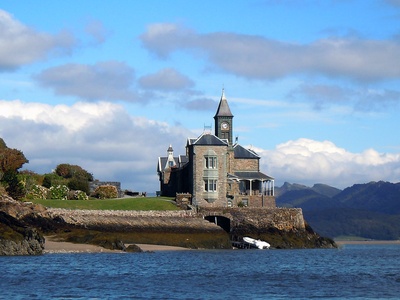
North Wales English
Common across much of North Wales, this English variety features a melodic intonation and fronted vowels. Speakers are often bilingual; notable for a “sing-song” quality and Welsh-influenced prosody.
Anglesey English (Môn English)
Anglesey English shows island-influenced rhythm and Welsh vocabulary. Typical among English-speaking islanders, it’s noteworthy for local terms and a prosody that echoes nearby Welsh speech.
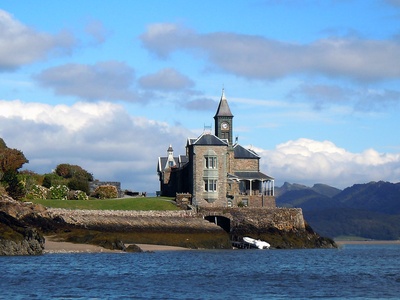
West Wales English
Spoken in West Wales towns and villages, this English variety shows a Welsh lilt and syntax influenced by Welsh. Typical speakers include historically English-speaking families; notable for maritime vocabulary and lyrical cadence.
Pembrokeshire English
Pembrokeshire English retains coastal vocabulary and some older rural pronunciations. Found in peninsula communities, it’s notable for a unique rhythm and interactions with Welsh-speaking neighbors.
Gower English
The Gower dialect is a well-documented local English variety with distinct vowels and rural word choices. Historically isolated, it’s notable for survival of older English features within Wales.
South Wales English
Central to urban South Wales, this English variety features characteristic vowel shifts and Welsh borrowings. Typical city dwellers and suburban speakers use it; notable for media representation and strong regional identity.
Cardiff English
Cardiff English is the urban accent of the capital, notable for a distinctive vowel system and rising intonation. Widely used by city residents, it features local slang and strong cultural visibility in music and sport.
Swansea English
Swansea English has a melodic quality and local lexical items. Common among coastal communities, it’s notable for its role in South West Wales identity and differences from Cardiff speech.
Newport English
Newport English blends urban and borderland features with Welsh influence. Typical among city and former-industrial workers, it’s notable for a robust local identity and distinctive prosody.
South Wales Valleys English
Spoken across the South Wales Valleys, this English variety is famous for its distinctive vowels and community solidarity. Typical among mining communities, it’s notable for cultural pride and recognizable speech in media.
Monmouthshire English
Monmouthshire English reflects cross-border speech, often resembling English dialects while keeping Welsh-influenced patterns. Typical in border towns, it’s notable for hybrid pronunciation and regional vocabulary.
Bridgend/Barry English
This coastal suburban variety shows South Wales vowel patterns softened by local usage. Spoken by commuters and coastal residents, it’s notable for accessible South Wales features minus heavy Valleys intonation.
Anglo-Welsh (Urban bilingual English)
Found among bilingual urban speakers, Anglo-Welsh English mixes English structure with Welsh words and syntax. Typical of younger, bilingual populations, it’s notable for fluid code-switching and creative lexical blends.
West Glamorgan English
Spoken across West Glamorgan’s urban and industrial zones, this variety reflects mining and steeltown heritage. Typical speakers show region-specific vocabulary and a characteristic softer consonant pronunciation.