Poland’s speech landscape reflects centuries of changing borders, local identity and cultural exchange. In villages, towns and city neighborhoods you’ll find distinct pronunciations, vocabulary and grammar that mark where people come from and how communities evolved.
There are 20 Dialects in Poland, ranging from Chełmno-Kujawy (Chełmińsko-Kujawski) to the Warsaw dialect (gwara warszawska). Each entry is organized with Region,Speakers,Typical features so you can quickly compare who speaks each dialect and what distinguishes it — you’ll find these details below.
How different are these dialects from standard Polish?
Differences vary: some dialects mainly use regional vocabulary and pronunciation but are mutually intelligible with standard Polish, while others preserve older phonetics or grammatical forms that can sound quite distinct to outsiders. Context (age, rural vs. urban) also affects how strongly a dialect appears.
Where can I hear these dialects today?
You can still hear many dialects in rural areas, older generations and local festivals; urban dialects survive in neighborhood speech and recordings. Museums, regional radio, and online archives are good places to listen and compare examples you’ll find below.
Dialects in Poland
| Name | Region | Speakers | Typical features |
|---|---|---|---|
| Greater Polish | Greater Poland Voivodeship (Wielkopolska) and surrounding | 3,500,000 | Conservative vowels, limited mazuration, clear articulation |
| Poznań dialect | City of Poznań and surrounding counties | 500,000 | Vowel reductions, lexical archaisms, melodic intonation |
| Kuyavian (Kujawski) | Kuyavia and Kuyavian-Pomeranian Voivodeship | 1,000,000 | Mazuration, vowel shifts, archaic morphology traces |
| Masovian (Mazowiecki) | Masovian Voivodeship (excluding Warsaw) and surrounding | 5,000,000 | Proto-Slavic stress shifts, vowel changes, folk lexicon |
| Warsaw dialect (gwara warszawska) | City of Warsaw (historical urban dialect) | 10,000 | Distinct intonation, older slang, Yiddish influences |
| Podlachian (Podlaski) | Podlaskie Voivodeship and northeastern Masovia | 400,000 | East Slavic loanwords, vowel fronting, akanye traces |
| Lesser Polish (Małopolski) | Lesser Poland Voivodeship and southeastern Poland | 3,000,000 | Retroflex consonants, vowel raising, lexical archaisms |
| Kraków dialect (krakowski) | Kraków city and nearby towns | 300,000 | Specific intonation, archaic lexicon, vowel quality shifts |
| Goral (Highlander) — Podhale | Podhale (Tatra foothills), Lesser Poland Voivodeship | 200,000 | Pitchy intonation, lexical archaisms, distinctive diminutives |
| Silesian (Śląski) | Silesian Voivodeship (Upper Silesia) | 500,000 | Vowel changes, distinct lexicon, Czech/German influence |
| Cieszyn Silesian (Cieszyński) | Cieszyn Silesia (border region with Czechia) | 50,000 | Mixed Polish-Czech features, tonal traces, vowels |
| Kashubian (Kaszubski) | Kashubia, Pomeranian Voivodeship (north-central) | 100,000 | Preservation of Slavic contrasts, distinct lexicon, nasal vowels |
| Kociewie | Kociewie region (south of Gdańsk, Pomeranian Voivodeship) | 50,000 | Lexical archaisms, vowel shifts, intonation patterns |
| Warmian (Warmiński) | Warmia, Warmian-Masurian Voivodeship | 80,000 | German loanwords, vowel quality shifts, archaic lexicon |
| Masurian (Mazurski) | Masuria, Warmian-Masurian Voivodeship (historical) | 30,000 | German loans, prosodic shifts, rural lexicon |
| Lublin dialect (Lubelski) | Lublin Voivodeship and eastern Lesser Poland | 500,000 | Conservative endings, vowel changes, Ukrainian influence pockets |
| Sandomierz (Sandomierski) | Sandomierz region and parts of Świętokrzyskie | 100,000 | Retroflex sounds, archaic lexicon, stress patterns |
| Suwałki dialect | Suwałki region, Podlaskie Voivodeship (northeast) | 60,000 | Conservative vowels, Lithuanian contacts, intonation |
| Lachy Sądeckie | Sądecki region, Beskid foothills (Lesser Poland) | 40,000 | Old lexical stock, melodic intonation, vowel quality |
| Chełmno-Kujawy (Chełmińsko-Kujawski) | Chełmno, Toruń, Nakło areas (Kuyavia/Chełmno Land) | 150,000 | Mazuration blends, conservative consonants, regional lexicon |
Images and Descriptions

Greater Polish
A large west-central Polish dialect group with deep historical roots in the Polish state. Spoken across rural and small-town Wielkopolska, it’s known for relatively conservative pronunciation and many local lexical items distinct from standard Polish.
Poznań dialect
Urban and suburban speech of Poznań with recognizable local slang and melodic intonation. Historically robust, today it mixes with standard Polish but remains a strong regional identity marker with colorful vocabulary.
Kuyavian (Kujawski)
Spoken in Kuyavia and nearby areas, this dialect blends Greater Poland and Masovian traits. Notable for mazuration and some older grammatical forms; common in villages and smaller towns rather than large cities.
Masovian (Mazowiecki)
Widespread central-eastern dialect area that influenced standard Polish. Rural Masovian speech preserves older elements and local vocabulary; urbanization has reduced distinctiveness except in smaller communities.
Warsaw dialect (gwara warszawska)
A historic city dialect once rich in local slang and multiethnic influences. Largely diluted by standard Polish, it survives in nostalgic features, literature, and among older speakers.
Podlachian (Podlaski)
A northeastern Masovian variety with Belarusian and Ukrainian influences. Known for some East Slavic loan vocabulary and phonetic traits, common in the Polish-Belarusian borderlands’ rural speech.
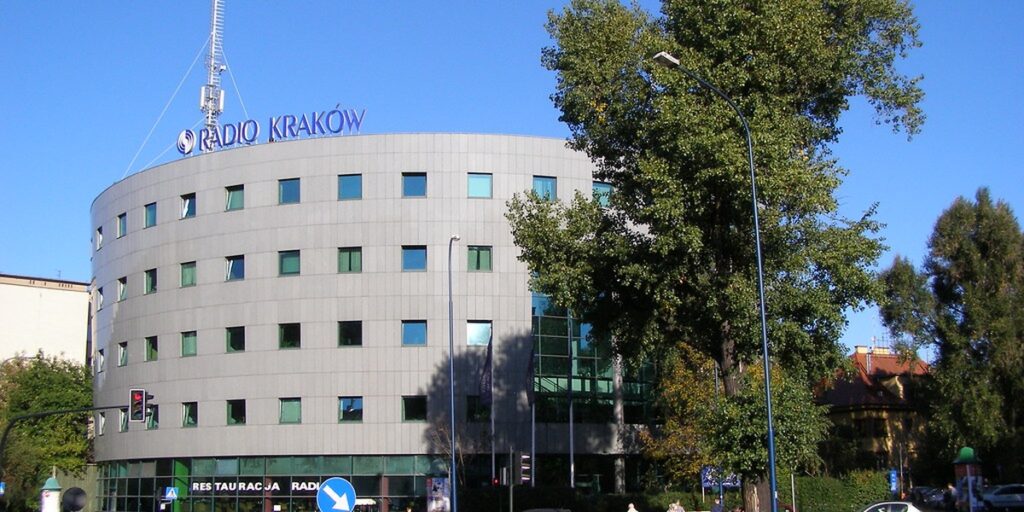
Lesser Polish (Małopolski)
A major southern dialect group centered on Kraków and the Carpathian foothills. It preserves many archaic words and distinctive sounds, strongly featured in regional culture and folklore.
Kraków dialect (krakowski)
The urban Kraków speech has a recognizable melody and older vocabulary. Famous in literature and local identity, it blends traditional features with modern Polish in everyday use.
Goral (Highlander) — Podhale
Highlander dialects of the Tatra region, rich in unique vocabulary and a sing-song intonation. Strongly tied to regional folklore, costume, and tourism, they vary between valleys and villages.
Silesian (Śląski)
A heavily regionalized variety often considered a separate language by some speakers. Silesian shows strong Germanic and Czech influences and a rich local vocabulary, especially prevalent in mining communities.
Cieszyn Silesian (Cieszyński)
Local speech around Cieszyn blends Polish and Czech elements, with unique phonetics and vocabulary. It reflects long bilingual contact and is notably different from standard Silesian.
Kashubian (Kaszubski)
A West Slavic variety officially recognized as a regional language. Kashubian has its own literature and media, a distinctive phonology and many words not found in Polish, concentrated in coastal Pomerania.
Kociewie
A regional Pomeranian variety around Tczew and Starogard. Kociewie speech retains local words and pronunciation features, culturally distinct yet close to standard Polish.
Warmian (Warmiński)
Local dialect of Warmia shaped by centuries of Polish-German contact. It keeps unique vocabulary and phonetic features, especially in rural communities and older speakers.
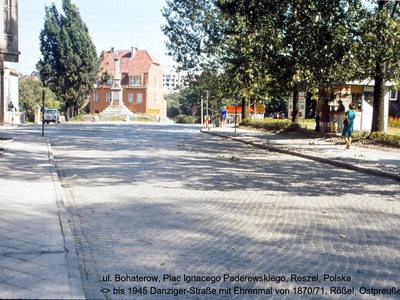
Masurian (Mazurski)
Historically a distinct countryside variety with German influence; many speakers assimilated after WWII but pockets of older speakers and local features remain in Masurian villages.
Lublin dialect (Lubelski)
Spoken across eastern Poland, Lublin dialect blends Lesser Polish features with eastern influences. Common in rural areas, it preserves archaic grammatical patterns and regional vocabulary.
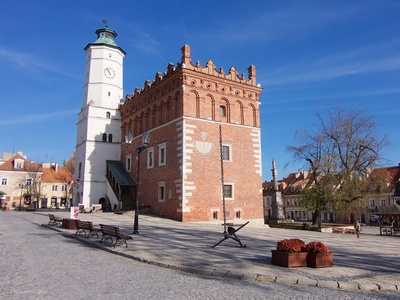
Sandomierz (Sandomierski)
A Lesser Polish subdialect from the Sandomierz area with distinct pronunciation and older vocabulary. It remains noticeable in local speech and folk traditions.
Suwałki dialect
Northeastern variety influenced historically by Lithuanian and Belarusian contacts. Suwałki speech shows conservative phonology and local lexical items, especially in rural communities.
Lachy Sądeckie
A group of Lesser Polish highland dialects around Nowy Sącz with rich folk vocabulary and distinctive intonation, closely connected to local folklore and traditional music.
Chełmno-Kujawy (Chełmińsko-Kujawski)
A transitional variety between Kuyavian and Greater Poland speech with specific local words and sounds. Found in towns and villages around Toruń and Chełmno, it preserves regional identity.