The 1995 Great Hanshin (Kobe) earthquake and the 2011 Tōhoku earthquake and tsunami are grim reminders that danger in Japan can come from unexpected sources: tectonic plates, severe weather, crowded nightlife or industrial infrastructure. On January 17, 1995 a magnitude‑7.3 event devastated Kobe; on March 11, 2011 a magnitude‑9.0 quake and tsunami reshaped the Tōhoku coastline. These dates matter because they changed how cities prepare, build and police public life.
This article ranks 12 cities that present elevated risks—whether from crime, concentrated nightlife, natural disasters, or industrial hazards—and explains the specific factors that make each one noteworthy. Criteria used include recent police statistics (see the National Police Agency and prefectural reports), Japan Meteorological Agency (JMA) seismic and typhoon exposure, historical event impact, population density, nightlife concentration and the presence of industrial or transport hubs. For each city you’ll get the primary risk type, key dates or stats, practical safety advice and official sources to consult. Use this as a practical guide rather than a definitive condemnation of any place; and please check local municipal pages and official police or meteorological data before you travel.
Crime & Urban Safety Hotspots
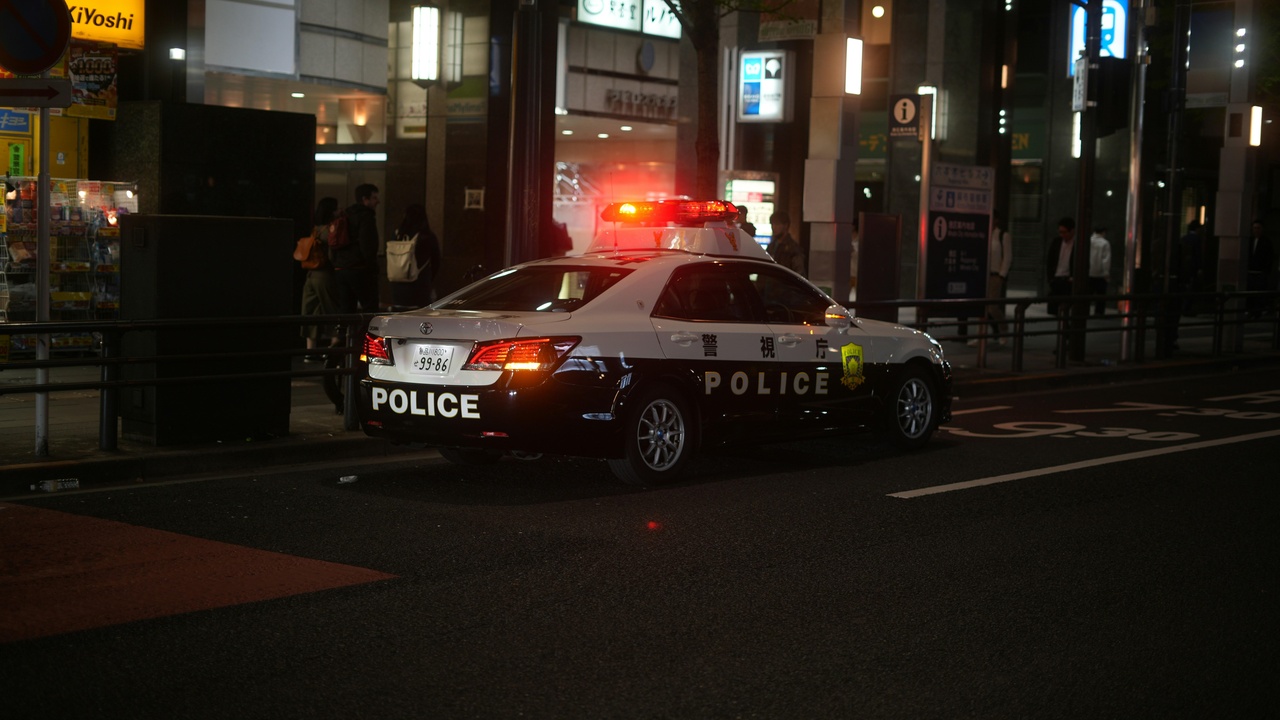
Urban districts with higher incident rates often combine large populations, late-night venues and heavy tourism. Use incidents per 100,000 residents and offence breakdowns (violent crime, theft, public‑order incidents) from prefectural NPA reports to compare places fairly. High raw numbers frequently reflect size and footfall—Kabukichō or Namba see a lot of visitors—so focus on rates and the types of offences rather than headline counts alone. Historically, organized‑crime groups influenced some areas but recent laws and policing have reduced visible yakuza activity; still, nightlife-related scams and intoxication incidents remain routine concerns.
1. Osaka — High nightlife density and higher urban crime rate
Primary risk: concentrated nightlife (Umeda, Namba) leading to theft, assaults and intoxication-related incidents. Osaka’s entertainment districts—Namba, Amerikamura and the Umeda area—draw late‑night crowds and tourist groups, which raises pickpocketing and public‑order calls compared with many smaller cities. Check the Osaka Prefectural Police annual crime report for year‑on‑year trends (see the most recent 2019–2022 editions for context).
For visitors: favor well‑lit streets, keep valuables secure, and consider taxis after midnight when train services stop. For residents: weigh apartment choice against proximity to nightlife, and use neighborhood safety apps or community crime‑watch groups. Local crackdowns and police patrol increases during festival periods have reduced some problems, but situational awareness still helps.
2. Yokohama — Port city challenges and pickpocketing/theft
Primary risk: petty theft and opportunistic crime in busy tourist zones. Yokohama’s Minato Mirai, Chinatown and waterfront festivals bring large crowds and transient visitors—cruise ship passengers included—so incidents of pickpocketing rise during events. Refer to the Kanagawa Prefectural Police and port security advisories for seasonal incident figures.
Practical tips: use hotel safes for passports and extra cash, carry bags close to your body in crowded streets, and be extra cautious during festivals when alcohol and late hours increase risk. Yokohama police deploy event‑focused patrols, but simple precautions make a big difference for short‑stay visitors.
3. Kawasaki — Industrial corridors, commuter flows, and opportunistic crime
Primary risk: commuter‑area opportunistic crime and after‑hours incidents near industrial zones. Kawasaki sits between Tokyo and Yokohama; heavy train and commuter traffic concentrates people around major stations, and industrial parks have quieter stretches at night where theft or harassment can occur. See Kawasaki City safety bulletins for station‑area incident reports and trends.
Advice: during peak commuting hours keep belongings secure, avoid empty carriages late at night, and rely on station staff or security cameras if you feel unsafe. Local campaigns often add lighting and CCTV at known hotspots—use those routes where possible.
Natural Disaster Hotspots
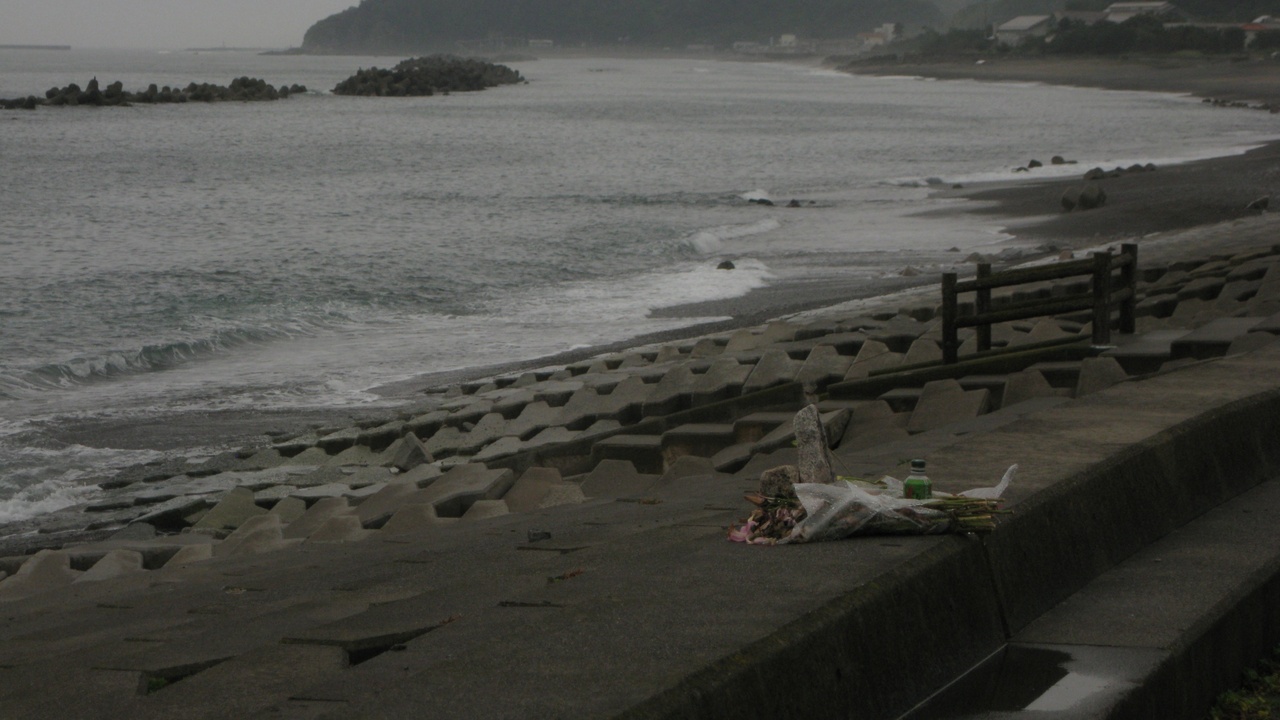
Tectonic and weather risks drive some of the most severe hazards in Japan: earthquakes, tsunamis, typhoons and volcanic activity. Use the Japan Meteorological Agency, Cabinet Office disaster reports and the Disaster Prevention White Paper to assess exposure. Remember the Great Hanshin (1995), the Tōhoku tsunami (March 11, 2011) and the Kumamoto quakes (April 2016) when judging local resilience: fatalities, magnitudes and the built response shaped how these cities prepare today.
4. Kobe — Legacy of the 1995 Great Hanshin earthquake
Primary risk (historical): severe earthquake damage and cascading infrastructure failures. The Great Hanshin earthquake on January 17, 1995 (magnitude 7.3) killed more than 6,400 people and exposed vulnerabilities in lifelines and buildings. The reconstruction that followed dramatically reshaped Kobe’s planning and codes.
Today Kobe highlights seismic retrofitting, stricter building standards and community evacuation planning. The city runs regular drills and posts evacuation routes; residents and visitors should know local assembly points and carry a small emergency kit. Check municipal preparedness pages and the JMA seismic maps for up‑to‑date guidance.
5. Sendai (and Miyagi coast) — Tsunami exposure since 2011
Primary risk: tsunami inundation and coastal damage. Sendai and the broader Miyagi coast were among the hardest hit by the March 11, 2011 Tōhoku earthquake and tsunami (magnitude 9.0), which caused catastrophic coastal flooding and led to the loss of tens of thousands of lives across the region. Post‑2011 rebuilding included raised seawalls, revised evacuation zoning and redesigned waterfront land use.
Visitors should note official tsunami evacuation zones and signage, and practice swift inland movement if evacuation sirens sound. Municipalities maintain evacuation maps online and test their alert systems regularly—find them on the Miyagi Prefecture site.
6. Kumamoto — Recent strong quakes and volcanic proximity
Primary risk: earthquake swarms and volcanic hazards. Kumamoto experienced a damaging quake sequence in April 2016 (notably events on April 14 and April 16, including magnitudes around 6.5–7.3) that damaged heritage sites, housing and roads. The prefecture also sits near Mount Aso, an active volcano with intermittent ash and eruption advisories.
For daily life and travel: monitor JMA volcano advisories, keep fuel and supplies for potential disruptions, and avoid low‑lying bridges or slopes in damaged areas. Agricultural impacts and landslide risks can persist after strong quakes, so follow local municipal notices about road closures and safe routes.
Industrial, Nuclear, and Environmental Hazards
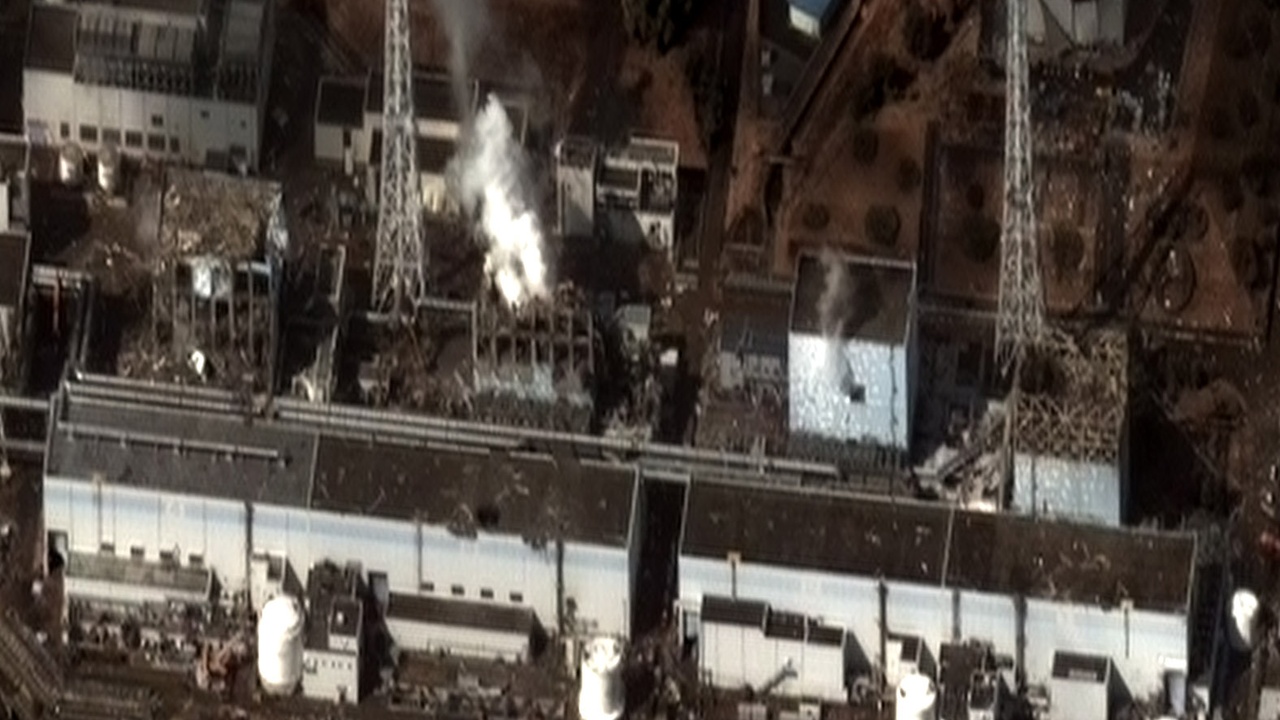
Cities with heavy industry, petrochemical complexes, ports or a legacy of nuclear incidents require different precautions: environmental monitoring, evacuation planning around industrial sites and clear information on food and water safety. Use the Nuclear Regulation Authority, METI and municipal environmental reports for verified data. When discussing Fukushima, stick to official figures and timelines—the 2011 accident displaced roughly 150,000 people from evacuation zones and decommissioning work will continue for decades.
7. Fukushima (city & coastal areas) — Nuclear accident legacy and evacuation zones
Primary risk (legacy): radiological contamination and long‑term resettlement complications. After the March 2011 Fukushima Daiichi accident, large evacuation zones were established and roughly 150,000 people left their homes temporarily. Decontamination programs, food‑safety testing and ongoing monitoring are routine in affected areas; the decommissioning and cleanup of the site is a multi‑decade endeavor overseen by national authorities.
Travelers should consult prefectural radiation monitoring pages and respect restricted zones. Agricultural produce is tested before shipment and municipal pages list current safe‑consumption guidance. For official updates see the Fukushima Prefecture portal and the Nuclear Regulation Authority.
8. Kitakyushu — Heavy industry and port-accident risk
Primary risk: industrial accidents and legacy pollution. Kitakyushu grew as a steel and chemical hub; past pollution episodes led to major cleanup and remediation programs. Active petrochemical plants and port logistics still pose accident and air‑quality risks that local authorities monitor closely.
If you live or work near industrial zones, follow company and municipal safety briefings, register for community alerts and monitor air‑quality indexes maintained by local government. Worker safety programs and environmental remediation efforts have made progress, but proximity remains an important consideration for housing or schools.
9. Nagoya — Large port, petrochemical facilities, and traffic risk
Primary risk: petrochemical storage, freight traffic and roadway incidents around port areas. Nagoya’s port supports heavy manufacturing and logistics; that means large truck volumes, potential hazmat incidents and congestion that can slow emergency response. Municipal disaster drills and hazard maps address worst‑case scenarios.
Commuters should plan routes that avoid industrial corridors during major shipments, heed local hazard‑map evacuation points and follow municipal transport advisories during extreme weather or incidents. The port authority and city publish freight and safety statistics for public review.
Tourism, Transit, and Regional Specific Risks
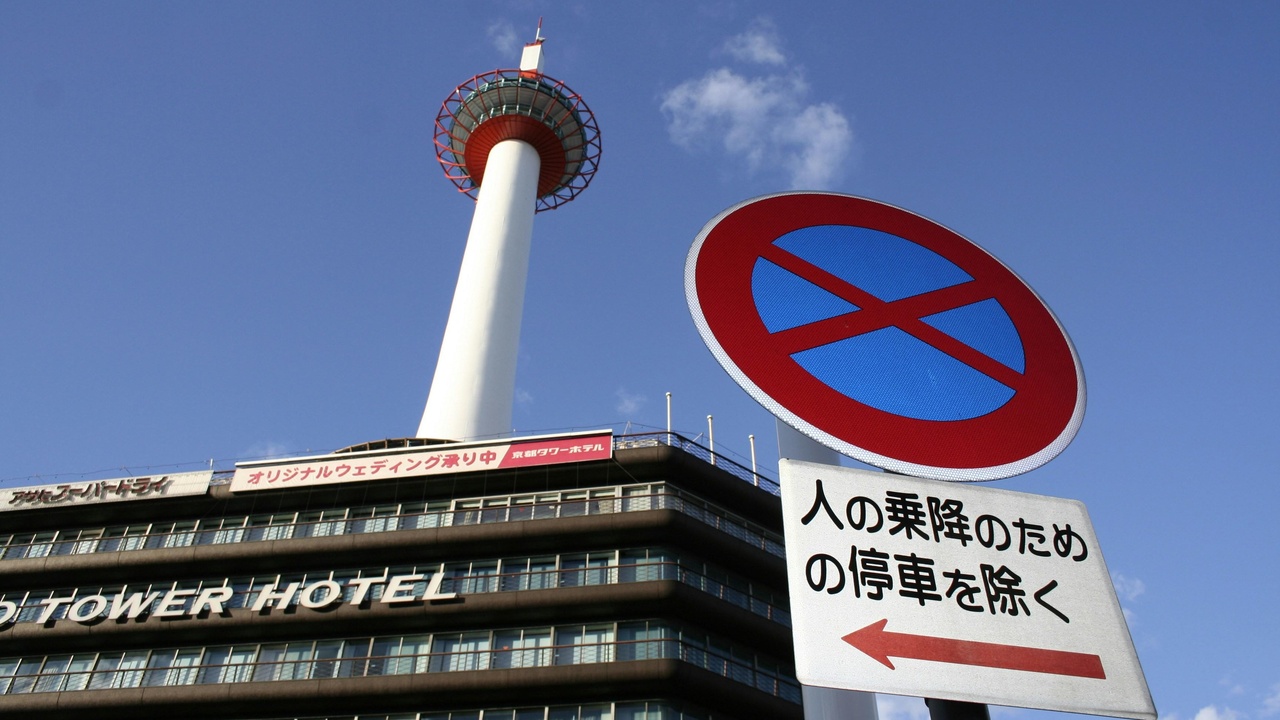
Seasonal tourism, transport hubs and climate create transient hazards: crowding during Golden Week, island emergency‑response limits, winter storms in the north and nightlife tensions in resort towns. Use the Japan National Tourism Organization (JNTO) and municipal transport pages for peak visitor numbers and station‑area advisories.
10. Naha (Okinawa) — Tourist crowds, nightlife-related incidents, and heat-related risks
Primary risk: crowding and heat‑related medical emergencies. Naha is Okinawa’s gateway; Kokusai‑dori and surrounding nightlife attract heavy tourist flows, especially in summer and during Golden Week. Large festivals and cruise arrivals can spike petty incidents and strain island medical capacity.
Travel advice: carry water and wear sun protection during hot months, avoid walking long distances in midday heat, and use hotel safes for valuables. In Okinawa’s summer humidity, a neck or handheld fan also helps. Check JNTO visitor data for peak months and the Okinawa Prefectural police pages for local safety advisories before major festivals.
11. Sapporo — Winter storms, traffic accidents, and seasonal hazards
Primary risk: heavy snow and icy roads leading to traffic accidents and transport disruptions. Sapporo’s winter brings significant snowfall; municipal snow‑clearing is robust, but roads and sidewalks still get treacherous, and event periods like the Snow Festival increase pedestrian density and slip‑and‑fall incidents.
Drivers should use winter tires and leave extra time for journeys. Visitors attending the Snow Festival should plan exits in advance and be mindful of shelter locations in case of sudden blizzards. The Hokkaido prefectural website posts seasonal traffic and accident statistics worth checking before travel.
12. Tokyo (Kabukichō district) — Dense nightlife, scams, and pickpocket risks in major urban center
Primary risk: nightlife‑related scams, unlicensed venues and pickpocketing concentrated in specific districts. Tokyo is broadly safe by international measures, but districts such as Kabukichō in Shinjuku have recurring problems with overcharging, “host” or “charge” scams and occasional fights. The Tokyo Metropolitan Police publishes district advisories and incident counts for tourists.
How to stay safe: use registered establishments (look for official signage), avoid offers that sound too good, and keep phones and wallets secure in crowded areas. If stopped by an aggressive tout, move toward a staffed shop or station and ask for help.
Summary
- Risks differ: some cities are notable for crime and nightlife concentration, others for earthquakes, tsunamis or industrial hazards; treat each place on its own terms.
- Consult official data before decisions: check the NPA, JMA, prefectural bulletins and municipal evacuation maps to understand current exposure.
- Simple preparedness reduces risk: carry a compact emergency kit, learn local evacuation routes, register for municipal alerts and keep valuables secured in crowded areas.
- Seasonality matters: plan around peak tourist months, winter storms in the north, and summer heat in Okinawa to avoid predictable spikes in incidents.
- Before you go or relocate, check local government pages and sign up for emergency alerts; they provide the most timely, actionable guidance for the cities on this list.