On June 26, 1960, British Somaliland and the Trust Territory of Somaliland united to form the Somali Republic — a moment that links centuries of coastal trade, nomadic life, and cultural exchange along one of Africa’s longest shorelines.
Somalia is often written off in travel conversations, yet with a population of roughly ~17 million people it offers underreported attractions worth reconsidering. Push past headlines and you’ll find wide, largely empty beaches, rock art that dates back several thousand years, vibrant markets and a resilient culture eager to share.
Here are ten clear reasons to visit Somalia, arranged into four themed sections—nature and coast, history and culture, cities and cuisine, and adventure and community—with specific examples, practical tips, and a few numbers to help plan a trip.
Natural wonders and coastline
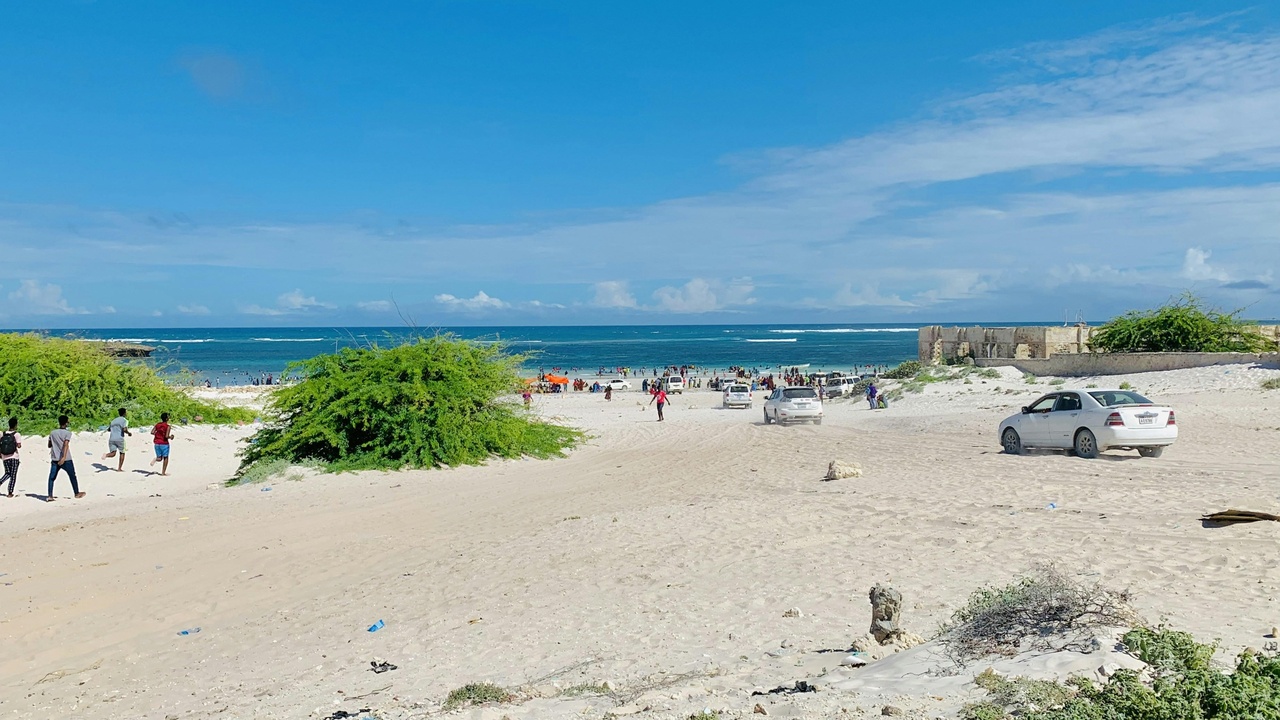
Somalia’s coastline runs roughly 3,025 km along the Gulf of Aden and the Indian Ocean, offering a range of coastal scenes from broad sandy strands to coral-fringed coves and dramatic headlands. Low visitor numbers mean many beaches feel essentially private, and day trips from regional hubs can introduce travelers to traditional fishing life and marine biodiversity.
1. Pristine beaches and quiet coastal drives
Long stretches of largely unvisited shoreline make Somalia a rare option for private beach walks and slow coastal drives. With far fewer tourists than popular beach destinations elsewhere, photographers and sunrise walkers can find uninterrupted sand and sea.
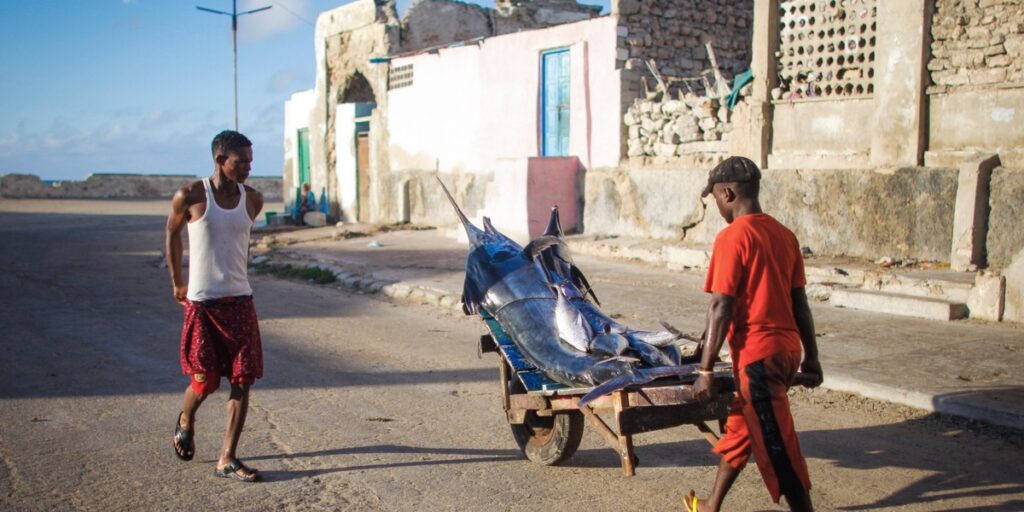
Practical tip: arrange coastal day trips through trusted local operators in Mogadishu or Bosaso so you have a vetted driver and guide. Morning walks near Mogadishu’s shoreline or short drives out of Bosaso to nearby coves reveal quiet beaches and working fishing scenes.
2. Rich marine life and snorkeling opportunities
The Gulf of Aden and the Indian Ocean fringe support coral patches and reef fish, plus seasonally migrating species such as tuna and sea turtles. Snorkeling off coral fringing near some coastal stretches can yield surprising sightings for visitors who travel with knowledgeable crews.
Many snorkeling trips use traditional dhows—Arabian-style wooden boats—which double as cultural experiences where fishermen demonstrate local techniques. Aim for calmer months (generally November–March) and hire local crews who know safe launch points.
3. Dramatic cliffs, headlands, and scenic drives
The northern coastline toward the Gulf of Aden includes cliffs and remote headlands that make for striking vistas and landscape photography. These sections can be reached by car from ports in the Bari region, with scenic stops for sunset and coastal panoramas.
Accessibility varies, so plan drives with local guides who check road and weather conditions and can point out the best viewpoints near Bosaso and surrounding headlands.
History, archaeology, and living culture
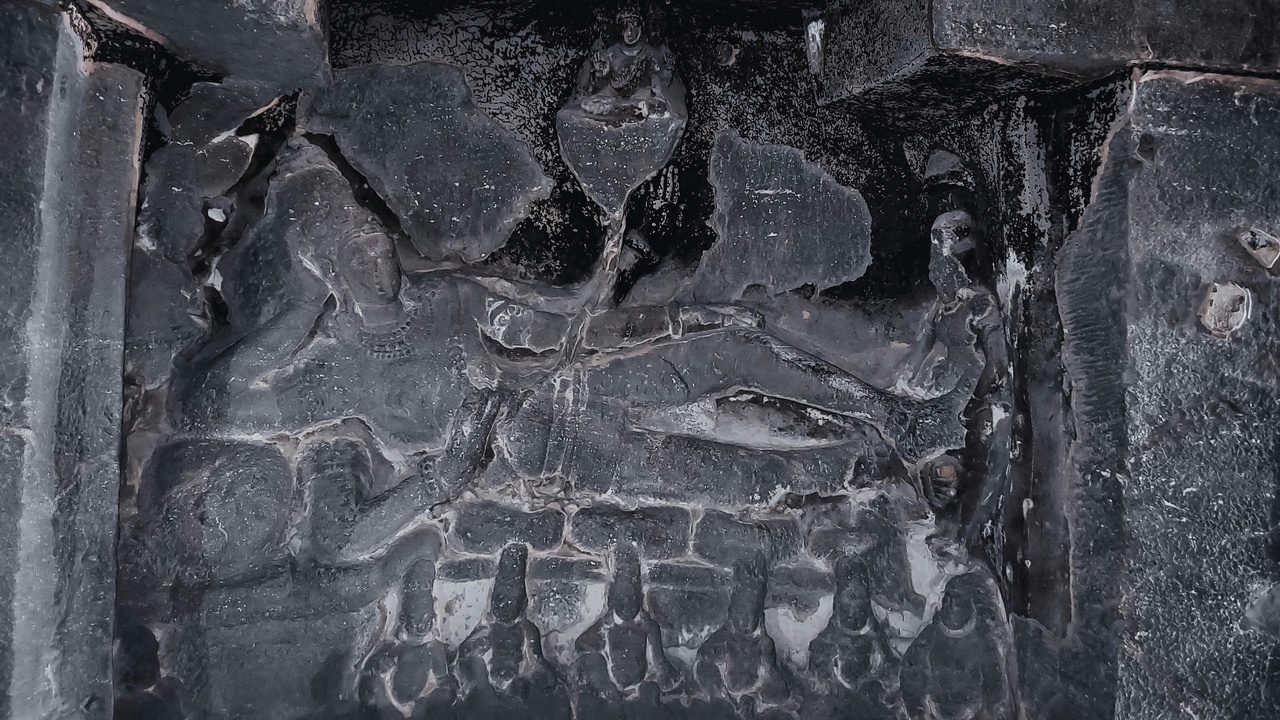
Somalia holds deep historical layers: ancient rock art, centuries of maritime trade across the Indian Ocean, and a living oral culture centered on poetry and craft. Many sites are fragile and best visited with local custodians or guides who protect heritage while explaining its stories.
4. Ancient rock art and archaeological sites
Laas Geel and similar rock shelters contain paintings described as several thousand years old, offering a direct, visual link to long human habitation in the Horn of Africa. These panels are delicate and managed by local custodians, so guided visits help both preservation and interpretation.
When visiting, stay on designated paths, avoid touching pigment, and follow your guide’s instructions—those small gestures help protect these sites for future generations and support local heritage efforts.
5. Historic port cities and Indian Ocean trade legacy
For centuries Mogadishu, Zeila and other ports connected Arabia, Persia and East Africa through maritime trade. Today visitors can still see coral-masonry ruins, old quarters and traces of that exchange in architecture and place names.
Explore Mogadishu’s old port area and walk lanes where coral stone buildings and trade histories overlap. Seek out elders and museum spaces that preserve oral histories—listening to those stories is as revealing as any plaque.
6. Living culture: poetry, crafts, and nomadic traditions
Poetry and oral storytelling are woven into daily Somali life, and visitors can attend recitals or local gatherings to hear verse performed. Crafts such as mat-weaving and silver jewelry remain common in markets, and culinary traditions like canjeero connect food to everyday routines.
Simple participation—asking permission before photographing, buying a woven mat, or joining a home meal—supports artisans and creates genuine cultural exchange. Consider arranging a craft workshop or a poetry night through community hosts.
Cities, markets, and Somali cuisine
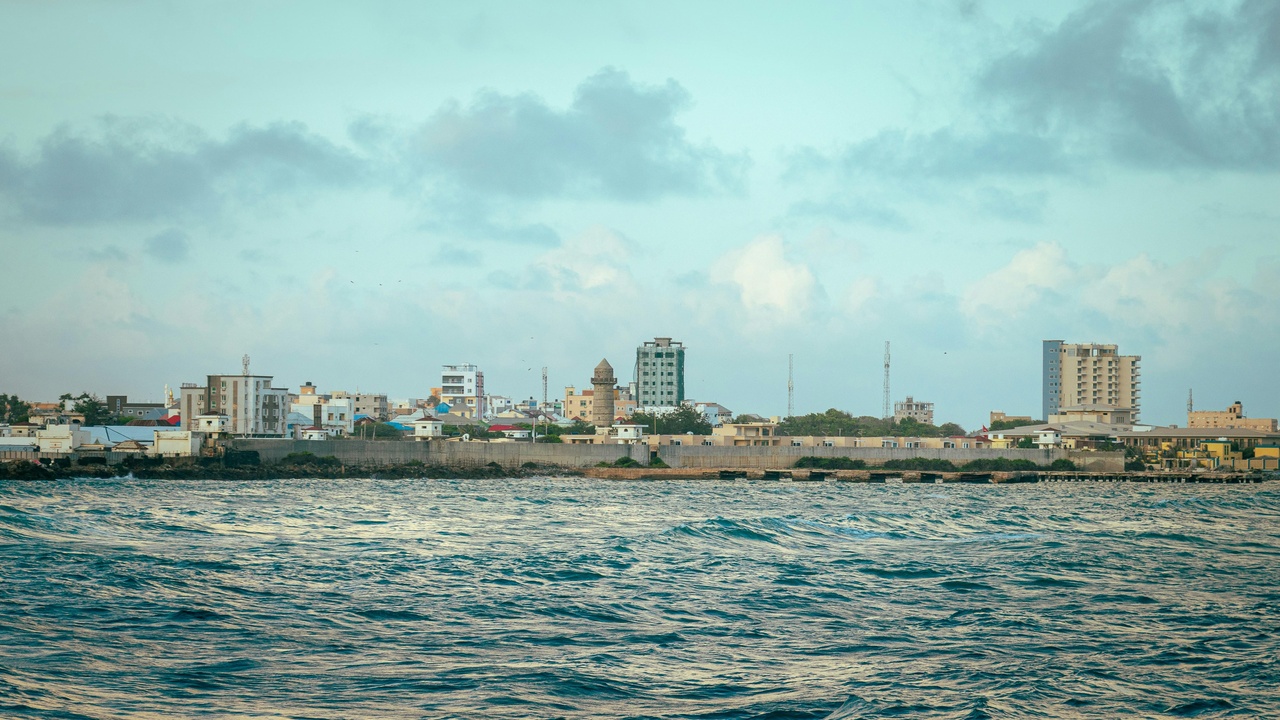
Urban life in Mogadishu, Hargeisa and Kismayo mixes modern services with traditional markets and street food. Markets act as social hubs where bargaining, sampling snacks and hearing local news happen all at once.
7. Bustling markets and authentic shopping
Markets overflow with spices, textiles, and handicrafts. The sensory scene—bright fabric, sacks of spices, and the cadence of bargaining—offers an immersive way to understand daily commerce.
When shopping, follow local etiquette: greet shopkeepers, offer reasonable haggles, and prioritize buying from small vendors. Typical items to look for include woven mats, locally dyed textiles and silver jewelry.
8. Distinctive Somali flavors and street food
Food is a clear draw: canjeero for breakfast, bariis iskukaris (spiced rice) for main meals, xawaash spice blends in stews, and street-side pasta born of Italian influence. Camel milk and strong coffee traditions are part of daily life too.
Eat where locals eat: busy stalls tend to be safer. If you want a deeper dive, arrange a home-cooked meal or a cooking demo to learn how dishes are prepared and to take recipes home with you.
Adventure, nature trekking, and responsible travel
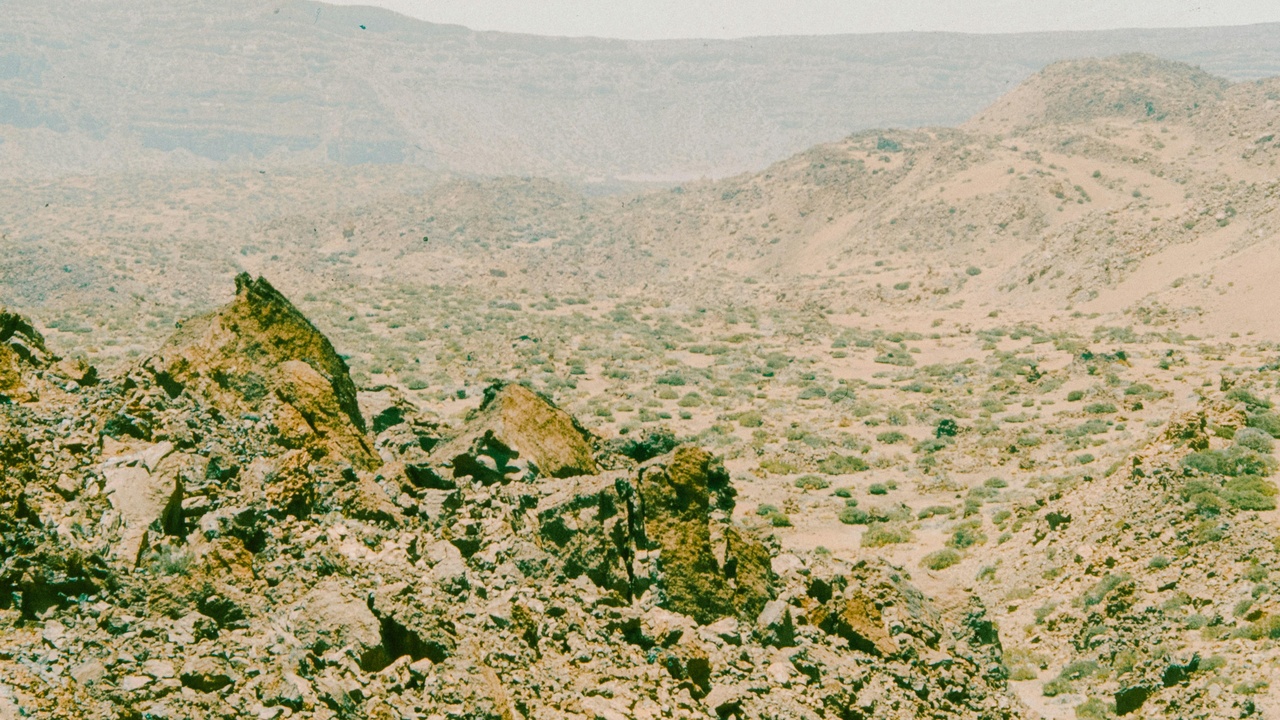
Beyond beaches, Somalia’s interior surprises with mountain ranges, plateaus and deserts that invite trekking, birdwatching and off-the-beaten-track drives. Responsible travel is essential: work with vetted local guides and prioritize community-run services.
9. Mountain trekking and desert landscapes
The Cal Madow range offers cooler highland air and day-hike options amid juniper and endemic flora, while plateaus and arid plains appeal to travelers who enjoy wide, empty landscapes. Birdwatchers find passage migrants and regional species in varied habitats.
Logistics matter: bring adequate water, hire local guides for navigation and safety, and time treks during milder months. Local operators arrange treks, camping and transport—choosing them directly supports remote communities.
10. Community-led tourism and meaningful encounters
Community-run guesthouses, homestays and craft workshops let travelers channel money straight to families and artisans. These encounters offer language practice, hands-on craft sessions, and invitations to everyday life that larger operators rarely provide.
Simple actions make a difference: book local guides, stay in community accommodations, and buy directly from makers. That way tourism becomes an income stream for people preserving culture and landscapes.
Summary
- Somalia pairs approximately 3,025 km of varied, often unspoiled coastline with deep historical layers and a lively oral culture.
- Visitors can experience pristine beaches, ancient rock art such as Laas Geel, bustling markets in Mogadishu, and trekking in ranges like Cal Madow.
- Distinctive Somali cuisine—from canjeero to bariis iskukaris—and community-led food experiences are excellent ways to connect with locals.
- Responsible travel—hiring vetted guides, choosing community-run guesthouses, and supporting local artisans—directly benefits livelihoods and heritage protection.
- Research current safety and visa information, prioritize small-group or community-led trips, and approach travel with cultural humility to make the most of these reasons to visit somalia.