Bahrain’s islands pack a surprising depth of history into a small area, from ancient trade networks and burial mounds to forts and coastal communities shaped by pearling and seafaring. Walking these sites reveals how landscape and culture have interacted for thousands of years.
There are 25 Historical Places in Bahrain, ranging from A’ali Burial Mounds to Traditional Watchtowers of Bahrain. For each site the information is organized as Location (Governorate; coordinates),Era/Date (approx.),Significance/Meaning — you’ll find below.
Which historical sites can I reasonably visit in one day?
If you have a day, focus on clustered sites: Bahrain National Museum and nearby Manama attractions, Qal’at al-Bahrain (the Fort) and its surrounding archaeological area, and a quick stop at A’ali Burial Mounds if time permits; travel between these is short and gives a balanced view of pre-Islamic and later history.
Do I need permits, guided tours, or special preparations to visit these places?
Most sites are open to the public with varying hours; some archaeological areas may require staying on paths or joining guided tours for preservation reasons. Check local visitor information ahead, bring water, sun protection, and respect signage and restricted zones to ensure access and conservation.
Historical Places in Bahrain
| Name | Location (Governorate; coordinates) | Era/Date (approx.) | Significance/Meaning |
|---|---|---|---|
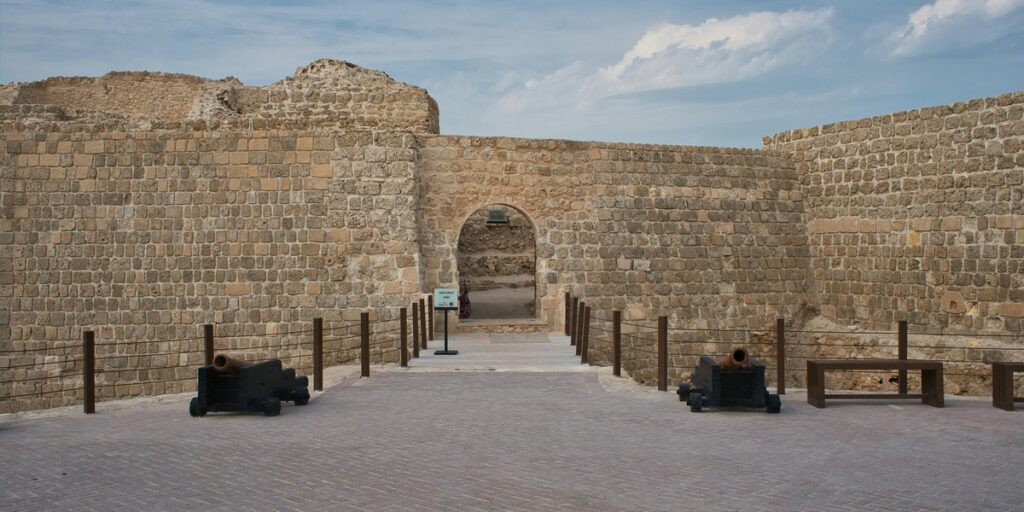
| Qal’at al-Bahrain (Bahrain Fort) | Northern Governorate; Qal’at al-Bahrain; 26.03,50.55 | 3rd millennium BCE–18th century CE | Dilmun capital mound and later fortified port, UNESCO World Heritage |
| Barbar Temple | Northern Governorate; Barbar; 26.09,50.57 | 3rd millennium BCE | Dilmun-era temple complex dedicated to water cult and ritual activities |
| A’ali Burial Mounds | Central Governorate; A’ali; 26.13,50.52 | 3rd–2nd millennium BCE | Thousands of ancient tumuli representing Dilmun-period burials |
| Saar Archaeological Site | Northern Governorate; Saar; 26.12,50.47 | 2nd millennium BCE | Fortified Dilmun settlement with houses, tombs and pottery finds |
| Jannusan Burial Mounds | Northern Governorate; Jannusan; 26.09,50.51 | 2nd–1st millennium BCE | Group of ancient burial tumuli from the Dilmun era |
| Buri Burial Mounds | Northern Governorate; Buri; 26.06,50.48 | 2nd millennium BCE | Large cemetery of Dilmun-era burial mounds |
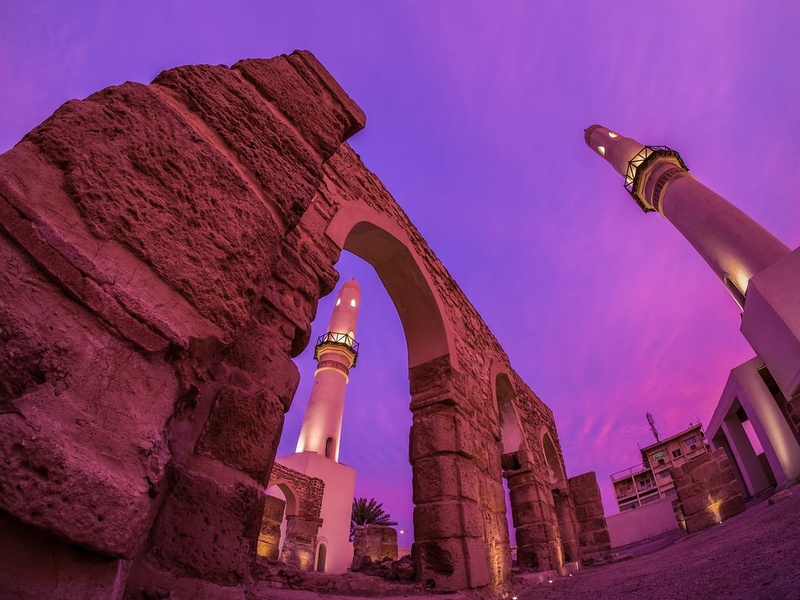
| Khamis Mosque | Capital Governorate; Khamis (Sanabis area); 26.19,50.53 | 7th–14th century CE | One of Bahrain’s oldest mosques with early minaret remnants |
| Saar Fort (Saar Settlement fortifications) | Northern Governorate; Saar; 26.12,50.47 | 2nd millennium BCE | Defensive mud-brick fortifications within ancient Dilmun town |
| Pearling Trail (Muharraq) | Muharraq Governorate; Muharraq old town; 26.26,50.62 | 19th–early 20th century CE | Historic pearling economy sites, UNESCO serial property |
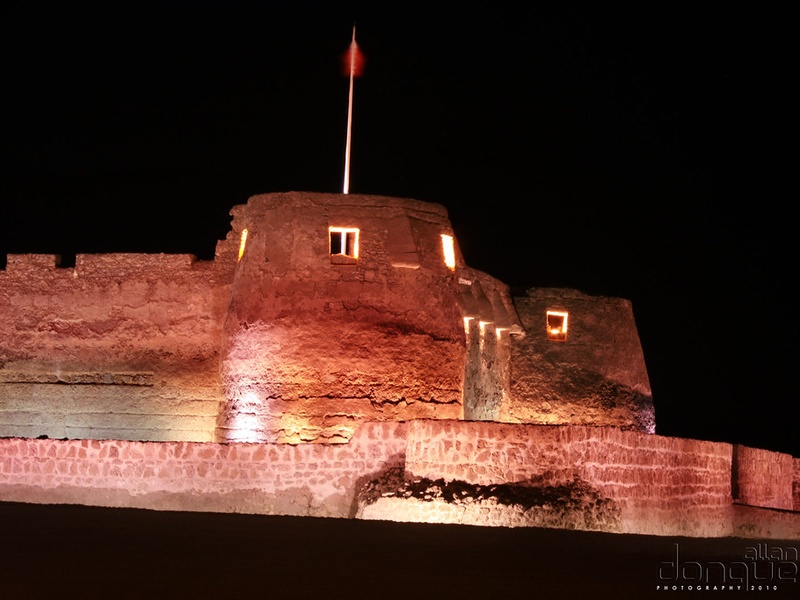
| Arad Fort | Muharraq Governorate; Arad (Muharraq Island); 26.24,50.61 | 15th–18th century CE | Coastal fort protecting Muharraq and pearling waterways |
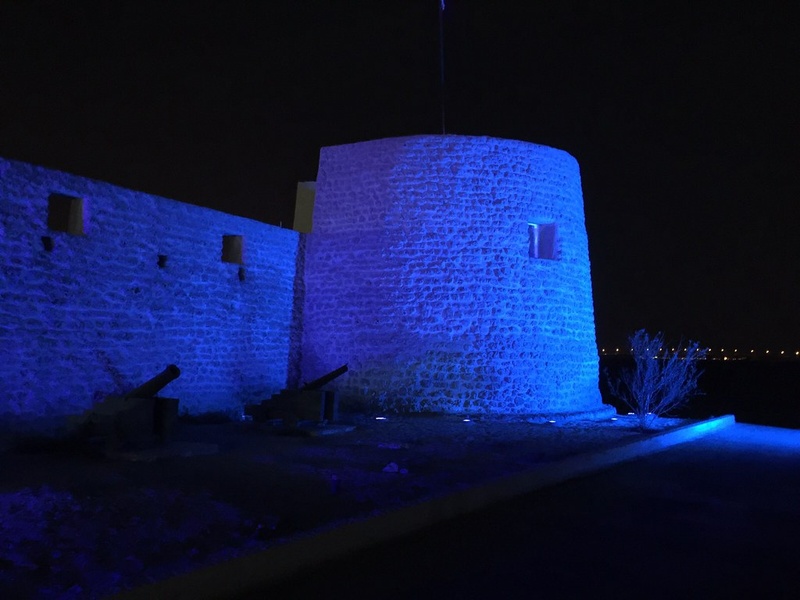
| Bu Maher Fort | Muharraq Governorate; Bu Maher (Muharraq); 26.23,50.62 | 18th–19th century CE | Fort guarding pearling channel, part of Pearling Trail |
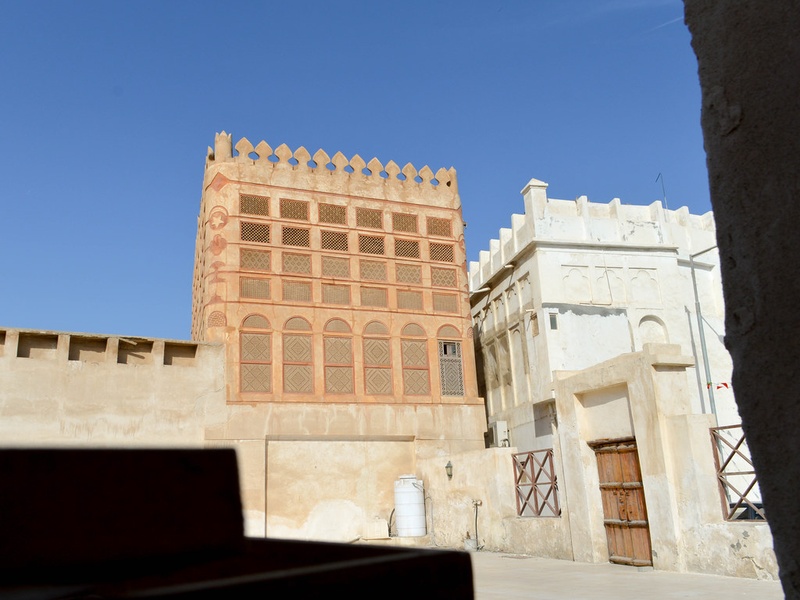
| Muharraq Traditional Houses | Muharraq Governorate; Muharraq souq area; 26.26,50.62 | 19th–early 20th century CE | Well-preserved merchant houses from pearling-merchant era |
| Al Jasra House | Northern Governorate; Al Jasra; 26.05,50.43 | late 19th–20th century CE | Traditional village house showcasing Bahraini vernacular architecture |
| Riffa Fort (Old Fort) | Southern Governorate; Riffa; 26.15,50.52 | 19th century CE | Hilltop fort and former residence of Bahrain’s rulers |
| Sheikh Isa Palace (Riffa) | Southern Governorate; Riffa; 26.15,50.52 | 19th century CE | Historic royal palace and administrative residence |
| Bilad Al Qadeem archaeological area | Capital Governorate; Bilad Al Qadeem; 26.22,50.55 | Early Islamic–medieval centuries | Early Islamic settlement and market area near old Manama |
| Diraz Burial Mounds | Northern Governorate; Diraz; 26.08,50.52 | 2nd–1st millennium BCE | Dilmun-period tomb group and archaeological finds |
| Khawaja Fort / Qal’at al-Khawaja | Northern Governorate; Budaiya area; 26.05,50.45 | 18th–19th century CE | Coastal fortification protecting western island approaches |
| Samaheej archaeological site | Northern Governorate; Samaheej; 26.01,50.52 | Late antiquity–early Islamic era | Settlement with Christian-period and early Islamic remains |
| Qal’at al-Muharraq (Muharraq fortifications) | Muharraq Governorate; Muharraq island; 26.25,50.62 | 16th–19th century CE | Historic defensive structures around Muharraq old town |
| Al-Dur (local ancient finds area) | Northern Governorate; vicinity of A’ali/Budaiya; 26.10,50.50 | Bronze Age (Dilmun) | Area with surface finds and connections to Dilmun-period activity |
| Manama souq historic quarter | Capital Governorate; Manama old bazaar; 26.22,50.58 | 18th–20th century CE | Historic commercial heart reflecting coastal trade history |
| Qal’at Bu Maher archaeological zone | Muharraq Governorate; Bu Maher islet; 26.23,50.62 | Dilmun remnants–19th century | Archaeological remains overlain by later fort, pearling significance |
| Traditional Watchtowers of Bahrain | Various Governorates; coastal villages; 26.10,50.50 | 18th–19th century CE | Small coastal towers used historically to observe pearling and sea approaches |
| Royal Tombs and Mounds cluster (various) | Central & Northern Governorates; A’ali and surrounds; 26.12,50.51 | 3rd–2nd millennium BCE | Clustered royal and elite burial mounds from Dilmun civilization |
Images and Descriptions
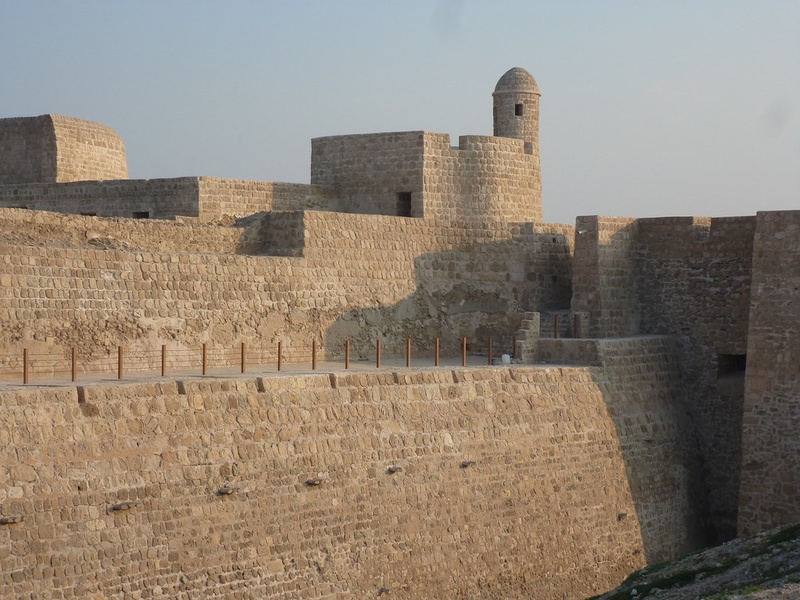
Qal’at al-Bahrain (Bahrain Fort)
Stand on a small island by Manama. Contain layers from the ancient Dilmun city to a Portuguese fort. Serve as Bahrain’s main archaeological site and a UNESCO World Heritage place. Show long human occupation and maritime trade history.
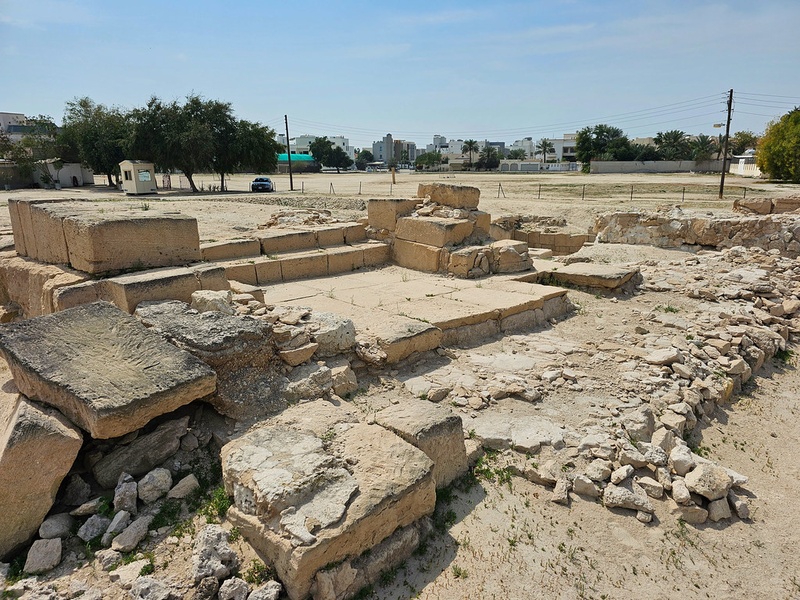
Barbar Temple
Sit in the village of Barbar. Date to the early Dilmun era, around the 3rd millennium BCE. Feature stone altars, platform tanks, and religious architecture. Represent Bahrain’s ancient temple culture and ritual life.
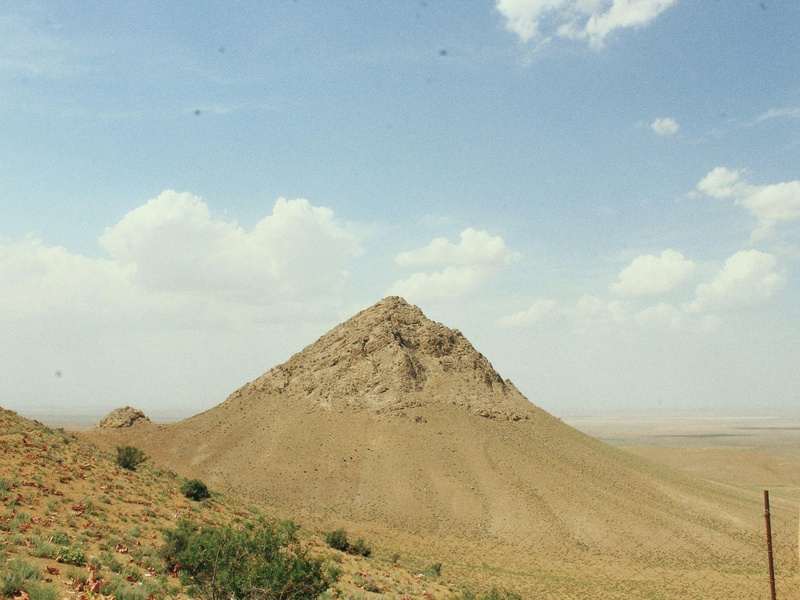
A’ali Burial Mounds
Cover a broad plain at A’ali. Contain thousands of ancient burial mounds from Bronze Age to later periods. Show burial customs and social hierarchy in early Bahrain. Offer wide, visible landscape archaeology.

Saar Archaeological Site
Lie inland near Saar village. Include a planned settlement and defensive features from the Dilmun period. Show domestic life, pottery, and urban layout. Provide insight into early urban communities in Bahrain.
Jannusan Burial Mounds
Mark an ancient cemetery area near the coast. Contain tumuli from Bronze Age burials. Illustrate local funerary practices and mound construction. Remain as clear, compact groups of ancient graves.
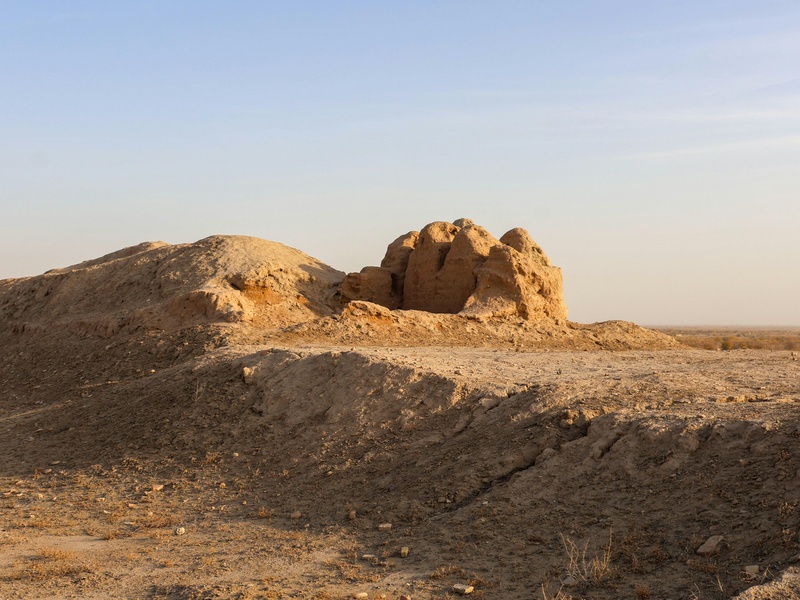
Buri Burial Mounds
Form clusters of tumuli at Buri village. Date to the Bronze Age and show typical cairn burial forms. Reflect regional patterns of burial and monument building. Stand as easy-to-identify archaeological features.
Khamis Mosque
Occupy a historic site near Manama. Contain old prayer halls and early Islamic architectural elements. Represent one of Bahrain’s earliest mosque sites with layered construction. Remain an important religious and historic landmark.
Saar Fort (Saar Settlement fortifications)
Perch over the Saar settlement remains. Show later fortifications built on an ancient location. Combine archaeological settlement evidence with visible defensive walls. Link Dilmun-era living sites to medieval and later uses.
Pearling Trail (Muharraq)
Trace the coastal route and townscape of Muharraq. Capture the pearl-diving economy and its social fabric from the 19th and early 20th centuries. Include merchant houses, souqs, and harbor structures. Explain Bahrain’s recent economic and cultural heritage.
Arad Fort
Sit on Muharraq island waterfront. Date to several centuries of coastal defense and local rule. Feature stone and coral construction and a waterfront position. Act as a visual symbol of Muharraq’s maritime past.
Bu Maher Fort
Guard a strategic channel near Muharraq. Relate to navigation and the pearling industry gateway. Contain a small fort and associated archaeological remains. Link military control to economic movement.
Muharraq Traditional Houses
Cluster in old Muharraq neighborhoods. Show coral-stone and gypsum architecture with wooden balconies and carved doors. Reflect merchant life and pearling-era wealth. Provide a living example of vernacular Bahraini housing.
Al Jasra House
Stand in the village of Al Jasra as a traditional house museum. Show local craftwork and domestic architecture from the 19th–20th centuries. Preserve household objects and traditional room layouts. Offer a clear example of rural Bahraini life.
Riffa Fort (Old Fort)
Perch on a hill in Riffa. Date to the 19th century as a local stronghold and watch post. Offer panoramic views and simple defensive architecture. Connect inland ruling centers to island power structures.
Sheikh Isa Palace (Riffa)
Form a larger palace complex in Riffa. Serve as a royal residence and administrative center from the late 19th and early 20th centuries. Show formal architecture and historic state presence inland. Operate now as a heritage site and museum space.
Bilad Al Qadeem archaeological area
Lie west of Manama as an old settlement zone. Contain mosque ruins, graves, and habitation traces from Islamic and earlier periods. Represent an early urban and religious landscape. Provide continuity between ancient and Islamic-era Bahrain.
Diraz Burial Mounds
Stand near Diraz village as groups of tumuli. Date mainly to the Bronze Age. Show mound-building practices and regional cemetery patterns. Offer tangible evidence of ancient community rites.
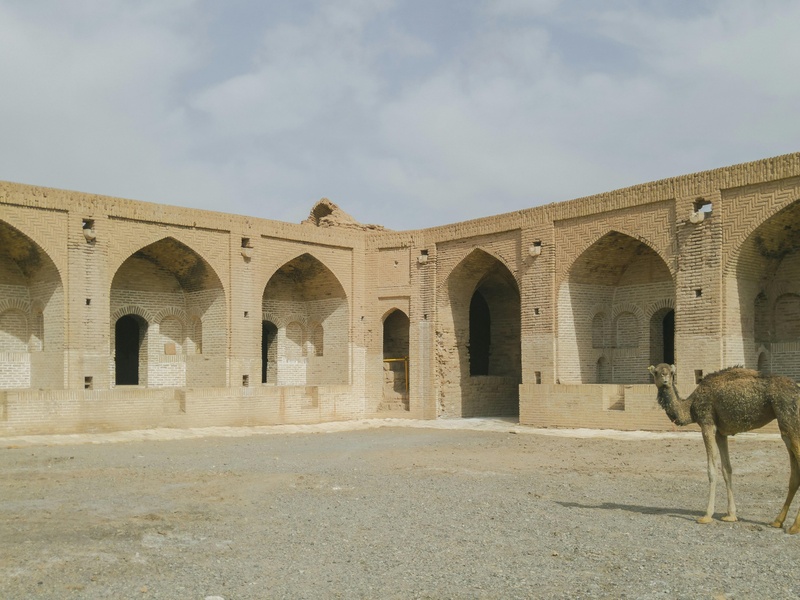
Khawaja Fort / Qal’at al-Khawaja
Occupy a coastal defensive site. Contain fort remains used to control local waterways. Illustrate compact military architecture and local strategic points. Act as part of Bahrain’s network of small coastal forts.
Samaheej archaeological site
Lie at Samaheej with multi-period remains. Include settlement layers and tombs from the Dilmun and later eras. Show transitions in domestic life and burial customs. Offer a research-rich site for ancient village life.
Qal’at al-Muharraq (Muharraq fortifications)
Form a set of defensive works on Muharraq island. Include forts, walls, and gates tied to the pearling town. Control trade and protect the harbor historically. Tie directly to Muharraq’s role as a trading and pearling center.
Al-Dur (local ancient finds area)
Occupy a coastal stretch with scattered archaeological finds. Produce pottery, building fragments, and artifacts from multiple periods. Indicate long-term coastal use and trade connections. Serve as a source area for local ancient material.
Manama souq historic quarter
Cluster in the old center of Manama with narrow lanes and shops. Contain traditional market stalls, coffee houses, and crafts. Preserve commercial life that served island communities for centuries. Act as the urban heart of Manama’s historic trade.
Qal’at Bu Maher archaeological zone
Surround Bu Maher Fort with ruins and coastal deposits. Contain remains tied to harbor control and the pearling route. Show archaeological layers from fort use and shoreline activity. Link to the broader Pearling Trail story.
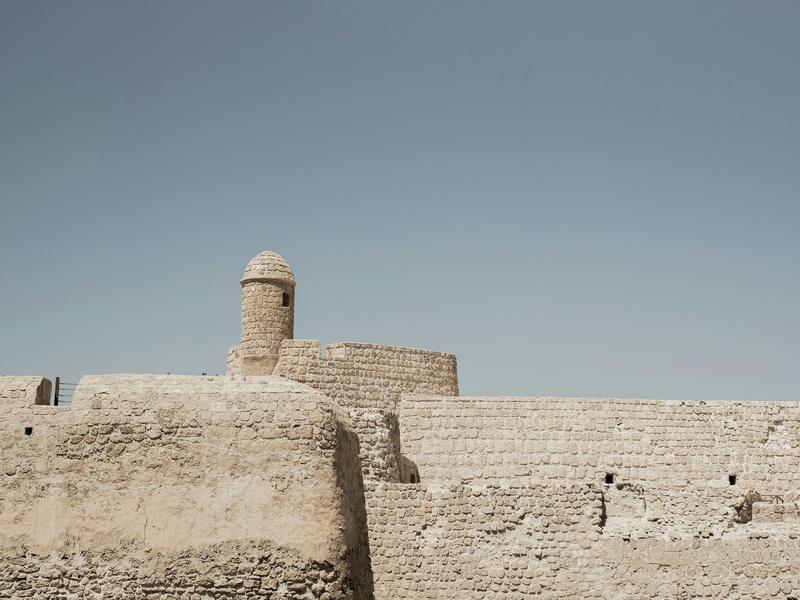
Traditional Watchtowers of Bahrain
Dot the landscape as small stone towers. Serve as lookout posts for the coast, farms, and roads. Show simple defensive and signaling architecture in rural areas. Illustrate local community security systems over time.
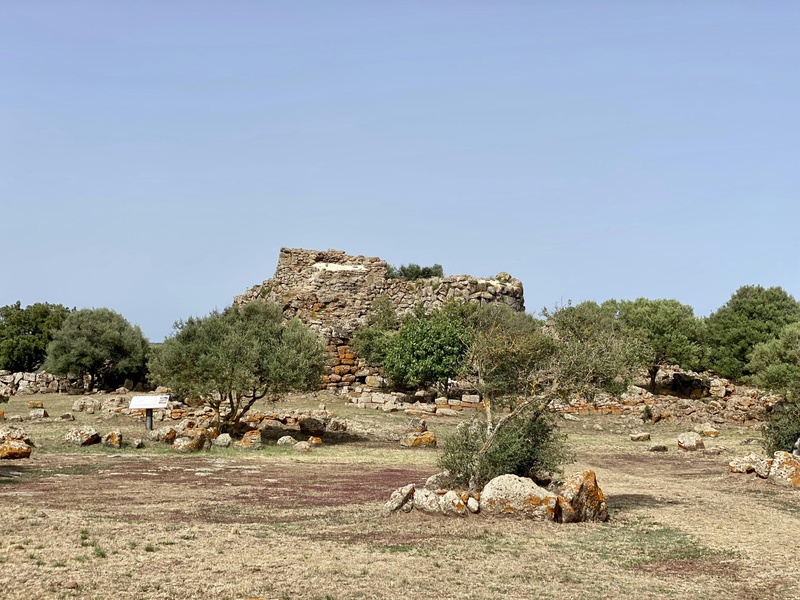
Royal Tombs and Mounds cluster (various)
Gather several large, elite burial mounds across Bahrain. Date to key ancient periods and mark elite or royal burials. Contain rich grave goods and monumental construction. Represent the high-status side of Bahrain’s ancient society.