In 1840 the Treaty of Waitangi was signed, a founding moment that reshaped Aotearoa New Zealand’s national identity and set the stage for how the country manages land, language, and relationships today. From that moment onward, distinct threads of Māori culture, British settlement, and a compact, island geography have combined to create a place with an outsized variety of landscapes and experiences.
If you’re weighing reasons to visit new zealand, one quick fact helps explain the appeal: the country is roughly the size of Colorado but packs glaciers, fjords, volcanic plateaus, subtropical bays, and alpine peaks into surprisingly short driving distances.
Put simply: two main islands, 13 national parks, and a culture that encourages getting outdoors. From world-class hiking and heli-skiing to living Māori traditions and cellar-door wine tastings, this guide lays out twelve distinct reasons to travel to New Zealand across four categories: landscapes and adventure, wildlife and natural wonders, culture and history, and food, wine, and cities.
Landscapes & Outdoor Adventure
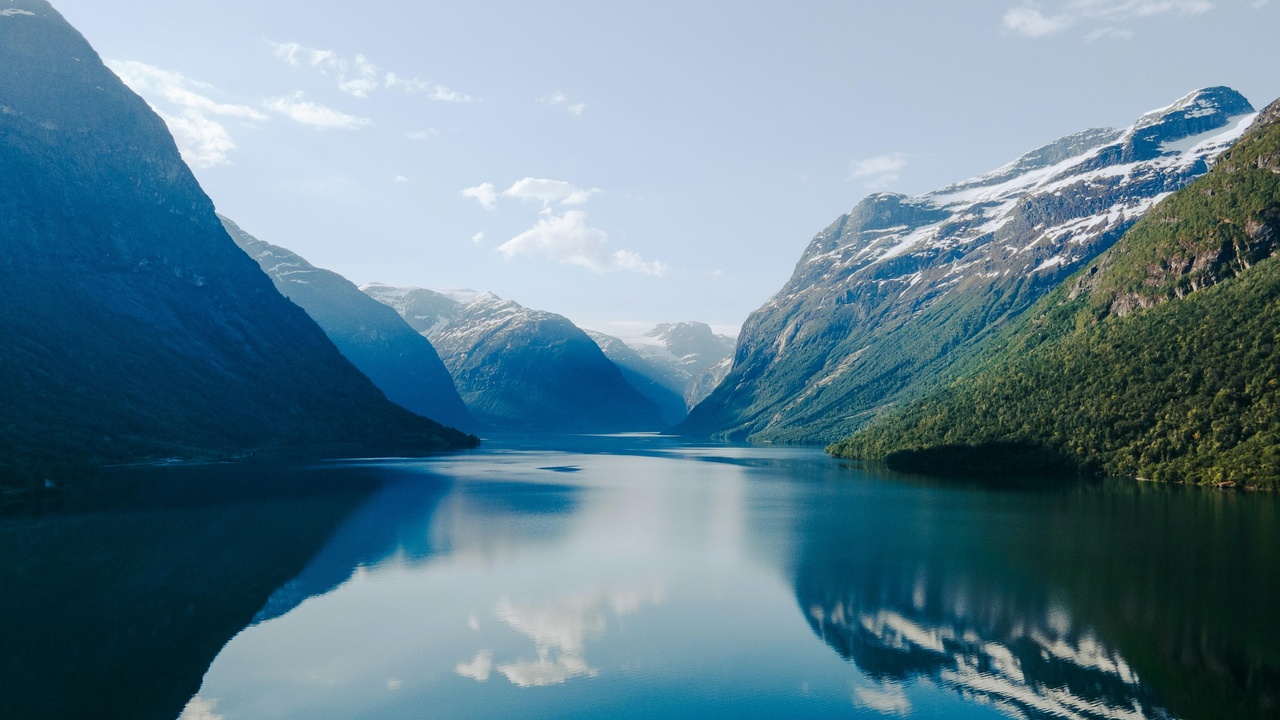
Many travelers come to New Zealand for its terrain—because within a few hours you can go from beach to glacier to alpine ridge. The country protects that variety across 13 national parks, and the contrast between the compact North Island and the rugged South Island keeps itineraries lively and efficient.
1. Dramatic Fjords and Glacial Scenery (Milford Sound & Fiordland)
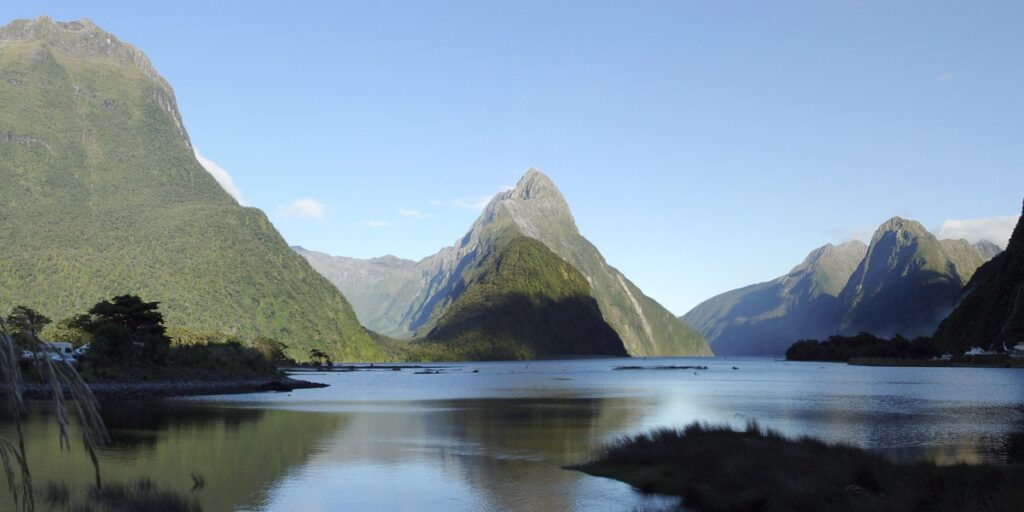
Milford Sound and Fiordland deliver some of the most dramatic seascapes and glacier-carved valleys anywhere. The South West New Zealand region, Te Wahipounamu, is a UNESCO World Heritage Site and Fiordland sits at its heart.
Visitors can join day cruises on Milford Sound, opt for overnight trips in Doubtful Sound, or lace up boots for sections of the Routeburn Track, one of New Zealand’s Great Walks. Photographers and wildlife-watchers will find endless chances to spot seals, penguins, and waterfall-choked cliffs.
2. Alpine Sports and Backcountry Skiing (Southern Alps & Aoraki/Mount Cook)
The Southern Alps run most of the length of the South Island and offer everything from groomed resorts to serious mountaineering. Aoraki/Mount Cook rises to 3,724 meters and anchors Aoraki/Mount Cook National Park.
Skiers and snowboarders choose Cardrona or Treble Cone for groomed runs, while expert skiers hire heli-ski operators to access backcountry faces. Non-skiers can still experience glaciers on guided heli-hikes and mountaineering courses around Mount Cook village.
3. Coastal Beaches and Surfing (Raglan, Piha, Abel Tasman)
New Zealand’s coastline supports reliable surf, scenic beaches, and easy coastal hikes. Raglan is famous for its long left-hand break; Piha, close to Auckland, draws surfers to its black-sand beach and dramatic cliffs.
On the South Island, Abel Tasman National Park pairs sunny golden beaches with sea-kayaking and coastal tracks that make great day trips from Nelson or Blenheim. Surf schools, guided kayaks, and beachside cafés make coastal days simple and rewarding.
Unique Wildlife & Natural Wonders
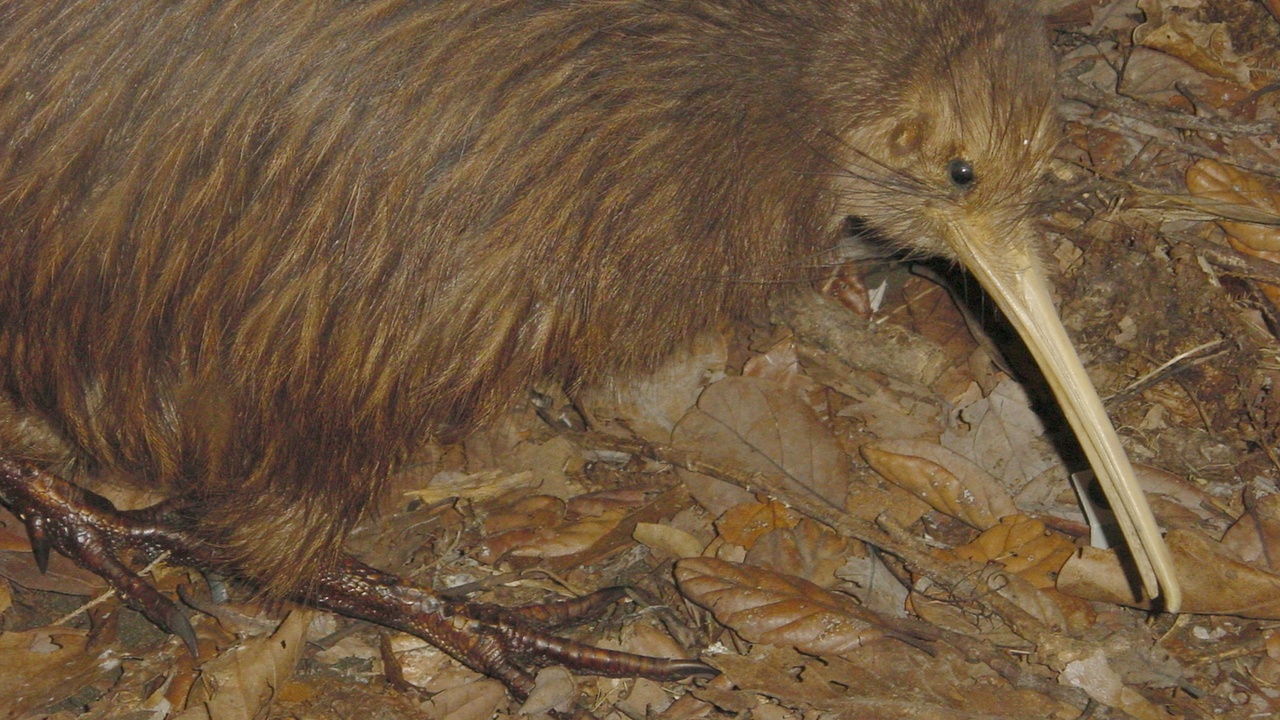
Isolated for tens of millions of years, New Zealand evolved an unusually high number of endemic species and ancient lineages. The Department of Conservation runs active recovery programs and predator-control projects, and travelers are asked to respect biosecurity rules when arriving and moving between islands.
4. Endemic Birds and Wildlife (Kiwi, Kea, Kakapo)
Birdlife in New Zealand developed without mammalian predators, producing quirky endemics like the nocturnal kiwi and the mischievous alpine parrot, the kea. Several sanctuaries and predator-free islands support recovery programs for threatened species such as the kakapo.
Guided night tours to see kiwi are available at ecosanctuaries like Zealandia in Wellington, and places like Ulva Island on Stewart Island offer daytime chances to see rare birds in near-natural conditions.
5. Ancient Reptiles: The Tuatara
The tuatara represents a lineage that dates back roughly 200 million years and is found only in New Zealand. Far from a zoo curiosity, tuatara are central to conservation work and evolutionary study here.
Visits to predator-free islands and conservation centers let visitors observe tuatara under strict protocols while learning about their biology and the restoration projects that keep them safe.
6. Marine Life and Whale Watching (Kaikōura & Bay of Islands)
Coastal upwellings and deep canyons bring marine life close to shore, and Kaikōura is internationally known for regular sperm whale encounters. Operators there run responsible whale-watching trips that focus on minimal disturbance.
Elsewhere you can swim with dolphins in the Bay of Islands, watch seal colonies on the Otago Peninsula, or join eco-boat tours that highlight seabirds and coastal biodiversity.
Culture, History & People

New Zealand’s cultural life blends a living Māori presence, a recent colonial history, and energetic creative communities. Respectful engagement—learning basic tikanga at a marae or following local guidance—goes a long way toward meaningful experiences.
7. Rich Māori Culture and Living History (Te Reo, Marae, Treaty of Waitangi)
Māori culture remains a visible and living influence. The Treaty of Waitangi, signed in 1840, is central to national conversations, and Te Reo Māori was made an official language in 1987.
Visitors can tour the Waitangi Treaty Grounds, attend a pōwhiri at a marae when invited, watch kapa haka performances in Rotorua, or explore Te Papa Tongarewa in Wellington for accessible exhibits that explain history and contemporary Māori life.
8. Creative Arts and Film Tourism (Weta Workshop, Hobbiton)
New Zealand gained global attention through the Lord of the Rings and Hobbit trilogies in the early 2000s, and film tourism remains a draw. Weta Workshop in Wellington offers behind-the-scenes tours, while Hobbiton outside Matamata lets visitors walk a carefully preserved movie set.
Beyond film, a thriving artisan scene of galleries, craft markets, and boutique studios showcases local makers and designers in cities and regional towns.
9. Festivals and Local Events (WOMAD, World of WearableArt, Pasifika)
Festivals bring music, fashion, and Pacific cultures into sharp focus. WOMAD in New Plymouth mixes international and local music, World of WearableArt in Wellington presents astonishing wearable art, and Auckland’s Pasifika Festival celebrates Pacific Islander culture.
Timing a trip for a festival can turn a routine visit into an unforgettable cultural deep-dive.
Food, Wine & Urban Experiences
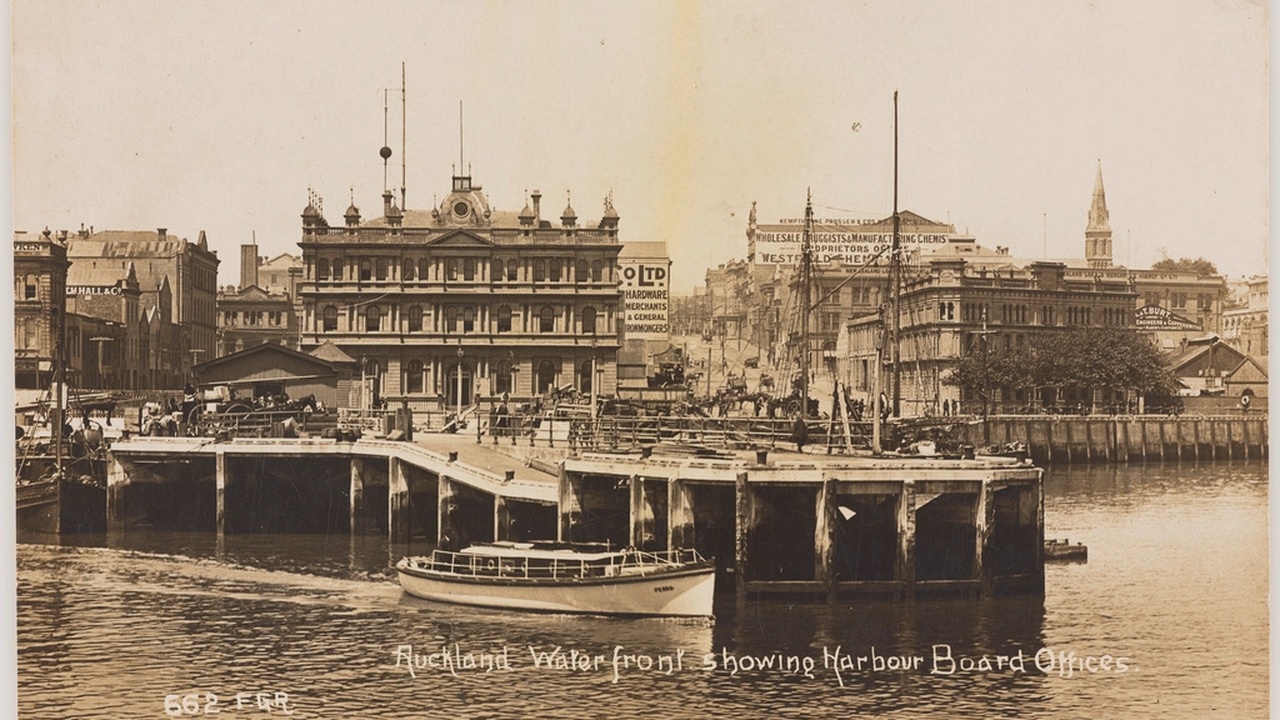
Food and cities complete the picture: New Zealand’s cuisine leans on excellent local produce and seafood, while compact, friendly urban hubs make travel logistics straightforward. Wine regions and gourmet operators have put the country on many food lovers’ radars.
10. World-class Wine Regions (Marlborough Sauvignon Blanc & Central Otago Pinot Noir)
New Zealand punches above its weight in wine. Marlborough produces roughly three-quarters of the country’s wine and is celebrated for bright Sauvignon Blanc. Central Otago, by contrast, specializes in cool-climate Pinot Noir with concentrated fruit character.
Cellar-door visits, guided tasting trails, and food-pairing lunches are easy to arrange, whether you base yourself in Blenheim or travel the Cromwell–Wanaka loop in Central Otago.
11. Fresh, Local Cuisine and Seafood (Bluff Oysters, Green-lipped Mussels)
Access to fresh seafood defines many meals here. The Bluff oyster season brings visitors to Southland for freshly shucked oysters, while green-lipped mussels from the Marlborough Sounds or the Nelson region appear on menus nationwide.
City food markets—Wellington’s Harbourside and Auckland’s waterfront stalls—offer casual ways to taste regional specialties, and many restaurants prioritize farm-to-table sourcing.
12. Friendly Cities as Bases for Exploration (Auckland, Wellington, Queenstown, Christchurch)
New Zealand’s cities are compact and service-oriented, making them efficient bases for day trips. The Auckland metro holds about 1.7 million people and serves as a common gateway, while Wellington’s walkable CBD houses major cultural institutions and Weta Workshop.
Queenstown functions as an adventure hub with abundant tour operators, and Christchurch’s rebuild since the 2011 earthquake has produced new public spaces and transport links that support regional travel.
Summary
- Compact geography and 13 national parks deliver dramatic variety—think Milford Sound fjords and Routeburn alpine tracks.
- Unique endemic wildlife and deep conservation efforts—spot kiwi in sanctuaries, learn about the kakapo recovery program, or watch sperm whales off Kaikōura.
- Living Māori culture and a strong creative scene—visit the Waitangi Treaty Grounds, attend kapa haka, or tour Weta Workshop and Hobbiton.
- World-class food and wine paired with friendly, compact cities—sample Marlborough Sauvignon Blanc, Central Otago Pinot Noir, or Bluff oysters during season.
- Practical tip: respect biosecurity rules at airports, check festival dates and Bluff oyster season, and observe local tikanga when visiting marae.
These reasons to visit new zealand make it straightforward to plan a trip: pick a season, choose the experiences that matter most—hiking, wildlife, culture, or food—and let the country’s compact scale do the rest.