7 Adventurous Things to do in Mauritania
For centuries camel caravans crossed Mauritania’s sands along trade routes that linked West Africa to the Mediterranean — a landscape shaped by movement and daring. The country packs surprising variety into roughly 1,030,700 km²: remote dune seas and plateaus, a long Atlantic margin with rich fisheries, and small towns that keep centuries-old crafts and libraries alive.
Adventure here matters because the experiences are both elemental and culturally layered: crossing the Sahara tests logistics and stamina, Banc d’Arguin offers world-class birding, and ksour like Chinguetti preserve manuscript traditions. Safety and planning matter too — travel windows (November–March) narrow extreme heat, many sites require local permits or community approval, and experienced guides greatly increase access and safety.
This guide highlights seven handpicked adventures across three broad areas: Desert (Sahara convoys, camel treks, dune sports), Coastal & Marine (Banc d’Arguin, the iron-ore line), and Cultural & Historical (ksour, markets). Practical tips accompany each activity so you can prepare for remote logistics, seasonal timing, and respectful interaction with communities.
Desert Adventures: Sahara Crossings & Dune Activities
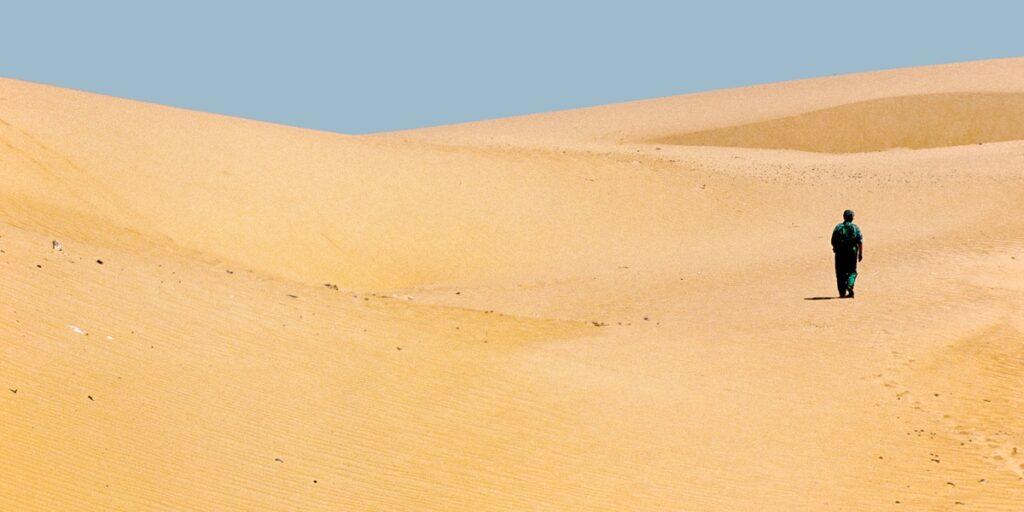
The Sahara defines much of Mauritania’s inland character: vast Adrar plateaus, interdunal valleys and isolated ksour that feel a world away from Nouakchott. The scale and remoteness of the Adrar region demand respect — routes can cross hundreds of kilometres of soft sand and gravel — so most travelers limit desert travel to the cooler months (November–March) when days are comfortable and nights crisp.
Logistics center on reliable 4×4 convoys, careful fuel and water planning, and local permits where required. Overland convoys running from Nouakchott to Chinguetti and Ouadane connect heritage sites and oases, and many trips combine motorized travel with nights at desert camps or nomad-hosted stays. Hire experienced local guides and drivers who know the tracks, vehicle recovery, and satellite or HF radio options.
Expect a range of trip lengths: day outings to nearby dunes, multi-day convoys of 3–6 days to reach remote ksour, and longer explorations for cross-desert itineraries. Practical preparations — sun protection, spare tires and parts, extra fuel, and clear contingency plans — make the difference between an exhilarating expedition and an avoidable problem.
1. Sahara 4×4 Overland Convoy (Nouakchott to Chinguetti)
A multi-day 4×4 convoy from Nouakchott into the Adrar and toward Chinguetti is a classic way to see Mauritania’s interior. Typical itineraries run 3–6 days and cover several hundred kilometres, linking the capital with oasis stops, dune valleys and ancient ksour.
Travelers choose convoys for safety in numbers and the ability to reach remote sites that single vehicles can’t. Daily highlights often include roadside oases, panoramic overlooks on the Adrar plateau, visits to ancient wells and small nomad camps, and an evening in Chinguetti where manuscript libraries and mosque lanes recall medieval trans-Saharan trade.
Bring robust sun protection, at least twice your planned water supply, spare fuel and recovery gear, and a satellite or HF radio if possible. Schedule trips during November–March and travel with reputable operators who provide trained vehicle crews and multi-day camp setups.
2. Camel Trekking and Overnight Desert Camps
Slow travel by camel offers a different kind of desert intimacy. Traditional camel routes still thread between dunes and grazing flats, and community- or family-hosted treks allow immersion with nomadic hosts and their daily rhythms.
Chinguetti and similar ksour date back several centuries (linked to scholarly and trading activity from around the 13th century), so camel routes sit in a deep historical landscape. Expect daytime walking or riding between camps, long golden-hour sunsets, and nights in Bedouin-style tents under brilliant stars.
Book through local guides or guesthouses in Ouadane and Chinguetti; typical short treks last one to three nights. Pack layered clothing for cold nights, a warm sleeping liner, sturdy footwear, and modest clothing for cultural respect. Ask permission before photographing people and use guides to translate and negotiate community stays.
3. Sandboarding and Dune-Sprint Adventures
For a quick injection of adrenaline, sandboarding and short dune sprints deliver big thrills without lengthy logistics. Steep, rideable slopes crop up on the edges of the Adrar and in isolated dune seas, and operators often rig plastic sleds or specialized boards for guests.
These outings are typically half-day or afternoon sessions that pair well with a desert-camp stop. Guides provide basic instruction, loan equipment and select safe runs; beginners can stand up on a board after a brief lesson, while experienced riders will find long sandy runs to test their balance.
Stay hydrated, schedule sessions for cooler parts of the day (late afternoon is ideal for photography), and accept that soft-sand tumbles happen — bring sun protection and a sense of humor.
Coastal and Marine Adventures: Banc d’Arguin & the Iron-Ore Line
Mauritania’s Atlantic coast offers a striking counterpoint to the interior: broad tidal flats, eelgrass lagoons and bustling fishing communities. Banc d’Arguin National Park, created in 1976 and recognized for its conservation value, protects vast intertidal zones that support hundreds of thousands of migratory shorebirds.
If you search for adventurous things to do in Mauritania, the coast delivers both quiet wildlife encounters and raw industrial spectacles. Boat trips from Nouadhibou or local launch points bring you into shallow lagoons and Imraguen fishing areas, while the iron-ore train — a roughly 700 km route from Zouérat to Nouadhibou — slices across desert dunes in dramatic style.
Organizing coastal trips often requires permits and working with community-run guides who know tides, nesting seasons and lagoon access. Combine a half-day birding sortie with a village visit, or plan longer expeditions that include camping on remote tidal flats.
4. Birdwatching and Boat Trips in Banc d’Arguin National Park
Banc d’Arguin is one of West Africa’s premier coastal wildlife areas and a UNESCO-recognized site. Established in 1976, the park hosts immense migratory flocks in peak seasons and supports a mosaic of eelgrass lagoons, mudflats and islands rich in birdlife.
Boat trips range from half-day excursions to multi-day outings that sleep onshore or in basic camps. Community-based guides—often from Imraguen villages—manage access, point out species and coordinate low-impact travel. Bring binoculars, sun protection and a waterproof bag for camera gear.
Look for large flocks of waders, greater flamingos, terns and gulls, and keep an eye out for occasional seal sightings. Respect closed nesting areas and hire local guides so your visit benefits conservation-minded communities.
5. Ride the Iron-Ore Train (Zouérat to Nouadhibou)
The iron-ore railway from Zouérat to Nouadhibou is one of Mauritania’s most unusual travel experiences: a heavy freight route of about 700 km that carries ore from inland mines to the Atlantic port. The trains are long, slow-moving industrial giants that cross stark desert scenery.
Some travelers watch operations from safe vantage points or ride near stations, but climbing atop ore cars is risky and often unofficial. Use local contacts to learn the legalities and safer ways to experience the line: arranging port observations at Nouadhibou or meeting mining-community members at small stops.
The landscape along the route is striking in its industrial scale: loading operations at the port, isolated maintenance yards, and the sense of distance between settlements. Treat the railway as a cultural-industrial phenomenon and respect safety protocols around tracks and freight areas.
Cultural & Historical Expeditions: Ksour, Markets, and Living Heritage
>Cultural trips connect the adventurous visitor to Mauritania’s long human story: medieval ksour that served trans-Saharan trade and scholarship, manuscript libraries preserved by local custodians, and lively markets where coastal produce and desert goods meet. Those sites reward slow walking, listening to custodians, and supporting preservation efforts through paid tours.Chinguetti and Ouadane remain central to the cultural map: narrow alleys, mosque minarets, and small collections of handwritten Qur’anic manuscripts remind visitors of centuries of movement and learning. Ethical visiting matters—ask before photographing manuscripts or people, and hire cultural guides who work with local stewards to fund conservation.
In the cities, markets and coastal fish auctions provide immediate, sensory-rich experiences of Mauritanian life. Use licensed guides for market walks and neighborhood tours; they navigate bargaining customs, language and safety concerns while opening doors to local vendors and family-run enterprises.
6. Explore Ancient Ksour: Chinguetti and Ouadane
>Chinguetti and Ouadane stand among Mauritania’s best-preserved medieval trading towns, with roots tied to trans-Saharan commerce and scholarship. Chinguetti’s associations with learning date to around the 13th century, and several towns still guard manuscript collections and traditional architecture.Visiting supports local preservation efforts: guided library visits, short hikes to fortress viewpoints in Ouadane, and small museum displays help fund custodians. Tours often include explanations of binding styles, script types, and how manuscripts were transmitted across the Sahara.
Respect conservation rules: avoid touching manuscripts, photograph only with permission, and hire guides who coordinate visits with local custodians. Walking alleyways and listening to elders offers one of Mauritania’s most quietly powerful historical experiences.
7. Nouakchott Markets, Coastal Food, and Nightlife with Local Guides
Nouakchott provides an accessible urban complement to inland adventure. The capital’s population sits at about 1,000,000, and its markets—especially the dawn fish market—are a fast way to enter everyday coastal life and food culture.
Hire a local guide for early-morning fish-auction visits where fishermen land their catch, and try freshly grilled fish prepared at the waterfront stalls. Guides help with bargaining etiquette, point out coastal specialties and navigate neighborhoods safely after dark for small-scale eateries and cultural spots.
Stick to licensed, recommended guides for evening outings and market tours; they lower risk, smooth communication, and ensure your spending supports local families and small vendors.
Summary
- Mauritania pairs raw desert expeditions (4×4 convoys, camel treks, sandboarding) with coastal wildlife and industrial-heritage experiences—each offers distinct logistics and rewards.
- Plan for seasonality (best travel window November–March), arrange permits and community guides for places like Banc d’Arguin and ksour, and prioritize experienced local operators for safety and access.
- Concrete options range from half-day sandboard or Banc d’Arguin boat trips to multi-day convoys (3–6 days) and observing the ~700 km iron-ore railway; choose based on time, fitness and appetite for remoteness.
- Next steps: contact licensed guides in Nouakchott or Nouadhibou, verify seasonal timing and permit needs, and prepare practical kit (water, spare fuel/vehicle parts, sun protection) before you go.