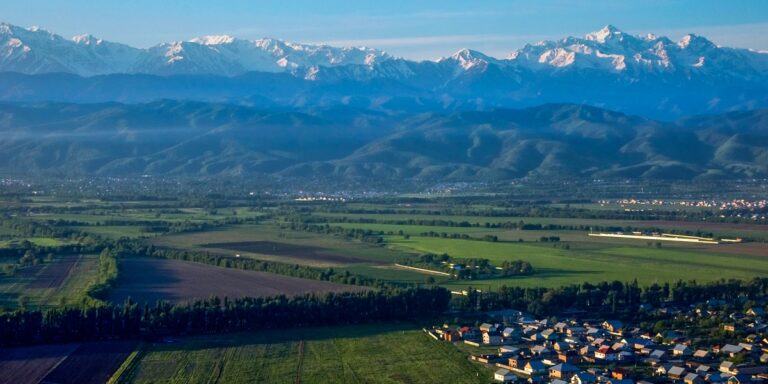
A postcard view: Spanish colonial streets in Suchitoto, a smoking volcano rim, and surfers on black-sand beaches—El Salvador packs surprising contrasts into an area smaller than New Jersey.
Many travelers still overlook this compact Central American country because of its size or past headlines, assuming there isn’t much to see or that logistics will be difficult. In fact, with an area of 21,041 km² and a population of about 6.5 million, El Salvador delivers a lot in a small footprint.
Compact, affordable, and culturally rich, El Salvador offers a wide range of unforgettable experiences—from world-class surf and volcanic hikes to vibrant food and coffee traditions—which together make it a must-visit destination. For practical travelers asking “reasons to visit el salvador,” the answers are immediate: history, nature, food, and easy logistics all add up to outsized travel value.
Culture & History

El Salvador’s history is layered and visible: the pre‑Columbian Cuzcatlán identity, Spanish colonial towns, and living community traditions all overlap in places you can walk through. The country won independence from Spain in 1821, and many restored plazas, churches, and theaters—especially in towns like Suchitoto—make history feel immediate rather than remote.
Visiting museums and community arts spaces helps connect the dots between past and present. Walking historic centers, attending a local festival, and buying crafts from cooperatives turns passive sightseeing into an exchange that supports local culture and provides meaningful context for Salvadoran life.
1. Rich Colonial and Indigenous History
El Salvador’s history is both ancient and visible: the Cuzcatlán identity predates Spanish rule, and colonial-era architecture remains in many towns. Independence came in 1821, and places like Suchitoto—with cobblestone streets, restored theaters, and colonial churches—are walkable, making it easy to absorb historical layers on foot. Museums such as the Museo de la Palabra y la Imagen in San Salvador use oral histories and exhibits to interpret both cultural traditions and the country’s turbulent 20th‑century past, so a guided walk or a museum visit brings deeper understanding rather than abstract facts.
2. Vibrant Festivals and Local Arts
Salvadoran festivals are lively and regionally distinct, from the civic and religious Fiestas Agostinas in early August in San Salvador to weekday market fiestas in small towns. The Ruta de las Flores—Juayúa, Ataco, Apaneca—hosts weekend markets, murals, and music that showcase local artists and cooperatives. Time your trip to coincide with a town festival or a weekend market and you’ll see traditional dance, hear live music, and buy crafts directly from the families who make them.
3. Museums and Living Traditions
Museums in El Salvador prioritize local voices and recent history, offering exhibits on civil conflict, visual arts, and anthropology that make contemporary culture intelligible. The Museo de la Palabra y la Imagen collects oral histories, while smaller community museums and artisan cooperatives in Suchitoto and Ataco let visitors observe weaving, pottery, and storytelling. Book a museum-led walking tour or visit a cooperative to support living traditions and connect with community-led tourism initiatives.
Nature & Adventure
Despite its small size, El Salvador delivers rugged volcanic landscapes, black‑sand beaches, and pockets of cloud forest that appeal to active travelers. With roughly 20 volcanoes, a coastline of about 300 km, and compact protected areas, adventurous days are easy to arrange from coastal towns or the capital. Trails range from steep summit scrambles to short crater‑rim walks, and many popular routes are accessible as day trips with local guides.
4. World-class Surfing and Black-Sand Beaches
El Salvador punches above its weight as a surfing destination: internationally recognized breaks like El Tunco, La Libertad, and Sunzal draw experienced surfers, while gentle points near some beaches are perfect for learners. The coastline’s black sand—a reminder of volcanic origins—frames lively surf towns with surf schools, rental shops, and affordable surf camps that feed local economies. Peak swell seasons run late spring through autumn; beginners will find lessons and longboard-friendly spots around La Libertad and El Tunco.
5. Volcanoes, Hikes, and Scenic Caldera Lakes
Volcán Santa Ana (Ilamatepec) is a flagship hike—its summit reaches 2,381 m and rewards climbers with dramatic crater views and a steaming inner lake. Nearby, Lake Coatepeque sits in a scenic caldera and offers lakeside viewpoints and restaurants for a relaxed afternoon. Trail conditions vary: some climbs are steep and rocky, so hiring a local guide for safety and context is wise; a popular half‑day route is the Santa Ana summit via the well‑marked trail that departs early and returns by midafternoon.
6. Birding and Biodiversity Hotspots
For birders and nature fans, El Salvador supports rich birdlife—over 500 bird species have been recorded—across habitats that include coastal mangroves, dry forest, and cloud forest. Protected areas such as El Imposible National Park and the Montecristo cloud forest offer established trails and guided tours that make wildlife viewing accessible as a day trip. Local conservation groups and community-run ecotourism projects provide knowledgeable guides, improving both visitor experience and habitat protection.
Food, Coffee & Local Communities
Culinary traditions are a direct path into Salvadoran identity: from the ubiquitous pupusa to high‑altitude specialty coffee, food and drink reflect regional soils, family recipes, and community economies. Food-focused travel supports smallholders and vendors, and many experiences—market walks, pupusa tastings, finca visits—are both affordable and immersive. Plan food and coffee visits to include local cooperatives so your spending benefits the people who produce the flavors.
7. Pupusas and a Thriving Street Food Culture
Pupusas—the stuffed corn tortillas filled with cheese, refried beans, pork (revuelta), or loroco—are the national dish and worth a trip on their own. Towns like Olocuilta are famous for pupuserías that serve plates hot from the comal, and San Salvador’s markets offer late‑night stalls and small eateries where locals gather. Tasting pupusas at family-run kitchens and market stalls is cheap, delicious, and communal, and joining a food tour helps you sample regional variations and support neighborhood vendors.
8. Specialty Coffee from the Apaneca Region
El Salvador produces high‑quality specialty coffee from mountain microclimates, and the Apaneca‑Ilamatepec region is a great place to see farm‑to‑cup in action. Book a finca tour around Apaneca or Ataco to watch harvest and wet‑processing, attend cuppings at local roasteries, and sample micro‑lots with tasting notes that range from bright citrus and floral acidity to chocolate and stone‑fruit. Buying single‑origin beans directly from growers supports smallholders and gives you a souvenir linked to the landscape where it was grown.
Practical Reasons & Accessibility
Small size, familiar currency, and improving tourism infrastructure make El Salvador an easy, practical travel choice. The country uses the US dollar (since 2001), and in 2021 Bitcoin was added as legal tender—an unusual policy that has drawn interest but is unevenly adopted in everyday commerce. These practicalities help cut friction from itineraries and let travelers focus on experiences rather than logistics.
9. Compact Size and Short Travel Times
With an area of 21,041 km², El Salvador makes it simple to combine beach, mountain, and cultural stops within a single trip. Shorter transit times mean more day‑trip options and efficient 7–10 day itineraries; a sample mini‑route might be San Salvador for museums, Suchitoto for colonial charm, Apaneca for coffee, and La Libertad for surf. Regional shuttle services and private transfers are common, so moving between highlights is straightforward even on a tight schedule.
10. Affordable Prices and Familiar Currency
The use of the US dollar simplifies budgeting for many visitors, and everyday expenses—meals, local transport, affordable guesthouses—tend to cost less than comparable Western destinations. Bitcoin’s 2021 legal‑tender status is an intriguing experiment, but acceptance varies, so carry small US bills for markets and tips. Prioritize community‑run tours and small vendors to ensure your spending has direct local benefit.
Summary
El Salvador delivers outsized experiences in a compact country: layered culture and history, volcanic landscapes and surf, flavorful food and specialty coffee, and practical travel logistics that reduce friction. From walking Suchitoto’s colonial streets to hiking the 2,381 m summit of Volcán Santa Ana, or tasting pupusas in Olocuilta and touring an Apaneca finca, visitors can mix activities without long transfers. Plan responsibly, book local guides and cooperatives when possible, and aim to leave a direct economic benefit in the communities you visit.
- Surf and beaches: try El Tunco or La Libertad.
- Volcanic hikes: summit Santa Ana (2,381 m) and visit Lake Coatepeque.
- Food and coffee: eat pupusas in Olocuilta and tour a finca in Apaneca.
- Practical plan: pick one region and build a 5–7 day trip mixing two activity types.