Mount Pelée’s dramatic 1902 eruption that destroyed Saint‑Pierre remains one of the most striking episodes in Caribbean history and helped shape Martinique’s jagged coastline and lush interior. The island’s scars and regrowth give it a rugged beauty you won’t find on postcard‑perfect atolls alone.
If your travel list mixes beach time with culture and active days, Martinique rewards both kinds of travelers: French‑Caribbean Creole life, AOC rhum distilleries, calm snorkeling coves and windward surf all sit within short drives. The island is compact — about 1,128 km² — so you can be snorkeling in the morning and hiking volcanic ridges by afternoon.
Here are 8 cool things to do in Martinique that balance beaches, food and culture, and volcanic nature — practical tips included so you can plan times, gear and bookings for each experience.
Beaches and Water Activities
Martinique’s west coast shelters calm coves ideal for snorkeling while the windward east and south deliver surf and long sandy stretches. Water temperatures typically run about 26–29°C, and visibility at top snorkel spots often reaches 10–20 m on calm days. Below are three must‑do water activities with practical tips on timing, rentals and safety.
1. Snorkel with sea turtles at Anse Dufour
Anse Dufour is one of the island’s best shallow bays for spotting sea turtles up close; hawksbill and green turtles commonly graze the seagrass beds here. On calm mornings visibility is typically 10–20 metres, which makes photo‑friendly snorkeling possible without diving gear.
Go early (sunrise–09:30) to avoid tour boats, bring a snug mask and reef‑safe sunscreen, and rent fins or a snorkel set from nearby kiosks in the village. Local guide‑operators based in Anse Dufour or neighbouring Sainte‑Luce offer short guided sessions if you prefer someone to point out the best spots.
2. Relax and swim at Les Salines — Martinique’s postcard beach
Les Salines is the island’s iconic white‑sand beach, stretching roughly 1.5 km of shoreline with shallow, warm water perfect for families and long swims. The broad sand and coconut palms make it a favorite for sunbathing and easy wading.
A simple beach day: arrive by 09:00 to grab shaded parking, rent chairs from a beach stand, stroll the sand, and sample accras or fresh coconut at nearby snack stalls. Expect the busiest hours from 11:00–15:00 and plan shade or an earlier start if you prefer quieter sand.
3. Scuba dive or boat around Diamond Rock (Rocher du Diamant)
Rocher du Diamant is a dramatic offshore volcanic pillar and an outstanding area for dives and boat trips. Nearby dive sites range from shallow reefs to walls, commonly between 10–30 m depth with good visibility (often 15–30 m when conditions are right).
The rock also has a curious history: the British briefly commissioned it as a naval outpost around 1804–1805. Certified divers can join boat dives from Le Diamant; snorkelers can book half‑day boat trips for surface sightings of reef fish, morays and occasional turtles. Local dive shops in Le Diamant and Sainte‑Anne run guided dives and gear rentals.
Culture, Markets and Food
Martinique’s French‑Caribbean Creole culture shines in its bustling markets, rum distilleries and fusion cuisine. Food and markets are often the most memorable parts of a visit — expect bold spices, street snacks and craftwork that reflect both African and French influences.
Below are three cultural experiences — a central market, a distillery tour, and a hands‑on cooking option — with practical hours, cost cues and suggestions for what to taste or buy.
4. Stroll the Fort‑de‑France market for spices, crafts, and street food
Fort‑de‑France’s central market is a sensory highlight, typically busiest from about 06:00–13:00. Stalls sell fresh produce, aromatic piment (hot pepper), colombo spice mixes, baked goods and handmade crafts.
Bring small change and pick up picnic essentials (baguette, salted fish or local cheese, seasonal mango or papaya) for an impromptu beach lunch. Keep bags zipped and close; vendors are friendly and small haggling on craft prices is normal. Look for a stall selling candied fruits or artisanal jams as a take‑home treat.
5. Tour a rum distillery and sample aged agricole rums
Martinique produces rhum agricole with AOC status, meaning the island’s rums follow strict regional specs. Notable distilleries include Depaz, La Mauny and Trois Rivières, each offering tours that explain sugarcane pressing, fermentation and aging.
Tours usually last about 45–90 minutes and cost roughly €6–€15; tastings let you compare young, grassy agricole with older “vieux” rums that show vanilla and oak notes. Book ahead for weekend visits and consider buying a small bottle from the distillery shop as a souvenir.
6. Take a Creole cooking class or street‑food tour
Hands‑on cooking classes or guided street‑food tours teach staples like colombo, accras (salted cod fritters) and boudin créole. Typical classes run 2–4 hours and cost in the ballpark of €50–€90 per person, depending on whether you visit a market first.
Learning a simple Creole recipe makes your next market trip more rewarding and gives you a connection to local cooks. Look for small home‑style classes or market‑plus‑kitchen experiences that cap groups to keep the lesson personal.
Nature and Adventure
Beyond beaches, Martinique’s interior is volcanic, botanically rich and full of hiking options. From summit views to manicured gardens and waterfalls, the island offers active days and scenic drives that showcase its dramatic topography.
7. Hike Mount Pelée for dramatic views (elevation 1,397 m)
Mount Pelée rises to 1,397 m and is both a natural landmark and a site of history because of the 1902 eruption that reshaped the north. The mountain has several routes; popular approaches start from Prêcheur or Morne‑Rouge trailheads.
Expect a 4–7 hour outing depending on route and fitness; terrain ranges from forested switchbacks to rocky summit sections. Pack sturdy boots, layered clothing, at least 2–3 litres of water, and a light rain shell. If you’re unfamiliar with tropical mountain weather, hire a local guide (many half‑day guided hikes run in the €60–€100 range) and check conditions before setting out.
8. Wander Jardin de Balata and chase waterfalls in the north
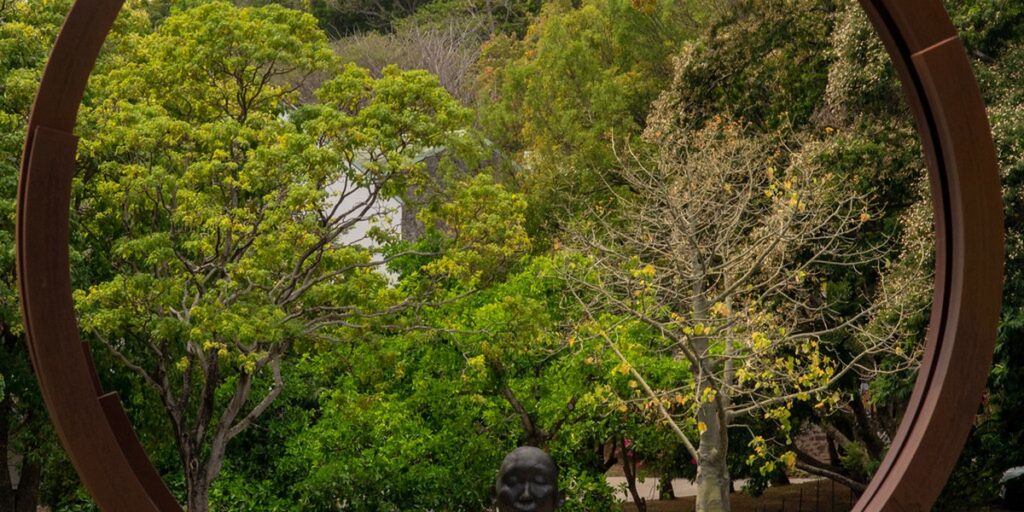
Jardin de Balata is a botanical garden with elevated walkways and dramatic plant displays — a compact way to see tropical species and canopy views near Fort‑de‑France. The garden is generally open daily and entrance fees typically fall in the €13–€15 range.
From the garden it’s an easy drive north to scenic waterfalls such as the Carbet Falls (Les Trois Cascades), which are about 45–60 minutes from Fort‑de‑France. Visit in the morning to avoid frequent afternoon showers and to catch better light for photos, and allow time for the short forest walks to overlooks.
After an active day, balance the itinerary with a relaxed rum tasting or a quiet evening at the beach.
Summary
- Balance your trip: combine calm snorkeling coves (water temps ~26–29°C) with culture and volcanic hikes for a full picture of island life.
- Plan practicalities: market mornings (06:00–13:00), distillery tours (~45–90 minutes, €6–€15), and Mount Pelée hikes (1,397 m; 4–7 hours) require timing and suitable gear.
- Must‑tries: snorkel Anse Dufour for turtles, spend a day at Les Salines, and taste AOC rhum at Depaz, La Mauny or Trois Rivières.
- Book at least one local experience in advance — a distillery tour, cooking class or guided Mount Pelée hike — and pack a snorkel and hiking boots.