Turkmenistan declared independence from the Soviet Union in 1991, then quietly set about shaping a distinct national identity built on energy resources, ancient cities and wide-open landscapes. The country occupies roughly 488,100 km² with a population of about 6 million, a combination that yields large swathes of open land and tight-knit regional communities. For anyone weighing relocation, long-term travel, investment or an expatriate posting, those facts matter: they shape daily life, job markets and the kinds of services you’ll actually find outside capital centers.
This article outlines ten practical advantages—short, concrete reasons why many residents find the country appealing—and highlights where those benefits show up in work, public services, culture and lifestyle. I’ll move through four themed sections covering economy, daily life and services, culture and safety, and environment and infrastructure.
Below you’ll find specific examples (Galkynysh, Turkmengaz, Ancient Merv, Darvaza) and dates (1991, 2009, 2017) that help explain the benefits of living in Turkmenistan without resorting to generalities. Now, let’s begin with how the economy creates opportunity.
Economic and Employment Advantages

Energy resources drive much of Turkmenistan’s public revenue and job creation, and the state’s development choices shape where work can be found. Major hydrocarbon discoveries and state-owned enterprises have underpinned hiring in extraction, pipeline logistics, and large-scale construction projects. Pipeline exports to China began around 2009, and fields such as Galkynysh (one of the world’s largest gas fields) remain central to the national economy. State companies like Turkmengaz manage large programs that employ engineers, technicians and administrative staff, and their activities support downstream service jobs in cities from Turkmenbashy to Ashgabat.
Transit ambitions and visible public investment also create openings for entrepreneurs and skilled workers who can serve logistics, hospitality and construction markets. Below are three concrete ways those broad trends translate into local advantages.
1. Abundant Natural Gas and Energy Sector Jobs
Turkmenistan’s large gas endowment supports a wide array of roles in extraction, pipeline maintenance, processing and administration. The Galkynysh gas field stands out as a major resource, and pipeline shipments to China began in 2009, creating reliable export revenues. State-owned firms such as Turkmengaz are major employers, offering steady public-sector positions that include technical, managerial and support roles.
Those direct jobs also produce indirect work—local suppliers, catering for camps, transport services and housing construction in energy hubs like Turkmenbashy. For professionals in energy and engineering, the sector offers project-based work and institutional stability that many other local industries cannot match.
2. Strategic Location for Regional Trade and Transit
Positioned on the southeastern Caspian and along historic Silk Road routes, Turkmenistan has growing potential as a transit corridor. The Turkmenbashy port on the Caspian serves ferry and freight links, and conceptual projects such as Trans-Caspian corridor initiatives aim to boost east–west flows. Overland freight connections to China and Iran have expanded in recent decades, opening opportunities in customs brokerage, trucking and warehousing.
For residents, that creates business niches: small freight-forwarding firms, local logistics services, and commercial opportunities tied to port activity in coastal hubs. Even where large corridor projects remain conceptual, the existing links provide practical employment and entrepreneurial openings in trade-related services.
3. State-Led Construction Projects and Public Investment
Large public works programs have reshaped urban areas and generated construction employment. A clear example is the 2017 Asian Indoor and Martial Arts Games in Ashgabat, which prompted the city to build sports venues, roads and hotels ahead of the event. New stadiums, visitor accommodations and associated infrastructure required architects, contractors and hospitality staff.
Those public projects produce visible urban renewal and short- to medium-term hiring for local firms and laborers. For people with construction, design or hospitality experience, government-led programs have been recurring sources of contracts and work in recent years.
Cost of Living, Services and Daily Life
Practical daily-life advantages include relatively affordable living in provincial areas, broadly accessible basic services and historical government support for utilities. While Ashgabat offers more international-style amenities and correspondingly higher prices, towns across the regions provide lower housing and food costs and strong community networks. Education and primary healthcare remain widely available in cities, and historically high literacy supports a broad base of public services.
Below are three concrete aspects of daily life that make settling in Turkmenistan manageable and, in many places, pleasantly affordable.
4. Relatively Low Cost of Living Outside the Capital
Provincial towns tend to offer noticeably lower costs for rent, local transport and food staples compared with Ashgabat. Many residents shop at local bazaars for seasonal produce, which keeps grocery bills down, and modest housing outside the capital is both cheaper and often more spacious. The trade-off is fewer international shops and expat-focused services, but newcomers often benefit from stronger neighborhood ties and lower monthly outlays.
If you prioritize affordable housing and a slower daily pace, provincial centers can be a practical choice—especially for families and long-term residents who prefer local markets and community networks over cosmopolitan amenities.
5. Affordable Healthcare and Strong Literacy
Turkmenistan reports a high literacy rate (commonly cited near or above 99%), and public education and basic healthcare services are widely available in urban centers. Institutions like Turkmen State Medical University supply trained personnel, and city hospitals and clinics handle routine care. For many residents, that means straightforward access to primary medicine and reliable public-school options.
For specialized or advanced treatment, expatriates commonly use private clinics where available or plan medical evacuation to regional hubs. Still, the everyday accessibility of doctors, midwives and schoolteachers is a practical advantage for families settling in regional centers.
6. Accessible Public Services and Social Supports
Historically, the state has subsidized utilities such as heating and energy for households, which reduces routine bills for many citizens. Local municipal services—postal, registry offices and neighborhood administration—are predictable in their procedures in regional centers, helping families plan for civic needs. Social pensions and formal supports for retirees and certain households add another layer of day-to-day stability.
Policies can change, so newcomers should check current provisions, but the traditional pattern of subsidized utilities and widely available civic services remains a tangible everyday benefit compared with many higher-cost countries.
Culture, Community and Safety
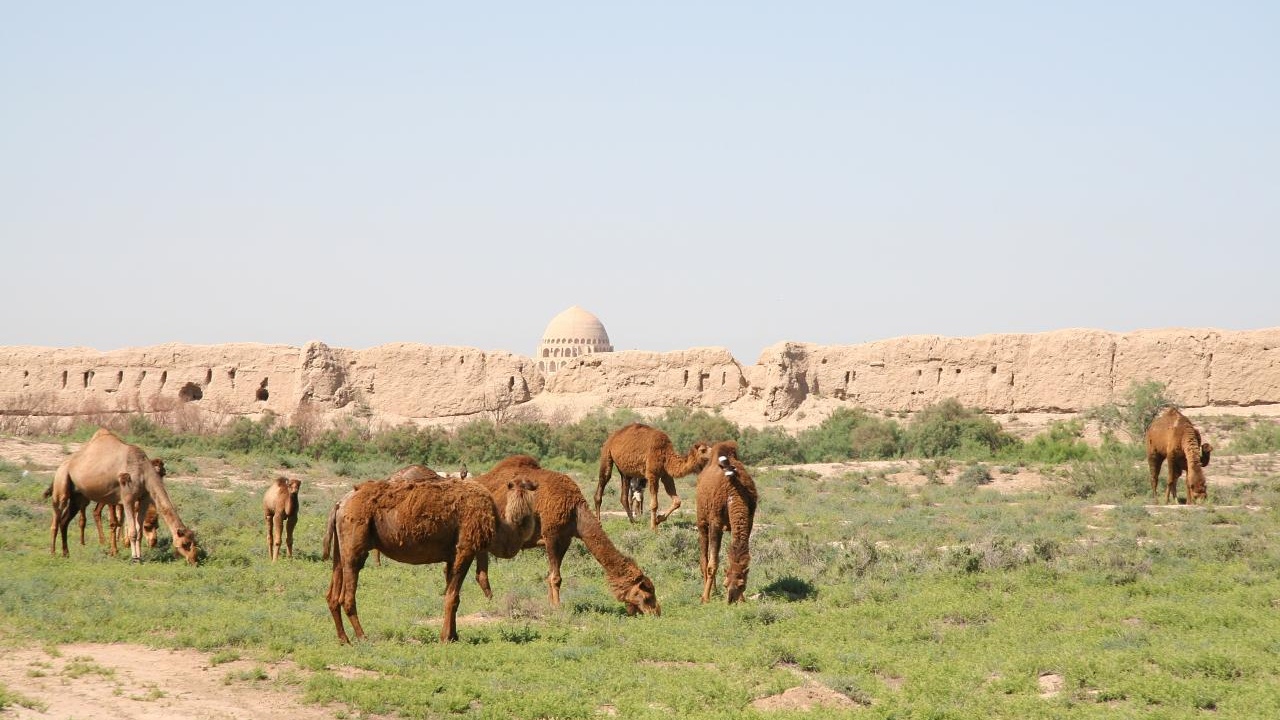
Turkmenistan’s cultural fabric includes strong traditions, distinctive crafts and significant archaeological sites, all of which contribute to a sense of community and practical opportunities for residents. Craft skills such as carpet weaving and the celebrated Akhal-Teke horse breed are daily cultural markers, while sites like Ancient Merv offer deep historical roots—Merv has more than 2,500 years of recorded history and is a UNESCO World Heritage Site. Visitors and residents commonly report low levels of street crime in towns and a strong sense of neighborhood hospitality.
The next three points show how culture, safety and heritage create advantages for people who live here.
7. Strong Cultural Traditions and Community Ties
Hospitality, family networks and traditional crafts shape daily life. Carpet weaving workshops and equestrian traditions tied to the Akhal-Teke horse remain visible across the country, and festivals such as Nowruz bring neighborhoods together for shared meals and performances. Those cultural practices create informal safety nets and social events that newcomers can join—useful for settling in and developing local friendships.
Practical benefits include community-driven support during life events, access to craft markets for supplemental income and numerous small cultural enterprises that welcome participation from residents and visitors alike.
8. Low Crime Rates and a Sense of Safety
Many travelers and residents report low levels of street crime in Turkmen towns and a general sense of safety in residential neighborhoods. While political freedoms are a separate matter, everyday safety—walking streets after dark, leaving small personal items in a car briefly, or children playing in neighborhood courtyards—tends to be described as better than in many larger, denser capitals.
Practical precautions still apply: choose neighborhoods with good lighting, consult local contacts about schools and services, and keep standard travel documents secure. For families, provincial towns often combine affordable housing with comfortable safety levels.
9. Unique Heritage Sites and Tourism Opportunities
Turkmenistan’s historical sites—Ancient Merv (UNESCO World Heritage Site), Kunya-Urgench and the dramatic Darvaza gas crater (the “Door to Hell”)—support niche tourism and local small-business opportunities. Merv’s UNESCO listing encourages preservation projects and attracts researchers and interested travelers, while the Darvaza site draws adventurous visitors looking for unusual natural phenomena.
Residents can benefit directly by offering guiding services, guesthouse stays, craft sales or transport arrangements. For those with hospitality or guiding skills, the country’s distinctive heritage sites provide concrete ways to create local income and build a tourism-related business.
Environment, Lifestyle and Infrastructure
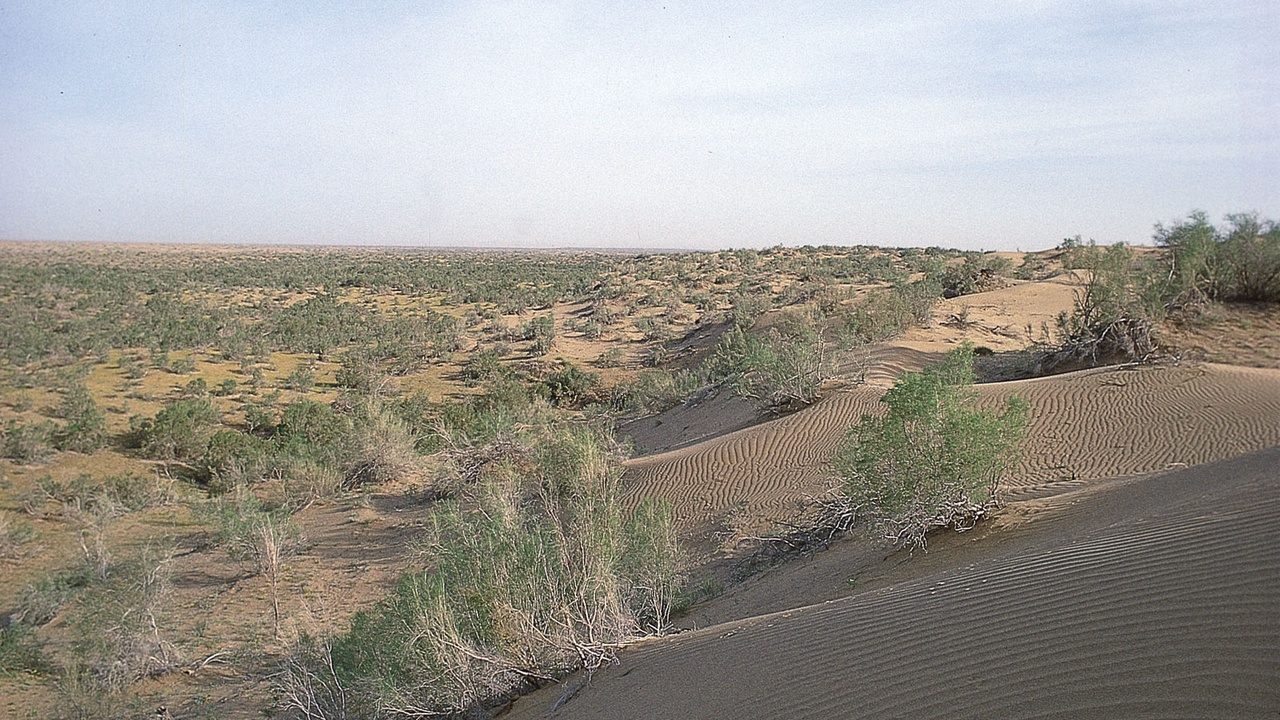
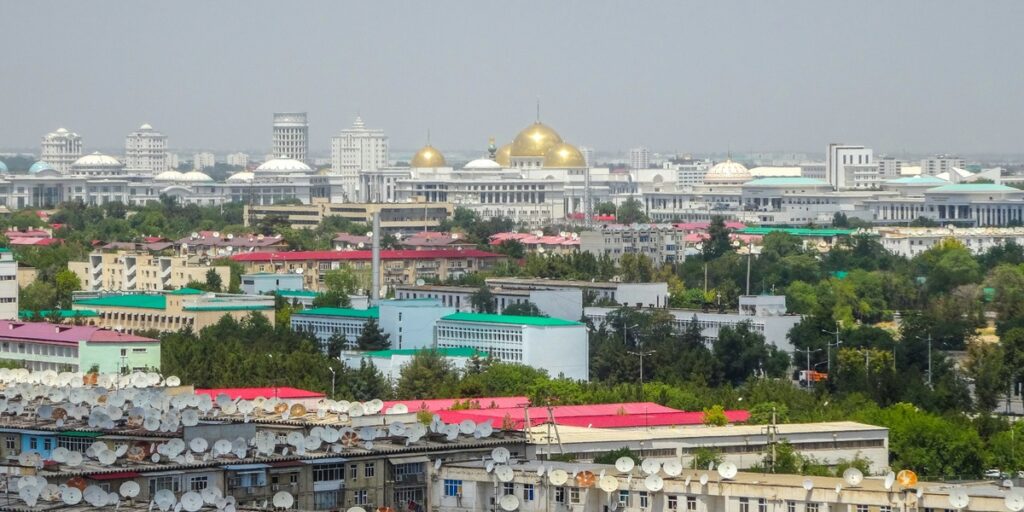
Geography and built environment shape daily pace—Turkmenistan covers approximately 488,100 km² and has a population near 6 million, which implies a low population density of roughly 12 people per km². About 70% of the country is covered by the Karakum Desert, so wide open spaces and clear skies are common. At the same time, Ashgabat’s distinctive white-marble architecture and recent airport upgrades make the capital unusually photogenic and improve internal connectivity for residents and visitors.
Those elements—space, desert access, and improving transport links—support an outdoor-oriented, less crowded lifestyle that many people find restorative. The final benefit sums up how geography and infrastructure together create daily advantages.
10. Wide Open Spaces and an Outdoor-Oriented Lifestyle
Low population density (area ≈488,100 km²; population ≈6 million, roughly 12 people per km²) means residents experience less crowding and easy access to outdoor destinations. Weekends can include drives into the Karakum Desert, visits to ancient ruins like Merv or Kunya-Urgench, or picnics along Caspian coastline near Turkmenbashy. For people who value space and outdoor recreation, that translates into a calmer daily rhythm and straightforward opportunities for weekend exploration.
Ashgabat’s airport and road improvements make internal travel more practical than in past decades, so living in a regional center doesn’t necessarily isolate you from cultural events or national infrastructure upgrades.
Summary
- Energy resources and state projects (Galkynysh, Turkmengaz, pipeline exports since 2009) create stable employment and indirect business opportunities.
- Provincial living is often affordable, with accessible primary healthcare, high literacy and historically subsidized utilities reducing everyday costs.
- Strong cultural traditions (Akhal-Teke horses, carpet weaving, Nowruz) and low reported street crime foster community cohesion and a practical sense of safety.
- Significant heritage sites—Ancient Merv (UNESCO) and the Darvaza gas crater—support niche tourism and small-business opportunities for locals.
- Large area, low population density (≈12 people/km²) and vast open landscapes (Karakum Desert ≈70%) enable an outdoor-oriented, less crowded lifestyle.
If these advantages appeal, consider a short exploratory visit, talk with local contacts or industry specialists, and consult official sources for visas and relocation requirements before making long-term plans.