On August 1, 1960, Dahomey declared independence from France; the country later renamed itself Benin, but many of the monuments and traditions that define its identity date back centuries.
Benin often sits in the shadow of Ghana or Senegal on West Africa itineraries, which keeps visitor numbers lower and makes discoveries feel more personal. With a population of roughly 13 million, the country rewards curious travelers with concentrated history, living religions and landscapes that change fast from coast to savanna.
Benin packs an outsized mix of UNESCO-listed history, living Vodun traditions, West African wildlife, bustling markets, coastal villages on stilts and bold street food—10 compelling reasons to book a trip now. If you’re weighing reasons to visit Benin, the list below highlights the best places to see and the practical tips to get the most from each.
Cultural and Historical Treasures
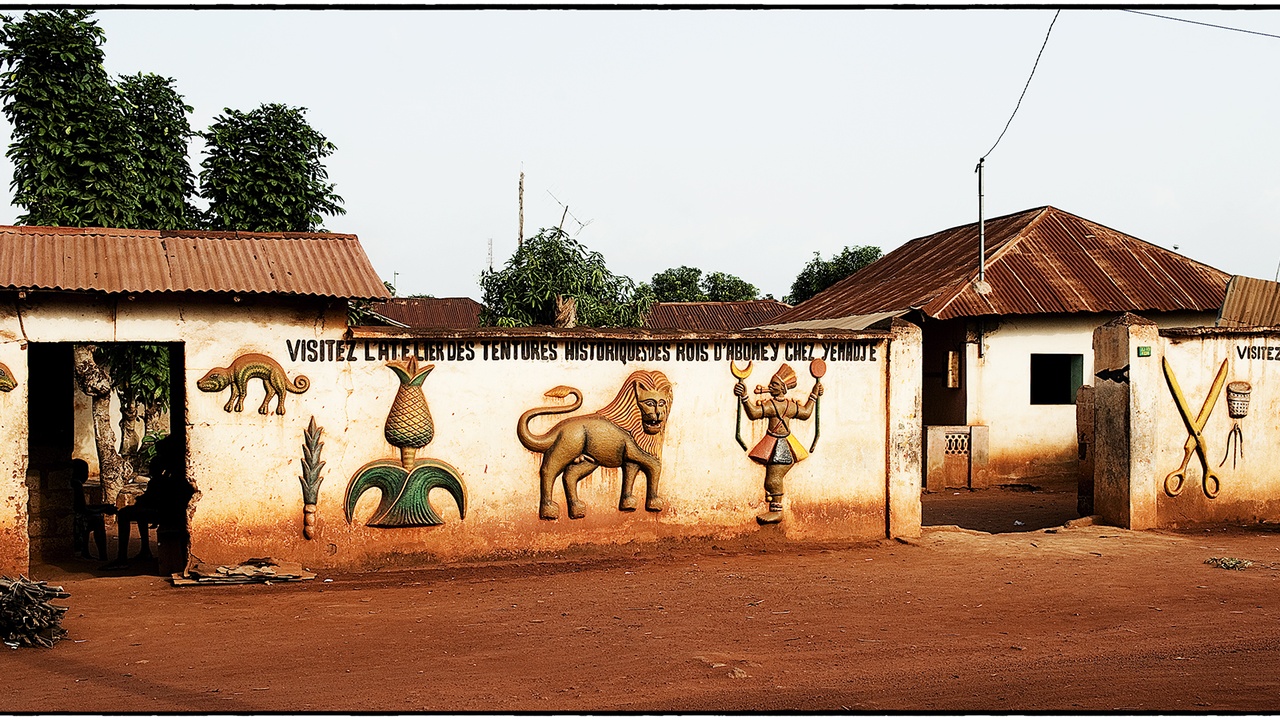
1. Royal Palaces of Abomey (UNESCO World Heritage Site)
The Royal Palaces of Abomey are a UNESCO World Heritage site and a direct window into the Fon kingdom that dominated the region. Built between the 17th and 19th centuries, the twelve palaces were inscribed by UNESCO in 1985 for their historical importance and distinctive bas-reliefs.
Visitors can join a guided tour of the palace compounds to see royal bas-reliefs, tombs and regalia in the on-site museum collection. Aim for a morning visit to avoid midday heat and hire a local guide at the entrance to understand the symbolism behind the murals and carved doors.
2. Ouidah and the Slave Route — history you can walk
Ouidah is a powerful, reflective stop on Benin’s coastline where the Route des Esclaves leads to the Atlantic and the Door of No Return stands as a memorial. The town preserves museums, statuary-lined paths and the Ouidah Museum of History that document the region’s role in the transatlantic slave trade.
Walk the slave route from the Python Temple down to the ocean, pause at the Door of No Return and visit the museum exhibits to place the monuments in context. Dress and behave respectfully at memorial sites, keep voices low during ceremonies, and consider a guided visit timed with a commemoration for fuller interpretation.
3. Living Vodun traditions and vibrant street ceremonies
Vodun is a living, state-recognized religion in Benin, and public Vodun festivals draw thousands in towns such as Ouidah—most notably around January 10 each year. Shrines, temple courtyards and ritual processions are part of everyday cultural life rather than museum relics.
You can attend public ceremonies, visit the Python Temple in Ouidah, and speak with practitioners or museum curators for context. Always ask permission before photographing rituals or sacred objects, follow local guidance on behavior at shrines, and join guided festival walks to gain respectful access to performances and workshops.
Wildlife, Parks and Coastal Villages
4. Pendjari National Park — West Africa safari
Pendjari National Park is one of West Africa’s best places to see large mammals, forming the Beninese arm of the W-Arly-Pendjari (WAP) transboundary reserve. The park is known for elephants, lions, buffalo and a healthy antelope population.
Arrange guided game drives through an accredited outfitter and stay at an eco-lodge on the park edge to access early-morning safaris when animals are most active. The dry season (roughly November–March) concentrates wildlife at waterholes and improves sighting odds; some operators also offer night drives for nocturnal species.
5. Ganvié—’Venice of West Africa’ on Lake Nokoué
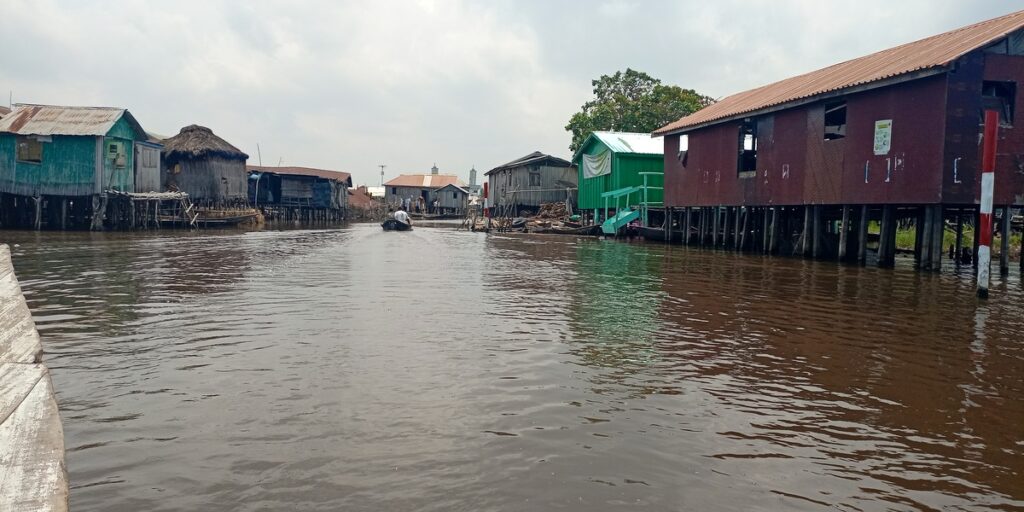
Ganvié is a remarkable stilt village founded centuries ago on Lake Nokoué where thousands of residents live and work on wooden stilts above the water. The community uses pirogues for daily transport, and the market, schools and houses all face the lake.
A morning pirogue tour reveals the floating market, artisanal fishing and boat-building demonstrations; hire a local boatman for a half-day excursion so you can visit craft stalls and meet families. Bring sun protection and small local-currency notes for purchases at community-run stalls.
6. Beaches and quiet coastal towns—Grand-Popo and beyond
Benin’s coastline is low-key and atmospheric, with calm beaches, fishing villages and coastal lagoons rather than crowded resort strips. Grand-Popo offers a relaxed vibe, lively market life and sunset walks along sandy shores.
Sample grilled fish at a beachside stall, stroll the fishing piers at dusk, or choose a simple guesthouse for a few nights to watch birdlife in nearby lagoons. Coastal towns are ideal for slow travel, local seafood and meeting fishermen who still work from traditional pirogues.
Markets, Crafts and Everyday Culture
7. Dantokpa Market—one of West Africa’s busiest open-air markets
Dantokpa in Cotonou is a sprawling, multi-block market with thousands of stalls and a dizzying variety of goods, from fresh fish and produce to electronics and textiles. It’s an essential stop for anyone interested in daily Beninese commerce and cuisine.
Go early to avoid heat, keep valuables secure and consider hiring a local guide to help navigate the alleys and negotiate prices. Look for sections dedicated to wax prints, spices and street snacks—try a small sampling from vendors to get a sense of flavor combinations.
8. Handicrafts and textiles—collect unique keepsakes
Benin is an excellent place to buy handmade textiles and traditional crafts: hand-dyed cloth (adire-style indigo), vibrant wax prints and brass or bronze castings from regions around Abomey. Wood carving and ceremonial masks are also common in markets and workshops.
Buy ethically by asking about provenance, choosing cooperative-run stalls, or visiting village workshops to see bronze casting and batik techniques firsthand. Purchasing directly from artisans supports local economies and gives you the story behind a piece.
Food, Festivals and Practical Travel Reasons
9. Beninese cuisine—bold flavors and street-food culture
Beninese food is hearty, palm-oil-forward and especially seafood-rich on the coast. Signature items include pâte or akassa (starchy dough), wagasi (a local cow’s-milk cheese), grilled fish and spicy stews seasoned with local peppers and palm oil.
Try grilled fish with piment at a beachside grill, sample wagasi at a market stall and taste stews served with pâte at family-run eateries. Expect smoky, tangy and spicy notes; markets like Dantokpa are great for casual tastings and discovering regional ingredients.
10. Festivals, friendly locals and improving accessibility
Festivals—especially Vodun events in Ouidah—and warm hospitality make travel in Benin rewarding, and logistics are becoming easier for visitors. Cotonou (Cadjehoun) is the main international and regional gateway, and community-run guesthouses and eco-lodges have increased in recent years.
Plan trips around festival dates if you want to attend public ceremonies, and book accommodation early for busy windows like the Ouidah Voodoo Festival in January. Hiring local guides for walking tours, market visits or safaris amplifies experiences while supporting small businesses.
Summary
- UNESCO-listed sites such as the Royal Palaces of Abomey and Ouidah’s Door of No Return offer direct access to kingdom and coastal histories.
- Pendjari’s place in the WAP reserve makes it a rare West African safari opportunity, while Ganvié’s stilt village provides a unique waterborne community experience.
- Dantokpa market, local crafts (adire, wax prints, bronze work) and bold coastal food create hands-on cultural moments for shoppers and food lovers.
- Living Vodun traditions, welcoming communities and improving transport through Cotonou mean authentic cultural encounters are accessible with simple planning.
- Put these ten compelling reasons to visit Benin on your radar—book around festivals or the dry-season safaris to get the most from a culturally rich, off-the-beaten-path trip.