Wales is scattered with remnants of medieval life — castles, abbeys and fortified houses that mark battles, trade routes and changing borders. Many sit on cliffs, hilltops or tucked into farmland, offering short walks and a lot of history without the crowds of major tourist sites.
There are 31 Ruins in Wales, ranging from Aberystwyth Castle to White Castle. For each entry you’ll find below the data organized by County, Era / type, Access & coords so you can quickly see where a site is, what period or kind of ruin it is, and how to get there.
How can I use this list to plan a visit?
Use the County and Access & coords columns to map nearby sites and estimate travel; the Era / type column helps set expectations (e.g., a motte-and-bailey vs. a ruined abbey). Before you go, check local access notes, parking and walking distances, and combine close sites into a single day if possible.
Are the ruins generally open to the public and safe to explore?
Access varies — some ruins are on public land or managed by Cadw/National Trust, others sit on private property or require a short walk over fields; check the Access & coords details and local signage. Always respect barriers, unstable masonry and conservation rules, and wear appropriate footwear for uneven terrain.
Ruins in Wales
| Name | County | Era / type | Access & coords |
|---|---|---|---|
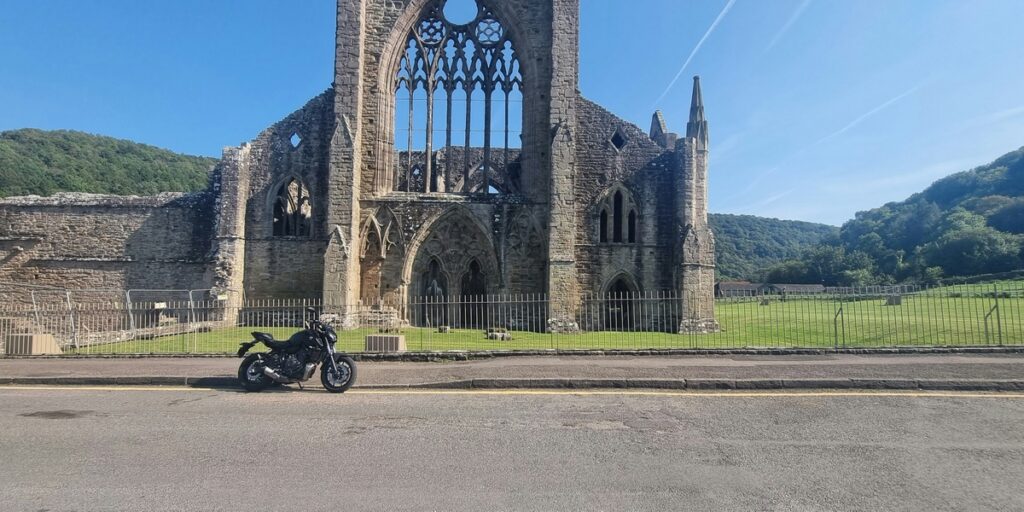
| Tintern Abbey | Monmouthshire | Medieval abbey | Open to public; 51.7110,-2.7080 |
| Raglan Castle | Monmouthshire | Late medieval castle (ruin) | Open to public; 51.7460,-2.8340 |
| Chepstow Castle | Monmouthshire | Norman castle (partially ruined) | Open to public; 51.6420,-2.6730 |
| Valle Crucis Abbey | Denbighshire | 13th-century abbey (ruin) | Open to public; 52.9570,-3.1370 |
| Strata Florida Abbey | Ceredigion | 12th-century Cistercian abbey (ruin) | Access from car park; 52.1396,-3.8196 |
| Neath Abbey | Neath Port Talbot | 12th-century abbey (ruin) | Open to public; 51.6596,-3.8078 |
| Basingwerk Abbey | Flintshire | 12th-century abbey (ruin) | Open to public; 53.2875,-3.1667 |
| St Dogmael’s Abbey | Pembrokeshire | 12th-century priory (ruin) | Open to public; 52.0856,-4.7248 |
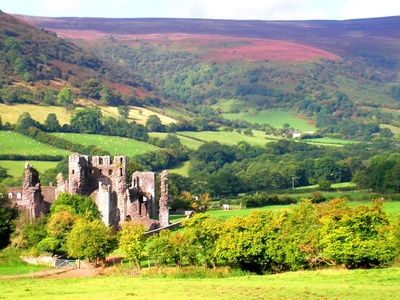
| Llanthony Priory | Monmouthshire | 12th-century priory ruins | Open to public; 51.8426,-3.1189 |
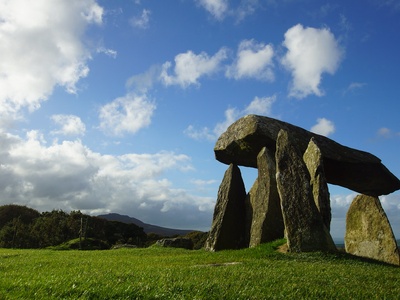
| Pentre Ifan | Pembrokeshire | Neolithic chambered tomb | Open to public; 51.8740,-4.6950 |
| Bryn Celli Ddu | Isle of Anglesey | Neolithic passage tomb | Open to public; 53.2050,-4.2890 |
| Caerleon Roman Fortress & Baths | Newport | Roman fortress and baths | Public access; 51.5970,-2.9950 |
| Segontium Roman Fort | Gwynedd | Roman fort (ruins) | Open to public; 53.1470,-4.2810 |
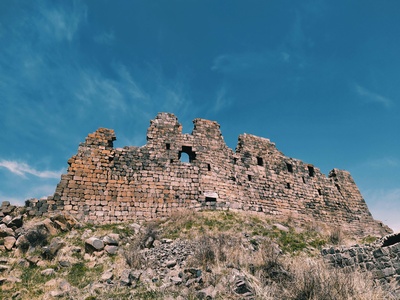
| Carreg Cennen Castle | Carmarthenshire | Medieval castle ruin | Open to public; 51.9040,-4.0560 |
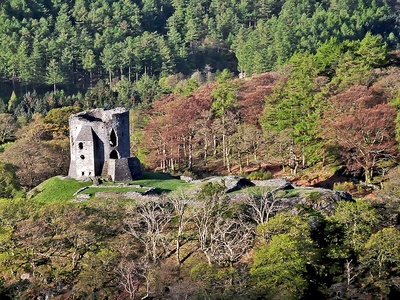
| Dolbadarn Castle | Gwynedd | 13th-century castle ruin | Open to public; 53.1020,-4.1110 |
| Castell Dinas Bran | Wrexham | Medieval hilltop castle ruin | Open to public; 52.9150,-3.1790 |
| Harlech Castle | Gwynedd | 13th-century castle (fortress) | Open to public; 52.8576,-3.3124 |
| Tomen y Mur | Gwynedd | Roman fort (earthworks) | Open to public; 52.6615,-4.1660 |
| Blaenavon Ironworks | Torfaen | Industrial 19th C ironworks (ruins) | Open to public; 51.7870,-3.0660 |
| Usk Castle | Monmouthshire | Norman/medieval castle (ruin) | Open to public; 51.7020,-2.9030 |
| Ogmore Castle | Bridgend | Medieval castle ruin | Open to public; 51.4960,-3.6030 |
| Skenfrith Castle | Monmouthshire | Norman castle (ruin) | Open to public; 51.8120,-2.7780 |
| Conwy Castle | Conwy | 13th-century castle (largely intact) | Open to public; 53.2830,-3.8290 |
| Criccieth Castle | Gwynedd | Medieval coastal castle ruin | Open to public; 52.9225,-4.2106 |
| Caernarfon Castle | Gwynedd | 13th-century castle (UNESCO) | Open to public; 53.1398,-4.2760 |
| Aberystwyth Castle | Ceredigion | 13th-century castle ruins | Open to public; 52.4158,-4.0824 |
| Kidwelly Castle | Carmarthenshire | Norman/medieval castle (ruin) | Open to public; 51.7250,-4.2680 |
| St Mary’s Church Ruins, Llanfair-yn-Neath | Neath Port Talbot | Medieval church ruins | Open to public; 51.6670,-3.8020 |
| White Castle | Monmouthshire | Medieval marcher castle ruins | Open to public; 51.8050,-2.7830 |
| Tretower Court & Castle (ruin remains) | Powys | Medieval manor house and castle ruins | Open to public; 51.9830,-3.0680 |
| Beaumaris Castle | Isle of Anglesey | 13th-century castle (partially intact) | Open to public; 53.2680,-4.1390 |
Images and Descriptions
Tintern Abbey
Ruined Cistercian abbey founded 1131, set in the Wye Valley. Striking vaulted walls and cloisters remain amid scenic riverside grounds. Good visitor facilities, on-site information panels, popular for photography and gentle riverside walks.
Raglan Castle
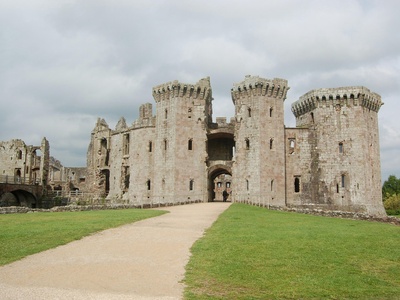
Impressive 15th-century stone mansion-fortress with great hall, gatehouse and concentric defenses. Largely roofless but dramatic; excellent interpretation by Cadw. Hilltop walks and parking nearby; evocative of the Wars of the Roses era.
Chepstow Castle
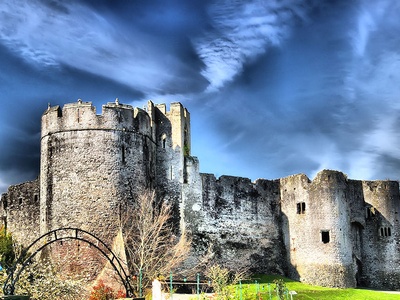
One of Britain’s oldest Norman fortresses with multiple levels and ruined towers overlooking the Wye. Mix of preserved and ruined fabric; riverside location, easy town access, informative displays and good views of surrounding countryside.
Valle Crucis Abbey
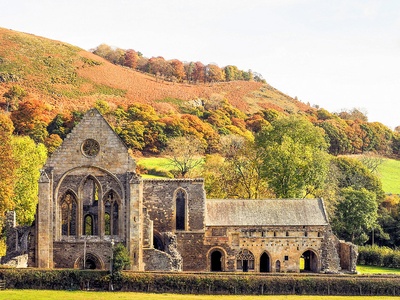
Romantic ruins of a Cistercian house founded 1201 near Llangollen. Intact arches, cloister fragments and riverside setting create atmospheric remains. Small car park and short walk; quiet, moody site popular with history walkers.

Strata Florida Abbey
Important medieval Welsh monastic complex with visible stone walls, graveslabs and traces of ecclesiastical layout. Remote upland setting near the Teifi valley; interpretation panels and tranquil picnic spots; steep approaches in places.
Neath Abbey
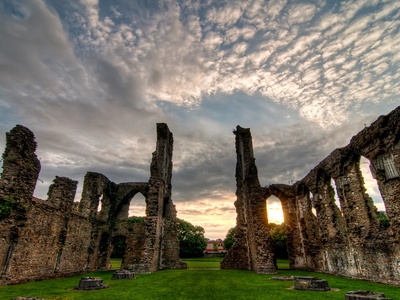
Atmospheric ruins combining medieval abbey remains with later industrial structures. Tall walls and arched windows stand amid parkland near Neath town. Good for combined industrial-and-religious history visits with onsite signage.
Basingwerk Abbey
Riverside ruin near Greenfield featuring stone walls, cloister footprints and pretty riverside walks. Quiet site with easy access, ideal for short heritage stops en route to nearby coastal attractions.
St Dogmael’s Abbey
Small but evocative Augustinian priory near the Preseli hills. Intact masonry and grave markers remain in a peaceful rural setting; on-site interpretation and village parking make this a calm, historic stop.
Llanthony Priory
Striking ruin set in the remote Vale of Ewyas with soaring Gothic arches and picturesque decay. Popular with walkers and artists, limited facilities, uneven ground and scenic upland routes nearby.
Pentre Ifan
Dramatic dolmen with a massive capstone balanced on slender uprights, dating to c.3,500–3,000 BCE. Easy roadside access and short walk; excellent example of prehistoric burial architecture and very photogenic at sunrise.
Bryn Celli Ddu
Well-preserved passage grave on Anglesey with reconstructed cairn edges and intact burial chamber. Helpful interpretation explains ritual astronomy and prehistoric life; small site with easy access and nearby parking.
Caerleon Roman Fortress & Baths
Extensive Roman remains including amphitheatre, barracks traces and well-preserved baths complex. Museum displays and guided tours explain legionary life; town parking and good visitor infrastructure make it family-friendly.
Segontium Roman Fort
Roman fort above Caernarfon offering visible stone foundations, ditches and commanding views. Accessible on foot from town; informative panels detail Roman occupation of northwest Wales and local archaeology.
Carreg Cennen Castle
Perched atop a limestone outcrop with dramatic keep ruins and cave beneath, this 13th-century fortress offers spectacular panoramas. Steep climb, uneven ground and limited facilities reward visitors with dramatic photography opportunities.
Dolbadarn Castle
Compact but evocative Llywelyn-era stronghold beside Llanberis, with a tall round tower and excellent views of Llyn Padarn. Easy walk from village, interpretation panels, often included on Snowdonia heritage trails.
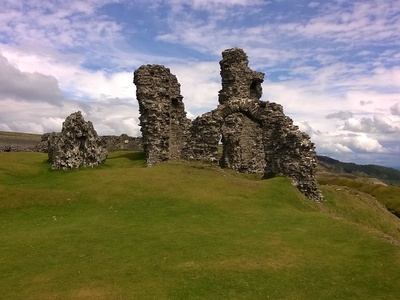
Castell Dinas Bran
Dramatic ruins on a wooded crag above Llangollen; evocative medieval remains and panoramic Dee Valley views. Rough paths and stiles lead to the site; popular with hillwalkers and photographers.
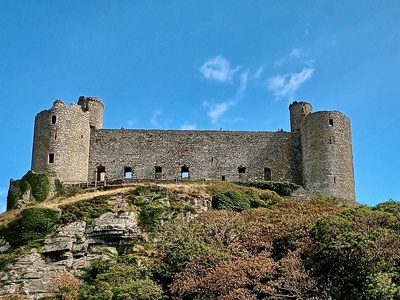
Harlech Castle
Iconic Edwardian fortress set on a rocky ridge with grand walls and towers, part of the UNESCO Castles and Town Walls of King Edward. Largely intact but fortress atmosphere remains; excellent visitor facilities and viewpoints.
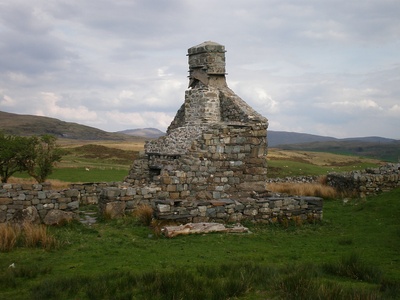
Tomen y Mur
Well-defined Roman earthwork fort with visible ditches and ramparts in isolated moorland. Sparse signage, scenic walks, and a strong sense of antiquity; bring good footwear and expect exposed weather conditions.
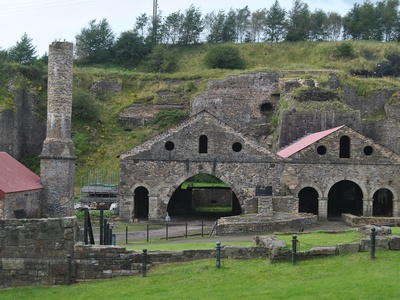
Blaenavon Ironworks
Part of the Blaenavon Industrial Landscape (UNESCO) with blast furnaces, workshops and dramatic ruined structures. Museum and guided tours explain industrial processes; excellent for industrial archaeology and family visits.
Usk Castle
Historic motte-and-bailey with ruined walls overlooking Usk town. Gardened castle grounds host events and offer views of the river valley; close to town amenities and pleasant riverside walks.
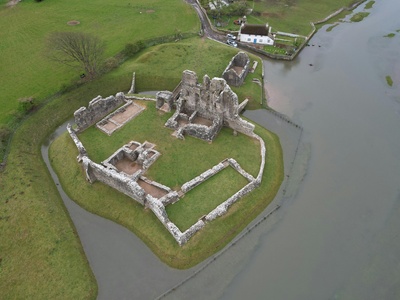
Ogmore Castle
Small coastal castle ruin by the River Ogmore with ruined curtain walls and a picturesque riverside setting. Easy to visit from Merthyr Mawr or Bridgend; peaceful picnic spot with beach access nearby.
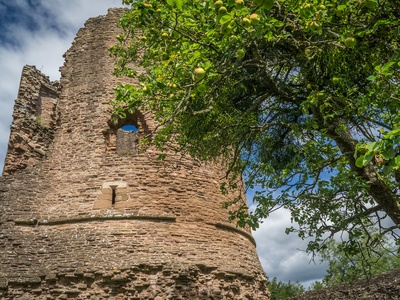
Skenfrith Castle
Modest marcher castle with gatehouse and curtain wall remains in an attractive riverside village. Part of the Three Castles site; gentle walks connect Skenfrith with nearby Grosmont and White Castle ruins.
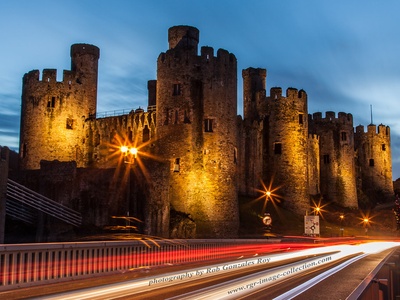
Conwy Castle
Spectacular medieval fortress with towering walls and walkable battlements. While largely preserved, sections convey ruinous scale and history. Great visitor facilities, town amenities and north Wales coastal views make it a must-see.
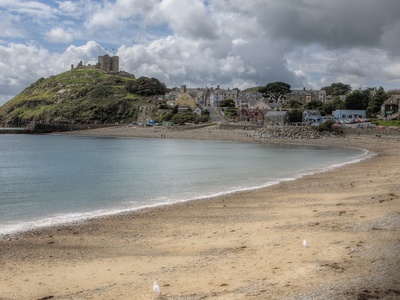
Criccieth Castle
Picturesque twin-towered ruin on a headland with sweeping sea views and ruined curtain walls. Coastal walks, beach nearby and accessible town centre facilities; excellent for sunset photography and historic coastal defences study.
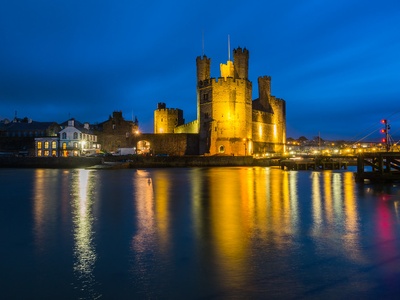
Caernarfon Castle
Monumental royal castle with impressive polygonal towers and large surviving fabric. Though well-preserved rather than a ruin, it presents medieval military architecture; visitor centre, town amenities and links to Welsh history.
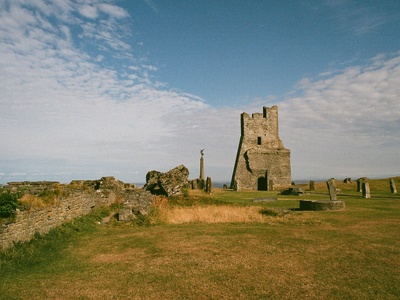
Aberystwyth Castle
Seafront ruin set on a rocky promontory with fragmentary walls and great estuary views. Easy town access, promenade and nearby amenities; evocative of medieval coastal defences and seaside Victorian promenading.
Kidwelly Castle
Well-preserved medieval stronghold with towers, gatehouse and inner court, partially ruined but largely standing. Good interpretation, accessible paths and occasional events; sits beside the river in a compact historic town.
St Mary’s Church Ruins, Llanfair-yn-Neath
Atmospheric church ruins with surviving walls and carved stonework, adjacent to Neath Abbey parkland. Quiet, easily reached site that complements visits to larger nearby medieval ruins and industrial heritage sites.

White Castle
Part of the Three Castles ensemble with earthworks, masonry fragments and broad defensive ditches. Remote rural setting with informative panels; combines well with visits to Skenfrith and Grosmont.
Tretower Court & Castle (ruin remains)
Distinctive ruined medieval courtyard castle adjacent to a well-preserved manor house. Ruined curtain walls and defensive earthworks offer insights into medieval domestic and military architecture; scheduled monument with guided access.
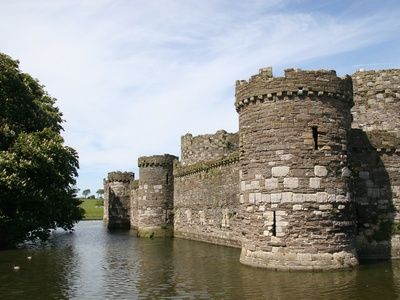
Beaumaris Castle
Ambitious concentric 13th-century fortress; significant surviving curtain walls and towers though some areas remain ruinous. UNESCO-listed with good visitor facilities and waterside location; excellent example of formal castle design.