For centuries Bahrain’s identity was shaped by the pearl boom: a pearling economy that structured work, social status, and everyday ritual until the industry collapsed in the 1930s. That shock didn’t erase the songs, the boat-building skills, or the neighborhood networks that grew around diving seasons; instead, those practices folded into civic life and museum displays, and they surface at festivals and family gatherings to this day. For a country of about 1.7 million people, these habits matter because they explain how people meet, celebrate, and negotiate — from the majlis where disputes are aired to Ramadan iftars that stitch communities together. The piece below explains 10 important traditions in Bahrain and shows how each shapes community life. The article is organized into four broad categories — family and social customs; religious and festive traditions; maritime and trade heritage; and arts, music & cuisine — and will look at three traditions in each of the first two categories and two in the last two.
Family and Social Customs

Family structures and hospitality form the backbone of social life in Bahrain. Everyday encounters often revolve around the majlis, the formal reception room where elders host guests, and around rituals such as serving gahwa (Arabic coffee) with dates. Weddings and other life‑cycle events are multi‑day affairs that circulate food, music, and favors, reinforcing ties and local economies. Together, these practices sustain networks of support and local governance. Below are three central customs that illustrate how social life is organized.
1. Majlis: Community Conversation and Decision-Making
The majlis is a cornerstone of Bahraini social life: a designated reception space in many homes and neighborhood centers where people gather to talk, tell stories, and settle disputes. In towns like Muharraq and older districts of Manama, a neighborhood majlis can double as an informal council where elders advise on family matters or where local shopkeepers and businesspeople seek counsel before formal deals.
Beyond private homes, public majalis host politicians, academics, and religious figures for discussion, so the room functions as a civic forum as well as a hospitality space. Cross‑generational exchange is common: grandparents pass down memories while younger people raise practical questions about work, school, and marriage.
2. Honoring Guests: Hospitality and Gahwa Rituals
Greeting guests with gahwa and dates is a ritual of respect in Bahrain. Hosts roast and brew lightly spiced coffee, pour it into small cups, and serve dates on a tray; the offering signals welcome and sets a tone of courtesy. Traditionally, a host may pour two or three small cups per guest during an informal visit, each pour accompanied by polite gestures and brief conversation.
Gahwa appears at weddings, funerals, Ramadan iftars, and business meetings alike. Courtship visits and formal calls still center on this exchange: elders sit in the majlis, guests are offered coffee first, and seating order often reflects social protocols. The ritual keeps encounters orderly and respectful across generations.
3. Wedding Customs: Zaffa, Henna, and Multi-Day Celebrations
Bahraini weddings are elaborate social rituals that bind families and energize local businesses. Typical elements include a henna night for the bride (and often close women relatives), a zaffa — a musical procession led by drummers and reed players — and several days of visiting and feasting that bring entire kin networks together.
Weddings sustain tailors, caterers, musicians, and photographers; large celebrations often draw extended family across multiple days and neighborhoods. Traditional instruments such as the mirwas drum and the oud surface in processions, even as modern elements (live bands, televised segments) mix with older customs to create vibrant, hybrid events.
Religious and Festive Traditions

Religious observances and national festivals punctuate the Bahraini calendar, creating cycles of charity, public ceremony, and shared celebration. Ramadan and the Eids bring daily rhythms of fasting and feasting; Muharram and Ashura are observed with majalis and processions in many neighborhoods; and National Day (December 16) has grown into a civic spectacle. These events mix ritual meaning with social effects such as food distribution, communal prayer, and public concerts.
4. Ashura and Muharram: Commemoration and Processions
Muharram is the first month of the Islamic calendar, and Ashura — observed on the 10th day — is marked in Bahrain with communal gatherings, recitations, and processions. Neighborhood majalis host readings and elegies that preserve collective memory, while processions in cities like Manama and Muharraq create visible public solidarity.
These observances function as social glue: people check on one another, offer food and water to participants, and use the shared calendar to coordinate care. The rituals emphasize remembrance and mutual support rather than political division, and they draw cross‑generational participation in public spaces.
5. Eid al-Fitr and Eid al-Adha: Charity, Feasting, and Family
Eid al‑Fitr and Eid al‑Adha are times of communal prayer, family reunions, and organized charity. Many Gulf countries observe a three‑day Eid holiday period, and Bahrain follows similar rhythms: morning prayers in large mosques, visits to relatives, and collective meals. Charity is central — zakat during Ramadan and meat distribution programs linked to qurbani at Eid al‑Adha.
Community groups and mosques often organize iftar‑style dinners and meat‑distribution drives that can serve hundreds of people, helping ensure that seasonal abundance reaches less fortunate households. These practices reinforce social responsibility while creating joyful public routines.
6. National Day and Modern Public Celebrations
Bahrain National Day (December 16) has become a major civic ritual, complete with fireworks, concerts, and parades. Modern spectacles such as the Bahrain Grand Prix — first held in 2004 at Sakhir — now coexist with older celebrations, drawing tourists and local audiences into a packed calendar of street fairs and cultural programming.
These events boost tourism and civic pride while providing a platform for traditional arts to reach wider audiences. During Formula One weekends, for example, cultural showcases often feature music, food stalls, and exhibitions that reconnect modern audiences with heritage practices.
Maritime, Pearl and Trade Heritage
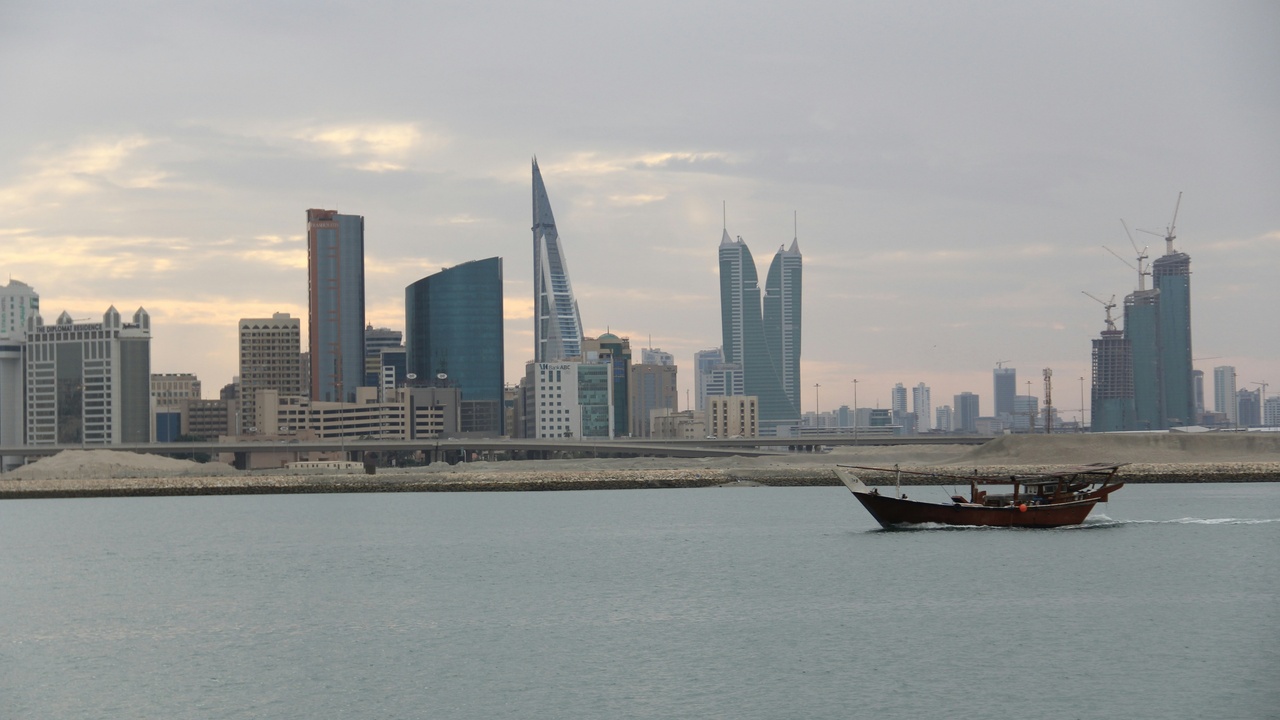
Bahrain’s maritime history stretches back to the Dilmun era and continued through centuries of pearling and dhow trade. Pearling structured social life until the 1930s, and archaeological sites like Qal’at al-Bahrain (inscribed by UNESCO in 2005) and the Pearling, Testimony of an Island Economy serial site (inscribed 2012) testify to that past. Seafaring practices inform festivals, music, and crafts across coastal towns.
7. Pearl-Diving Legacy: From Livelihoods to Cultural Memory
Pearling once dominated Bahrain’s economy; its collapse in the 1930s reshaped livelihoods but left a deep cultural afterlife. Songs sung by pearl divers, stories about seasonal voyages, and the physical Pearl Trail sites preserve that memory. The Pearling Trail’s 2012 UNESCO inscription helped consolidate conservation and interpretation efforts across the island.
Today, museums and cultural festivals stage pearl‑diving songs and exhibits that teach younger generations about the work and its rhythms. Those performances do more than entertain: they anchor identity, inform museum narratives, and invite visitors to connect with an industry that once defined the island’s fortunes.
8. Traditional Dhows and Seafaring Crafts
Dhows and boatbuilding are tangible links to Bahrain’s maritime past. Craftspeople in coastal communities still practice traditional construction techniques, shaping planks and stitching hulls in ways passed down for generations. Dhow‑building in places like Muharraq supports local craft economies and keeps seafaring knowledge alive.
Revival workshops, dhow displays at festivals, and occasional races draw tourists and locals alike. These activities support cultural tourism and offer apprenticeships for young artisans, ensuring that practical skills and seafaring stories remain part of everyday life.
Arts, Music and Cuisine
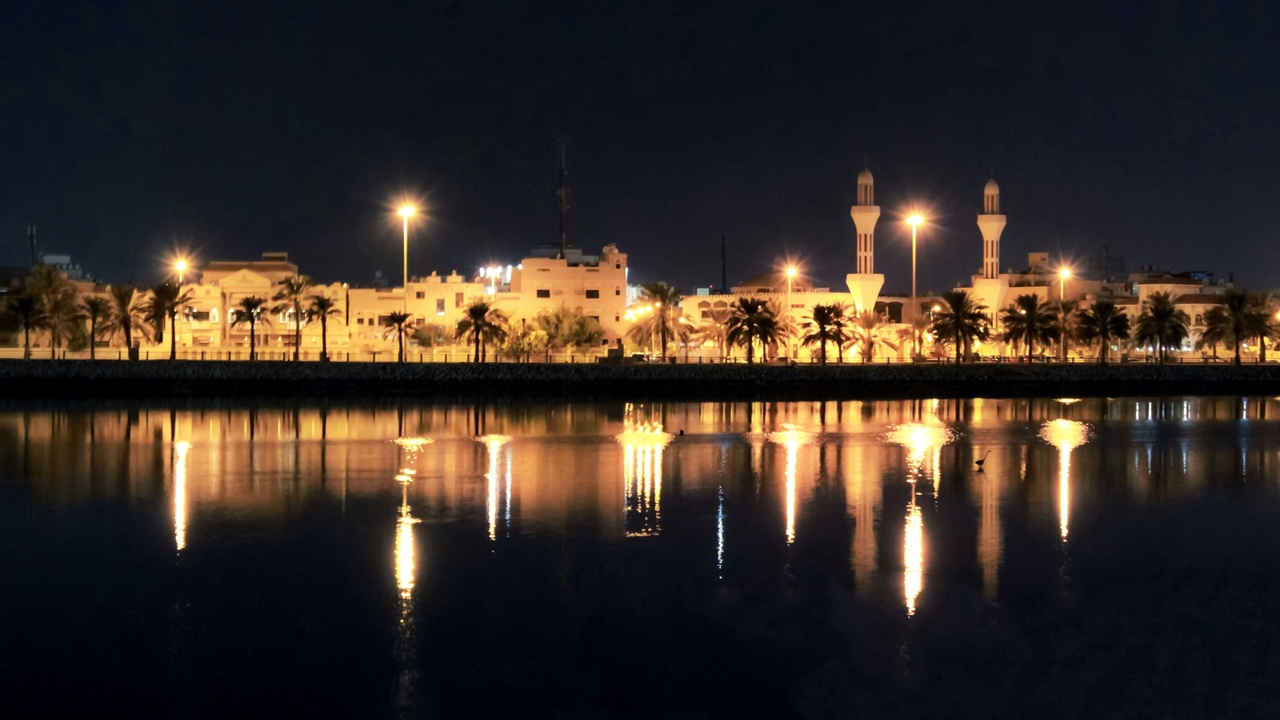
Music, dance, and food carry memory and identity in Bahrain. Musical forms such as Fijiri (the pearl‑divers’ repertoire) and Liwa (with African influences) convey maritime histories, while instruments like the oud and mirwas drum accompany weddings and festivals. Cuisine — from machboos to dates and gahwa — shows up in daily life and at religious celebrations, adapting while remaining recognizably local.
9. Music and Dance: Fijiri and Liwa Performances
Fijiri songs, born on pearl boats, and Liwa dance, reflecting African‑Gulf exchange, remain living traditions. Performers use the oud, mirwas, and hand percussion to mark weddings, cultural nights, and heritage festivals. Fijiri pieces recall the rhythms of the sea, while Liwa features energetic dancing and call‑and‑response drumming.
Community festivals in Manama and Muharraq often program these performances, and schools sometimes invite musicians to teach students about maritime history through song. The continuity of these forms keeps maritime memory audible in public life.
10. Food Traditions: Machboos, Dates, and Ramadan Iftars
Cuisine is a daily expression of identity in Bahrain. Machboos — spiced rice cooked with meat or fish — is a signature comfort dish served at family tables and restaurants across Manama. Dates and gahwa remain central to hospitality, appearing at morning visits and after prayers.
During Ramadan, communal iftars organized by mosques and charities can serve hundreds, reinforcing social solidarity. Local restaurants revive traditional recipes, street vendors sell seasonal sweets, and shared meals link religious observance with neighborhood life.
Summary
- Traditions bind community life: majlis hospitality, gahwa rituals, and multi‑day weddings keep social networks active and provide informal governance.
- Maritime and pearling heritage (remembered through songs, the Pearling Trail — UNESCO 2012, and Qal’at al‑Bahrain — UNESCO 2005) anchor music, crafts, and festival programming.
- Religious and civic calendars shape public rhythms: Ramadan iftars, Muharram majalis, and National Day events coexist with modern spectacles like the 2004 Bahrain Grand Prix.
- Living arts and food traditions (Fijiri, Liwa, machboos) adapt to new audiences while continuing to teach history and sustain local economies.
- Experience these practices responsibly: visit heritage neighborhoods, attend a cultural event, or tour the Pearling Trail to learn about Bahrain’s layered cultural practices.