
The scars of the Troubles still shape city streets two decades after the Good Friday Agreement (1998). Belfast, Derry/Londonderry and other urban centres carry historical wounds that influence where violence, antisocial behaviour and organised crime surface. For anyone planning travel, weighing a move, or following local policy, these patterns matter: they determine which neighbourhoods need targeted policing, where community projects can make a difference, and what practical precautions residents and visitors should take. This piece argues that, even now, five cities stand out for relatively higher levels of harm driven by a mix of legacy divisions, socio-economic pressure and specific local dynamics. Below I profile each place, explain the main drivers, cite recent PSNI figures where available (for example, the PSNI annual crime report 2022/23), and close with practical takeaways.
Urban dynamics and crime drivers
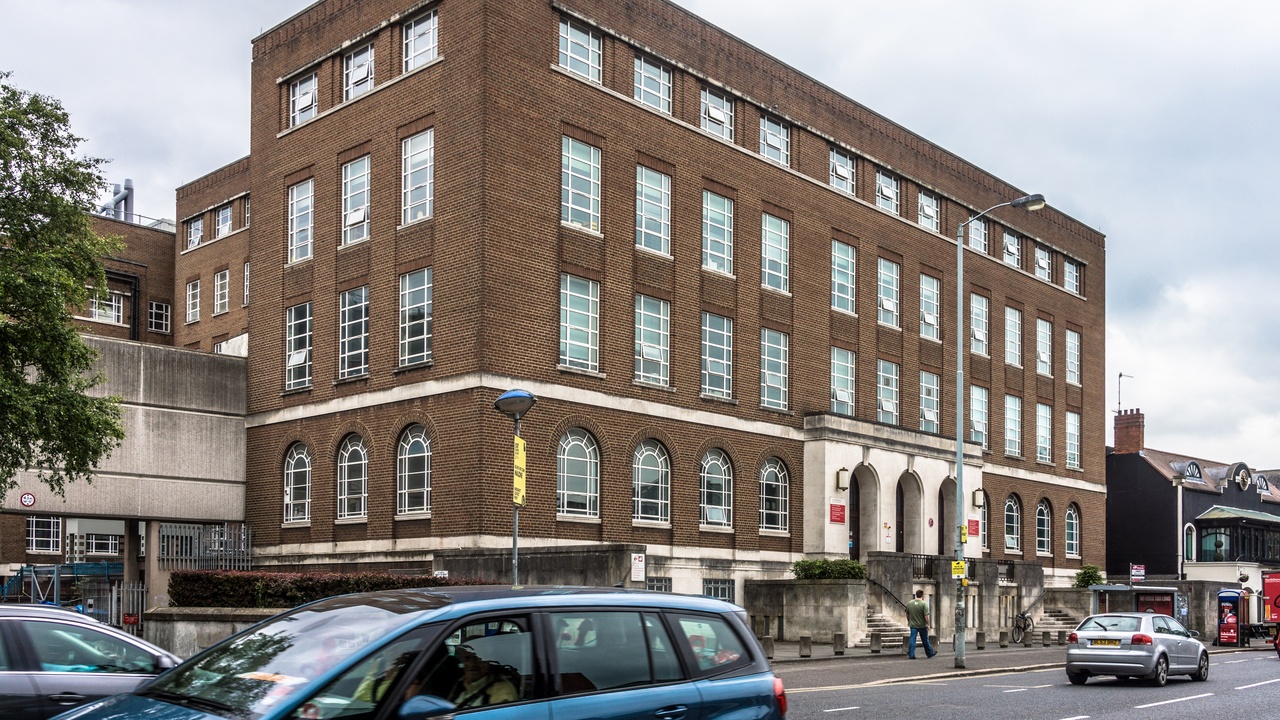
Urban crime concentrates where social and economic problems cluster. Concentrated deprivation and high youth unemployment correlate with higher recorded offending, while a dense night-time economy creates hotspots for alcohol-related assaults and public-order offences.
Legacy sectarian divisions also matter: segregated neighbourhoods and contested public spaces can produce periodic spikes in violence tied to parades or commemorations. Border proximity alters the local mix too—areas near the Republic can see smuggling and cross-border theft networks that complicate policing.
Policing challenges are measurable. Per the PSNI annual crime report for 2022/23, recorded violent offences and antisocial behaviour remain concentrated in a small set of urban areas. There are five official cities in Northern Ireland, and each shows a distinct profile driven by history, economics and local conditions. Community responses—youth diversion programmes run by the Youth Justice Agency, local youth centres, neighbourhood watch schemes and targeted PSNI operations—aim to reduce harm where it is most acute.
1. Belfast — largest city, most complex crime profile
Belfast is Northern Ireland’s largest city and typically records the highest absolute number of offences. PSNI figures for 2022/23 show Belfast with the largest total recorded crime among the cities, reflecting population size and a busy night-time economy.
Violent assault, public-order offences and theft around nightlife corridors (Cathedral Quarter, Botanic Avenue and parts of the city centre on weekends) are major contributors. These trends raise business insurance premiums and push firms to invest in private security, while local residents organise community safety groups.
Policing responses include intensified night-time patrols and licensing partnerships with bar owners, alongside city initiatives aimed at diverting young people into sports and training. Recent PSNI summaries indicate violence in some hotspot wards has been broadly steady or modestly down year-on-year, though specific streets experience intermittent spikes tied to events and weekend trade.
Border cities and historical flashpoints

Border proximity and historic flashpoints create a different crime mix: smuggling routes, cross-border organised crime and long-standing community divisions. Those mechanisms can be straightforward—vehicles and goods moved across the border—or subtler, like networks that exploit jurisdictional complexity to launder or fence stolen property.
On measurable outcomes, PSNI city-level counts for 2022/23 show that some border cities report elevated counts of property offences and occasional concentrated public-order incidents. The two cities below illustrate how history and geography combine to shape local risk.
2. Derry/Londonderry — legacy of conflict and concentrated violence
Derry/Londonderry carries a significant legacy from the Troubles that still shapes community relations and safety. Per PSNI data for 2022/23, parts of the city report higher rates of violent offences and public-order incidents than many other urban wards in the province.
Segregation between nationalist and unionist areas, contested parading routes and the occasional spike in disorder around anniversaries mean violence can be seasonal. That pattern affects tourism (certain streets see reduced footfall during tense periods) and fuels local projects aiming to reduce youth offending and improve relations (for example, reconciliation funding from Derry City & Strabane District Council and youth diversion work supported by community groups).
Local policing teams increasingly focus on hotspot wards and work with community leaders to pre-empt disturbances. Recent PSNI summaries indicate violent crime has fluctuated year-to-year, with some reductions in day-to-day assaults but continued periodic spikes tied to public-order incidents.
3. Newry — border dynamics and property crime
Newry’s position close to the Republic shapes its crime profile. Historically a corridor for cross-border trade, Newry has seen problems typical of border towns: opportunistic vehicle theft, theft near transport hubs and, at times, smuggling-related activity.
PSNI figures for the latest annual return show Newry with notable counts of property crime and vehicle-related offences relative to its size. Local policing often concentrates on market areas, bus and rail hubs, and known routes used for moving stolen goods.
Practical responses include increased CCTV in shopping districts, targeted police operations during peak shopping periods, and business-watch partnerships. Those measures aim to reassure commuters and shoppers while reducing the opportunity for rapid, cross-border thefts.
Smaller cities with acute local issues
Smaller cities can register high per-capita rates for particular crimes even if their absolute numbers are modest. Per-capita measures (offences per 1,000 residents) often tell a different story to absolute totals—both matter depending on whether you’re a policymaker, resident or visitor.
Local patterns in these places often centre on antisocial behaviour, domestic incidents and youth offending. Community-level interventions—neighbourhood watch, licensee partnerships and targeted patrols—can have outsized effects where problems are concentrated and social networks are tight.
4. Lisburn — suburban growth and pockets of antisocial behaviour
Lisburn combines suburban expansion with identifiable hotspots of antisocial behaviour. PSNI trend figures for 2022/23 show certain Lisburn wards with higher per-capita rates for anti-social behaviour and youth-related disorder compared with the Northern Ireland city average.
Common incidents include youth disorder in parks, occasional assaults and domestic incidents in residential areas. Those pockets affect homeowners’ sense of security and commuters using late trains or buses.
Local responses include targeted patrols, investment in community hubs and joint work between the council and police to expand CCTV around transport nodes. Practical advice for visitors: avoid poorly lit parks late at night and stick to main routes after pubs close.
5. Armagh — smaller scale but notable spikes
Armagh has a smaller population, but year-to-year volatility can produce notable spikes in certain offence categories, pushing per-capita rates up. For example, PSNI reporting has shown short-term increases in alcohol-related assaults and domestic incidents in some reporting periods.
The city’s historic centre and a handful of nightlife venues mean late-night policing and licensee partnerships are important. Local measures include Pubwatch-style schemes and police liaison with licence holders to reduce late-night disorder.
Residents and visitors can stay informed via PSNI district alerts and council notices; for tourists, sticking to well-lit routes and checking local event calendars reduces exposure during periods when incidents historically increase.
Summary
Key takeaways from these city crime profiles:
- Five official Northern Ireland cities show distinct crime profiles driven by history, economic pressure and local factors.
- Absolute totals (Belfast’s higher counts) differ from per-capita risk (smaller cities can feel more volatile); both metrics matter.
- Border proximity and legacy sectarian flashpoints explain elevated rates of specific crimes in Derry and Newry.
- Community policing, youth diversion projects and business partnerships are the most common—and effective—local responses.
- Use PSNI crime maps and local council updates before travelling or moving, and take simple precautions: stay on well-lit routes at night, avoid lone walks after pub closing times, and register with local community-watch efforts.