On April 19, 2018, King Mswati III announced the official renaming of Swaziland to Eswatini. The change underscored renewed interest in national identity — and an uptick of curiosity among travelers drawn to compact landscapes that yield big experiences.
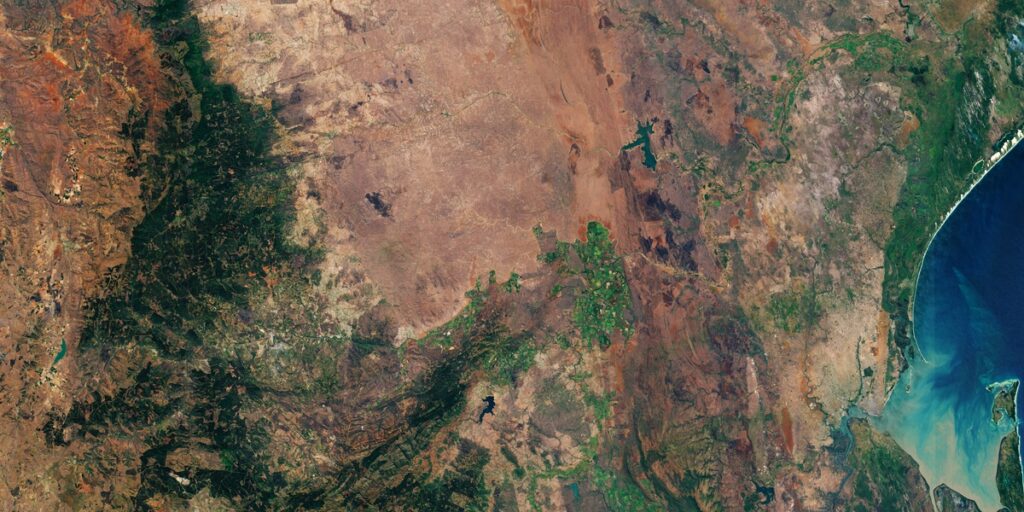
About 17,000 km² in area with a population roughly between 1.1 and 1.2 million, Eswatini is small enough that sunrise rock climbs, wildlife walks, and cultural visits are often just short drives apart. The year-round mild climate, short travel times between attractions, and strong community-based tourism make it ideal for hands-on adventure activities in Eswatini. Eswatini packs surprising outdoor thrills, rich cultural encounters, and accessible adventure sports into a compact country; here are eight adventurous things to do that show why Eswatini belongs on every active-traveler’s shortlist. Practical tips—difficulty, best seasons, and time estimates—follow each entry.
Outdoor & Wildlife Adventures
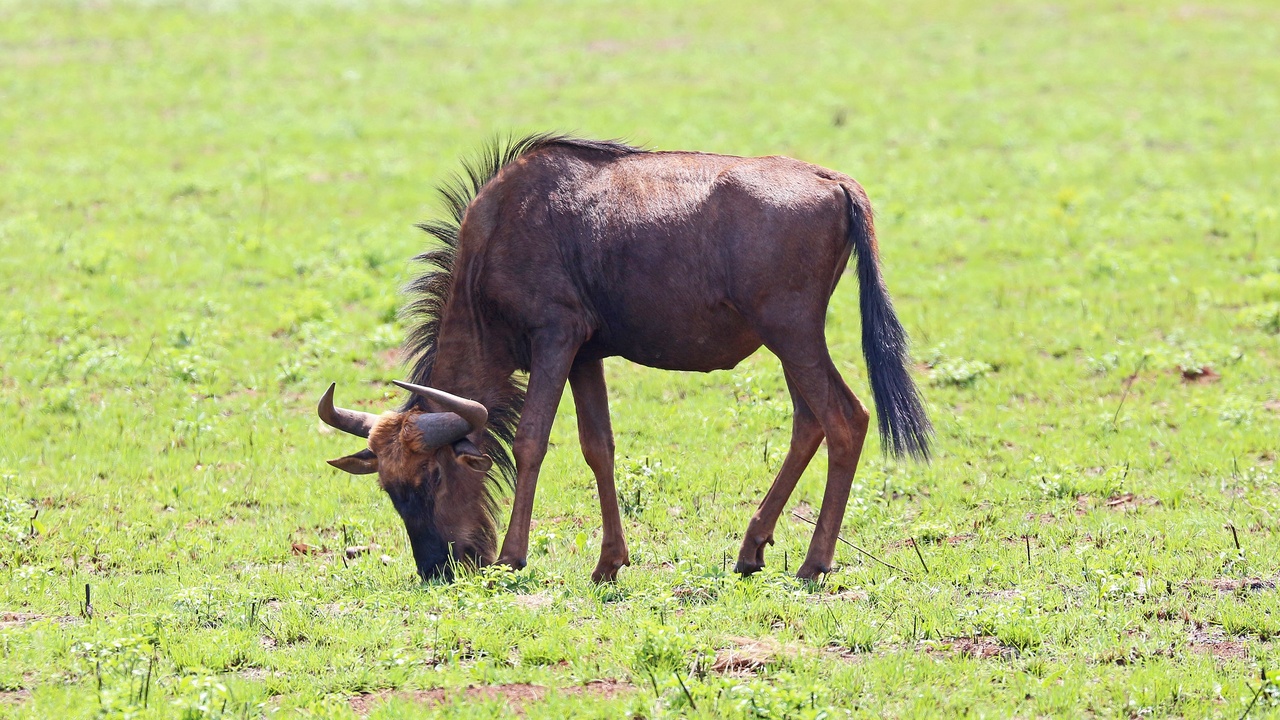
Eswatini’s protected areas are compact and easy to reach, which makes game viewing and guided walks especially approachable for visitors short on time. Two standouts are Hlane National Park and Mlilwane Wildlife Sanctuary, each offering different styles of encounter with local fauna.
Hlane is best known for large mammals such as elephant and lion, while Mlilwane is prized for accessible walking trails and mixed game including zebra and hippo along waterways. Park operations and conservation work are overseen by the Eswatini National Trust Commission, and most guided activities run from a half-day up to a full day depending on your itinerary.
1. Game drives and guided wildlife walks
Game drives and guided walks are among the easiest adventurous introductions to Eswatini’s wildlife. Typical morning drives last about 2–3 hours, while guided walking trails in Mlilwane often take a half-day (2–4 hours) depending on route and pace.
Expect to see elephant, white rhino, buffalo, zebra, impala and other antelope species; Hlane is the go-to for large mammals and Mlilwane for up-close walking experiences and riverbank sightings of hippo and crocodile. Sunrise drives paired with short hikes give the best light for photography and the most active wildlife viewing.
Logistics: book through park offices or licensed operators, carry binoculars and a 70–200mm or 100–400mm lens for close-ups, and wear neutral clothing. Fees and guide rates vary by park and season; check the Eswatini National Trust Commission for current entry charges and bookings. Safety tip: always follow ranger instructions during walks and drives.
2. Birdwatching and photographic safaris
Eswatini is an often-overlooked birding destination with species that span savanna, riverine and montane habitats. Guided dawn walks and hides are popular, and many lodges arrange specialist birding trips with local guides.
Target species include the lilac-breasted roller, Narina trogon, crowned eagle, African fish eagle, Knysna turaco, carmine bee-eater, pied kingfisher, paradise flycatcher, Cape glossy starling and various sunbirds. BirdLife International and local birding clubs keep checklists and can help you plan which sites to visit for seasonal migrants and resident specialties.
Practicalities: bring a telephoto lens (400mm or more if you have it), a light tripod or monopod for hides, and a field guide or app. Morning sessions of 2–4 hours are standard; combine a birding dawn walk in Hlane or Mlawula with an afternoon game drive for a full-day bird-and-wildlife itinerary.
Mountains, Rocks and High Trails
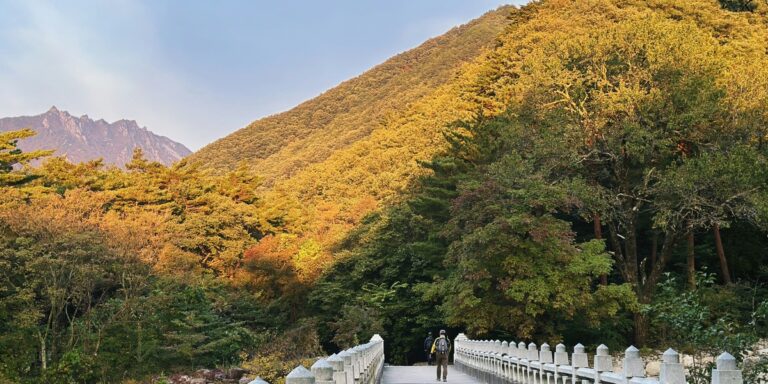
The highlands and granite outcrops deliver scenic climbs and trails that reward hikers with sweeping valley views. Options range from short, fitness-friendly scrambles to day-long ridge walks that feel alpine in character.
Trails are graded from easy to strenuous; plan for changing weather at higher altitudes and carry sturdy footwear, water, and sun protection. Sunrise and late-afternoon windows usually offer the best light and cooler temperatures for climbs.
3. Hiking Sibebe Rock at sunrise
Sibebe Rock is a massive granite dome just outside Mbabane and a classic short-adventure for visitors based in the capital or Manzini. Hikes typically take 2–4 hours round-trip depending on route and fitness level, making it an ideal half-day outing.
A typical itinerary: depart Mbabane around 5:30 a.m., reach the summit for sunrise, and return to town for breakfast at a nearby lodge. The route offers dramatic photo opportunities—bring a wide-angle (24–70mm) for landscape shots and a telephoto for any distant wildlife.
Safety: wear closed hiking shoes, carry 1–2 liters of water, and check access rules with local operators who can provide a guide or group hike for extra safety and local insight.
4. Trekking to Emlembe and Malolotja trails
Emlembe, commonly listed at about 1,862 m, is Eswatini’s highest point and, together with Malolotja Nature Reserve, offers longer treks and ridgeline views. Routes range from half-day climbs to full-day ridge walks depending on start point and fitness.
Malolotja’s trails cut through montane grassland and granite outcrops with sustained elevation gain—expect half-day to full-day itineraries and cooler conditions at altitude. Multi-day options and camping are possible with permits and local guidance.
Logistics: hire a guide for navigation and local knowledge, pack warm layers for high-altitude weather, and plan for slower ascent rates to enjoy viewpoints and birdlife on the way up.
Water & Adventure Sports
Lakes, dams and rivers across Eswatini offer paddling, fishing and mellow water-based activities that pair well with lodge stays and family groups. Water levels vary seasonally, so operators adjust trips to match conditions.
Typical paddle trips last about 2–4 hours and are offered on calm reservoirs and gentle river stretches. Always wear a life jacket and book with operators who provide safety briefings and well-maintained equipment.
5. Kayaking and canoeing on dams and rivers
Kayaking and canoeing are accessible ways to explore calm water and shoreline wildlife. Maguga Dam and smaller reservoirs host half-day rentals and guided paddles, while some lodges offer sunset canoe trips directly from their waterfront.
Expect 2–4 hour excursions for half-day paddles; these are suitable for families and casual paddlers. Book in advance during peak season and bring waterproof cases for cameras and phones.
Safety note: wear a life jacket, check weather forecasts, and confirm operator standards—many lodges include trained guides and basic instruction as part of the rental.
6. Trout and fly-fishing in mountain streams
Fly-fishing for trout is a peaceful, low-impact adventure available in upland streams and stocked waters. Guided full-day trips are common from nearby lodges and are ideal for couples or small groups seeking a quieter pace.
Practicalities: secure any required fishing license, confirm seasonal restrictions and catch rules with your outfitter, and consider hiring a guide who handles gear and local water access. Prime months are often in the cooler, drier season—verify exact windows with local operators before booking.
Combine a morning on the stream with an afternoon hike or birding session to make the most of a day in the highlands.
Cultural & Community-Based Adventures

Community-based tourism in Eswatini blends people, tradition and landscape into immersive experiences that are both adventurous and meaningful. Village visits, homestays and curated cultural tours provide direct contact with daily life and local crafts.
Major ceremonies—most notably Umhlanga (the Reed Dance) and Incwala—are cultural highlights; Umhlanga is traditionally held around late August and Incwala around December/January, though dates and visitor access change each year. Check the Eswatini Ministry of Tourism or local tour operators for current schedules and access rules.
7. Participating in cultural tours and homestays
Cultural tours and homestays place you in direct contact with Swazi traditions and everyday life. Successful community programs, such as those coordinated through Mantenga Cultural Village and vetted cooperatives, channel income back to households and artisans.
Activities range from half-day craft workshops (think Swazi candles and basketry) to overnight homestays arranged via local tourism groups. Book through accredited operators or community cooperatives to ensure fair payment and respectful arrangements.
Etiquette tips: ask before photographing people, accept guidance on appropriate dress, and bring small, useful gifts (school supplies or household staples) only when hosts indicate they’re welcome.
8. Attend a traditional ceremony or festival (Umhlanga, Incwala)
Umhlanga and Incwala are two of Eswatini’s signature ceremonies; attending can be a profound cultural experience if done respectfully. Confirm dates and visitor protocols with the Eswatini Royal Household or the Ministry of Tourism before planning a trip.
Practical advice: purchase tickets or join an organized tour that secures appropriate access, accept a local guide’s explanations of customs, and always follow instructions about photography and spectator areas. Tours that include cultural briefings help visitors understand the significance of rituals while supporting local guides and preserve traditions.
Combining festival attendance with a village visit or craft workshop provides fuller context and spreads economic benefit across communities, rather than concentrating it in a single event.
Summary
- Eswatini offers a compact, diverse set of adventures—wildlife safaris, highland hikes, water sports and cultural visits—that suit a wide range of fitness levels.
- Short travel times let you combine activities in a single day: for example, a sunrise Sibebe hike followed by an afternoon wildlife walk delivers high value for limited time.
- Verify festival dates and local access rules (Umhlanga, Incwala) and book cultural experiences through vetted community tourism groups like Mantenga to ensure respectful participation and local benefit.
- Hire licensed guides for safety and better sightings, pack for variable highland weather, and reserve paddles or fishing trips in advance—typical paddles run 2–4 hours and morning game drives about 2–3 hours.
- Pick one or two adventurous things to do in eswatini for your first visit—then add another on a return trip to experience more of the country’s compact but varied offerings.