Book with vetted companies, expect early-morning starts, and be prepared for last-minute cancellations if winds pick up. The FAA and local operators publish safety guidelines for passengers.
Carry headlamps, stay on marked trails, and follow ranger guidance. Longer guided spelunking trips exist for more adventurous cavers; consult the National Park Service for current safety notices.
11. Ride in a Hot-Air Balloon Over Albuquerque
The Albuquerque International Balloon Fiesta each October is a visual feast: mass ascensions and balloon glows fill the sky and ground with color across several days.
The Fiesta routinely features hundreds of balloons and draws roughly 500,000 to 800,000 spectators over the event, making early booking essential for dawn flights. Weather conditions drive final decisions, and operators give safety briefings and ground procedures before every launch.
Book with vetted companies, expect early-morning starts, and be prepared for last-minute cancellations if winds pick up. The FAA and local operators publish safety guidelines for passengers.
12. Cave and Karst Exploration at Mammoth Cave National Park
Mammoth Cave is the world’s longest known cave system, with more than 400 miles of surveyed passages beneath central Kentucky.
The park offers a range of tours, from easy show-cave walks to rugged wild-caving adventures that require reservations, helmets, and extra gear. Conservation rules are strict to protect fragile cave ecosystems and archaeology.
Start with a ranger-led tour to learn cave etiquette, and reference the National Speleological Society for guidance if you plan wild-caving. Check the National Park Service for current visitation and tour availability.
Summary
- Variety across landscapes: from rim-to-rim desert treks and glacier paddles to urban festivals and cave systems, there’s an adventure for many fitness levels.
- Preparation and safety matter: permits, seasonal windows, and proper training or certified guides keep trips memorable for the right reasons.
- Respect the places you visit: follow Leave No Trace, wildlife buffers, light and cave etiquette, and park regulations to preserve these features for others.
- Use trusted resources when planning: National Park Service, Appalachian Trail Conservancy, and accredited local guide organizations are excellent starting points.
- Pick one of these adventurous things to do in the United States and start planning responsibly — small steps in preparation unlock big experiences.
Choose guided tours that follow local rules to minimize disturbance, avoid bright lights, and maintain a strict no-contact policy to protect fragile ecosystems. For science and stewardship, consult local marine research groups and NOAA resources.
10. Explore Lava Tubes and Volcanic Landscapes in Hawaii
Walking through a lava tube is like stepping into the geological past: smooth rock passages carved by flowing lava create otherworldly tunnels and skylights.
Accessible sites include Thurston Lava Tube in Hawai‘i Volcanoes National Park, but volcanic conditions do change — Kīlauea’s eruptions in 2018 reshaped parts of the island and remain a reminder to check advisories before traveling.
Carry headlamps, stay on marked trails, and follow ranger guidance. Longer guided spelunking trips exist for more adventurous cavers; consult the National Park Service for current safety notices.
11. Ride in a Hot-Air Balloon Over Albuquerque
The Albuquerque International Balloon Fiesta each October is a visual feast: mass ascensions and balloon glows fill the sky and ground with color across several days.
The Fiesta routinely features hundreds of balloons and draws roughly 500,000 to 800,000 spectators over the event, making early booking essential for dawn flights. Weather conditions drive final decisions, and operators give safety briefings and ground procedures before every launch.
Book with vetted companies, expect early-morning starts, and be prepared for last-minute cancellations if winds pick up. The FAA and local operators publish safety guidelines for passengers.
12. Cave and Karst Exploration at Mammoth Cave National Park
Mammoth Cave is the world’s longest known cave system, with more than 400 miles of surveyed passages beneath central Kentucky.
The park offers a range of tours, from easy show-cave walks to rugged wild-caving adventures that require reservations, helmets, and extra gear. Conservation rules are strict to protect fragile cave ecosystems and archaeology.
Start with a ranger-led tour to learn cave etiquette, and reference the National Speleological Society for guidance if you plan wild-caving. Check the National Park Service for current visitation and tour availability.
Summary
- Variety across landscapes: from rim-to-rim desert treks and glacier paddles to urban festivals and cave systems, there’s an adventure for many fitness levels.
- Preparation and safety matter: permits, seasonal windows, and proper training or certified guides keep trips memorable for the right reasons.
- Respect the places you visit: follow Leave No Trace, wildlife buffers, light and cave etiquette, and park regulations to preserve these features for others.
- Use trusted resources when planning: National Park Service, Appalachian Trail Conservancy, and accredited local guide organizations are excellent starting points.
- Pick one of these adventurous things to do in the United States and start planning responsibly — small steps in preparation unlock big experiences.
Respect sensitive environments — light rules, cave etiquette, and wildlife buffers matter. For science-based context, consult groups like NOAA and local park ranger services.
9. Paddle Through Bioluminescent Bays or Surfacing Waters
Paddling through glowing water is a genuinely surreal experience: microorganisms light up with each stroke, turning a night paddle into a living constellation.
Hotspots in U.S. territories and states include Mosquito Bay on Vieques (Puerto Rico), stretches of the Indian River Lagoon in Florida, and a few protected coastal coves. Peak displays often occur in late spring and summer when conditions are right.
Choose guided tours that follow local rules to minimize disturbance, avoid bright lights, and maintain a strict no-contact policy to protect fragile ecosystems. For science and stewardship, consult local marine research groups and NOAA resources.
10. Explore Lava Tubes and Volcanic Landscapes in Hawaii
Walking through a lava tube is like stepping into the geological past: smooth rock passages carved by flowing lava create otherworldly tunnels and skylights.
Accessible sites include Thurston Lava Tube in Hawai‘i Volcanoes National Park, but volcanic conditions do change — Kīlauea’s eruptions in 2018 reshaped parts of the island and remain a reminder to check advisories before traveling.
Carry headlamps, stay on marked trails, and follow ranger guidance. Longer guided spelunking trips exist for more adventurous cavers; consult the National Park Service for current safety notices.
11. Ride in a Hot-Air Balloon Over Albuquerque
The Albuquerque International Balloon Fiesta each October is a visual feast: mass ascensions and balloon glows fill the sky and ground with color across several days.
The Fiesta routinely features hundreds of balloons and draws roughly 500,000 to 800,000 spectators over the event, making early booking essential for dawn flights. Weather conditions drive final decisions, and operators give safety briefings and ground procedures before every launch.
Book with vetted companies, expect early-morning starts, and be prepared for last-minute cancellations if winds pick up. The FAA and local operators publish safety guidelines for passengers.
12. Cave and Karst Exploration at Mammoth Cave National Park
Mammoth Cave is the world’s longest known cave system, with more than 400 miles of surveyed passages beneath central Kentucky.
The park offers a range of tours, from easy show-cave walks to rugged wild-caving adventures that require reservations, helmets, and extra gear. Conservation rules are strict to protect fragile cave ecosystems and archaeology.
Start with a ranger-led tour to learn cave etiquette, and reference the National Speleological Society for guidance if you plan wild-caving. Check the National Park Service for current visitation and tour availability.
Summary
- Variety across landscapes: from rim-to-rim desert treks and glacier paddles to urban festivals and cave systems, there’s an adventure for many fitness levels.
- Preparation and safety matter: permits, seasonal windows, and proper training or certified guides keep trips memorable for the right reasons.
- Respect the places you visit: follow Leave No Trace, wildlife buffers, light and cave etiquette, and park regulations to preserve these features for others.
- Use trusted resources when planning: National Park Service, Appalachian Trail Conservancy, and accredited local guide organizations are excellent starting points.
- Pick one of these adventurous things to do in the United States and start planning responsibly — small steps in preparation unlock big experiences.
Season runs winter into spring, costs are high, and daily capacity is limited. Look for reputable operators around Valdez and Haines, and consider taking an avalanche course before signing up.
Unique Natural & Cultural Adventures
This group mixes natural phenomena with regional culture: night-sky experiences, volcanic landscapes, and festival-based spectacles. Many of these are lower-skill but high-wonder, and timing matters.
Respect sensitive environments — light rules, cave etiquette, and wildlife buffers matter. For science-based context, consult groups like NOAA and local park ranger services.
9. Paddle Through Bioluminescent Bays or Surfacing Waters
Paddling through glowing water is a genuinely surreal experience: microorganisms light up with each stroke, turning a night paddle into a living constellation.
Hotspots in U.S. territories and states include Mosquito Bay on Vieques (Puerto Rico), stretches of the Indian River Lagoon in Florida, and a few protected coastal coves. Peak displays often occur in late spring and summer when conditions are right.
Choose guided tours that follow local rules to minimize disturbance, avoid bright lights, and maintain a strict no-contact policy to protect fragile ecosystems. For science and stewardship, consult local marine research groups and NOAA resources.
10. Explore Lava Tubes and Volcanic Landscapes in Hawaii
Walking through a lava tube is like stepping into the geological past: smooth rock passages carved by flowing lava create otherworldly tunnels and skylights.
Accessible sites include Thurston Lava Tube in Hawai‘i Volcanoes National Park, but volcanic conditions do change — Kīlauea’s eruptions in 2018 reshaped parts of the island and remain a reminder to check advisories before traveling.
Carry headlamps, stay on marked trails, and follow ranger guidance. Longer guided spelunking trips exist for more adventurous cavers; consult the National Park Service for current safety notices.
11. Ride in a Hot-Air Balloon Over Albuquerque
The Albuquerque International Balloon Fiesta each October is a visual feast: mass ascensions and balloon glows fill the sky and ground with color across several days.
The Fiesta routinely features hundreds of balloons and draws roughly 500,000 to 800,000 spectators over the event, making early booking essential for dawn flights. Weather conditions drive final decisions, and operators give safety briefings and ground procedures before every launch.
Book with vetted companies, expect early-morning starts, and be prepared for last-minute cancellations if winds pick up. The FAA and local operators publish safety guidelines for passengers.
12. Cave and Karst Exploration at Mammoth Cave National Park
Mammoth Cave is the world’s longest known cave system, with more than 400 miles of surveyed passages beneath central Kentucky.
The park offers a range of tours, from easy show-cave walks to rugged wild-caving adventures that require reservations, helmets, and extra gear. Conservation rules are strict to protect fragile cave ecosystems and archaeology.
Start with a ranger-led tour to learn cave etiquette, and reference the National Speleological Society for guidance if you plan wild-caving. Check the National Park Service for current visitation and tour availability.
Summary
- Variety across landscapes: from rim-to-rim desert treks and glacier paddles to urban festivals and cave systems, there’s an adventure for many fitness levels.
- Preparation and safety matter: permits, seasonal windows, and proper training or certified guides keep trips memorable for the right reasons.
- Respect the places you visit: follow Leave No Trace, wildlife buffers, light and cave etiquette, and park regulations to preserve these features for others.
- Use trusted resources when planning: National Park Service, Appalachian Trail Conservancy, and accredited local guide organizations are excellent starting points.
- Pick one of these adventurous things to do in the United States and start planning responsibly — small steps in preparation unlock big experiences.
Bring a helmet, PFD, dry bags, and an attitude for wet, physical travel. Use resources like American Whitewater and National Park Service guidance for route planning and safety.
8. Heli-Skiing or Snowcat Access Skiing in Alaska
Heli-skiing and snowcat skiing open lines you can’t reach from a lift: long verticals, deep powder, and remote alpine terrain characterize the Alaskan experience.
These trips are aimed at experienced skiers and splitboarders. Expect verticals of several thousand feet on some runs, and mandatory avalanche training, beacon use, shovel, and probe. Guide certification and local knowledge reduce risk.
Season runs winter into spring, costs are high, and daily capacity is limited. Look for reputable operators around Valdez and Haines, and consider taking an avalanche course before signing up.
Unique Natural & Cultural Adventures
This group mixes natural phenomena with regional culture: night-sky experiences, volcanic landscapes, and festival-based spectacles. Many of these are lower-skill but high-wonder, and timing matters.
Respect sensitive environments — light rules, cave etiquette, and wildlife buffers matter. For science-based context, consult groups like NOAA and local park ranger services.
9. Paddle Through Bioluminescent Bays or Surfacing Waters
Paddling through glowing water is a genuinely surreal experience: microorganisms light up with each stroke, turning a night paddle into a living constellation.
Hotspots in U.S. territories and states include Mosquito Bay on Vieques (Puerto Rico), stretches of the Indian River Lagoon in Florida, and a few protected coastal coves. Peak displays often occur in late spring and summer when conditions are right.
Choose guided tours that follow local rules to minimize disturbance, avoid bright lights, and maintain a strict no-contact policy to protect fragile ecosystems. For science and stewardship, consult local marine research groups and NOAA resources.
10. Explore Lava Tubes and Volcanic Landscapes in Hawaii
Walking through a lava tube is like stepping into the geological past: smooth rock passages carved by flowing lava create otherworldly tunnels and skylights.
Accessible sites include Thurston Lava Tube in Hawai‘i Volcanoes National Park, but volcanic conditions do change — Kīlauea’s eruptions in 2018 reshaped parts of the island and remain a reminder to check advisories before traveling.
Carry headlamps, stay on marked trails, and follow ranger guidance. Longer guided spelunking trips exist for more adventurous cavers; consult the National Park Service for current safety notices.
11. Ride in a Hot-Air Balloon Over Albuquerque
The Albuquerque International Balloon Fiesta each October is a visual feast: mass ascensions and balloon glows fill the sky and ground with color across several days.
The Fiesta routinely features hundreds of balloons and draws roughly 500,000 to 800,000 spectators over the event, making early booking essential for dawn flights. Weather conditions drive final decisions, and operators give safety briefings and ground procedures before every launch.
Book with vetted companies, expect early-morning starts, and be prepared for last-minute cancellations if winds pick up. The FAA and local operators publish safety guidelines for passengers.
12. Cave and Karst Exploration at Mammoth Cave National Park
Mammoth Cave is the world’s longest known cave system, with more than 400 miles of surveyed passages beneath central Kentucky.
The park offers a range of tours, from easy show-cave walks to rugged wild-caving adventures that require reservations, helmets, and extra gear. Conservation rules are strict to protect fragile cave ecosystems and archaeology.
Start with a ranger-led tour to learn cave etiquette, and reference the National Speleological Society for guidance if you plan wild-caving. Check the National Park Service for current visitation and tour availability.
Summary
- Variety across landscapes: from rim-to-rim desert treks and glacier paddles to urban festivals and cave systems, there’s an adventure for many fitness levels.
- Preparation and safety matter: permits, seasonal windows, and proper training or certified guides keep trips memorable for the right reasons.
- Respect the places you visit: follow Leave No Trace, wildlife buffers, light and cave etiquette, and park regulations to preserve these features for others.
- Use trusted resources when planning: National Park Service, Appalachian Trail Conservancy, and accredited local guide organizations are excellent starting points.
- Pick one of these adventurous things to do in the United States and start planning responsibly — small steps in preparation unlock big experiences.
Late spring through early fall is the best season for these activities. Note that Bridge Day (an annual spectator event) has different rules from commercial outfitters, so book with licensed operators in Fayetteville, WV.
7. Whitewater Rafting the Gauley or Colorado Rivers
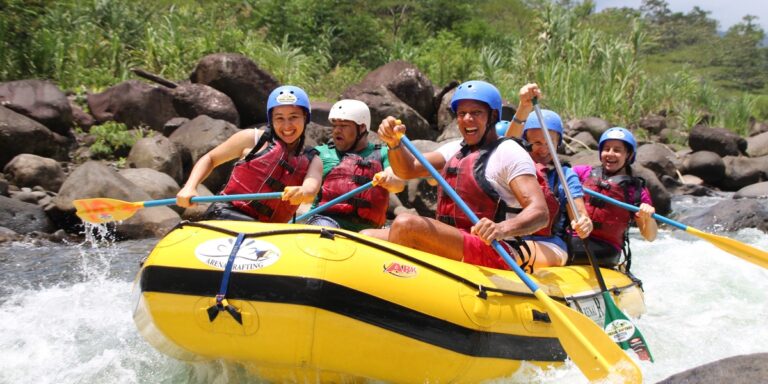
For technical whitewater, the Gauley River in West Virginia is famous for Class IV–V rapids during Gauley Season (typically September–October). For epic multi-day runs, the Colorado River through the Grand Canyon offers sustained river wilderness.
Rapid classes indicate difficulty and required skill; advanced runs need prior experience or a trusted guide. The Grand Canyon requires a permit or booking through authorized outfitters and often uses a lottery system for commercial and private trips.
Bring a helmet, PFD, dry bags, and an attitude for wet, physical travel. Use resources like American Whitewater and National Park Service guidance for route planning and safety.
8. Heli-Skiing or Snowcat Access Skiing in Alaska
Heli-skiing and snowcat skiing open lines you can’t reach from a lift: long verticals, deep powder, and remote alpine terrain characterize the Alaskan experience.
These trips are aimed at experienced skiers and splitboarders. Expect verticals of several thousand feet on some runs, and mandatory avalanche training, beacon use, shovel, and probe. Guide certification and local knowledge reduce risk.
Season runs winter into spring, costs are high, and daily capacity is limited. Look for reputable operators around Valdez and Haines, and consider taking an avalanche course before signing up.
Unique Natural & Cultural Adventures
This group mixes natural phenomena with regional culture: night-sky experiences, volcanic landscapes, and festival-based spectacles. Many of these are lower-skill but high-wonder, and timing matters.
Respect sensitive environments — light rules, cave etiquette, and wildlife buffers matter. For science-based context, consult groups like NOAA and local park ranger services.
9. Paddle Through Bioluminescent Bays or Surfacing Waters
Paddling through glowing water is a genuinely surreal experience: microorganisms light up with each stroke, turning a night paddle into a living constellation.
Hotspots in U.S. territories and states include Mosquito Bay on Vieques (Puerto Rico), stretches of the Indian River Lagoon in Florida, and a few protected coastal coves. Peak displays often occur in late spring and summer when conditions are right.
Choose guided tours that follow local rules to minimize disturbance, avoid bright lights, and maintain a strict no-contact policy to protect fragile ecosystems. For science and stewardship, consult local marine research groups and NOAA resources.
10. Explore Lava Tubes and Volcanic Landscapes in Hawaii
Walking through a lava tube is like stepping into the geological past: smooth rock passages carved by flowing lava create otherworldly tunnels and skylights.
Accessible sites include Thurston Lava Tube in Hawai‘i Volcanoes National Park, but volcanic conditions do change — Kīlauea’s eruptions in 2018 reshaped parts of the island and remain a reminder to check advisories before traveling.
Carry headlamps, stay on marked trails, and follow ranger guidance. Longer guided spelunking trips exist for more adventurous cavers; consult the National Park Service for current safety notices.
11. Ride in a Hot-Air Balloon Over Albuquerque
The Albuquerque International Balloon Fiesta each October is a visual feast: mass ascensions and balloon glows fill the sky and ground with color across several days.
The Fiesta routinely features hundreds of balloons and draws roughly 500,000 to 800,000 spectators over the event, making early booking essential for dawn flights. Weather conditions drive final decisions, and operators give safety briefings and ground procedures before every launch.
Book with vetted companies, expect early-morning starts, and be prepared for last-minute cancellations if winds pick up. The FAA and local operators publish safety guidelines for passengers.
12. Cave and Karst Exploration at Mammoth Cave National Park
Mammoth Cave is the world’s longest known cave system, with more than 400 miles of surveyed passages beneath central Kentucky.
The park offers a range of tours, from easy show-cave walks to rugged wild-caving adventures that require reservations, helmets, and extra gear. Conservation rules are strict to protect fragile cave ecosystems and archaeology.
Start with a ranger-led tour to learn cave etiquette, and reference the National Speleological Society for guidance if you plan wild-caving. Check the National Park Service for current visitation and tour availability.
Summary
- Variety across landscapes: from rim-to-rim desert treks and glacier paddles to urban festivals and cave systems, there’s an adventure for many fitness levels.
- Preparation and safety matter: permits, seasonal windows, and proper training or certified guides keep trips memorable for the right reasons.
- Respect the places you visit: follow Leave No Trace, wildlife buffers, light and cave etiquette, and park regulations to preserve these features for others.
- Use trusted resources when planning: National Park Service, Appalachian Trail Conservancy, and accredited local guide organizations are excellent starting points.
- Pick one of these adventurous things to do in the United States and start planning responsibly — small steps in preparation unlock big experiences.
Choose a USPA-affiliated drop zone, review medical and age restrictions, and expect a short training session before boarding. Popular coastal centers include sites near Orlando, FL and San Diego, CA.
6. Bridge Jumping or Ziplining at New River Gorge
New River Gorge has evolved into an adventure hub since its 2020 designation as New River Gorge National Park and Preserve, centered on a dramatic bridge and steep canyons.
The New River Gorge Bridge stands about 876 feet above the river, and the area offers guided rappels, zipline tours, and licensed bridge-jump experiences operated by reputable outfitters. Expect waivers, equipment checks, and trained guides.
Late spring through early fall is the best season for these activities. Note that Bridge Day (an annual spectator event) has different rules from commercial outfitters, so book with licensed operators in Fayetteville, WV.
7. Whitewater Rafting the Gauley or Colorado Rivers
For technical whitewater, the Gauley River in West Virginia is famous for Class IV–V rapids during Gauley Season (typically September–October). For epic multi-day runs, the Colorado River through the Grand Canyon offers sustained river wilderness.
Rapid classes indicate difficulty and required skill; advanced runs need prior experience or a trusted guide. The Grand Canyon requires a permit or booking through authorized outfitters and often uses a lottery system for commercial and private trips.
Bring a helmet, PFD, dry bags, and an attitude for wet, physical travel. Use resources like American Whitewater and National Park Service guidance for route planning and safety.
8. Heli-Skiing or Snowcat Access Skiing in Alaska
Heli-skiing and snowcat skiing open lines you can’t reach from a lift: long verticals, deep powder, and remote alpine terrain characterize the Alaskan experience.
These trips are aimed at experienced skiers and splitboarders. Expect verticals of several thousand feet on some runs, and mandatory avalanche training, beacon use, shovel, and probe. Guide certification and local knowledge reduce risk.
Season runs winter into spring, costs are high, and daily capacity is limited. Look for reputable operators around Valdez and Haines, and consider taking an avalanche course before signing up.
Unique Natural & Cultural Adventures
This group mixes natural phenomena with regional culture: night-sky experiences, volcanic landscapes, and festival-based spectacles. Many of these are lower-skill but high-wonder, and timing matters.
Respect sensitive environments — light rules, cave etiquette, and wildlife buffers matter. For science-based context, consult groups like NOAA and local park ranger services.
9. Paddle Through Bioluminescent Bays or Surfacing Waters
Paddling through glowing water is a genuinely surreal experience: microorganisms light up with each stroke, turning a night paddle into a living constellation.
Hotspots in U.S. territories and states include Mosquito Bay on Vieques (Puerto Rico), stretches of the Indian River Lagoon in Florida, and a few protected coastal coves. Peak displays often occur in late spring and summer when conditions are right.
Choose guided tours that follow local rules to minimize disturbance, avoid bright lights, and maintain a strict no-contact policy to protect fragile ecosystems. For science and stewardship, consult local marine research groups and NOAA resources.
10. Explore Lava Tubes and Volcanic Landscapes in Hawaii
Walking through a lava tube is like stepping into the geological past: smooth rock passages carved by flowing lava create otherworldly tunnels and skylights.
Accessible sites include Thurston Lava Tube in Hawai‘i Volcanoes National Park, but volcanic conditions do change — Kīlauea’s eruptions in 2018 reshaped parts of the island and remain a reminder to check advisories before traveling.
Carry headlamps, stay on marked trails, and follow ranger guidance. Longer guided spelunking trips exist for more adventurous cavers; consult the National Park Service for current safety notices.
11. Ride in a Hot-Air Balloon Over Albuquerque
The Albuquerque International Balloon Fiesta each October is a visual feast: mass ascensions and balloon glows fill the sky and ground with color across several days.
The Fiesta routinely features hundreds of balloons and draws roughly 500,000 to 800,000 spectators over the event, making early booking essential for dawn flights. Weather conditions drive final decisions, and operators give safety briefings and ground procedures before every launch.
Book with vetted companies, expect early-morning starts, and be prepared for last-minute cancellations if winds pick up. The FAA and local operators publish safety guidelines for passengers.
12. Cave and Karst Exploration at Mammoth Cave National Park
Mammoth Cave is the world’s longest known cave system, with more than 400 miles of surveyed passages beneath central Kentucky.
The park offers a range of tours, from easy show-cave walks to rugged wild-caving adventures that require reservations, helmets, and extra gear. Conservation rules are strict to protect fragile cave ecosystems and archaeology.
Start with a ranger-led tour to learn cave etiquette, and reference the National Speleological Society for guidance if you plan wild-caving. Check the National Park Service for current visitation and tour availability.
Summary
- Variety across landscapes: from rim-to-rim desert treks and glacier paddles to urban festivals and cave systems, there’s an adventure for many fitness levels.
- Preparation and safety matter: permits, seasonal windows, and proper training or certified guides keep trips memorable for the right reasons.
- Respect the places you visit: follow Leave No Trace, wildlife buffers, light and cave etiquette, and park regulations to preserve these features for others.
- Use trusted resources when planning: National Park Service, Appalachian Trail Conservancy, and accredited local guide organizations are excellent starting points.
- Pick one of these adventurous things to do in the United States and start planning responsibly — small steps in preparation unlock big experiences.
Wildlife encounters—bald eagles, humpback whales, and sea otters—are common in summer months, and many departures run June through September. Consider guides out of Juneau or Sitka and check resources at Glacier Bay National Park for route and safety tips.
Adrenaline & Extreme Sports
This category is for heart-rate-raising activities offered by regulated operators. Many require certifications for advanced options, and safety credentials are the most important booking filter.
Participation in regulated adventure sports has improved safety records over recent decades thanks to industry standards and training; still, carry insurance and an emergency plan. Look for operator credentials, positive reviews, and membership in governing bodies such as the USPA or American Whitewater.
5. Tandem Skydiving Over Coastal Drop Zones
There are few sensations like stepping from a plane and freefalling toward a patchwork of ocean, beach, or farmland, with a parachute ride to finish.
Tandems are the standard first jump: you’re attached to a trained instructor, briefed on safety, and often experience roughly 45–60 seconds of freefall from altitudes of 10,000–14,000 feet before canopy deployment.
Choose a USPA-affiliated drop zone, review medical and age restrictions, and expect a short training session before boarding. Popular coastal centers include sites near Orlando, FL and San Diego, CA.
6. Bridge Jumping or Ziplining at New River Gorge
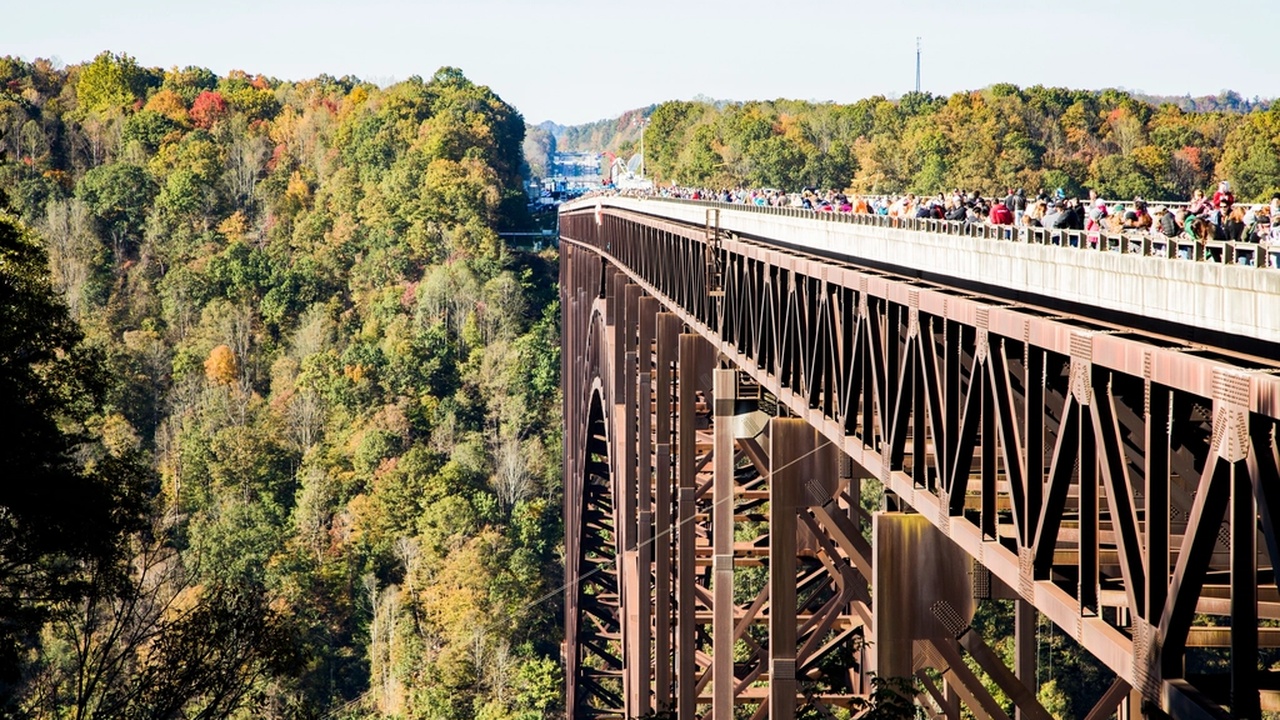
New River Gorge has evolved into an adventure hub since its 2020 designation as New River Gorge National Park and Preserve, centered on a dramatic bridge and steep canyons.
The New River Gorge Bridge stands about 876 feet above the river, and the area offers guided rappels, zipline tours, and licensed bridge-jump experiences operated by reputable outfitters. Expect waivers, equipment checks, and trained guides.
Late spring through early fall is the best season for these activities. Note that Bridge Day (an annual spectator event) has different rules from commercial outfitters, so book with licensed operators in Fayetteville, WV.
7. Whitewater Rafting the Gauley or Colorado Rivers
For technical whitewater, the Gauley River in West Virginia is famous for Class IV–V rapids during Gauley Season (typically September–October). For epic multi-day runs, the Colorado River through the Grand Canyon offers sustained river wilderness.
Rapid classes indicate difficulty and required skill; advanced runs need prior experience or a trusted guide. The Grand Canyon requires a permit or booking through authorized outfitters and often uses a lottery system for commercial and private trips.
Bring a helmet, PFD, dry bags, and an attitude for wet, physical travel. Use resources like American Whitewater and National Park Service guidance for route planning and safety.
8. Heli-Skiing or Snowcat Access Skiing in Alaska
Heli-skiing and snowcat skiing open lines you can’t reach from a lift: long verticals, deep powder, and remote alpine terrain characterize the Alaskan experience.
These trips are aimed at experienced skiers and splitboarders. Expect verticals of several thousand feet on some runs, and mandatory avalanche training, beacon use, shovel, and probe. Guide certification and local knowledge reduce risk.
Season runs winter into spring, costs are high, and daily capacity is limited. Look for reputable operators around Valdez and Haines, and consider taking an avalanche course before signing up.
Unique Natural & Cultural Adventures
This group mixes natural phenomena with regional culture: night-sky experiences, volcanic landscapes, and festival-based spectacles. Many of these are lower-skill but high-wonder, and timing matters.
Respect sensitive environments — light rules, cave etiquette, and wildlife buffers matter. For science-based context, consult groups like NOAA and local park ranger services.
9. Paddle Through Bioluminescent Bays or Surfacing Waters
Paddling through glowing water is a genuinely surreal experience: microorganisms light up with each stroke, turning a night paddle into a living constellation.
Hotspots in U.S. territories and states include Mosquito Bay on Vieques (Puerto Rico), stretches of the Indian River Lagoon in Florida, and a few protected coastal coves. Peak displays often occur in late spring and summer when conditions are right.
Choose guided tours that follow local rules to minimize disturbance, avoid bright lights, and maintain a strict no-contact policy to protect fragile ecosystems. For science and stewardship, consult local marine research groups and NOAA resources.
10. Explore Lava Tubes and Volcanic Landscapes in Hawaii
Walking through a lava tube is like stepping into the geological past: smooth rock passages carved by flowing lava create otherworldly tunnels and skylights.
Accessible sites include Thurston Lava Tube in Hawai‘i Volcanoes National Park, but volcanic conditions do change — Kīlauea’s eruptions in 2018 reshaped parts of the island and remain a reminder to check advisories before traveling.
Carry headlamps, stay on marked trails, and follow ranger guidance. Longer guided spelunking trips exist for more adventurous cavers; consult the National Park Service for current safety notices.
11. Ride in a Hot-Air Balloon Over Albuquerque
The Albuquerque International Balloon Fiesta each October is a visual feast: mass ascensions and balloon glows fill the sky and ground with color across several days.
The Fiesta routinely features hundreds of balloons and draws roughly 500,000 to 800,000 spectators over the event, making early booking essential for dawn flights. Weather conditions drive final decisions, and operators give safety briefings and ground procedures before every launch.
Book with vetted companies, expect early-morning starts, and be prepared for last-minute cancellations if winds pick up. The FAA and local operators publish safety guidelines for passengers.
12. Cave and Karst Exploration at Mammoth Cave National Park
Mammoth Cave is the world’s longest known cave system, with more than 400 miles of surveyed passages beneath central Kentucky.
The park offers a range of tours, from easy show-cave walks to rugged wild-caving adventures that require reservations, helmets, and extra gear. Conservation rules are strict to protect fragile cave ecosystems and archaeology.
Start with a ranger-led tour to learn cave etiquette, and reference the National Speleological Society for guidance if you plan wild-caving. Check the National Park Service for current visitation and tour availability.
Summary
- Variety across landscapes: from rim-to-rim desert treks and glacier paddles to urban festivals and cave systems, there’s an adventure for many fitness levels.
- Preparation and safety matter: permits, seasonal windows, and proper training or certified guides keep trips memorable for the right reasons.
- Respect the places you visit: follow Leave No Trace, wildlife buffers, light and cave etiquette, and park regulations to preserve these features for others.
- Use trusted resources when planning: National Park Service, Appalachian Trail Conservancy, and accredited local guide organizations are excellent starting points.
- Pick one of these adventurous things to do in the United States and start planning responsibly — small steps in preparation unlock big experiences.
Check permit rules with Yosemite National Park, consider training courses, and look to organizations such as the American Alpine Club for safety guidance.
4. Sea Kayak the Alaska Inside Passage
Paddle among fjords, tidewater glaciers, and abundant wildlife on multi-day trips through the Alaska Inside Passage.
Trips range from guided expeditions of several days to weeklong circumnavigations. Tides, currents, and rapidly changing weather make cold-water skills and self-rescue competence essential; many operators require or strongly recommend a drysuit and VHF radio.
Wildlife encounters—bald eagles, humpback whales, and sea otters—are common in summer months, and many departures run June through September. Consider guides out of Juneau or Sitka and check resources at Glacier Bay National Park for route and safety tips.
Adrenaline & Extreme Sports
This category is for heart-rate-raising activities offered by regulated operators. Many require certifications for advanced options, and safety credentials are the most important booking filter.
Participation in regulated adventure sports has improved safety records over recent decades thanks to industry standards and training; still, carry insurance and an emergency plan. Look for operator credentials, positive reviews, and membership in governing bodies such as the USPA or American Whitewater.
5. Tandem Skydiving Over Coastal Drop Zones
There are few sensations like stepping from a plane and freefalling toward a patchwork of ocean, beach, or farmland, with a parachute ride to finish.
Tandems are the standard first jump: you’re attached to a trained instructor, briefed on safety, and often experience roughly 45–60 seconds of freefall from altitudes of 10,000–14,000 feet before canopy deployment.
Choose a USPA-affiliated drop zone, review medical and age restrictions, and expect a short training session before boarding. Popular coastal centers include sites near Orlando, FL and San Diego, CA.
6. Bridge Jumping or Ziplining at New River Gorge
New River Gorge has evolved into an adventure hub since its 2020 designation as New River Gorge National Park and Preserve, centered on a dramatic bridge and steep canyons.
The New River Gorge Bridge stands about 876 feet above the river, and the area offers guided rappels, zipline tours, and licensed bridge-jump experiences operated by reputable outfitters. Expect waivers, equipment checks, and trained guides.
Late spring through early fall is the best season for these activities. Note that Bridge Day (an annual spectator event) has different rules from commercial outfitters, so book with licensed operators in Fayetteville, WV.
7. Whitewater Rafting the Gauley or Colorado Rivers
For technical whitewater, the Gauley River in West Virginia is famous for Class IV–V rapids during Gauley Season (typically September–October). For epic multi-day runs, the Colorado River through the Grand Canyon offers sustained river wilderness.
Rapid classes indicate difficulty and required skill; advanced runs need prior experience or a trusted guide. The Grand Canyon requires a permit or booking through authorized outfitters and often uses a lottery system for commercial and private trips.
Bring a helmet, PFD, dry bags, and an attitude for wet, physical travel. Use resources like American Whitewater and National Park Service guidance for route planning and safety.
8. Heli-Skiing or Snowcat Access Skiing in Alaska
Heli-skiing and snowcat skiing open lines you can’t reach from a lift: long verticals, deep powder, and remote alpine terrain characterize the Alaskan experience.
These trips are aimed at experienced skiers and splitboarders. Expect verticals of several thousand feet on some runs, and mandatory avalanche training, beacon use, shovel, and probe. Guide certification and local knowledge reduce risk.
Season runs winter into spring, costs are high, and daily capacity is limited. Look for reputable operators around Valdez and Haines, and consider taking an avalanche course before signing up.
Unique Natural & Cultural Adventures
This group mixes natural phenomena with regional culture: night-sky experiences, volcanic landscapes, and festival-based spectacles. Many of these are lower-skill but high-wonder, and timing matters.
Respect sensitive environments — light rules, cave etiquette, and wildlife buffers matter. For science-based context, consult groups like NOAA and local park ranger services.
9. Paddle Through Bioluminescent Bays or Surfacing Waters
Paddling through glowing water is a genuinely surreal experience: microorganisms light up with each stroke, turning a night paddle into a living constellation.
Hotspots in U.S. territories and states include Mosquito Bay on Vieques (Puerto Rico), stretches of the Indian River Lagoon in Florida, and a few protected coastal coves. Peak displays often occur in late spring and summer when conditions are right.
Choose guided tours that follow local rules to minimize disturbance, avoid bright lights, and maintain a strict no-contact policy to protect fragile ecosystems. For science and stewardship, consult local marine research groups and NOAA resources.
10. Explore Lava Tubes and Volcanic Landscapes in Hawaii
Walking through a lava tube is like stepping into the geological past: smooth rock passages carved by flowing lava create otherworldly tunnels and skylights.
Accessible sites include Thurston Lava Tube in Hawai‘i Volcanoes National Park, but volcanic conditions do change — Kīlauea’s eruptions in 2018 reshaped parts of the island and remain a reminder to check advisories before traveling.
Carry headlamps, stay on marked trails, and follow ranger guidance. Longer guided spelunking trips exist for more adventurous cavers; consult the National Park Service for current safety notices.
11. Ride in a Hot-Air Balloon Over Albuquerque
The Albuquerque International Balloon Fiesta each October is a visual feast: mass ascensions and balloon glows fill the sky and ground with color across several days.
The Fiesta routinely features hundreds of balloons and draws roughly 500,000 to 800,000 spectators over the event, making early booking essential for dawn flights. Weather conditions drive final decisions, and operators give safety briefings and ground procedures before every launch.
Book with vetted companies, expect early-morning starts, and be prepared for last-minute cancellations if winds pick up. The FAA and local operators publish safety guidelines for passengers.
12. Cave and Karst Exploration at Mammoth Cave National Park
Mammoth Cave is the world’s longest known cave system, with more than 400 miles of surveyed passages beneath central Kentucky.
The park offers a range of tours, from easy show-cave walks to rugged wild-caving adventures that require reservations, helmets, and extra gear. Conservation rules are strict to protect fragile cave ecosystems and archaeology.
Start with a ranger-led tour to learn cave etiquette, and reference the National Speleological Society for guidance if you plan wild-caving. Check the National Park Service for current visitation and tour availability.
Summary
- Variety across landscapes: from rim-to-rim desert treks and glacier paddles to urban festivals and cave systems, there’s an adventure for many fitness levels.
- Preparation and safety matter: permits, seasonal windows, and proper training or certified guides keep trips memorable for the right reasons.
- Respect the places you visit: follow Leave No Trace, wildlife buffers, light and cave etiquette, and park regulations to preserve these features for others.
- Use trusted resources when planning: National Park Service, Appalachian Trail Conservancy, and accredited local guide organizations are excellent starting points.
- Pick one of these adventurous things to do in the United States and start planning responsibly — small steps in preparation unlock big experiences.
Use shelter/routes for resupply planning, learn Leave No Trace ethics, and consult the Appalachian Trail Conservancy for maps and current advisories. Popular sections include Shenandoah National Park, New Hampshire’s White Mountains, and Great Smoky Mountains National Park.
3. Rock Climb El Capitan (or Try a Guided Multi-Pitch Route)
El Capitan’s roughly 3,000-foot granite face is one of climbing’s crown jewels; you can attempt a full big-wall ascent or book guided multi-pitch climbs in Yosemite for a taste of exposure and technical movement.
Historic routes like The Nose were first ascended in 1958 and are serious undertakings that commonly take two to five days and require hauling systems, portaledges, and advanced aid or free-climbing skills. Guided multi-pitch options let less-experienced climbers learn rope management and exposure techniques over a few hours to a day.
Check permit rules with Yosemite National Park, consider training courses, and look to organizations such as the American Alpine Club for safety guidance.
4. Sea Kayak the Alaska Inside Passage
Paddle among fjords, tidewater glaciers, and abundant wildlife on multi-day trips through the Alaska Inside Passage.
Trips range from guided expeditions of several days to weeklong circumnavigations. Tides, currents, and rapidly changing weather make cold-water skills and self-rescue competence essential; many operators require or strongly recommend a drysuit and VHF radio.
Wildlife encounters—bald eagles, humpback whales, and sea otters—are common in summer months, and many departures run June through September. Consider guides out of Juneau or Sitka and check resources at Glacier Bay National Park for route and safety tips.
Adrenaline & Extreme Sports
This category is for heart-rate-raising activities offered by regulated operators. Many require certifications for advanced options, and safety credentials are the most important booking filter.
Participation in regulated adventure sports has improved safety records over recent decades thanks to industry standards and training; still, carry insurance and an emergency plan. Look for operator credentials, positive reviews, and membership in governing bodies such as the USPA or American Whitewater.
5. Tandem Skydiving Over Coastal Drop Zones
There are few sensations like stepping from a plane and freefalling toward a patchwork of ocean, beach, or farmland, with a parachute ride to finish.
Tandems are the standard first jump: you’re attached to a trained instructor, briefed on safety, and often experience roughly 45–60 seconds of freefall from altitudes of 10,000–14,000 feet before canopy deployment.
Choose a USPA-affiliated drop zone, review medical and age restrictions, and expect a short training session before boarding. Popular coastal centers include sites near Orlando, FL and San Diego, CA.
6. Bridge Jumping or Ziplining at New River Gorge
New River Gorge has evolved into an adventure hub since its 2020 designation as New River Gorge National Park and Preserve, centered on a dramatic bridge and steep canyons.
The New River Gorge Bridge stands about 876 feet above the river, and the area offers guided rappels, zipline tours, and licensed bridge-jump experiences operated by reputable outfitters. Expect waivers, equipment checks, and trained guides.
Late spring through early fall is the best season for these activities. Note that Bridge Day (an annual spectator event) has different rules from commercial outfitters, so book with licensed operators in Fayetteville, WV.
7. Whitewater Rafting the Gauley or Colorado Rivers
For technical whitewater, the Gauley River in West Virginia is famous for Class IV–V rapids during Gauley Season (typically September–October). For epic multi-day runs, the Colorado River through the Grand Canyon offers sustained river wilderness.
Rapid classes indicate difficulty and required skill; advanced runs need prior experience or a trusted guide. The Grand Canyon requires a permit or booking through authorized outfitters and often uses a lottery system for commercial and private trips.
Bring a helmet, PFD, dry bags, and an attitude for wet, physical travel. Use resources like American Whitewater and National Park Service guidance for route planning and safety.
8. Heli-Skiing or Snowcat Access Skiing in Alaska
Heli-skiing and snowcat skiing open lines you can’t reach from a lift: long verticals, deep powder, and remote alpine terrain characterize the Alaskan experience.
These trips are aimed at experienced skiers and splitboarders. Expect verticals of several thousand feet on some runs, and mandatory avalanche training, beacon use, shovel, and probe. Guide certification and local knowledge reduce risk.
Season runs winter into spring, costs are high, and daily capacity is limited. Look for reputable operators around Valdez and Haines, and consider taking an avalanche course before signing up.
Unique Natural & Cultural Adventures
This group mixes natural phenomena with regional culture: night-sky experiences, volcanic landscapes, and festival-based spectacles. Many of these are lower-skill but high-wonder, and timing matters.
Respect sensitive environments — light rules, cave etiquette, and wildlife buffers matter. For science-based context, consult groups like NOAA and local park ranger services.
9. Paddle Through Bioluminescent Bays or Surfacing Waters
Paddling through glowing water is a genuinely surreal experience: microorganisms light up with each stroke, turning a night paddle into a living constellation.
Hotspots in U.S. territories and states include Mosquito Bay on Vieques (Puerto Rico), stretches of the Indian River Lagoon in Florida, and a few protected coastal coves. Peak displays often occur in late spring and summer when conditions are right.
Choose guided tours that follow local rules to minimize disturbance, avoid bright lights, and maintain a strict no-contact policy to protect fragile ecosystems. For science and stewardship, consult local marine research groups and NOAA resources.
10. Explore Lava Tubes and Volcanic Landscapes in Hawaii
Walking through a lava tube is like stepping into the geological past: smooth rock passages carved by flowing lava create otherworldly tunnels and skylights.
Accessible sites include Thurston Lava Tube in Hawai‘i Volcanoes National Park, but volcanic conditions do change — Kīlauea’s eruptions in 2018 reshaped parts of the island and remain a reminder to check advisories before traveling.
Carry headlamps, stay on marked trails, and follow ranger guidance. Longer guided spelunking trips exist for more adventurous cavers; consult the National Park Service for current safety notices.
11. Ride in a Hot-Air Balloon Over Albuquerque
The Albuquerque International Balloon Fiesta each October is a visual feast: mass ascensions and balloon glows fill the sky and ground with color across several days.
The Fiesta routinely features hundreds of balloons and draws roughly 500,000 to 800,000 spectators over the event, making early booking essential for dawn flights. Weather conditions drive final decisions, and operators give safety briefings and ground procedures before every launch.
Book with vetted companies, expect early-morning starts, and be prepared for last-minute cancellations if winds pick up. The FAA and local operators publish safety guidelines for passengers.
12. Cave and Karst Exploration at Mammoth Cave National Park
Mammoth Cave is the world’s longest known cave system, with more than 400 miles of surveyed passages beneath central Kentucky.
The park offers a range of tours, from easy show-cave walks to rugged wild-caving adventures that require reservations, helmets, and extra gear. Conservation rules are strict to protect fragile cave ecosystems and archaeology.
Start with a ranger-led tour to learn cave etiquette, and reference the National Speleological Society for guidance if you plan wild-caving. Check the National Park Service for current visitation and tour availability.
Summary
- Variety across landscapes: from rim-to-rim desert treks and glacier paddles to urban festivals and cave systems, there’s an adventure for many fitness levels.
- Preparation and safety matter: permits, seasonal windows, and proper training or certified guides keep trips memorable for the right reasons.
- Respect the places you visit: follow Leave No Trace, wildlife buffers, light and cave etiquette, and park regulations to preserve these features for others.
- Use trusted resources when planning: National Park Service, Appalachian Trail Conservancy, and accredited local guide organizations are excellent starting points.
- Pick one of these adventurous things to do in the United States and start planning responsibly — small steps in preparation unlock big experiences.
Train for sustained descents and steep climbs, pack layers for big temperature swings, and carry more water than you think. Check the National Park Service for route conditions and official regulations.
2. Section-Backpack on the Appalachian Trail
The Appalachian Trail’s appeal is its accessibility and history: roughly 2,190 miles of trail across 14 states, with everything from easy valley miles to rock-strewn mountain passages.
A multi-day section hike (three to 14 days) lets you taste long-distance hiking without committing to a thru-hike. Typical daily mileage for sections varies from 8–15 miles depending on terrain and pace, and the most popular months run May through October.
Use shelter/routes for resupply planning, learn Leave No Trace ethics, and consult the Appalachian Trail Conservancy for maps and current advisories. Popular sections include Shenandoah National Park, New Hampshire’s White Mountains, and Great Smoky Mountains National Park.
3. Rock Climb El Capitan (or Try a Guided Multi-Pitch Route)
El Capitan’s roughly 3,000-foot granite face is one of climbing’s crown jewels; you can attempt a full big-wall ascent or book guided multi-pitch climbs in Yosemite for a taste of exposure and technical movement.
Historic routes like The Nose were first ascended in 1958 and are serious undertakings that commonly take two to five days and require hauling systems, portaledges, and advanced aid or free-climbing skills. Guided multi-pitch options let less-experienced climbers learn rope management and exposure techniques over a few hours to a day.
Check permit rules with Yosemite National Park, consider training courses, and look to organizations such as the American Alpine Club for safety guidance.
4. Sea Kayak the Alaska Inside Passage
Paddle among fjords, tidewater glaciers, and abundant wildlife on multi-day trips through the Alaska Inside Passage.
Trips range from guided expeditions of several days to weeklong circumnavigations. Tides, currents, and rapidly changing weather make cold-water skills and self-rescue competence essential; many operators require or strongly recommend a drysuit and VHF radio.
Wildlife encounters—bald eagles, humpback whales, and sea otters—are common in summer months, and many departures run June through September. Consider guides out of Juneau or Sitka and check resources at Glacier Bay National Park for route and safety tips.
Adrenaline & Extreme Sports
This category is for heart-rate-raising activities offered by regulated operators. Many require certifications for advanced options, and safety credentials are the most important booking filter.
Participation in regulated adventure sports has improved safety records over recent decades thanks to industry standards and training; still, carry insurance and an emergency plan. Look for operator credentials, positive reviews, and membership in governing bodies such as the USPA or American Whitewater.
5. Tandem Skydiving Over Coastal Drop Zones
There are few sensations like stepping from a plane and freefalling toward a patchwork of ocean, beach, or farmland, with a parachute ride to finish.
Tandems are the standard first jump: you’re attached to a trained instructor, briefed on safety, and often experience roughly 45–60 seconds of freefall from altitudes of 10,000–14,000 feet before canopy deployment.
Choose a USPA-affiliated drop zone, review medical and age restrictions, and expect a short training session before boarding. Popular coastal centers include sites near Orlando, FL and San Diego, CA.
6. Bridge Jumping or Ziplining at New River Gorge
New River Gorge has evolved into an adventure hub since its 2020 designation as New River Gorge National Park and Preserve, centered on a dramatic bridge and steep canyons.
The New River Gorge Bridge stands about 876 feet above the river, and the area offers guided rappels, zipline tours, and licensed bridge-jump experiences operated by reputable outfitters. Expect waivers, equipment checks, and trained guides.
Late spring through early fall is the best season for these activities. Note that Bridge Day (an annual spectator event) has different rules from commercial outfitters, so book with licensed operators in Fayetteville, WV.
7. Whitewater Rafting the Gauley or Colorado Rivers
For technical whitewater, the Gauley River in West Virginia is famous for Class IV–V rapids during Gauley Season (typically September–October). For epic multi-day runs, the Colorado River through the Grand Canyon offers sustained river wilderness.
Rapid classes indicate difficulty and required skill; advanced runs need prior experience or a trusted guide. The Grand Canyon requires a permit or booking through authorized outfitters and often uses a lottery system for commercial and private trips.
Bring a helmet, PFD, dry bags, and an attitude for wet, physical travel. Use resources like American Whitewater and National Park Service guidance for route planning and safety.
8. Heli-Skiing or Snowcat Access Skiing in Alaska
Heli-skiing and snowcat skiing open lines you can’t reach from a lift: long verticals, deep powder, and remote alpine terrain characterize the Alaskan experience.
These trips are aimed at experienced skiers and splitboarders. Expect verticals of several thousand feet on some runs, and mandatory avalanche training, beacon use, shovel, and probe. Guide certification and local knowledge reduce risk.
Season runs winter into spring, costs are high, and daily capacity is limited. Look for reputable operators around Valdez and Haines, and consider taking an avalanche course before signing up.
Unique Natural & Cultural Adventures
This group mixes natural phenomena with regional culture: night-sky experiences, volcanic landscapes, and festival-based spectacles. Many of these are lower-skill but high-wonder, and timing matters.
Respect sensitive environments — light rules, cave etiquette, and wildlife buffers matter. For science-based context, consult groups like NOAA and local park ranger services.
9. Paddle Through Bioluminescent Bays or Surfacing Waters
Paddling through glowing water is a genuinely surreal experience: microorganisms light up with each stroke, turning a night paddle into a living constellation.
Hotspots in U.S. territories and states include Mosquito Bay on Vieques (Puerto Rico), stretches of the Indian River Lagoon in Florida, and a few protected coastal coves. Peak displays often occur in late spring and summer when conditions are right.
Choose guided tours that follow local rules to minimize disturbance, avoid bright lights, and maintain a strict no-contact policy to protect fragile ecosystems. For science and stewardship, consult local marine research groups and NOAA resources.
10. Explore Lava Tubes and Volcanic Landscapes in Hawaii
Walking through a lava tube is like stepping into the geological past: smooth rock passages carved by flowing lava create otherworldly tunnels and skylights.
Accessible sites include Thurston Lava Tube in Hawai‘i Volcanoes National Park, but volcanic conditions do change — Kīlauea’s eruptions in 2018 reshaped parts of the island and remain a reminder to check advisories before traveling.
Carry headlamps, stay on marked trails, and follow ranger guidance. Longer guided spelunking trips exist for more adventurous cavers; consult the National Park Service for current safety notices.
11. Ride in a Hot-Air Balloon Over Albuquerque
The Albuquerque International Balloon Fiesta each October is a visual feast: mass ascensions and balloon glows fill the sky and ground with color across several days.
The Fiesta routinely features hundreds of balloons and draws roughly 500,000 to 800,000 spectators over the event, making early booking essential for dawn flights. Weather conditions drive final decisions, and operators give safety briefings and ground procedures before every launch.
Book with vetted companies, expect early-morning starts, and be prepared for last-minute cancellations if winds pick up. The FAA and local operators publish safety guidelines for passengers.
12. Cave and Karst Exploration at Mammoth Cave National Park
Mammoth Cave is the world’s longest known cave system, with more than 400 miles of surveyed passages beneath central Kentucky.
The park offers a range of tours, from easy show-cave walks to rugged wild-caving adventures that require reservations, helmets, and extra gear. Conservation rules are strict to protect fragile cave ecosystems and archaeology.
Start with a ranger-led tour to learn cave etiquette, and reference the National Speleological Society for guidance if you plan wild-caving. Check the National Park Service for current visitation and tour availability.
Summary
- Variety across landscapes: from rim-to-rim desert treks and glacier paddles to urban festivals and cave systems, there’s an adventure for many fitness levels.
- Preparation and safety matter: permits, seasonal windows, and proper training or certified guides keep trips memorable for the right reasons.
- Respect the places you visit: follow Leave No Trace, wildlife buffers, light and cave etiquette, and park regulations to preserve these features for others.
- Use trusted resources when planning: National Park Service, Appalachian Trail Conservancy, and accredited local guide organizations are excellent starting points.
- Pick one of these adventurous things to do in the United States and start planning responsibly — small steps in preparation unlock big experiences.
Plan for fitness, layered clothing, navigation skills, and a conservative turnaround mindset. Permits and shuttle logistics often shape when and how you do these trips.
1. Rim-to-Rim Hike at the Grand Canyon
Point-to-point across one of the world’s most famous canyons: a rim-to-rim trek delivers desert vistas, river narrows, and serious elevation change.
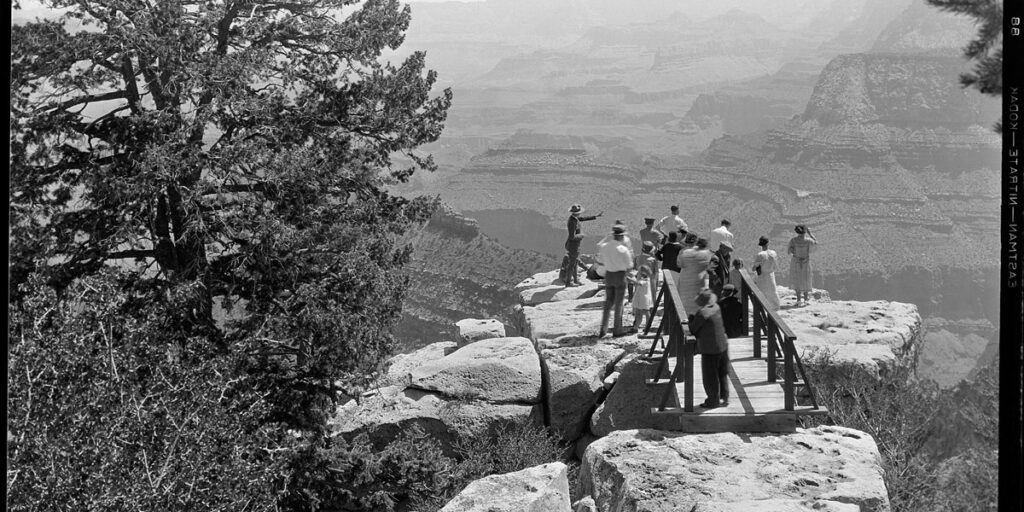
The Grand Canyon National Park spans roughly 277 miles along the Colorado River and plunges as deep as about one mile. Before a hike below the rim, check what to pack for the Grand Canyon. Typical rim-to-rim routes range from 10 to 24 miles depending on trailheads and variations, with net elevation changes of 5,000 feet or more between rims.
Permits are required for backcountry camping; summer brings extreme heat, so spring and fall are the safest windows. Consider a shuttle or drop vehicle (South Kaibab to Bright Angel is a popular pairing) and look into Phantom Ranch overnight reservations if you want a rustic stay at the canyon floor.
Train for sustained descents and steep climbs, pack layers for big temperature swings, and carry more water than you think. Check the National Park Service for route conditions and official regulations.
2. Section-Backpack on the Appalachian Trail
The Appalachian Trail’s appeal is its accessibility and history: roughly 2,190 miles of trail across 14 states, with everything from easy valley miles to rock-strewn mountain passages.
A multi-day section hike (three to 14 days) lets you taste long-distance hiking without committing to a thru-hike. Typical daily mileage for sections varies from 8–15 miles depending on terrain and pace, and the most popular months run May through October.
Use shelter/routes for resupply planning, learn Leave No Trace ethics, and consult the Appalachian Trail Conservancy for maps and current advisories. Popular sections include Shenandoah National Park, New Hampshire’s White Mountains, and Great Smoky Mountains National Park.
3. Rock Climb El Capitan (or Try a Guided Multi-Pitch Route)
El Capitan’s roughly 3,000-foot granite face is one of climbing’s crown jewels; you can attempt a full big-wall ascent or book guided multi-pitch climbs in Yosemite for a taste of exposure and technical movement.
Historic routes like The Nose were first ascended in 1958 and are serious undertakings that commonly take two to five days and require hauling systems, portaledges, and advanced aid or free-climbing skills. Guided multi-pitch options let less-experienced climbers learn rope management and exposure techniques over a few hours to a day.
Check permit rules with Yosemite National Park, consider training courses, and look to organizations such as the American Alpine Club for safety guidance.
4. Sea Kayak the Alaska Inside Passage
Paddle among fjords, tidewater glaciers, and abundant wildlife on multi-day trips through the Alaska Inside Passage.
Trips range from guided expeditions of several days to weeklong circumnavigations. Tides, currents, and rapidly changing weather make cold-water skills and self-rescue competence essential; many operators require or strongly recommend a drysuit and VHF radio.
Wildlife encounters—bald eagles, humpback whales, and sea otters—are common in summer months, and many departures run June through September. Consider guides out of Juneau or Sitka and check resources at Glacier Bay National Park for route and safety tips.
Adrenaline & Extreme Sports
This category is for heart-rate-raising activities offered by regulated operators. Many require certifications for advanced options, and safety credentials are the most important booking filter.
Participation in regulated adventure sports has improved safety records over recent decades thanks to industry standards and training; still, carry insurance and an emergency plan. Look for operator credentials, positive reviews, and membership in governing bodies such as the USPA or American Whitewater.
5. Tandem Skydiving Over Coastal Drop Zones
There are few sensations like stepping from a plane and freefalling toward a patchwork of ocean, beach, or farmland, with a parachute ride to finish.
Tandems are the standard first jump: you’re attached to a trained instructor, briefed on safety, and often experience roughly 45–60 seconds of freefall from altitudes of 10,000–14,000 feet before canopy deployment.
Choose a USPA-affiliated drop zone, review medical and age restrictions, and expect a short training session before boarding. Popular coastal centers include sites near Orlando, FL and San Diego, CA.
6. Bridge Jumping or Ziplining at New River Gorge
New River Gorge has evolved into an adventure hub since its 2020 designation as New River Gorge National Park and Preserve, centered on a dramatic bridge and steep canyons.
The New River Gorge Bridge stands about 876 feet above the river, and the area offers guided rappels, zipline tours, and licensed bridge-jump experiences operated by reputable outfitters. Expect waivers, equipment checks, and trained guides.
Late spring through early fall is the best season for these activities. Note that Bridge Day (an annual spectator event) has different rules from commercial outfitters, so book with licensed operators in Fayetteville, WV.
7. Whitewater Rafting the Gauley or Colorado Rivers
For technical whitewater, the Gauley River in West Virginia is famous for Class IV–V rapids during Gauley Season (typically September–October). For epic multi-day runs, the Colorado River through the Grand Canyon offers sustained river wilderness.
Rapid classes indicate difficulty and required skill; advanced runs need prior experience or a trusted guide. The Grand Canyon requires a permit or booking through authorized outfitters and often uses a lottery system for commercial and private trips.
Bring a helmet, PFD, dry bags, and an attitude for wet, physical travel. Use resources like American Whitewater and National Park Service guidance for route planning and safety.
8. Heli-Skiing or Snowcat Access Skiing in Alaska
Heli-skiing and snowcat skiing open lines you can’t reach from a lift: long verticals, deep powder, and remote alpine terrain characterize the Alaskan experience.
These trips are aimed at experienced skiers and splitboarders. Expect verticals of several thousand feet on some runs, and mandatory avalanche training, beacon use, shovel, and probe. Guide certification and local knowledge reduce risk.
Season runs winter into spring, costs are high, and daily capacity is limited. Look for reputable operators around Valdez and Haines, and consider taking an avalanche course before signing up.
Unique Natural & Cultural Adventures
This group mixes natural phenomena with regional culture: night-sky experiences, volcanic landscapes, and festival-based spectacles. Many of these are lower-skill but high-wonder, and timing matters.
Respect sensitive environments — light rules, cave etiquette, and wildlife buffers matter. For science-based context, consult groups like NOAA and local park ranger services.
9. Paddle Through Bioluminescent Bays or Surfacing Waters
Paddling through glowing water is a genuinely surreal experience: microorganisms light up with each stroke, turning a night paddle into a living constellation.
Hotspots in U.S. territories and states include Mosquito Bay on Vieques (Puerto Rico), stretches of the Indian River Lagoon in Florida, and a few protected coastal coves. Peak displays often occur in late spring and summer when conditions are right.
Choose guided tours that follow local rules to minimize disturbance, avoid bright lights, and maintain a strict no-contact policy to protect fragile ecosystems. For science and stewardship, consult local marine research groups and NOAA resources.
10. Explore Lava Tubes and Volcanic Landscapes in Hawaii
Walking through a lava tube is like stepping into the geological past: smooth rock passages carved by flowing lava create otherworldly tunnels and skylights.
Accessible sites include Thurston Lava Tube in Hawai‘i Volcanoes National Park, but volcanic conditions do change — Kīlauea’s eruptions in 2018 reshaped parts of the island and remain a reminder to check advisories before traveling.
Carry headlamps, stay on marked trails, and follow ranger guidance. Longer guided spelunking trips exist for more adventurous cavers; consult the National Park Service for current safety notices.
11. Ride in a Hot-Air Balloon Over Albuquerque
The Albuquerque International Balloon Fiesta each October is a visual feast: mass ascensions and balloon glows fill the sky and ground with color across several days.
The Fiesta routinely features hundreds of balloons and draws roughly 500,000 to 800,000 spectators over the event, making early booking essential for dawn flights. Weather conditions drive final decisions, and operators give safety briefings and ground procedures before every launch.
Book with vetted companies, expect early-morning starts, and be prepared for last-minute cancellations if winds pick up. The FAA and local operators publish safety guidelines for passengers.
12. Cave and Karst Exploration at Mammoth Cave National Park
Mammoth Cave is the world’s longest known cave system, with more than 400 miles of surveyed passages beneath central Kentucky.
The park offers a range of tours, from easy show-cave walks to rugged wild-caving adventures that require reservations, helmets, and extra gear. Conservation rules are strict to protect fragile cave ecosystems and archaeology.
Start with a ranger-led tour to learn cave etiquette, and reference the National Speleological Society for guidance if you plan wild-caving. Check the National Park Service for current visitation and tour availability.
Summary
- Variety across landscapes: from rim-to-rim desert treks and glacier paddles to urban festivals and cave systems, there’s an adventure for many fitness levels.
- Preparation and safety matter: permits, seasonal windows, and proper training or certified guides keep trips memorable for the right reasons.
- Respect the places you visit: follow Leave No Trace, wildlife buffers, light and cave etiquette, and park regulations to preserve these features for others.
- Use trusted resources when planning: National Park Service, Appalachian Trail Conservancy, and accredited local guide organizations are excellent starting points.
- Pick one of these adventurous things to do in the United States and start planning responsibly — small steps in preparation unlock big experiences.
In 1912, Teddy Roosevelt championed the idea of preserving rugged landscapes and public lands for Americans to explore — an idea that helped create the national parks and a culture of adventure that still draws visitors today.
That impulse endures: the United States protects more than 400 national park units and 63 official national parks, and many of those places are set up for active exploration. Adventure travel in the U.S. builds stamina, reduces stress, and creates stories you tell for years.
From desert canyons to alpine glaciers and coastal waters, this list highlights a dozen genuinely daring experiences that challenge the body and spark curiosity. The selections are grouped into three categories: Epic Outdoor Adventures; Adrenaline & Extreme Sports; and Unique Natural & Cultural Adventures. If you’re searching for adventurous things to do in the United States, you’ll find options across skill levels and regions — plus the resources to plan them safely.
Epic Outdoor Adventures
These are long-form, landscape-driven trips — multi-day efforts that reward planning and basic backcountry skills. Expect route planning, permit windows, and seasonal constraints for most entries here.
Know the big stats going in: the Appalachian Trail runs roughly 2,190 miles across 14 states, and the Grand Canyon reaches depths of about one mile in places. For planning, consult the National Park Service, the Appalachian Trail Conservancy, and reputable outfitters or courses such as REI and Outward Bound.
Plan for fitness, layered clothing, navigation skills, and a conservative turnaround mindset. Permits and shuttle logistics often shape when and how you do these trips.
1. Rim-to-Rim Hike at the Grand Canyon
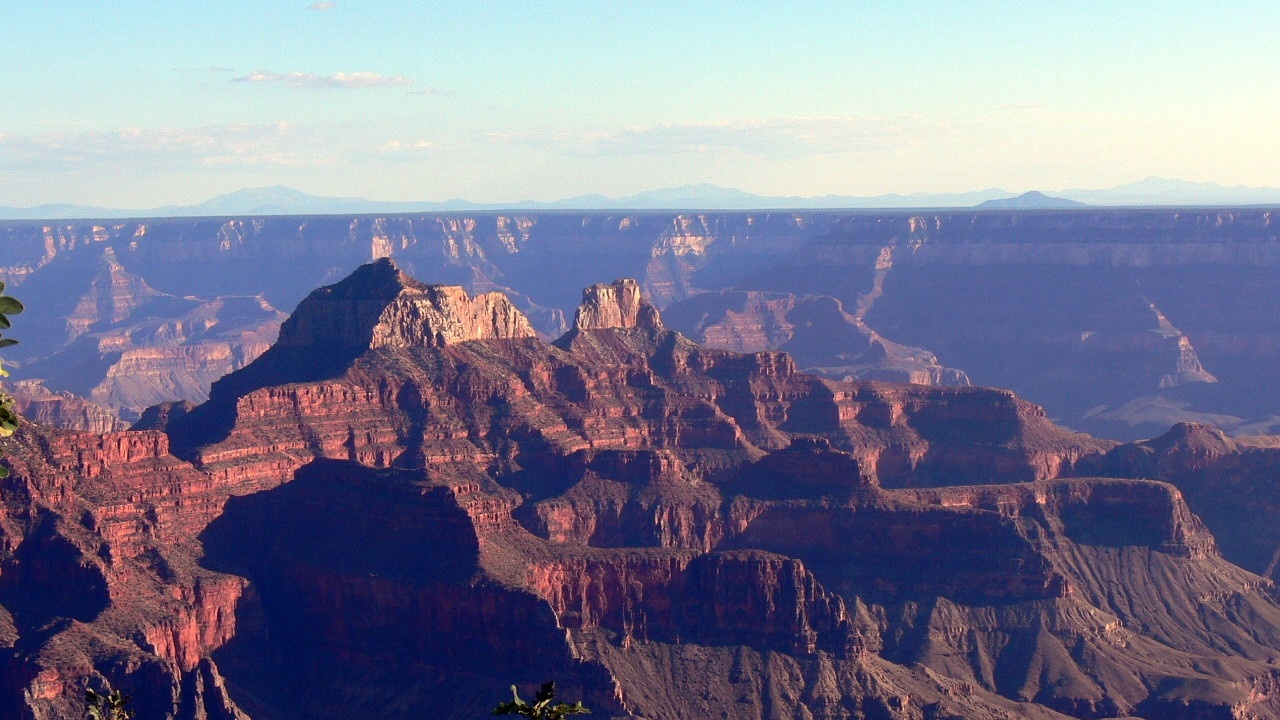
Point-to-point across one of the world’s most famous canyons: a rim-to-rim trek delivers desert vistas, river narrows, and serious elevation change.
The Grand Canyon National Park spans roughly 277 miles along the Colorado River and plunges as deep as about one mile. Before a hike below the rim, check what to pack for the Grand Canyon. Typical rim-to-rim routes range from 10 to 24 miles depending on trailheads and variations, with net elevation changes of 5,000 feet or more between rims.
Permits are required for backcountry camping; summer brings extreme heat, so spring and fall are the safest windows. Consider a shuttle or drop vehicle (South Kaibab to Bright Angel is a popular pairing) and look into Phantom Ranch overnight reservations if you want a rustic stay at the canyon floor.
Train for sustained descents and steep climbs, pack layers for big temperature swings, and carry more water than you think. Check the National Park Service for route conditions and official regulations.
2. Section-Backpack on the Appalachian Trail
The Appalachian Trail’s appeal is its accessibility and history: roughly 2,190 miles of trail across 14 states, with everything from easy valley miles to rock-strewn mountain passages.
A multi-day section hike (three to 14 days) lets you taste long-distance hiking without committing to a thru-hike. Typical daily mileage for sections varies from 8–15 miles depending on terrain and pace, and the most popular months run May through October.
Use shelter/routes for resupply planning, learn Leave No Trace ethics, and consult the Appalachian Trail Conservancy for maps and current advisories. Popular sections include Shenandoah National Park, New Hampshire’s White Mountains, and Great Smoky Mountains National Park.
3. Rock Climb El Capitan (or Try a Guided Multi-Pitch Route)
El Capitan’s roughly 3,000-foot granite face is one of climbing’s crown jewels; you can attempt a full big-wall ascent or book guided multi-pitch climbs in Yosemite for a taste of exposure and technical movement.
Historic routes like The Nose were first ascended in 1958 and are serious undertakings that commonly take two to five days and require hauling systems, portaledges, and advanced aid or free-climbing skills. Guided multi-pitch options let less-experienced climbers learn rope management and exposure techniques over a few hours to a day.
Check permit rules with Yosemite National Park, consider training courses, and look to organizations such as the American Alpine Club for safety guidance.
4. Sea Kayak the Alaska Inside Passage
Paddle among fjords, tidewater glaciers, and abundant wildlife on multi-day trips through the Alaska Inside Passage.
Trips range from guided expeditions of several days to weeklong circumnavigations. Tides, currents, and rapidly changing weather make cold-water skills and self-rescue competence essential; many operators require or strongly recommend a drysuit and VHF radio.
Wildlife encounters—bald eagles, humpback whales, and sea otters—are common in summer months, and many departures run June through September. Consider guides out of Juneau or Sitka and check resources at Glacier Bay National Park for route and safety tips.
Adrenaline & Extreme Sports
This category is for heart-rate-raising activities offered by regulated operators. Many require certifications for advanced options, and safety credentials are the most important booking filter.
Participation in regulated adventure sports has improved safety records over recent decades thanks to industry standards and training; still, carry insurance and an emergency plan. Look for operator credentials, positive reviews, and membership in governing bodies such as the USPA or American Whitewater.
5. Tandem Skydiving Over Coastal Drop Zones
There are few sensations like stepping from a plane and freefalling toward a patchwork of ocean, beach, or farmland, with a parachute ride to finish.
Tandems are the standard first jump: you’re attached to a trained instructor, briefed on safety, and often experience roughly 45–60 seconds of freefall from altitudes of 10,000–14,000 feet before canopy deployment.
Choose a USPA-affiliated drop zone, review medical and age restrictions, and expect a short training session before boarding. Popular coastal centers include sites near Orlando, FL and San Diego, CA.
6. Bridge Jumping or Ziplining at New River Gorge
New River Gorge has evolved into an adventure hub since its 2020 designation as New River Gorge National Park and Preserve, centered on a dramatic bridge and steep canyons.
The New River Gorge Bridge stands about 876 feet above the river, and the area offers guided rappels, zipline tours, and licensed bridge-jump experiences operated by reputable outfitters. Expect waivers, equipment checks, and trained guides.
Late spring through early fall is the best season for these activities. Note that Bridge Day (an annual spectator event) has different rules from commercial outfitters, so book with licensed operators in Fayetteville, WV.
7. Whitewater Rafting the Gauley or Colorado Rivers
For technical whitewater, the Gauley River in West Virginia is famous for Class IV–V rapids during Gauley Season (typically September–October). For epic multi-day runs, the Colorado River through the Grand Canyon offers sustained river wilderness.
Rapid classes indicate difficulty and required skill; advanced runs need prior experience or a trusted guide. The Grand Canyon requires a permit or booking through authorized outfitters and often uses a lottery system for commercial and private trips.
Bring a helmet, PFD, dry bags, and an attitude for wet, physical travel. Use resources like American Whitewater and National Park Service guidance for route planning and safety.
8. Heli-Skiing or Snowcat Access Skiing in Alaska
Heli-skiing and snowcat skiing open lines you can’t reach from a lift: long verticals, deep powder, and remote alpine terrain characterize the Alaskan experience.
These trips are aimed at experienced skiers and splitboarders. Expect verticals of several thousand feet on some runs, and mandatory avalanche training, beacon use, shovel, and probe. Guide certification and local knowledge reduce risk.
Season runs winter into spring, costs are high, and daily capacity is limited. Look for reputable operators around Valdez and Haines, and consider taking an avalanche course before signing up.
Unique Natural & Cultural Adventures
This group mixes natural phenomena with regional culture: night-sky experiences, volcanic landscapes, and festival-based spectacles. Many of these are lower-skill but high-wonder, and timing matters.
Respect sensitive environments — light rules, cave etiquette, and wildlife buffers matter. For science-based context, consult groups like NOAA and local park ranger services.
9. Paddle Through Bioluminescent Bays or Surfacing Waters
Paddling through glowing water is a genuinely surreal experience: microorganisms light up with each stroke, turning a night paddle into a living constellation.
Hotspots in U.S. territories and states include Mosquito Bay on Vieques (Puerto Rico), stretches of the Indian River Lagoon in Florida, and a few protected coastal coves. Peak displays often occur in late spring and summer when conditions are right.
Choose guided tours that follow local rules to minimize disturbance, avoid bright lights, and maintain a strict no-contact policy to protect fragile ecosystems. For science and stewardship, consult local marine research groups and NOAA resources.
10. Explore Lava Tubes and Volcanic Landscapes in Hawaii
Walking through a lava tube is like stepping into the geological past: smooth rock passages carved by flowing lava create otherworldly tunnels and skylights.
Accessible sites include Thurston Lava Tube in Hawai‘i Volcanoes National Park, but volcanic conditions do change — Kīlauea’s eruptions in 2018 reshaped parts of the island and remain a reminder to check advisories before traveling.
Carry headlamps, stay on marked trails, and follow ranger guidance. Longer guided spelunking trips exist for more adventurous cavers; consult the National Park Service for current safety notices.
11. Ride in a Hot-Air Balloon Over Albuquerque
The Albuquerque International Balloon Fiesta each October is a visual feast: mass ascensions and balloon glows fill the sky and ground with color across several days.
The Fiesta routinely features hundreds of balloons and draws roughly 500,000 to 800,000 spectators over the event, making early booking essential for dawn flights. Weather conditions drive final decisions, and operators give safety briefings and ground procedures before every launch.
Book with vetted companies, expect early-morning starts, and be prepared for last-minute cancellations if winds pick up. The FAA and local operators publish safety guidelines for passengers.
12. Cave and Karst Exploration at Mammoth Cave National Park
Mammoth Cave is the world’s longest known cave system, with more than 400 miles of surveyed passages beneath central Kentucky.
The park offers a range of tours, from easy show-cave walks to rugged wild-caving adventures that require reservations, helmets, and extra gear. Conservation rules are strict to protect fragile cave ecosystems and archaeology.
Start with a ranger-led tour to learn cave etiquette, and reference the National Speleological Society for guidance if you plan wild-caving. Check the National Park Service for current visitation and tour availability.
Summary
- Variety across landscapes: from rim-to-rim desert treks and glacier paddles to urban festivals and cave systems, there’s an adventure for many fitness levels.
- Preparation and safety matter: permits, seasonal windows, and proper training or certified guides keep trips memorable for the right reasons.
- Respect the places you visit: follow Leave No Trace, wildlife buffers, light and cave etiquette, and park regulations to preserve these features for others.
- Use trusted resources when planning: National Park Service, Appalachian Trail Conservancy, and accredited local guide organizations are excellent starting points.
- Pick one of these adventurous things to do in the United States and start planning responsibly — small steps in preparation unlock big experiences.