Costa Rica protects roughly 25% of its land and is home to about 5% of the world’s species — a tiny country with outsized wild appeal. Imagine mist drifting through Monteverde’s cloud forest, the thunder of the Pacuare rapids, and steam rising from Arenal’s hot springs.
These landscapes are easy to access thanks to well-run outfitters, clear trail systems, and a long history of conservation-minded tourism (Arenal’s major eruption cycle began in 1968, putting the volcano on the global map). That infrastructure means travelers can choose full-on adrenaline or gentle wildlife watching without sacrificing safety.
From cloud-forest ziplines to volcanic hikes and surf breaks, Costa Rica packs eight truly memorable adventures that suit first-timers and adrenaline junkies alike. Below are eight top adventures in Costa Rica, grouped into three practical categories: rainforest & canopy, water & coast, and volcanoes/highlands & wildlife.
Rainforest and Canopy Adventures
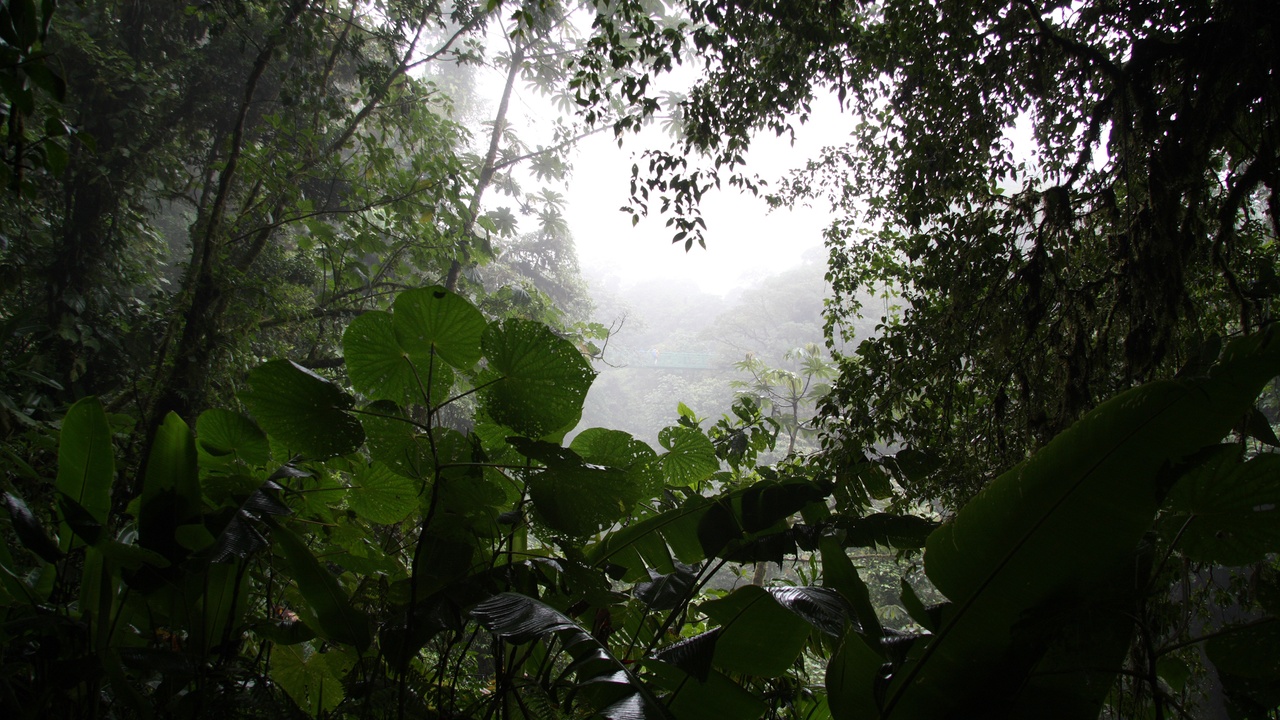
The cloud forests around Monteverde and the lowland rainforests near La Fortuna are two of Costa Rica’s best bases for canopy experiences. Trails, hanging bridges, and ziplines showcase biodiversity from the treetops while operators prioritise safety and accessibility.
Most companies offer guided tours and safety briefings, and there are options for families, photographers, and thrill-seekers alike. Monteverde alone draws hundreds of thousands of visitors to its reserves each year, making it a reliable spot for wildlife viewing.
1. Zip-lining through Monteverde or Arenal
Zip-lining is the fastest way to feel the cloud forest. Courses typically feature multiple lines; common lengths run from about 200 to 900 meters, with platforms perched anywhere from 20 up to 200 meters above the canopy.
Trusted operators include Sky Adventures (Monteverde and Arenal) and Ecoglide. A typical tour lasts 2–4 hours and starts with a safety briefing, professional harness systems, and instructor-led launches. Weight and age limits vary, but family-friendly lines and tandem/Superman-style options are often available in Arenal.
For travelers short on time, a morning zipline gives big payoff: panoramic views, a rush of speed, and a series of platforms and lines (many Monteverde courses list 8–10 lines with one long “main” run) all in a half-day activity.
2. Hanging-bridge and canopy walks for wildlife spotting
Hanging bridges let you move slowly through the canopy to spot birds, sloths, and monkeys at eye level. Bridges range from short walkways to long suspended spans that drift through multiple forest layers.
Selvatura Park in Monteverde and Mistico Park in Arenal maintain extensive hanging-bridge trails where guides point out species such as toucans, howler monkeys, and three-toed sloths. Typical bridge heights put you within the canopy, perfect for photographers.
Bring binoculars, a lightweight waterproof jacket, and wear closed-toe shoes. These low-impact canopy experiences are ideal for families and anyone who prefers observation over speed.
3. Night walks to see nocturnal species
A guided night walk flips the forest’s rhythms and brings out frogs, tarantulas, tree frogs, and nocturnal mammals like kinkajous. Guides know the right microhabitats and have trained eyes for small, well-camouflaged creatures.
Night tours typically run 1.5–3 hours with small groups (8–12 people). Monteverde Reserve and several local naturalist companies lead walks that balance safety (stay on trails, careful footing) with high sighting rates.
Pack a headlamp with a red filter or a dim setting and wear insect repellent. Guided night walks are short time commitments but consistently yield memorable encounters with wildlife you won’t see during daytime hikes.
Water and Coastal Adventures
Costa Rica’s Pacific and Caribbean coasts offer contrasting surf seasons, protected marine parks, and rivers carved through rainforest. From long-point waves and beach breaks to Class III–IV river runs, the country’s water-based options are varied and well-supported.
4. Surfing top breaks: Tamarindo, Santa Teresa, and Pavones
Costa Rica has surf for learners and professionals alike. Tamarindo and Santa Teresa are friendly for beginners with beachbreaks and plenty of surf schools, while Pavones (on the Southern Pacific) can produce one of the longest left-hand waves in the world when conditions align.
Best surf months on the Pacific tend to be November–April for consistent dry-season swells, though the southern coast and Pavones offer more year-round options. Break types include forgiving beachbreaks and technical point breaks for advanced surfers.
Expect rental boards to run about $10–$30 per day and lessons roughly $40–$70. Local surf schools in Tamarindo and Santa Teresa provide coached group sessions and board rental packages for all skill levels.
5. Whitewater rafting on the Pacuare and Savegre Rivers
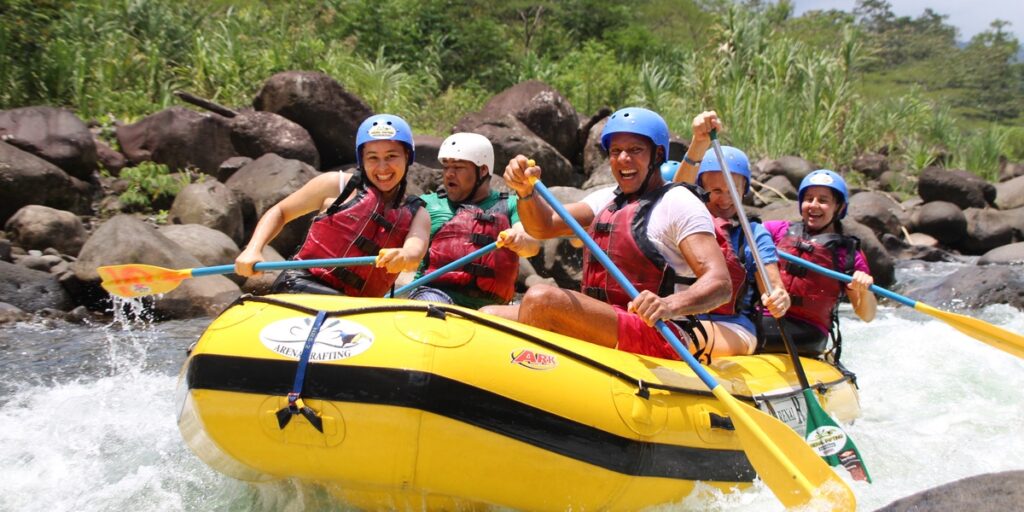
For adrenaline on water, Pacuare tops the list. The Pacuare commonly presents Class III–IV rapids and is frequently ranked among the world’s best single-day or multi-day rafting rivers.
Trips vary from single-day runs (4–8 hours) to multi-day expeditions with rainforest lodge stays (2–3 days). Operators often emphasize sustainable practices and work with local communities to protect river corridors.
For families or gentler runs, the Savegre offers milder whitewater and scenic paddling. Bring quick-dry clothing; water temperatures are warm but a light wetsuit or splash jacket can help on windier days.
6. Snorkeling and diving: Cahuita, Isla del Caño, and Catalina Islands
Costa Rica’s marine parks reward snorkelers and divers with coral gardens, sea turtles, and colorful reef fish. Cahuita sits on the Caribbean coast, while Isla del Caño and the Catalina Islands lie off the Pacific shore.
Protected-area rules — no-take zones and regulated mooring — help keep reefs healthy. Visibility and best seasons vary by coast; plan Caribbean trips in the calmer months and Pacific dives for predictable dry-season conditions.
Common sightings include green sea turtles, eagle rays, and abundant reef fish. Operators run half-day snorkel trips and full-day dive excursions; expect most outings to last from a few hours to a full day on the water.
Volcanoes, Highlands, and Wildlife Encounters
Costa Rica’s volcanic spine and national parks host dramatic hikes, geothermal hot springs, and some of the Western Hemisphere’s richest wildlife. National parks and reserves safeguard much of this diversity, giving travelers structured ways to explore.
7. Hike Arenal Volcano and relax in La Fortuna hot springs
Hike for sweeping views of Arenal and then soak in nearby hot springs to recover. Arenal’s major eruption cycle began in 1968, and though activity has decreased in recent years, visitors should check current reports before visiting.
Trails in Arenal Volcano National Park range from easy to moderate; common hikes take 2–4 hours round-trip depending on route and pace. Park entry fees apply and are posted at park offices.
Hot-spring options span budget public baths to upscale resorts. La Fortuna hosts several well-known operators, including Tabacon, Baldi, and EcoTermales, with prices ranging from modest public pools to higher-end resort passes.
8. Wildlife trekking in Corcovado or birding in Monteverde
For serious wildlife encounters, head to Corcovado on the Osa Peninsula or to Monteverde for cloud-forest birding. Corcovado is often cited as one of the most biodiverse places on Earth for its size, and Costa Rica records roughly 900 bird species overall.
Visitors can join guided day hikes or multi-day treks to ranger stations in Corcovado; guided tours increase sighting rates for tapir, scarlet macaw, and a variety of frogs and reptiles. Monteverde is famous for quetzal sightings and specialized birding walks.
Permits or ranger fees apply in many parks; bring binoculars, a lightweight rain jacket, and sturdy boots. Local guides provide not only identification expertise but also safety and support in remote areas.
Summary
- Choose from canopy, coastal, and volcanic/wildlife experiences to match your energy level and interests.
- Many activities are accessible to families and novices, while multi-day treks or Class III–IV rafting suit more experienced adventurers.
- Costa Rica protects roughly 25% of its land and harbors about 5% of the world’s species, so conservation-minded operators and park rules help keep experiences rich.
- Pick one of the adventurous things to do in Costa Rica near your travel dates, book a certified guide or operator, and verify current conditions (weather, volcanic activity, park status) before you go.