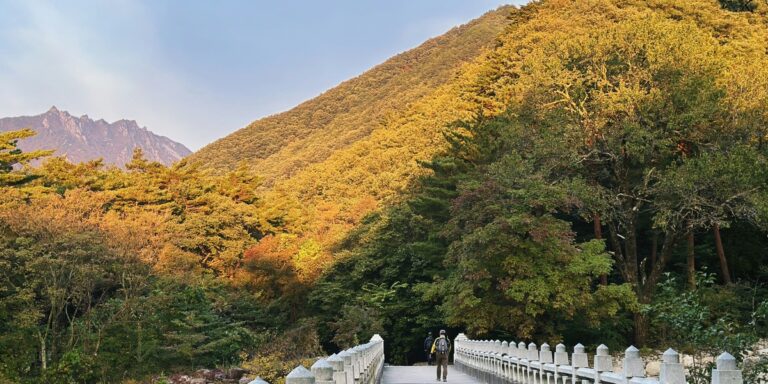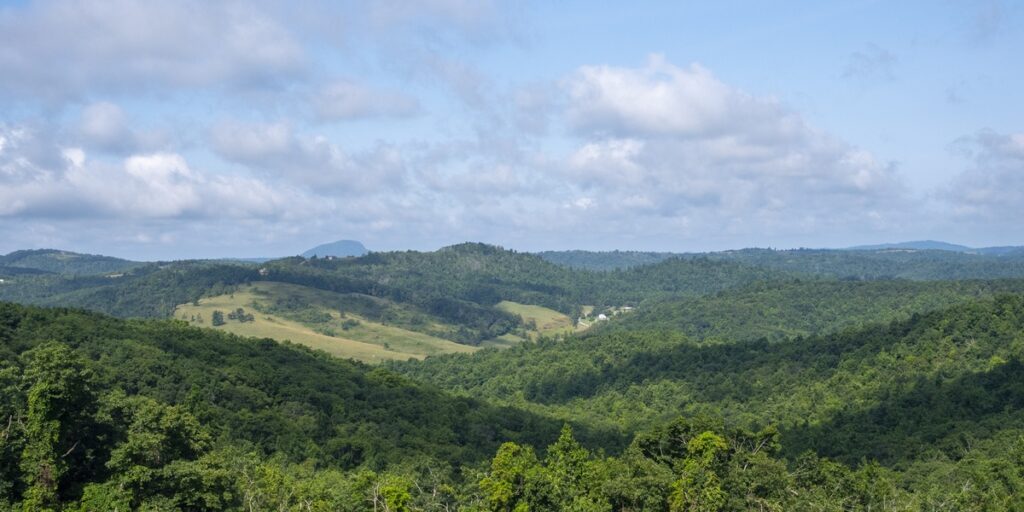
Brasstown Bald rises to 4,784 feet, a reminder that Georgia has real mountain adventure within a few hours’ drive of major cities.
Georgia packs mountains, rivers, coast and swamps into one state, so you can go from high ridgeline views to salt‑marsh paddles without a long plane ride. This guide focuses on the U.S. state of Georgia (not the country) and highlights eight distinct adventures across those landscapes, each with practical tips, concrete examples, and at least one specific statistic or fact.
Whether you’re chasing whitewater, sleeping beneath ancient pines, or paddling beside wild horses, Georgia serves up serious adventure — and this piece highlights eight experiences that deliver the most memorable, accessible thrills.
Below are eight adventures, organized by terrain, with safety notes, logistics, and local examples to help you plan your next trip.
Mountain Trails & Peaks
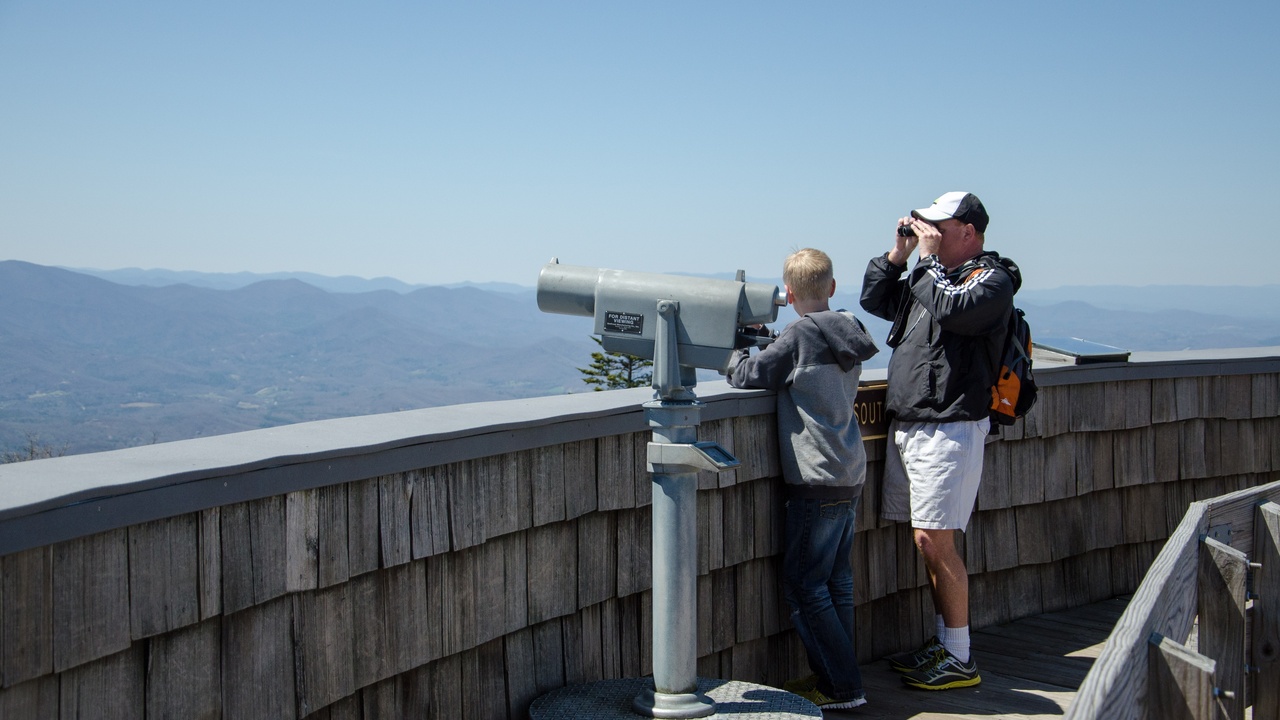
The North Georgia mountains are compact but varied, offering everything from short summit jaunts to multi‑day backcountry pushes. The Appalachian Trail’s southern approach (with roughly 78 miles of AT and connector trails in Georgia) gives serious peak‑baggers plenty of options, while state parks like Cloudland Canyon provide well‑maintained loop trails and waterfall views.
Pack light but smart: layered clothing, windproof shell, map or GPS, first‑aid kit, headlamp, 2–3 liters of water, and a small emergency blanket work for day trips; add a stove, shelter, and permit documentation for overnight trips. Spring and fall offer the best balance of visibility and temperatures, though summer thunderstorms can arrive quickly.
Permits are sometimes required for backcountry camping in state parks and national forests, so check ahead. Mountain weather can change fast—carry warm layers and tell someone your route before you go.
1. Hike to the Summit of Brasstown Bald
Hiking Brasstown Bald delivers panoramic Appalachian views and a crisp mountain feel without complicated logistics. The summit sits at 4,784 feet and features a visitor center with a short paved path and observation platform.
For many visitors a short hike from the lot or the visitor‑center shuttle makes the summit accessible to photographers and families (the paved observation area is wheelchair accessible). Visit spring through fall for the best visibility and bring windproof layers—summit winds can be noticeably colder than lower elevations.
Combine a Brasstown Bald stop with nearby ridge hikes on the Brasstown area trails for a half‑day outing that still feels wild.
2. Tackle Multi-Day Sections of the Appalachian Trail and Nearby Backcountry
Overnight trekking in the southern Appalachians delivers solitude, steep climbs, and rock outcrops—expect typical multi‑day distances of 10–15 miles per day for a comfortable pace on rugged terrain. Sections around Blood Mountain feature established shelters and campsites for backpackers.
Staging towns such as Dahlonega and Blairsville make resupply and shuttles straightforward, and many state parks require backcountry campsite reservations or permits. Practice Leave No Trace, cache supplies if needed, and plan for extra time on rocky, steep sections.
Example itinerary: a 2–3 day loop using Appalachian‑Trail approaches near Blood Mountain, combining day mileage of 10–12 miles with an overnight at a designated shelter or backcountry site.
Rivers, Rapids & Waterways
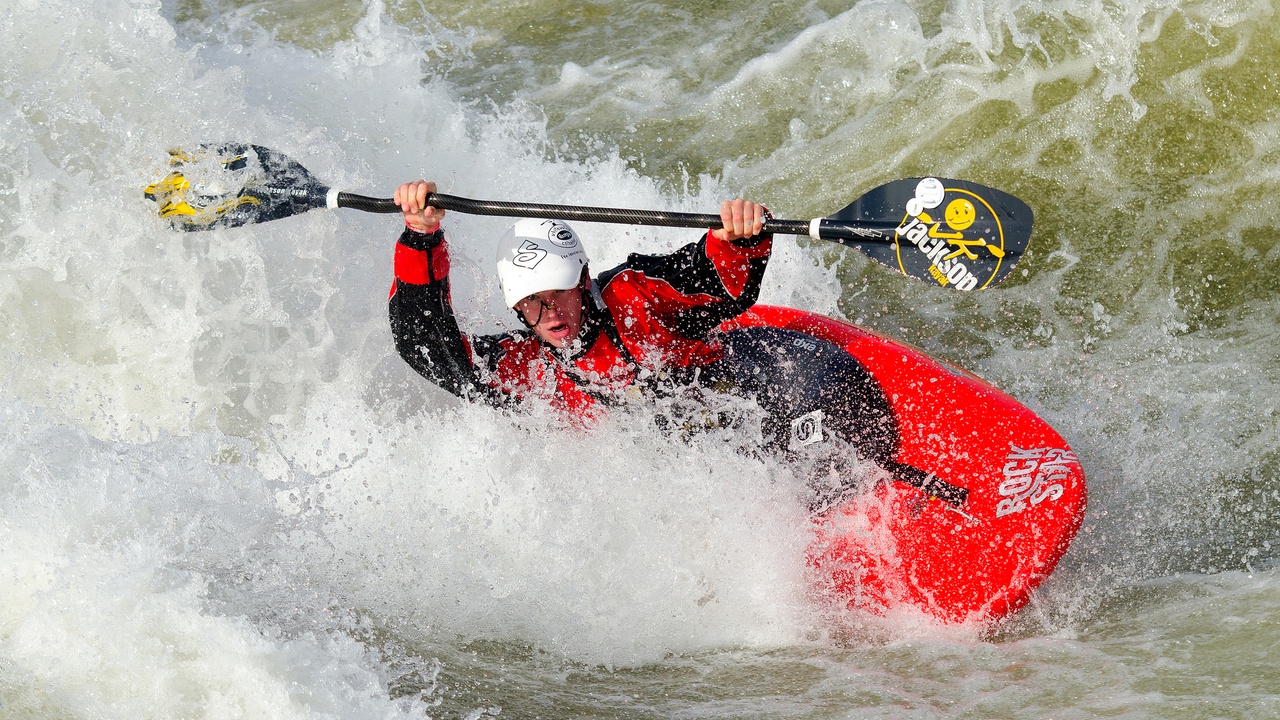
Georgia’s rivers range from calm urban stretches to technical whitewater and remote canoe floats. The Chattahoochee River National Recreation Area provides multiple urban put‑ins near Atlanta for easy morning paddles, while the Chattooga River—designated Wild and Scenic—offers Class III–IV rapids in many sections.
Safety is essential: check river flow and gauge readings before launch, wear a life jacket at all times, and hire guides for classed rapids. You can also find extended canoe trips through coastal marshes or overnight floats in the Okefenokee for a very different water experience.
3. Paddle the Chattahoochee River — Urban to Wild
Paddling the Chattahoochee offers a convenient escape from Atlanta with stretches that suit kayaks, canoes and SUPs. The Chattahoochee River National Recreation Area includes multiple access points near Roswell and island loop sections that work well for 2–4 hour outings.
Rentals and shuttle services operate within 30 minutes of downtown, making after‑work paddles realistic. Visit in spring or fall for milder temps and more wildlife sightings (look for herons, kingfishers and river otters) and plan put‑ins around lower flow weeks.
4. Run the Chattooga River — Wild, Scenic, and Adventurous
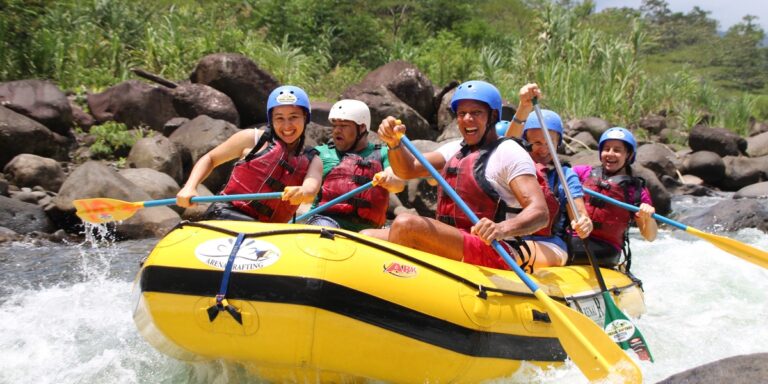
The Chattooga is a Southeast whitewater classic and a Wild and Scenic river with long, rugged reaches and technical rapids—many runs feature Class III–IV rapids. It’s a place for experienced paddlers, but guided raft and kayak companies run safe, interpreted trips for novices on less technical sections.
Typical logistics include put‑in and take‑out shuttle coordination; outfitters handle shuttles and safety briefings. Always check current flows and consider hiring a reputable guide for technical runs—conditions can change quickly after rain.
Coastline, Islands & Marshes
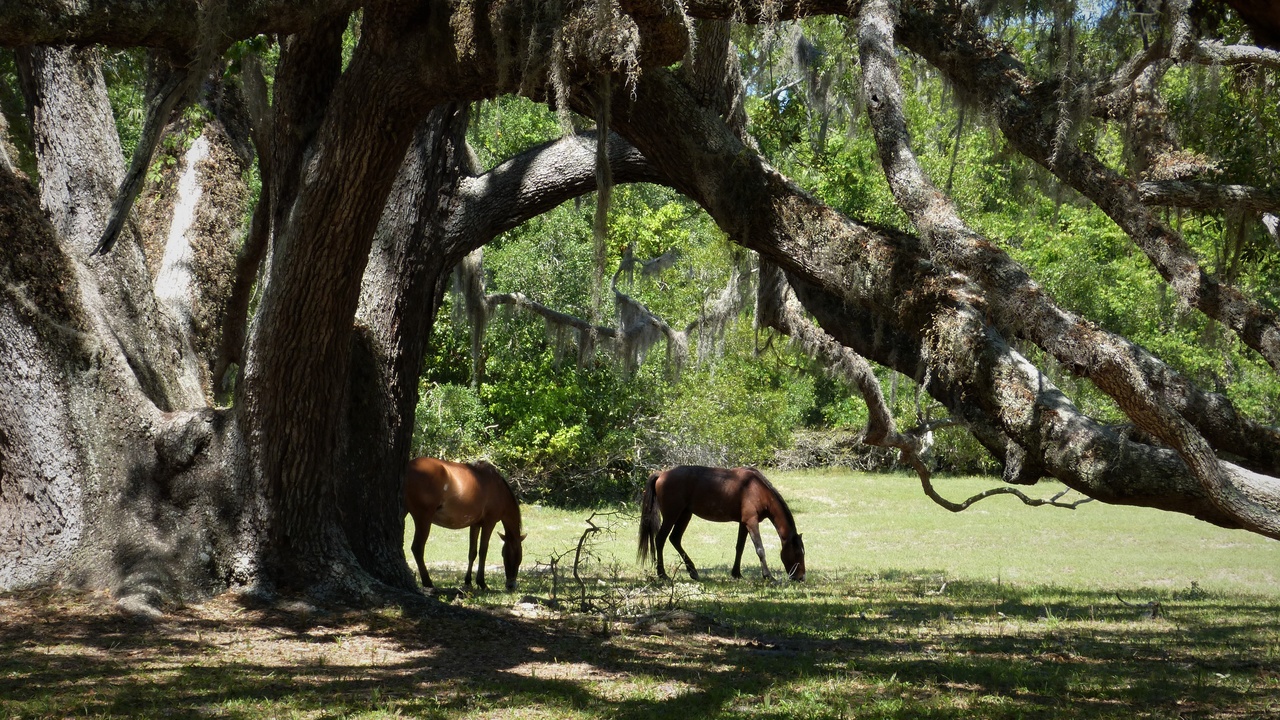
Georgia’s coast combines barrier islands, tidal marshes and a giant peat swamp, giving paddlers and campers a range of low‑angle adventures. Cumberland Island National Seashore runs about 18 miles long and is famed for its wild horses, while Okefenokee National Wildlife Refuge sprawls across roughly 438,000 acres of peat‑filled swamp.
Plan for ferry reservations (Cumberland Island often sells out in summer), tidal timing for sea kayaking, and insect seasons in the marshes. Guided trips are a smart choice for first‑time sea kayakers or for multi‑day canoe circuits in the Okefenokee.
5. Explore Cumberland Island — Kayak, Hike, and Spot Wild Horses
Cumberland Island feels remote despite accessible ferry service from St. Marys; the barrier island stretches about 18 miles and combines beaches, maritime forests and historic ruins. Feral horses and shorebirds are common sights along the shoreline.
Ferry reservations are required and can fill up in summer, and backcountry camping requires a permit. Combine a shoreline paddle with beach camping for a multi‑day escape, bring strong bug protection in summer, and follow National Seashore rules about keeping distance from wildlife.
6. Canoe the Okefenokee — A Remote Swamp Journey
The Okefenokee’s roughly 438,000 acres make it one of the largest intact blackwater swamps in North America, offering short boardwalk loops for casual visitors and multi‑day canoe circuits for experienced paddlers. Water levels and mosquitoes are seasonal considerations.
Ranger‑led programs and guided float options are available, and permits are required for overnight stays in backcountry campsites. Pack waterproof dry bags, bug nets, and a reliable map; a guide makes longer routes safer and more informative.
Air, Heights & High-Adrenaline Activities
If you want a different kind of rush, Georgia offers zipline canopy tours, guided rock climbs and tandem skydives within driving distance of major cities. Outfitters and guide services here typically carry industry certifications and emphasize safety for customers of varying experience.
Look for guides with AMGA or ACA credentials for climbing and verified drop‑zone accreditation for skydiving. Seasonal demand peaks in spring and fall; many operators set age and weight limits (ziplines often accept children 8–10 and have upper limits near 250 lbs; tandem skydiving generally requires participants to be 18+ with weight caps around 220–240 lbs).
7. Try Canopy Tours or Ziplining in North Georgia
Zipline courses in the north Georgia mountains let you move through the canopy with guided safety lines and interpretive commentary. Many operators offer multi‑line circuits that vary by length and vertical drop.
These tours are great for groups and families; book weekend slots in advance and ask about weight/age restrictions and line lengths so you pick the right course for your comfort level.
8. Book a Tandem Skydive or Rock‑Climb with a Guide
Tandem skydiving centers near Atlanta, Savannah and central Georgia offer half‑day experiences that include ground briefings, gear checks and canopy landings. For rock climbing, guided top‑rope and rappelling sessions at Tallulah Gorge and Cloudland Canyon let novices experience exposed faces with an instructor.
Always confirm instructor credentials and equipment maintenance policies before booking. Sessions typically run a half day for climbs or several hours for a skydive visit; combine either with nearby hikes or an overnight to make a full weekend out of it.
Summary
- Georgia compresses high vertical relief and coastal wildness into one state—think Brasstown Bald at 4,784 ft, the Chattooga’s Class III–IV rapids, Cumberland Island’s ~18 miles of shoreline, and the Okefenokee’s ~438,000 acres.
- Book ferries, guided runs and backcountry permits early (summer ferry seats and weekend canopy tours fill quickly).
- Match the trip to your skill level: use certified guides for technical whitewater, climbing or skydiving and follow Leave No Trace on overnight treks.
- Pick one experience—mountain summit, river run, island paddle, or high‑adrenaline jump—and plan logistics (taxis to put‑ins, shuttle details, and equipment rentals) in advance.
- Consider adventurous things to do in Georgia as practical options: short day trips and serious backcountry routes are both easy to arrange with local outfitters and season‑aware planning.