In 1911 a massive landslide dammed a mountain river and formed Lake Sarez — a dramatic example of how Tajikistan’s landscape has been reshaped by sudden, thrilling geologic events. That same raw energy powers the high peaks and deep gorges that draw serious adventurers: the country covers roughly 143,100 km², is home to about 9.5 million people, and contains Ismoil Somoni Peak at 7,495 m. Remote valleys, high-altitude plateaus and warm household hospitality make for expeditions that feel both wild and human-scale.
Expect long approaches, basic services outside Dushanbe and a strong reliance on local guides and drivers to access the best routes. Summers bring the main trekking window when passes open, while winters turn many high slopes into ski country. Here are seven adventurous things to do in Tajikistan, organized by mountains, rivers and cultural routes.
Pamir and Fann Mountains: High-altitude trekking and mountaineering

The Pamirs and the Fann Range are the backbone of Tajikistan’s high-country appeal: vast plateaus, sharp ridges and alpine lakes framed by glaciers. Altitude is the defining factor — many routes sit above 3,000 m — so staged acclimatization, deliberate pacing and contingency days are essential. Most treks and climbs are best attempted June–September when passes clear and camps are manageable.
Remote trails mean you’ll depend on local guides, yurt camps or mule support for logistics, and some areas require permits. Expect basic infrastructure outside regional hubs, but also some of the most dramatic high-altitude scenery left in Central Asia.
1. Summit or high-altitude trek around Ismoil Somoni Peak
A mountaineering objective around Ismoil Somoni Peak is a full-on expedition: the summit reaches 7,495 m and requires glacier travel, crevasse management and high-altitude camping. Parties that attempt the summit commonly plan 2–3 weeks for the full push, including several staged camps and rest days for acclimatization.
Typical logistics include permits from national authorities, hiring experienced high-altitude guides and arranging transport to approach valleys such as Bartang or the Fedchenko Glacier region. Climbers often acclimatize via stops in Dushanbe, then Murghab or Alichur before moving into basecamp.
Expect rock and ice sections, glacier crevasses and harsh weather windows. Practical safety steps: carry a reliable altitude plan, supplemental oxygen if advised by your guide, comprehensive travel insurance with rescue coverage, and training in rope work and crevasse rescue if going unguided.
2. Trek or drive the Pamir Highway (M41) for high-road adventure
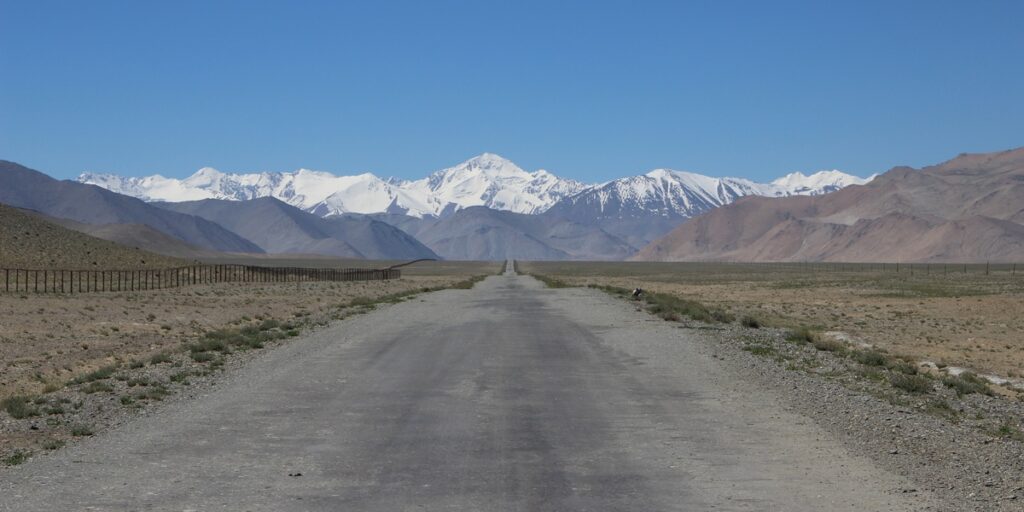
The Pamir Highway (M41) is one of the world’s highest international roads and a classic overland route. The road’s highest vehicle pass at Ak-Baital is about 4,655 m, and a relaxed Dushanbe→Khorog journey usually takes 7–10 days with stops for acclimatization, markets and short hikes.
You can self-drive in a sturdy 4×4, join a guided jeep tour, or tackle the route by motorcycle or bicycle. Road surfaces vary from paved stretches to rough dirt; plan for spare parts, extra fuel and flexible timing. The Panj River flanks parts of the route, offering dramatic border views with Afghanistan and frequent village markets in Khorog for cultural stops.
Practical advice: allow time for mechanical problems, book border and permit paperwork in advance when necessary, and consider hiring a local driver if you’re unfamiliar with high-altitude driving and remote repairs.
3. Multi-day treks in the Fann Mountains to alpine lakes
The Fann Mountains offer accessible alpine terrain, turquoise lakes and ridgelines that reward moderate effort. Iskanderkul sits at about 2,195 m and is a popular gateway for 2–5 day treks that involve non-technical scrambling, high meadows and shepherd camps.
Popular circuits include the Five Lakes around Panjakent and basecamps near the Alaudin Lakes. These trips suit mixed-ability groups and families when routes are chosen carefully, and local guesthouses or homestays provide comfortable end points after day hikes.
Best months are June–September. Obtain any regional permits in advance, hire local guides for route-finding on lesser-marked trails, and bring layers for cold nights even in summer.
Rivers, Lakes and Glaciers: Water-based and glacial adventures
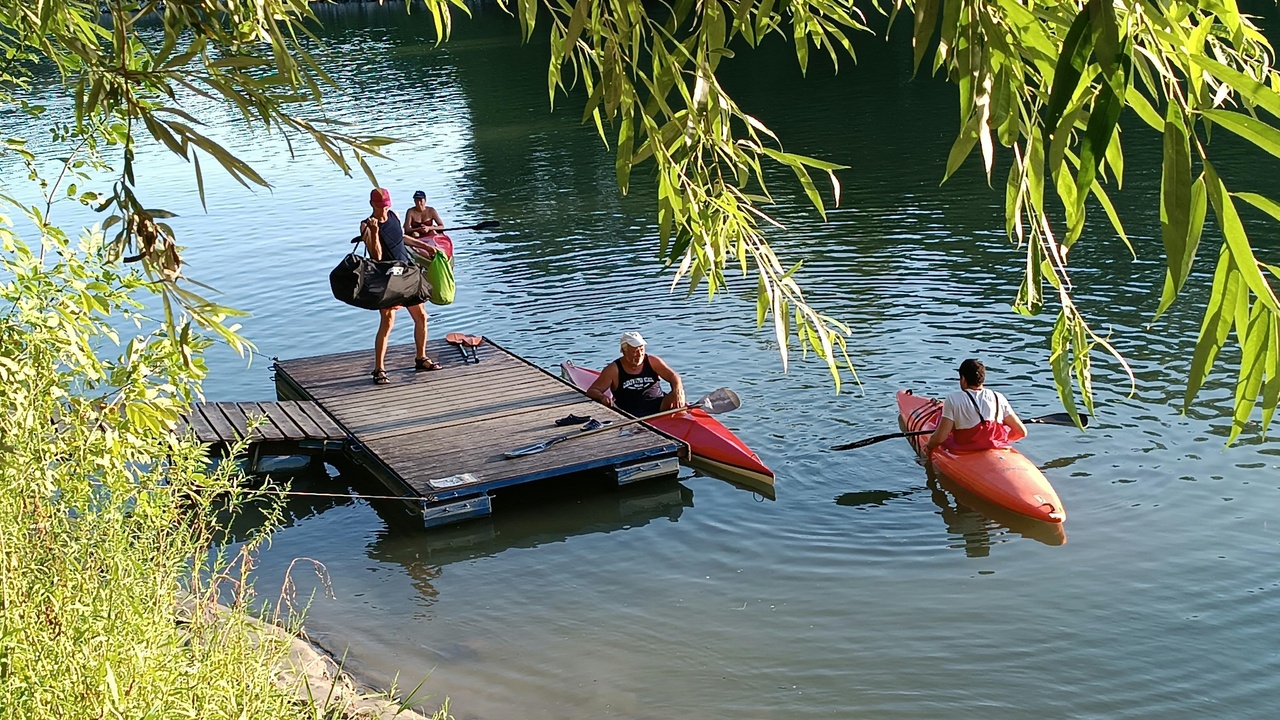
Tajikistan’s rivers cut deep gorges and its glaciers feed some of Central Asia’s most dramatic waterways. Fast seasonal flows, remote access and unique features like Lake Sarez make for water- and ice-based trips that are both scenic and logistically demanding. River season and glacier access windows are distinct, so plan around seasonal flow and weather.
Safety matters: rivers often require experienced guides and the glaciers demand crevasse-aware travel. Many of these sites are research interests as well as adventure playgrounds, so expect occasional restrictions and permit requirements.
4. Multi-day whitewater trips on the Panj and Bartang Rivers
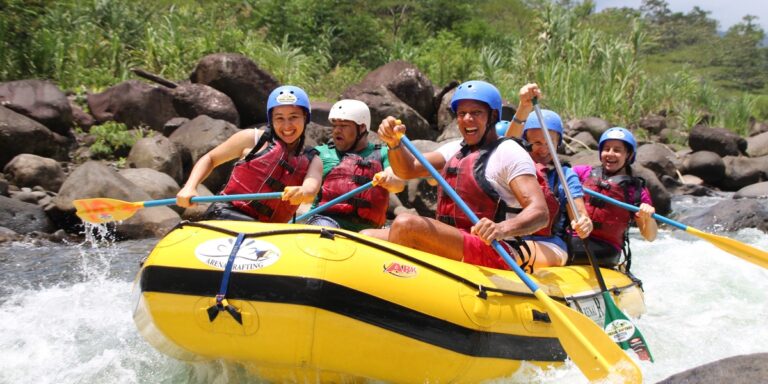
Tajikistan offers serious river running through remote gorges. Sections of the Panj and Bartang produce sustained rapids often rated around class III–IV in summer, though difficulty varies with spring melt and seasonal flows.
Rafting season typically runs May–September. Outfitters based in Khorog run multi-day trips of 2–5 days that combine rapids with overnight river camps and visits to riverside villages. Permits, safety gear and experienced river guides are standard; self-organized teams should carry rescue equipment and a reliable communications plan.
An example itinerary might begin with a short shuttle from Khorog, two full days of continuous rapids on the Bartang, and slow sections that allow for village visits and photography along the Panj.
5. Visit Lake Sarez and study the Usoi landslide dam
Lake Sarez was created by the massive Usoi landslide in 1911 and remains one of the most remarkable—and remote—geologic sites in the region. The lake’s formation and ongoing stability attract geologists and hazard specialists as well as adventurous travelers.
Access is difficult: boat travel is limited, cross-country approaches are long, and visits commonly require multi-day journeys from Khorog with experienced local guides and official permissions. The sense of isolation and the opportunity to see a living landscape shaped by a century-old event make the effort worthwhile.
Researchers from international teams periodically study the lake and the Usoi Dam, so visitors should coordinate with local operators who understand both logistics and any safety advisories tied to slope stability and weather.
Cultural Routes, Cycling and Winter Sports: Mixed-season adventures
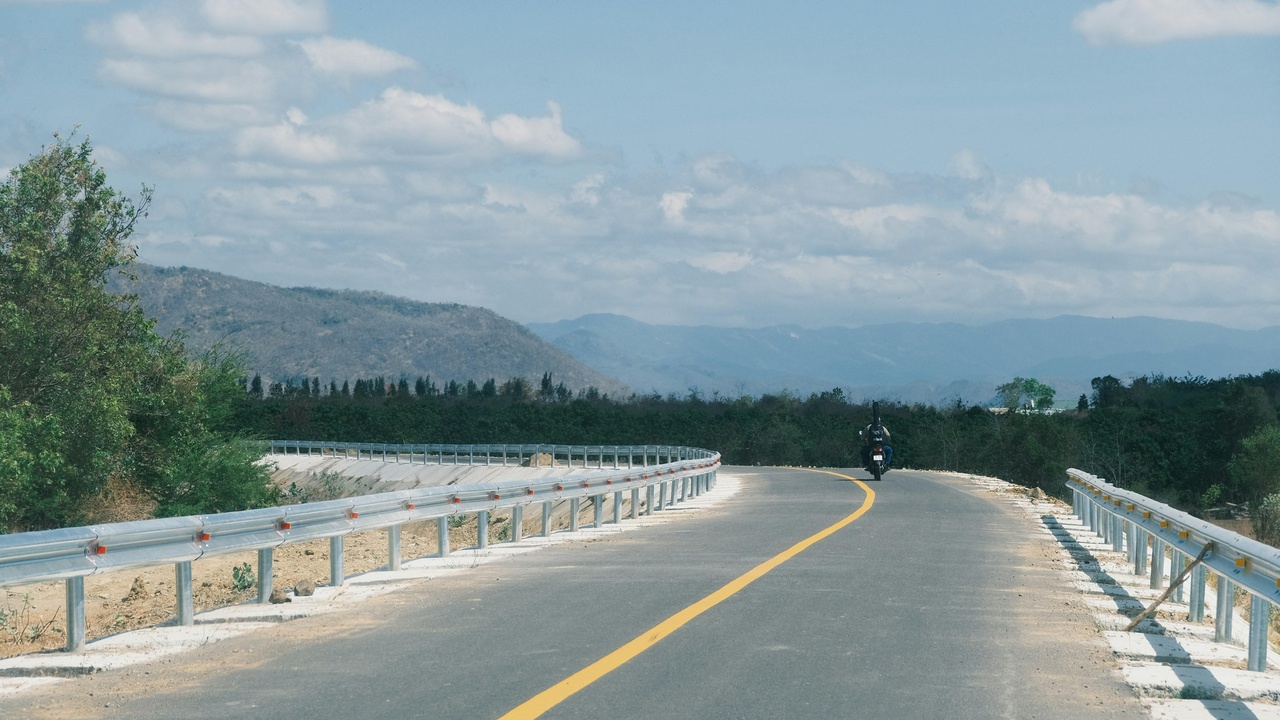
Adventurous things to do in Tajikistan include long cultural road trips, multi-day cycling or motorcycle expeditions, and winter backcountry skiing in reachable resorts and remote ranges. These mixed-season activities let travelers combine human-scale encounters—homestays, bazaars and village tea—with sustained physical challenges.
Local hospitality is a highlight: many cyclists and motorcyclists report homemade meals and unexpected invitations to stay the night. Still, trips require careful planning for food, fuel, permits and seasonal access.
6. Cycle or motorcycle the Pamir Highway for an immersive route experience
Cycling or motorcycling the Pamir Highway delivers long climbing days, sweeping highland views and close contact with mountain communities. Typical guided or self-supported cycling itineraries are 8–12 days when paced for acclimatization and rest.
Road surfaces change from tarmac to corrugated dirt. Riders should arrange luggage support or light panniers, carry spares and tools, and plan food and fuel stops carefully. Border and permit procedures can add time, so factor in buffer days.
Common practice: independent cyclists pause in Murghab and Khorog for rest, while motorcycle groups often hire 4x4s for luggage and mechanical backup. Build in a rest day after high passes to recover from altitude stress.
7. Ski touring and backcountry skiing in the Fann and Pamir foothills
Backcountry skiing in Tajikistan ranges from lift-accessible runs to remote ski-touring lines in the Fann and Pamir foothills. Safed Dara (formerly Takob) near Dushanbe offers some lift-served skiing that’s useful for acclimatization before heading into higher, ungroomed terrain.
Winter and spring windows vary with elevation, but roughly December–March sees the best snow in lower resorts, with late winter/early spring providing stable spring corn higher up. Remote touring requires avalanche awareness, proper transceiver practice and local partners who know the snowpack.
Guided ski-touring parties and local mountain guides can arrange hut-style or camping itineraries in safer zones; always check recent weather and snowpack reports and carry rescue gear when venturing into steeper couloirs.
Summary
Tajikistan combines some of Central Asia’s most dramatic high-altitude terrain with remote rivers, glacial systems and hospitable mountain communities. Seasonal timing, acclimatization and sensible safety planning determine whether an ambitious itinerary turns into a standout trip or an avoidable risk.
If you’re compiling a shortlist of adventurous things to do in Tajikistan, prioritize routes that match your experience, hire local guides for technical or remote objectives, and build downtime for acclimatization and mechanical contingencies.
- Tajikistan offers rare high-altitude and remote adventures from 2,195 m alpine lakes to 7,495 m summits.
- Travel in the right season (summer for most treks and rafting; winter/spring for skiing) and plan acclimatization days.
- Arrange reputable local guides, permits and reliable transport; bring spare parts, safety gear and insurance for high-altitude regions.
- Support local economies through guesthouses, homestays and licensed outfitters to get the fullest cultural and logistical experience.