adventurous things to do in myanmar
A century ago travelers called Myanmar “the road less taken”; today it rewards explorers with a rare mix of remoteness, layered cultures, and varied terrain. From the Ayeyarwady’s long, slow river corridor to the temple plains of Bagan and the high plateaus of Shan and Chin states, adventure travel in Myanmar feels tactile and immediate. You can float past riverside villages on a teak boat, paddle among Intha fishermen on Inle Lake (sitting around 880 m above sea level), or watch the sunrise over Bagan’s roughly 2,200 temples.
This guide maps eight high-quality Myanmar adventures with practical notes: when to go, what to pack, safety tips, and example itineraries so you don’t waste time on filler suggestions. Expect concrete facts (the Ayeyarwady stretches about 1,350 km through the country), seasonal advice, and local logistics to help you plan bold, authentic trips—river voyages, island liveaboards, mountain treks, balloon flights, and pilgrimage stays.
River and Coastal Adventures
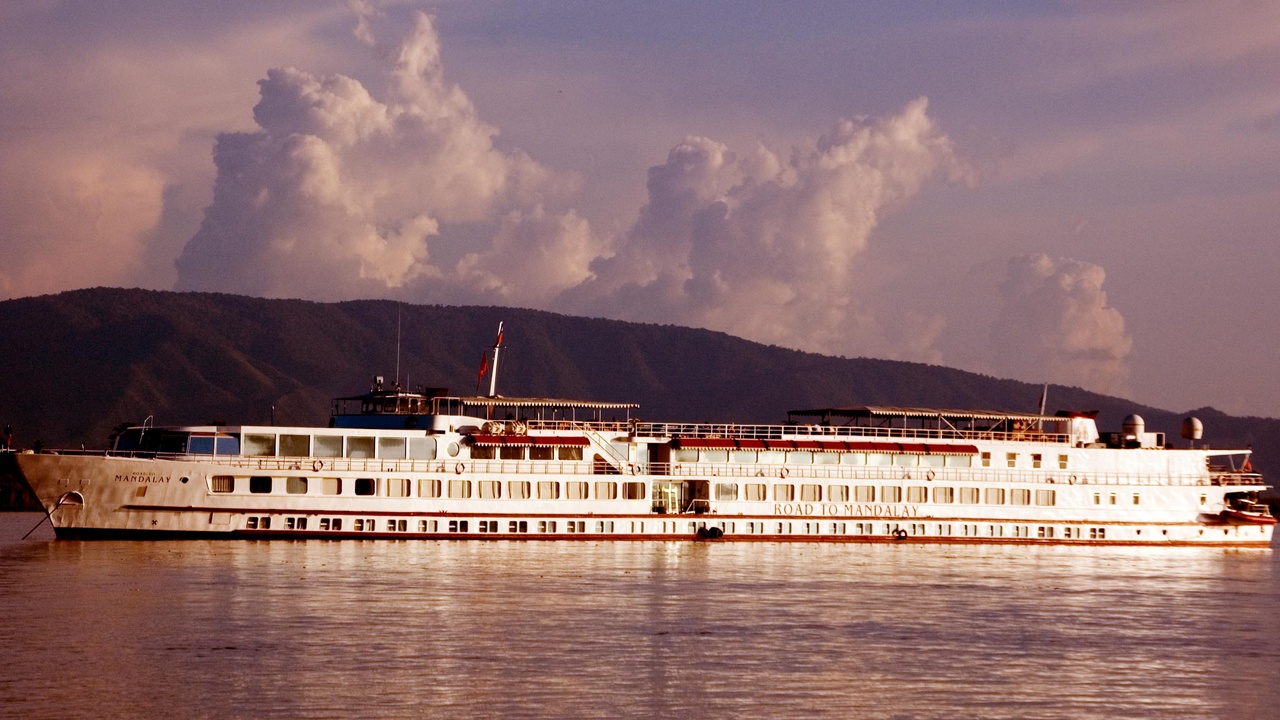
Myanmar’s waterways and coast form natural adventure corridors. The Ayeyarwady (Irrawaddy) runs roughly 1,350 km north–south, linking Mandalay, Bagan and Yangon and giving travelers access to remote pagodas and riverside life. Inland lakes like Inle provide intimate paddling and market visits, while the Myeik (Mergui) Archipelago—home to 800+ islands—offers some of Southeast Asia’s least-developed marine terrain. Seasonality matters: river trips and hot-air balloons are most reliable in the dry months (November–February), whereas diving and island hopping are best roughly November–April. Basic safety: book licensed local operators, carry a dry bag and basic first-aid, and check river levels before multi-night cruises. Below are three high-value ways to experience Myanmar’s water and coast.
1. Take an Ayeyarwady river cruise to see rural Myanmar
River cruises connect Mandalay, the Bagan region and the lower Ayeyarwady, offering slow travel through rice paddies, mangrove mouths and villages that rarely see road tourists. The river has been a lifeline for centuries, and a cruise is a practical way to reach remote pagodas and watch riverine wildlife.
Typical itineraries run 2–5 nights; travelers choose between traditional teak riverboats and small expedition-style vessels. Onboard activities: village visits, birdwatching at dawn, and stops at riverside pagodas. Pack sun protection, a light rain jacket, and insect repellent.
Best months are November–February. You’ll need a standard Myanmar tourist visa; special permits may be required for some restricted reaches. Expect price ranges from modest day-boat excursions (under US$50) to multi-night cruises that start around a few hundred dollars per person—book through licensed local operators based in Mandalay or Bagan.
2. Paddle and explore Inle Lake by kayak and leg-row boat
Kayaking on Inle Lake puts you among floating gardens, stilt villages and the region’s famous leg-rowing fishermen. Inle sits at roughly 880 m elevation and covers about 116 km², which makes half-day paddles and full-day circuits both practical options.
Launch from Nyaungshwe (gateway to Inle) and hire a local guide to navigate narrow channels and floating farms. Common routes include half-day loops past lotus fields and full-day trips that combine paddling with visits to silk workshops, paper-makers and local markets.
Respect the environment: avoid single-use plastics, ask before photographing private floating gardens, and consider homestays on the lake to support local incomes. Typical guide-and-kayak half-day trips are affordable, often under US$40 per person, with longer guided excursions and homestays priced higher.
3. Dive, snorkel or island-hop in the Myeik (Mergui) Archipelago
The Myeik Archipelago’s 800+ islands form a large, under-visited marine playground with clear water and healthy coral gardens. Liveaboards and day-boat trips run from Kawthaung or Myeik, and multi-day trips let you anchor in remote bays with few other boats nearby.
Divers can expect healthy reef systems and occasional visits from larger pelagics; manta sightings are possible but not guaranteed. Best weather for diving is generally November–April. Some zones need permits—confirm requirements when booking and choose operators who handle local permissions.
Day-boat island hopping can be budget-friendly, while 3–7 night liveaboards cost more but open remote sites. Bring reef-safe sunscreen, motion-sickness remedies for longer crossings, and copies of your dive certification if planning multiple dives.
Mountain, Trekking and Highland Adventures
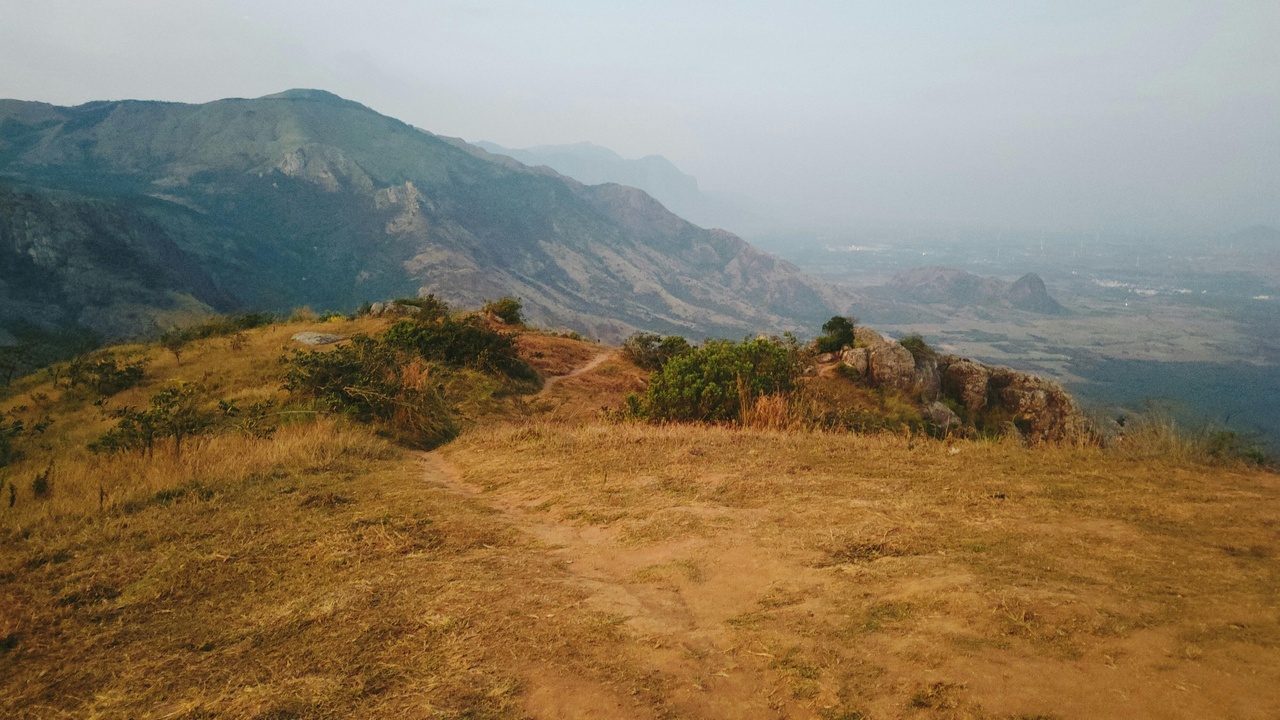
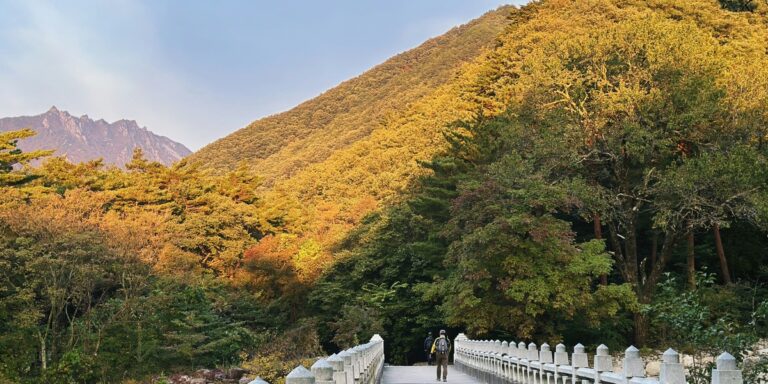
Myanmar’s highlands—the Shan Plateau, Chin Hills and Rakhine uplands—offer multi-day treks, village homestays and sweeping viewpoints. Elevations vary from moderate hill-country routes around 1,000–1,500 m to high peaks like Nat Ma Taung. Low-impact trekking and community-run homestays are common and channel revenue to remote villages. Weather matters: the cool, dry months (November–February) and the shoulder months for lower elevations are safest. Always hire local guides who know trails, arrange accommodation in advance for popular routes, and carry layered clothing for variable mountain nights. Below are three reliable ways to explore the highlands.
4. Multi-day trek from Kalaw to Inle Lake (or Hsipaw trails)
The classic Kalaw-to-Inle trek typically takes 2–3 days and threads farmland, pine forest and small villages. Hsipaw in northern Shan State offers similar valley walks and longer routes for hikers with more time.
A sample 3-day Kalaw–Inle itinerary: day 1 cross pine forest and ridgelines, day 2 walk village-to-village with market stops, day 3 descend to Inle Lake and arrive at Nyaungshwe. Treks suit moderate fitness; expect dirt tracks and occasional steep sections.
Hire local guides from Kalaw or Hsipaw (guides often arrange homestays). Typical costs for guided 2–3 day treks, including homestay meals, range from modest locally run rates to higher packaged tours—budget US$40–US$150 depending on service level. Pack layers, a headlamp, and cash for small village purchases.
5. Summit Mount Victoria (Nat Ma Taung) or explore the Chin Hills
Nat Ma Taung (Mount Victoria) in Chin State rises to about 3,053 m and offers panoramic views and off-grid trekking. Trails here and elsewhere in the Chin Hills lead through montane forest and remote villages with distinctive cultural traditions.
Logistics: reach Nat Ma Taung National Park via Mindat or Kanpetlet with local transport, then arrange park entry and basic camping or guesthouse accommodation. Day hikes are possible for fit walkers; multi-day treks require food and camping gear or coordination with local porters.
Mind the weather: temperatures can drop quickly at altitude. Park fees and permits vary—check with local authorities or park offices before travel. These treks offer rare encounters with Chin tribal life and landscapes few tourists see.
6. Trek into remote tribal areas for cultural immersion (Chin and Shan villages)
Slow, village-to-village treks in Chin State and eastern Shan State deliver meaningful cultural exchanges. Routes often last 1–4 days and end in homestays where hosts share meals and stories.
Respect is essential: ask before photographing people, buy crafts directly from makers, and follow guide-led introductions. Many community tourism projects exist—seek cooperatives or village-run guesthouses so tourism revenue benefits locals directly.
Short treks cost modest sums that support families; hire guides who speak local languages and can mediate cultural norms. These trips are as much about people as scenery—come ready to listen and contribute.
Temple Flights, Pilgrimages and Offbeat Urban Adventures
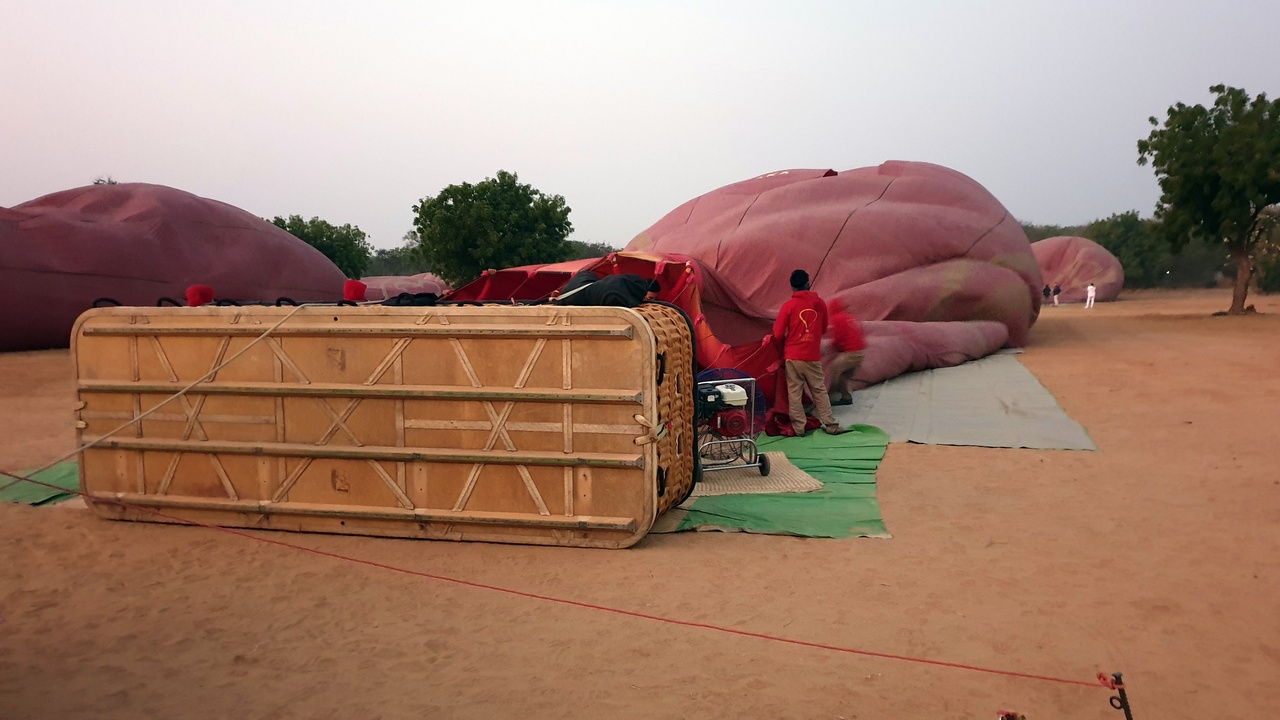
Alongside rivers and mountains, Myanmar offers cultural adventures that combine novelty with deep heritage: hot-air ballooning over Bagan, overnight pilgrimages to Kyaiktiyo (Golden Rock), and urban nights in Yangon or Mawlamyine. These experiences require cultural sensitivity—dress modestly at religious sites, time visits to avoid festival congestion, and book early for limited spots like balloon flights and pilgrimage guesthouses. Among the cultural options, adventurous things to do in myanmar also include rooftop evenings in Yangon markets and quiet dawn walks at temple complexes—small-scale adventures that reveal local rhythms.
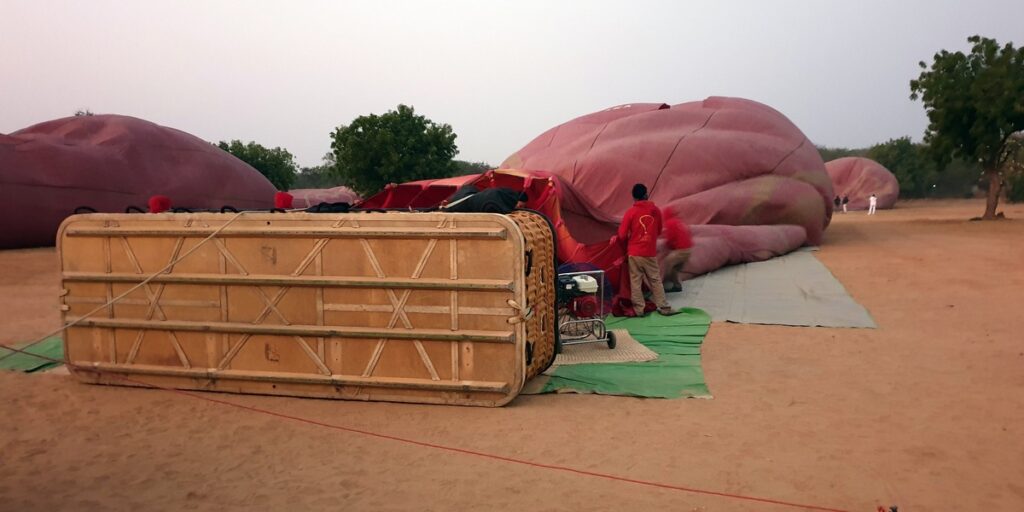
7. Ride a hot-air balloon over Bagan’s temple plain at sunrise
Seeing Bagan from a balloon at dawn is a visceral way to grasp its scale—Bagan contains more than 2,200 temples and pagodas scattered across the plain. A morning flight lets light and shadow reveal temple clusters and the Irrawaddy’s distant curve.
Flights typically last 45–60 minutes with pre-dawn pickup and a short ground transfer. Book early in peak season (November–February) to secure a slot. Many operators pair the balloon with a guided ground tour after landing.
Safety: choose certified companies, confirm pilot credentials and insurance, and check cancellation policies for wind or low visibility. Prices vary by operator and season but expect mid-range to premium rates compared with other local activities.
8. Join the pilgrimage to Kyaiktiyo (Golden Rock) and stay overnight at monastery lodgings
Kyaiktiyo, the Golden Rock, is a major pilgrimage site where devotees gather for candlelit ceremonies at night. Visiting combines a short bus or jeep climb from Kinpun with stair climbs and an opportunity to sleep among pilgrims in monastery guesthouses.
Getting there: overnight buses from Yangon to Kinpun are common, followed by shuttles or a moderate hike up to the rock. Monastery lodgings are basic but welcoming; bring modest clothing, a flashlight, and small offerings if you wish. Festival periods draw large crowds—plan off-peak visits if you prefer fewer people.
Monastery overnight stays are low-cost donations or small fees; respect sleeping spaces and follow monastery rules. The experience is as much spiritual as adventurous—bring patience and a sense of humility.
Summary
- Combine water and highland trips—for example, an Ayeyarwady cruise plus a 2–3 day Kalaw–Inle trek—to experience multiple landscapes.
- Plan seasonally: dry months (Nov–Feb) favor river cruises and balloon flights; diving and island trips are best roughly Nov–Apr.
- Prioritize cultural respect and sustainable choices: hire local guides, stay in homestays, and support community tourism projects.
- Book in advance for constrained activities (balloon flights, liveaboards, popular homestays) and check permits for sensitive areas.
- Choose one water-based and one highland or cultural adventure to build a focused itinerary; research current travel advisories and book reputable local guides before you go.