Chile’s long, narrow territory—from the dry north and central valleys to the fjords of the south and remote islands—contains a remarkable mix of cultures and lifeways. Indigenous communities have maintained languages tied to particular regions, histories, and environments across that geographic sweep.
There are 12 Indigenous Languages in Chile, ranging from Aymara to Yaghan (Yámana). For each entry, you’ll find below the Status, Region(s), Speakers (count), so you can quickly see vitality, where a language is spoken, and approximate speaker numbers — you’ll find below.
Which of these languages still have active speaker communities?
Several have living communities and intergenerational transmission, notably Aymara and Mapudungun (Mapuche), and Rapa Nui on Easter Island; others have very small speaker numbers or are nearly dormant (for example, Yaghan has only a handful of speakers). Status labels help indicate which need urgent revitalization.
How current and reliable are the speaker counts and status labels?
Speaker counts are estimates drawn from recent censuses and linguistic surveys and can vary by source and year; “Status” summarizes vitality (living, endangered, extinct) but may change with revitalization efforts. Treat the figures as snapshots and consult original sources for the latest updates.
Indigenous Languages in Chile
| Language | Status | Region(s) | Speakers (count) |
|---|---|---|---|
| Mapudungun (Mapuche) | Living | Araucanía, Biobío, Los Ríos, Los Lagos | 200,000 |
| Huilliche (Williche) | Living | Coastal Los Lagos, Chiloé, southern Los Ríos | 6,000 |
| Aymara | Living | Arica y Parinacota, Parinacota, Tarapacá (northern Chile) | 25,000 |
| Rapa Nui (Rapanui) | Living | Isla de Pascua (Easter Island) | 2,000 |
| Kawésqar (Alakaluf) | Living (critically endangered) | Aysén and Magallanes coastal channels | 10 |
| Yaghan (Yámana) | Dormant | Navarino Island, Cape Horn, Tierra del Fuego | 0 |
| Selk’nam (Ona) | Extinct | Eastern Isla Grande de Tierra del Fuego | 0 |
| Haush (Manek’enk) | Extinct | Mitre Peninsula, Tierra del Fuego | 0 |
| Kunza (Atacameño, Likanantaí) | Extinct | San Pedro de Atacama, Loa valley (Antofagasta) | 0 |
| Diaguita (Cacán) | Extinct (poorly attested) | Coquimbo, Atacama, northern Chilean highlands | 0 |
| Chono | Extinct (poorly attested) | Chonos Archipelago and western Patagonian channels | 0 |
| Tehuelche (Aonekkoʼaʼien) | Extinct in Chile / Dormant regionally | Southern Patagonia, Magallanes (historical presence) | 0 |
Images and Descriptions
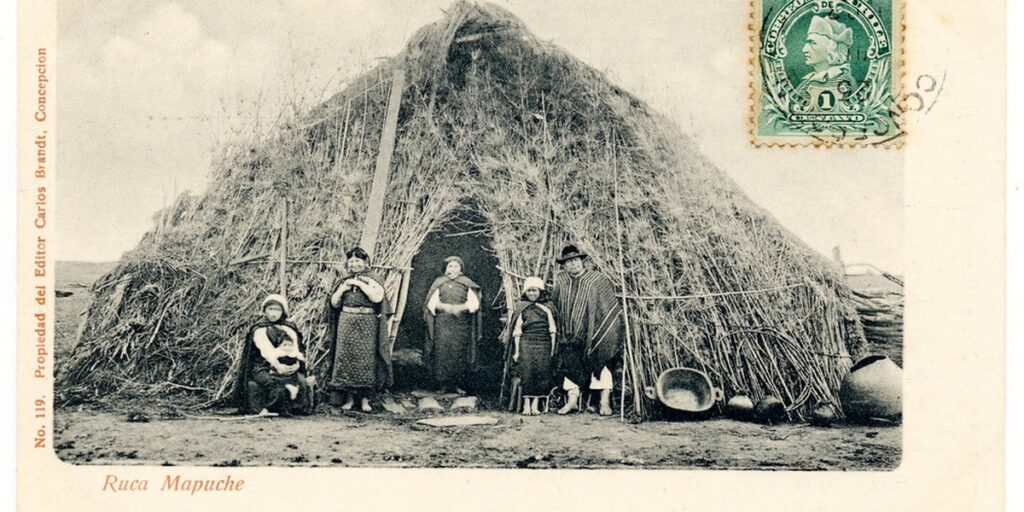
Mapudungun (Mapuche)
The language of the Mapuche people, widely spoken across south-central Chile. Strong intergenerational transmission in some communities, active cultural and political revival, with literature, radio and school programs; varieties range from central Mapudungun to Huilliche-influenced speech.

Huilliche (Williche)
A southern variety of Mapudungun spoken by Huilliche communities in Futahuillimapu and Chiloé. Considered endangered, it retains distinct vocabulary and phonology; community programs and local schools support maintenance amid pressure from Spanish.
Aymara
An Andean language with deep roots in northern Chile, spoken in highland towns and border communities. Bilingualism with Spanish is common; Aymara culture and festivals remain strong and there are media and educational initiatives to sustain the language.
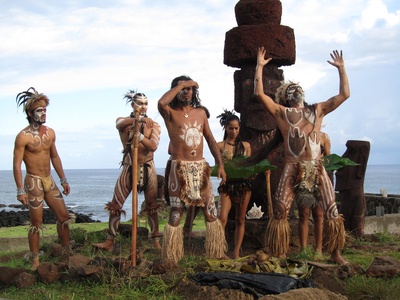
Rapa Nui (Rapanui)
A Polynesian language unique to Easter Island, it coexists with Spanish but faces generational shift. Strong island identity and cultural revival efforts—music, schooling, and local media—support Rapa Nui, though many speakers are bilingual and language use varies by age.
Kawésqar (Alakaluf)
A maritime language of western Patagonian channels historically spoken by nomadic canoe peoples. Severely endangered with only a handful of elderly speakers and fragmentary documentation; recent efforts aim to record elders and support cultural programs.
Yaghan (Yámana)
Once spoken across southernmost archipelagos, Yaghan is functionally dormant after the death of the last native speakers. Well-documented by 19th–20th century researchers; community projects and classes seek revival among descendants and learners.
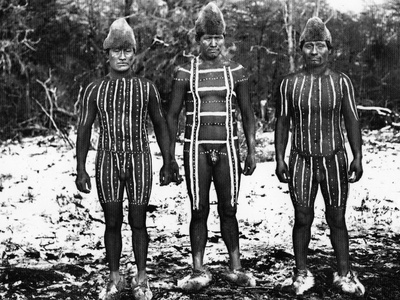
Selk’nam (Ona)
Formerly spoken by the Selk’nam people of Tierra del Fuego, the language became extinct in the early 20th century after colonization and violence. Surviving ethnographic records and myth collections fuel cultural recovery and identity work by descendants.
Haush (Manek’enk)
Spoken by a small Fuegian people on the eastern tip of Tierra del Fuego, Haush disappeared early in the 20th century. Documentation is scarce but exists in ethnographic notes; the group is part of Tierra del Fuego’s complex indigenous history.
Kunza (Atacameño, Likanantaí)
The isolate language of the Atacameño people in the Atacama Desert; Kunza fell out of use in the 20th century. Surviving wordlists and toponyms help researchers reconstruct aspects of grammar and vocabulary.
Diaguita (Cacán)
Formerly used by Diaguita peoples across north-central Chile, Cacán is poorly attested and its classification remains debated. Archaeological and historical sources confirm its cultural presence; linguistic evidence is fragmentary and subject to scholarly caution.
Chono
A set of maritime speech varieties once used by Chono peoples of southern archipelagos; records are limited to colonial-era notes. Considered extinct, Chono is poorly attested, and its relationships to neighboring languages remain uncertain.
Tehuelche (Aonekkoʼaʼien)
The Aonikenk (Tehuelche) languages were spoken by nomadic plains peoples of Patagonia; in Chile they vanished early under colonial pressures. Some related varieties survived longer in Argentina; Chilean presence is now historical with archival documentation.