On August 2 many people in North Macedonia pause to remember Ilinden, the 1903 uprising whose memory still surfaces in public commemorations and private remembrances. That single date helps explain why rituals—both solemn and celebratory—carry weight across generations.
Traditional customs shape identity, attract visitors, and structure the year for families and communities. About 64% of the population identified as Orthodox in the 2002 census, so church holidays and family patron-saint feasts remain central to many households.
This piece outlines ten important traditions in north macedonia grouped into three themes: cultural and religious rituals, festivals and public celebrations, and everyday crafts and food. Expect dates, local examples, and practical notes about how these customs keep social ties and local economies alive.
Cultural and Religious Rituals
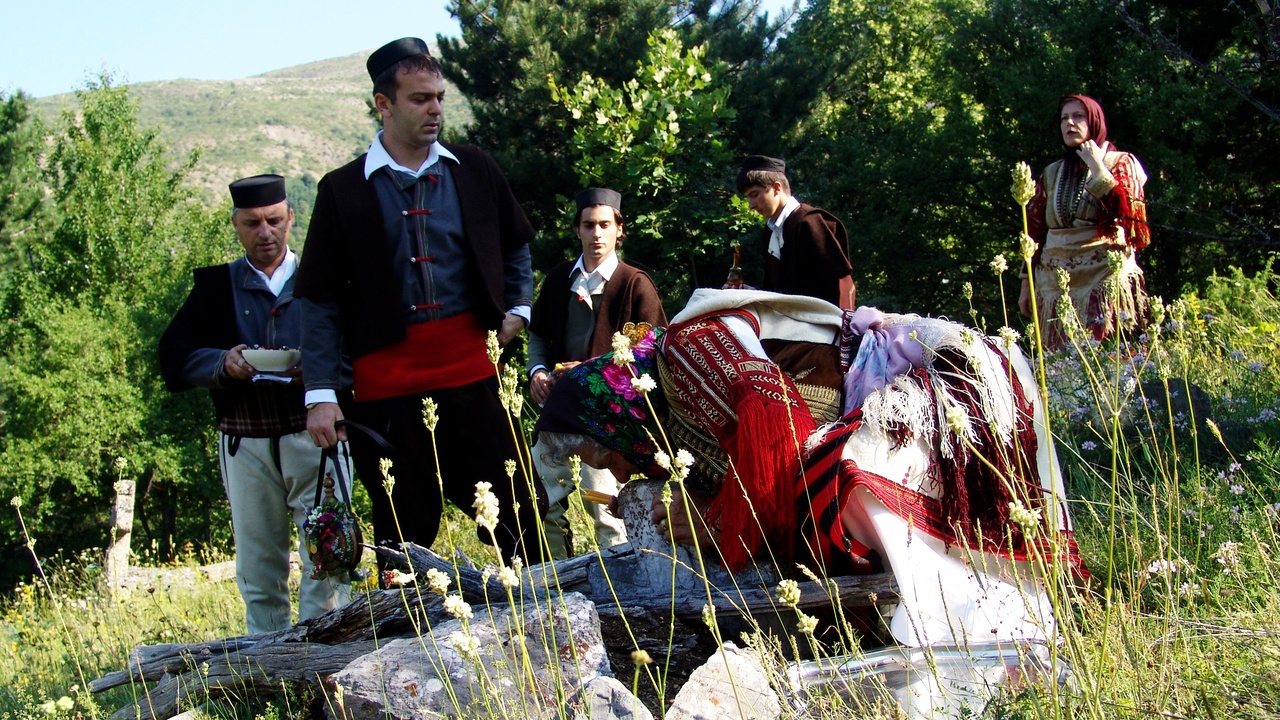
Faith and family rituals mark calendars across the country. The Macedonian Orthodox Church sets major holy days, while household-centered observances—especially patron-saint feasts—organize social life in towns and villages alike.
These rites reinforce continuity: elders teach prayers, recipes and songs to children; local artisans supply bread, icons and ritual objects; and seasonal observances (from Ilinden to Easter) create predictable moments for reunion. Regional customs vary—songs in Prespa differ from those in the highlands—but the underlying pattern is familiar: a shared ritual economy of baking, icon-making and hospitality sustains both memory and income.
1. Badnjak and Christmas Eve Traditions (Orthodox Christmas)
Orthodox Christmas is observed on January 6–7, when families perform the badnjak ceremony centered on the symbolic burning of a log. In rural yards and some urban homes a trimmed oak or beech log is brought inside or to the courtyard and lit to symbolize warmth and the coming year.
Preparation is communal: the household head blesses the bread (kolač) and invites neighbors to share dishes like roasted meats, pies (pita), and sweet pastries. Village-specific carols and dances sometimes follow the meal, and younger generations learn songs and blessings from elders—helping preserve regional variants of the ritual.
2. Đurđevdan (St. George’s Day) and Spring Rituals
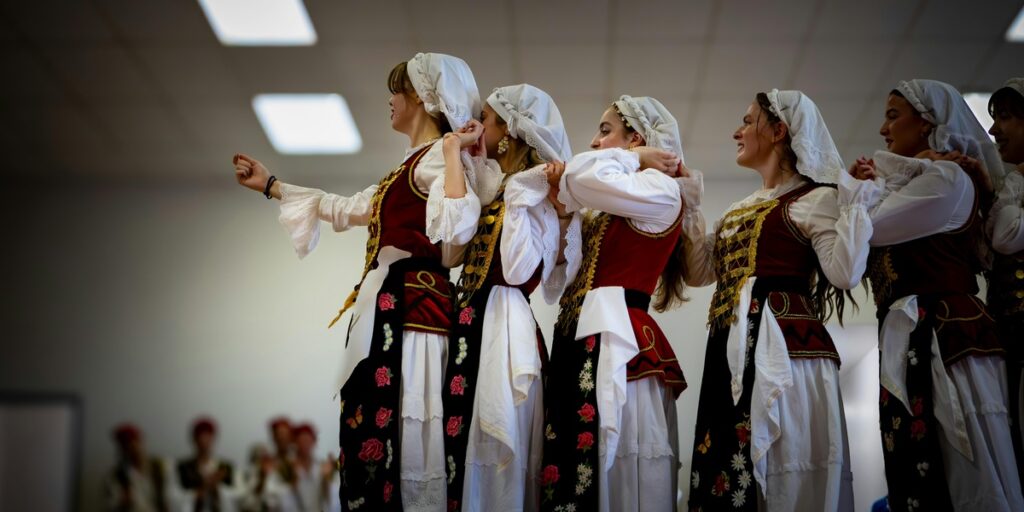
Đurđevdan, around May 6, celebrates spring renewal and is one of the liveliest seasonal observances. People gather wild flowers and herbs, young men and women don regional folk costumes, and communities hold processions that echo older, pastoral rites.
In areas around Prespa and Pelagonia there are herb-gathering walks, shepherds’ songs and ritual animal blessings tied to planting cycles. For farmers it marks a turning point in the agricultural year; for towns it becomes a day of dancing, music and social reconnection.
3. Easter Customs and Blessing of Food
Orthodox Easter varies each year according to the liturgical calendar, but the rituals are consistent: families bring baskets of food to church for blessing, dye eggs red to symbolize the Resurrection, and hold large communal feasts.
Typical items in the baskets include kozunak (sweet bread) and lamb, and children play egg-tapping games after the meal. The parish blessing draws neighbors together and passes religious practice to younger generations as they stand in line at local churches.
4. Slava and Family Patron-Saint Celebrations
Slava is a household patron-saint feast when a family honors its chosen saint on that saint’s day. The ritual centers on the slavski kolač (ceremonial bread), candle-lighting, prayers and, in some homes, a priest’s blessing.
Slava reunites scattered relatives, prompts hospitality rituals for guests, and keeps genealogies alive as elders recount family history. Many households call relatives abroad to join virtually or by phone, showing how tradition adapts to modern life while preserving core practices.
Festivals and Public Celebrations
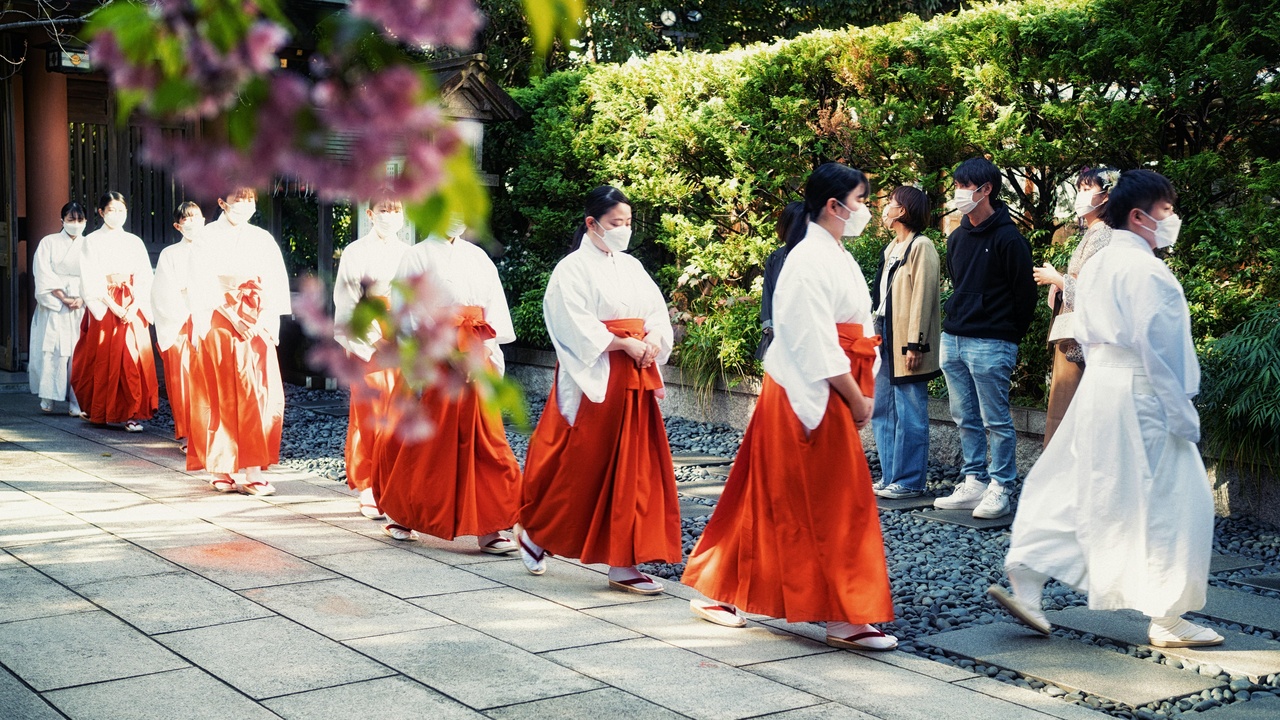
Public festivals blend ancient rites, folk music and contemporary performance to draw locals and visitors. Many events also support craftspeople and small businesses, turning cultural memory into economic activity.
Ohrid’s UNESCO World Heritage inscription in 1979 helps anchor a cultural calendar that includes multi-week summer programs, while village festivals like Vevčani and Galicnik preserve practices that predate modern borders. These festivals have predictable dates—Vevčani in January, Galicnik in early July—and often bring hotel bookings, craft markets and interregional exchange.
5. Vevčani Carnival (Janakovden) Masked Processions
The Vevčani Carnival runs every January 13–14 and features hundreds of handmade masks, satirical street theater and loud processions. Rooted in pre-Christian customs, the carnival gives local makers a chance to display carved wooden masks and sewn costumes.
Performances often skewer politics or local personalities in good-natured sketches. Visitors book nearby guesthouses and food vendors do brisk trade, so the event provides an annual boost to the village economy as well as keeping mask-making crafts alive.
6. Galicnik Wedding: A Living Folk Spectacle
The Galicnik Wedding takes place typically in early July and stages traditional highland marriage rites, complete with ornate costumes, silver jewelry and folk dances. Organizers sometimes select couples from applicants who want the full ceremonial experience.
Artisans profit from producing headpieces, belts and embroidered vests, while folk ensembles perform shepherd songs and dances around the village. The event is both a community ritual that preserves matrimonial customs and a tourist draw that supports local craftspeople.
7. Ohrid Summer and Cultural Festivals
Ohrid, inscribed as a UNESCO World Heritage site in 1979, hosts multi-week summer festivals featuring classical concerts, theater and Balkan folk ensembles. Events take place in lakeside venues, churches and open-air stages.
Festival programming stretches the tourist season, filling hotels and restaurants outside peak months. The mix of international and regional performers raises cultural visibility and gives local vendors a dependable seasonal market.
Everyday Traditions, Crafts, and Food
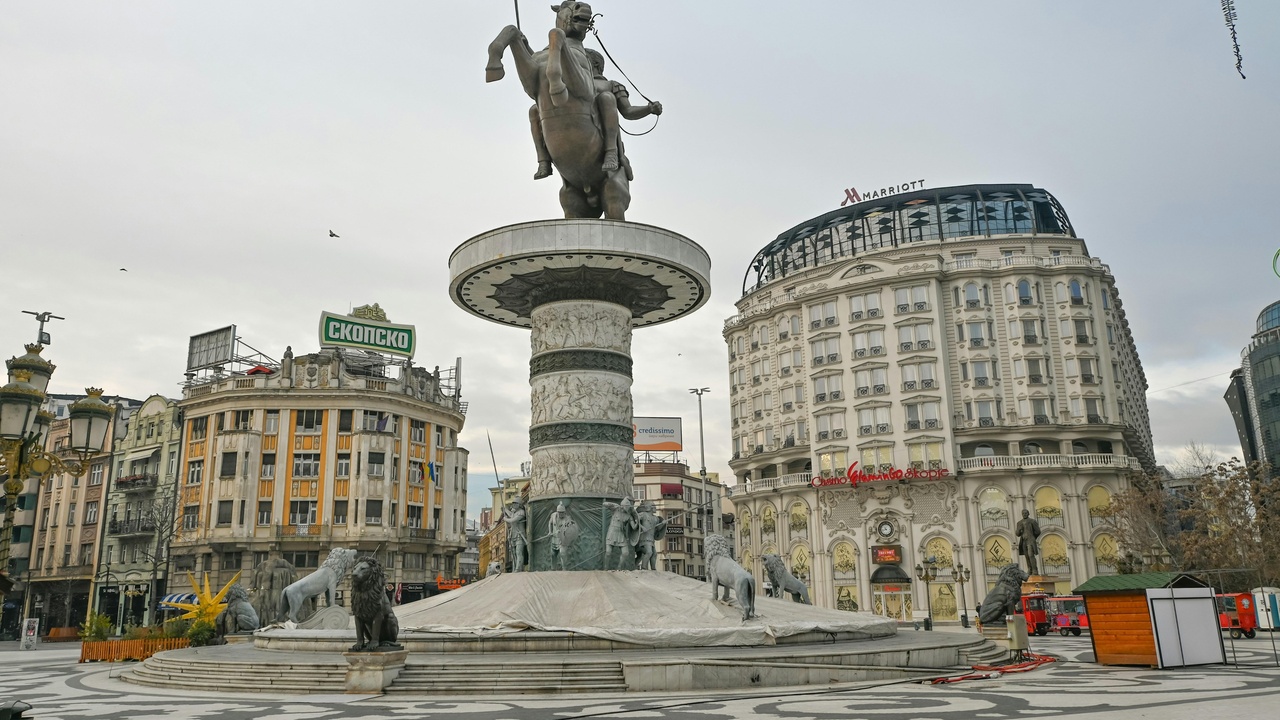
Daily habits and seasonal chores constitute much of the country’s living heritage. What people eat, how they welcome guests, and the handicrafts they produce shape identity and sustain livelihoods in towns and villages.
Foodways like tavče gravče or ajvar-making, coffee rituals that mark hospitality, and embroidery or wood carving sold in markets all link households to a wider ritual economy. These practices are practical—preserving food for winter, selling handicrafts to tourists—and symbolic, passing techniques from grandparents to grandchildren.
8. Macedonian Hospitality and Coffee Culture
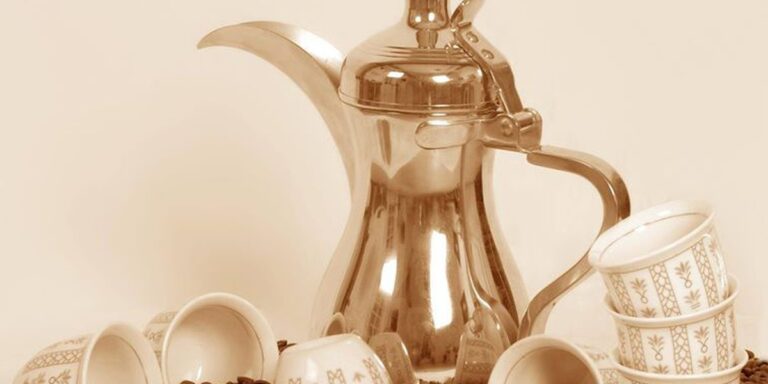
Offering coffee or rakija to guests is a widespread courtesy. Turkish-style coffee is served in small cups, and social rules—like waiting for the elder to take the first sip—govern the exchange.
In homes and cafés alike, coffee opens conversation, smooths business meetings and welcomes visitors from the diaspora. The ritual often precedes a shared meal and acts as a social glue that keeps neighborhoods connected.
9. Traditional Handicrafts: Embroidery, Wood Carving, and Icon Painting
Regional crafts include elaborate embroidery, Ohrid-style filigree and wood-carved iconostases for churches. Museums and cooperatives document distinct motifs from places such as Ohrid and Kičevo, and local workshops teach apprentices these techniques.
Sales to tourists and the diaspora provide income for small makers, while festivals and market stalls give craftspeople venues to sell textiles, silver and carved items. That market link helps keep traditional skills in active use.
10. Food Traditions: Tavče Gravče, Ajvar, and Seasonal Preserving
Tavče gravče, a baked bean dish, is a national favorite served in households and restaurants. Late summer and early autumn are ajvar season: neighbors gather in August–September to roast, peel and jar peppers for winter use.
Those communal preserving sessions build social capital and practical reserves for winter. Families often sell extra jars at markets, so preserving is both cultural practice and small-scale enterprise, with recipes handed down across generations.
Summary
- Traditional rituals link families and communities across generations—and dates like Ilinden (August 2) help anchor shared memory.
- Festivals such as Vevčani, Galicnik and the Ohrid Summer programs preserve folklore while supporting local economies and craftspeople.
- Everyday customs—coffee hospitality, tavče gravče, and late-summer ajvar-making—are living cultural practices that sustain identity and commerce.
- Regional crafts (embroidery, wood carving, icon painting) and family feasts (Slava, Easter blessings) pass skills and stories between generations.
- Exploring traditions in north macedonia—at a festival, a village kitchen or a market—offers a hands-on way to understand how culture, faith and economy intertwine.