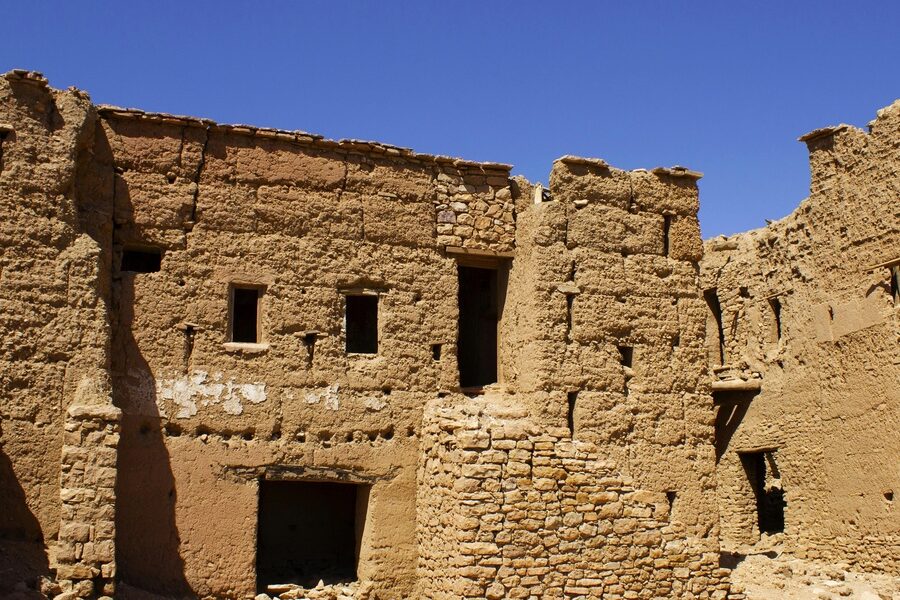
Qatar’s coastline and desert hide layers of human activity: seasonal camps, burial fields, and coastal trading spots that sit quietly beside modern development. A short visit can shift your view from glass towers to stone foundations and shell middens that mark centuries of movement across the peninsula.
There are 8 Ruins in Qatar, ranging from Al Khor burial mounds cluster to Ras Abrouq / Zekreet archaeological area. For each site, you’ll find below data organized with Location (lat,long),Type,Era (approx.); the list highlights coastal, inland, and funerary sites so you can see the geographic and chronological spread before planning a visit — you’ll find below.
Are these sites generally open to visitors, or do I need permits?
Access varies: many ruins can be viewed from public land, but some lie on protected or privately owned areas and require permission from local authorities (Ministry of Culture/heritage bodies) or landowners. Check recent guidance, respect posted restrictions, and contact responsible agencies if you plan close inspection or excavation.
What practical steps should I take before visiting a ruin in Qatar?
Bring water, sun protection, sturdy shoes, and the site’s GPS coordinates; travel with someone and tell others your plans for remote locations. Follow signage, avoid touching or removing artifacts, and prefer guided visits when available to ensure safety and help preserve the site.
Ruins in Qatar
| Name | Location (lat,long) | Type | Era (approx.) |
|---|---|---|---|
| Al Zubarah Archaeological Site | Zubarah (26.00,51.12) | fort/settlement | 18th–19th century CE (town); earlier occupation recorded |
| Freiha (Al-Freiha) ruins | Northwest coast near Zubarah (26.07,51.08) | settlement | 18th–19th century CE |
| Barzan Towers | Umm Salal Muhammad (25.43,51.43) | tower/fortification | 19th century CE |
| Jebel Jassassiyeh rock carvings | Northeast coast near Al Khor (25.68,51.52) | rock art | Neolithic–Islamic (prehistory to early centuries CE) |
| Purple Island (Jazirat Bin Ghanim) archaeological remains | Al Khor coast (25.66,51.47) | settlement/burial mounds | Bronze Age–Islamic periods |
| Ras Abrouq / Zekreet archaeological area | Western peninsula near Dukhan (25.90,51.20) | coastal settlement/rock features | Bronze Age–Islamic periods |
| Murwab (ancient settlement) ruins | Central-west coast region (26.00,51.10) | settlement | Early Islamic–medieval periods (approx. 7th–12th century CE) |
| Al Khor burial mounds cluster | Al Khor environs (25.69,51.49) | burial mounds | Bronze Age–Iron Age (approx. 2nd–1st millennium BCE) |
Images and Descriptions
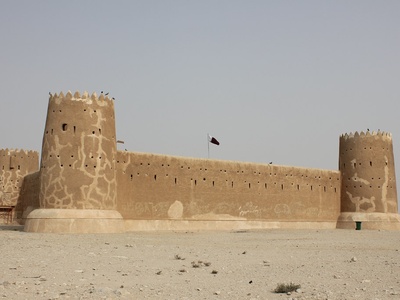
Al Zubarah Archaeological Site
Extensive ruined walled town and fort on Qatar’s northwest coast, UNESCO-listed for trade and pearling remains. Visible foundations, fort ruin and streets; accessible by road with onsite signage, guided visits recommended to see excavated houses and shoreline features.

Freiha (Al-Freiha) ruins
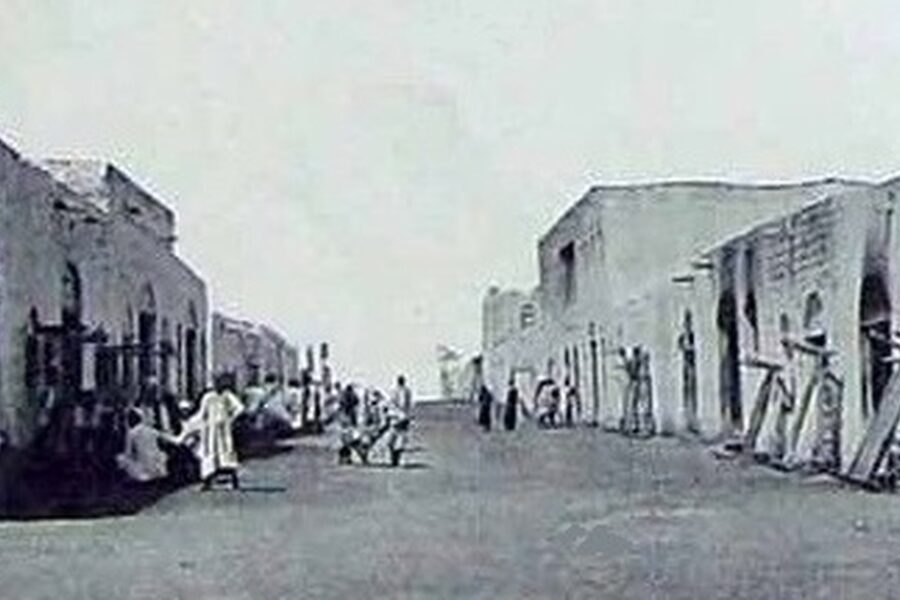
Abandoned coastal village and ruined fort complex associated with regional trade and pearling, with collapsed houses and walls. Archaeological remains are visible in situ; site is remote and reachable by 4×4, visit with prior permission or guide advised.
Barzan Towers
Two historic watchtowers overlooking the plains, partially ruined but largely standing; built for observation and water storage. Popular short visit from Doha; limited facilities and some conservation works mean access is straightforward though climbing may be restricted.
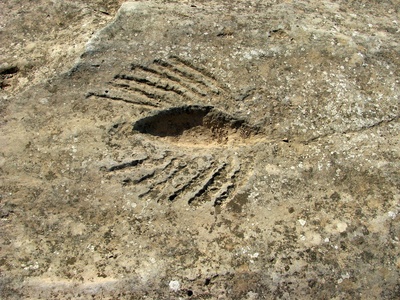
Jebel Jassassiyeh rock carvings
Largest concentration of cup-and-ring petroglyphs in the Gulf, carved on sandstone outcrops. Panels span millennia and include boat motifs. Open-air site near the coast; fragile stones—respect signage and avoid touching the art.
Purple Island (Jazirat Bin Ghanim) archaeological remains
Coastal island with ancient shoreline settlements, burial mounds and shell middens showing long-term marine resource use. Low-lying ruins and graves are visible from tracks; reachable from Al Khor, best visited with a guide to protect fragile features.
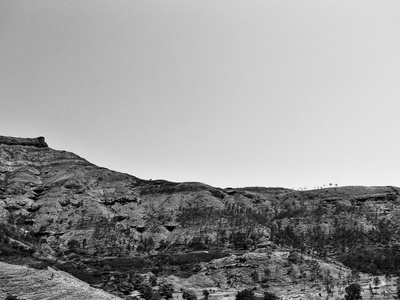
Ras Abrouq / Zekreet archaeological area
Rocky promontory with scattered burial mounds, settlement remains and unusual limestone formations. Evidence for coastal activity and funerary sites; largely open landscape, accessible by road but rough tracks and limited facilities.
Murwab (ancient settlement) ruins
Ruined village complex with house foundations and pottery finds indicating medieval coastal habitation and trade links. Sparse visible remains in desert setting; access requires planning and respectful onsite behavior to protect exposed archaeology.
Al Khor burial mounds cluster
Clusters of low, stone-lined burial mounds and cairns along the coast, reflecting ancient funerary practice. Features are modest but archaeologically important; visible from coastal tracks near mangroves, approach carefully to avoid disturbance.